10 brilliant bands whose final albums were disasters: Do you agree?
Great bands end in different ways. Some stop at the right moment. Some release one last album that lands badly enough to complicate everything that came before it — not erasing it, but adding a final chapter nobody wanted. These ten bands made brilliant music. Their last albums made critics and fans uncomfortable. Whether the discomfort was deserved is the question.

Genesis — Calling All Stations (1997)
Phil Collins left. The band replaced him with Ray Wilson and released one album. Rolling Stone identifies a few decent tracks buried in what is otherwise a band without a leader. The record bombed. Genesis fired Wilson and waited a decade for Collins to return. Wilson told Rolling Stone in 2022 the album could have been better with more time. He was right.
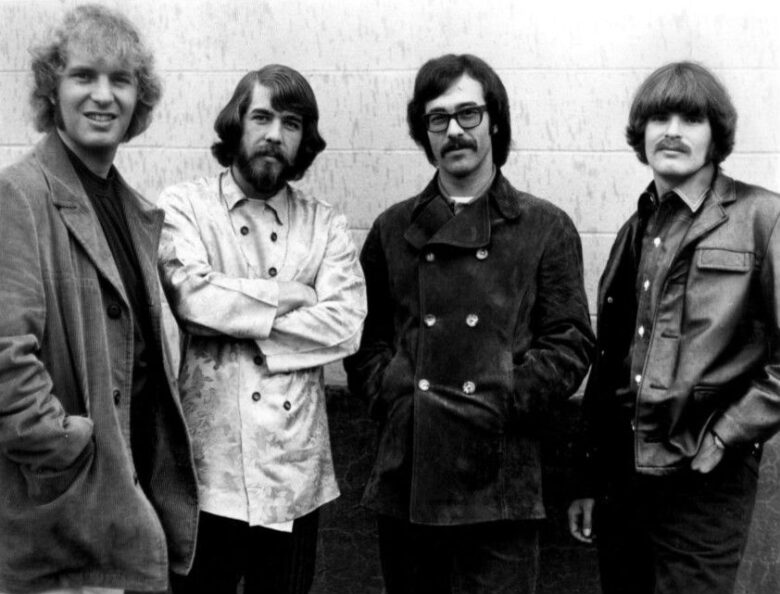
Creedence Clearwater Revival — Mardi Gras (1972)
John Fogerty agreed to a democratic album where the other members could write and sing their own songs. Rolling Stone writer Jon Landau called it the worst album he had ever heard from a major rock band. Fogerty’s songwriting had been the entire identity. The experiment proved it.

U2 — Songs of Innocence (2014)
The unsolicited upload of the entire record to every iPhone on the planet via a deal with Apple. Rolling Stone has argued the album itself didn’t deserve the backlash, but the delivery mechanism ensured the backlash was what people remember. The album became a symbol of ambition miscalculating its own welcome.
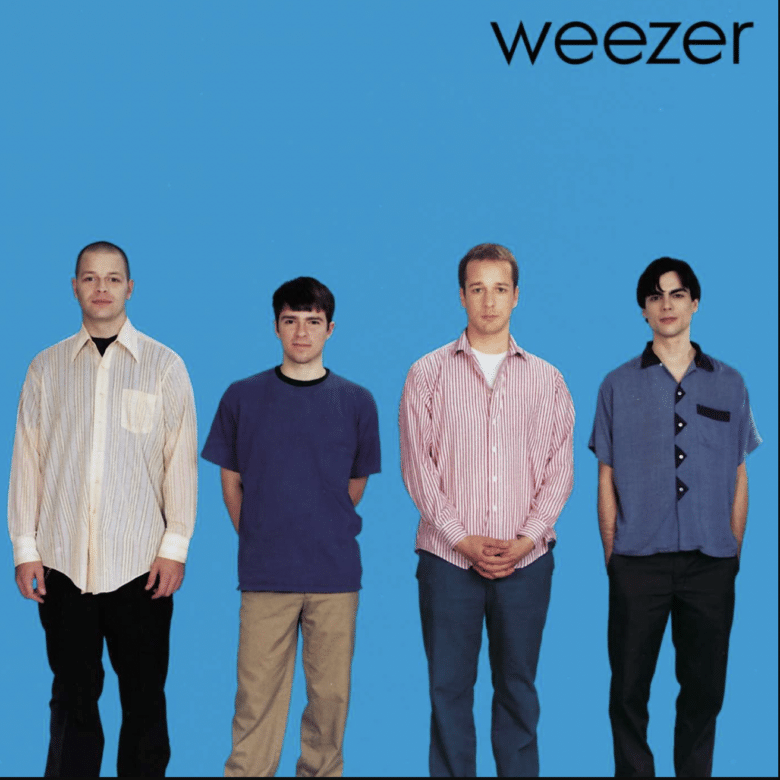
Weezer — Raditude (2009)
Weezer brought in Dr. Luke, Lil Wayne and Jermaine Dupri in a transparent attempt to get back on Top 40 radio. One decent opening track followed by a collapse once the outside collaborators took over. Rolling Stone identifies it as a cautionary tale about what happens when a band mistakes its audience’s nostalgia for a desire to hear something completely different.

Aerosmith — Draw the Line (1977)
Two strong songs. The rest is coke-fueled chaos. Rolling Stone’s Billy Altman wrote it was chaotic to the point of malfunction. Aerosmith released worse records later. Draw the Line was the first time it was a genuine surprise that they were less than brilliant.
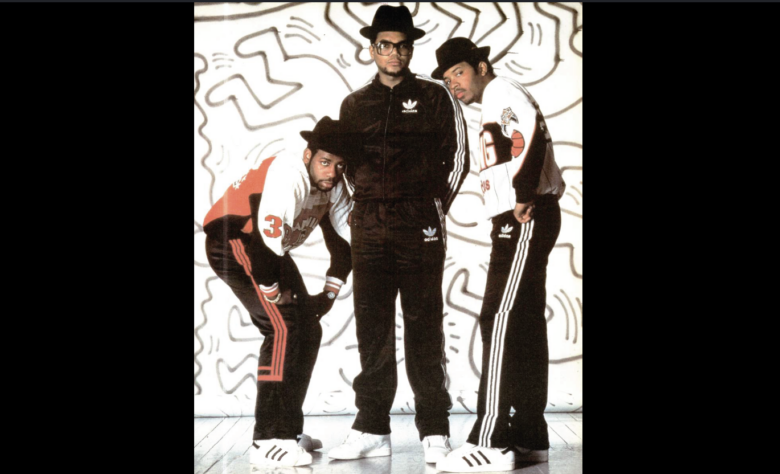
Run-D.M.C. — Crown Royal (2001)
A comeback record with guest spots from Fred Durst, Kid Rock and Everlast. D.M.C. publicly said he didn’t want to be part of it and barely appears on it. A remake of their 1985 single with Sugar Ray as a guest reduced a song demonstrating the band’s chemistry to something unrecognizable.

The Beach Boys — Still Cruisin’ (1989)
A collection of songs written for films, assembled into an album representing a band coasting on a name. Pet Sounds happened. This also happened. The distance between them is one of the larger gaps in American pop music history.

The Velvet Underground — Squeeze (1973)
No original members. A recording by Doug Yule under the band’s name after everyone else had left. Lou Reed, John Cale and Mo Tucker were not involved. The name was. That was the problem.

Elton John — Leather Jackets (1986)
The voice was in poor condition. The material was poor. The production was of its mid-1980s moment in ways that have not aged well. Elton John recovered. The album did not require him to.

R.E.M. — Collapse Into Now (2011)
The band’s final album before they broke up. By most accounts, a dignified if unsurprising exit. After Automatic for the People, the descent was gradual rather than sudden. Collapse Into Now isn’t the worst thing R.E.M. released in their final decade. It is just the last thing, which gave it a weight it might not otherwise have carried.

The bottom line
Nine of these ten cases involve a band making a choice that felt wrong — too democratic, too commercial, too willing to collaborate with people who didn’t understand what made the band worth collaborating with. The tenth just ran out of time. Whether a bad final album changes how you hear the earlier work is something each listener must decide for themselves.
Ask us! What questions do you have about content, strategy, pop culture, lifestyle, wellness, history or more? We may use your question in an upcoming article!
Related:
- 12 iconic rock songs that wouldn’t fly today
- The most controversial songs of the ’60s: Do you agree?
Like MediaFeed’s content? Be sure to follow us.
This article was syndicated by MediaFeed.co.