Only people who grew up in the ’70s can name all 12 of these household objects
There is a specific category of object that existed in American homes during the 1970s and has no modern equivalent, mostly because the technology that replaced it looks completely different and goes by a different name.
These twelve things were in nearly every home. If you grew up in that decade, you didn’t think about them. You just used them.
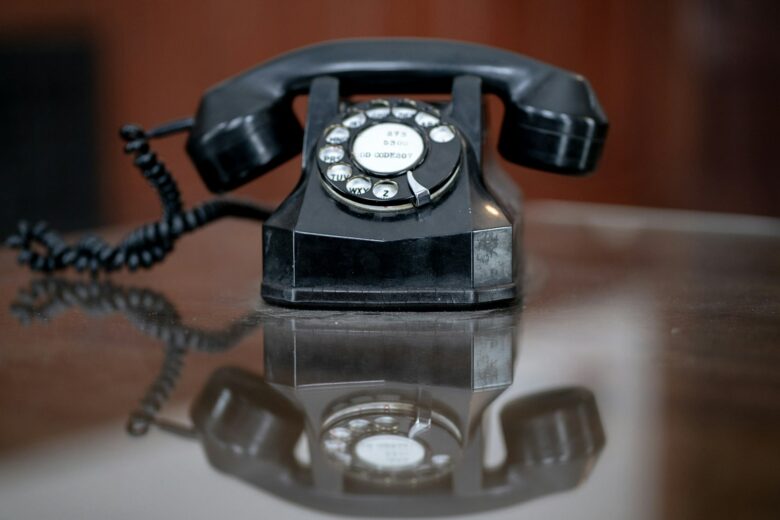
Rotary phone
You dialed by putting your finger in a hole and rotating a disc. If you hit the wrong number, you started over. The experience of hitting 9 and waiting for the full rotation before dialing the next digit produced a specific kind of patience that subsequent generations did not develop. Rotary phones now sell for over $100 on eBay. Most people under 40 cannot operate one.
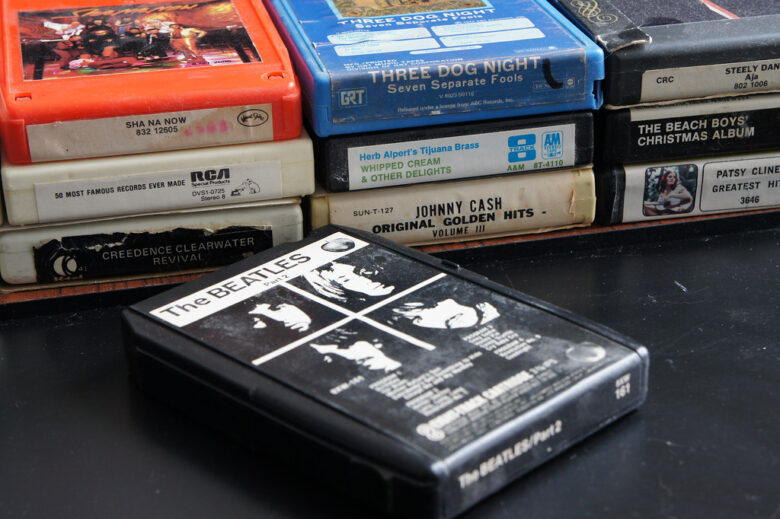
8-track player
The cassette tape made it obsolete by the late 1970s. The 8-track’s specific flaw (the audible click when the tape changed tracks, sometimes mid-song) was a limitation users simply accepted. 8-track players now sell as collectibles. The click is considered charming in retrospect.
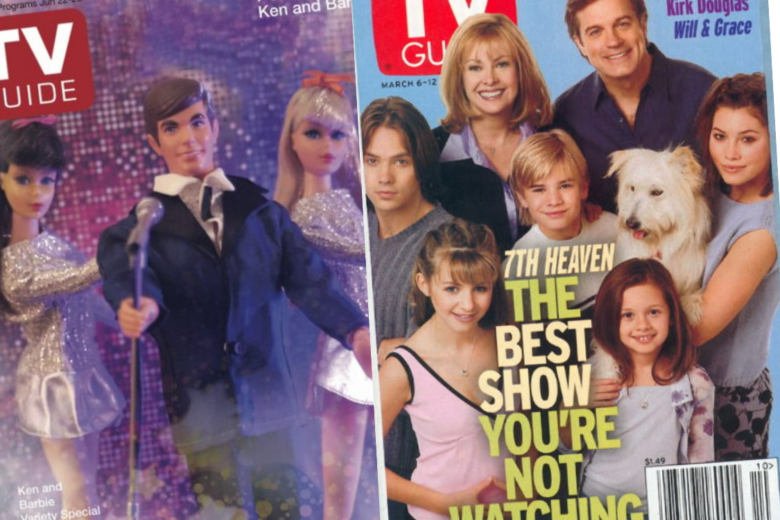
TV Guide
A small magazine that told you what was on television and when. Missing a show because you didn’t check it first was genuinely consequential in a way that is difficult to explain to anyone who grew up with streaming. TV Guide consistently surfaces as the object that triggers the strongest responses from ’70s-era readers.
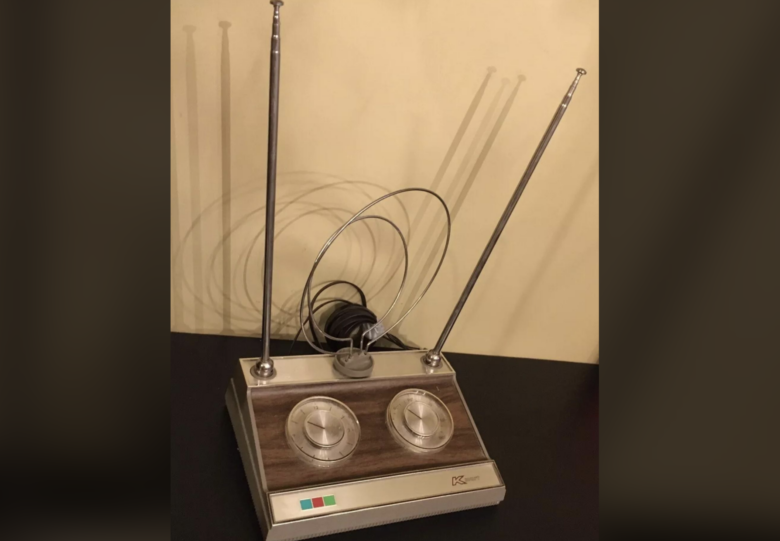
Rabbit ears
The antenna that sat atop the television and required manual adjustment for each channel. One person held the antenna at a precise angle while another watched the screen and reported on the picture quality. It was a two-person job that ended in compromise. Every household had a specific configuration of aluminum foil and antenna position that worked for their particular location.
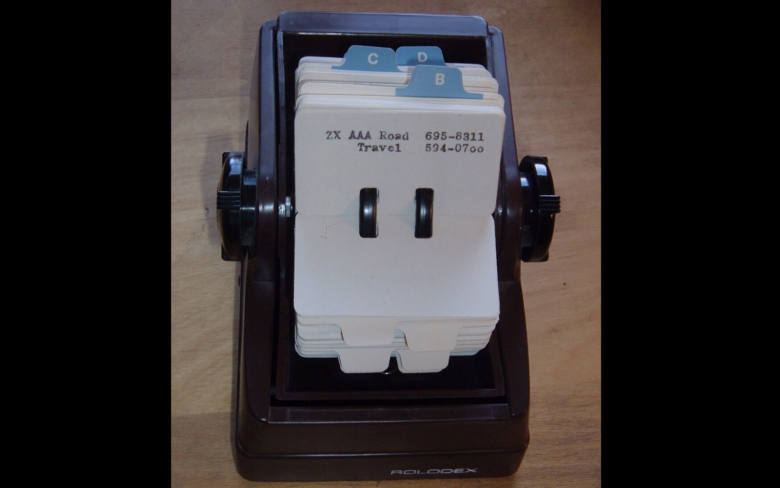
The Rolodex
A rotating card file for storing phone numbers. Each card could be removed, updated and replaced. The contact information in a well-maintained Rolodex represented years of accumulated relationships, physically present on a desk. When the person who maintained it left a job, it sometimes went with them.
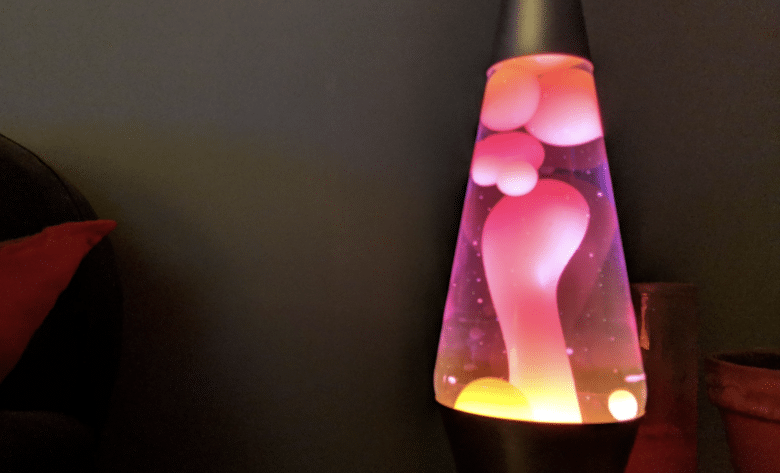
Lava lamp
Blobs of colored wax floating in illuminated liquid. No practical purpose. Present in approximately every teenage bedroom and dorm room in the 1970s. Still manufactured today, which is either a testament to their design or evidence that nostalgia outlasts usefulness.

Typewriter
The machine that produced text before word processors. Correction fluid — Wite-Out — existed because typewriter errors could not be deleted, only covered over. A typed document was a committed document. Typewriters sell for $60 to $600 on eBay depending on model and condition.
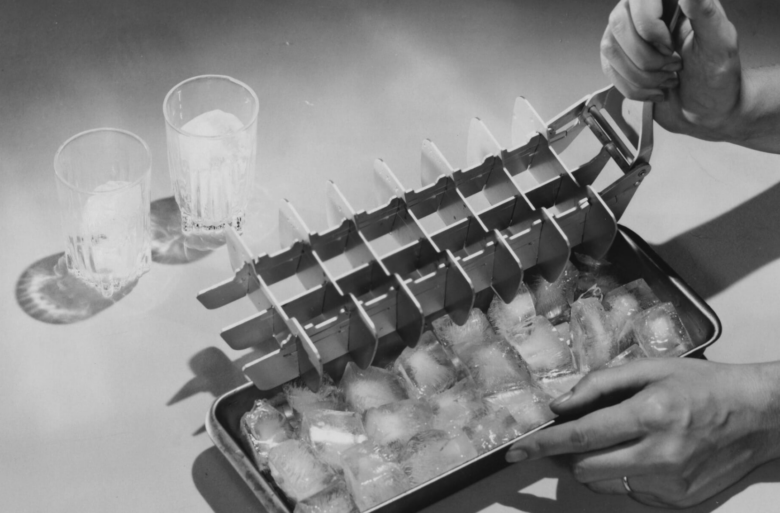
The ice cube tray
Two rows of small rectangular chambers filled with water and placed in the freezer. To release the ice, you twisted the tray with both hands. The motion required some force and produced a satisfying crack. Twisting it was a household task children were considered old enough to perform around age seven.
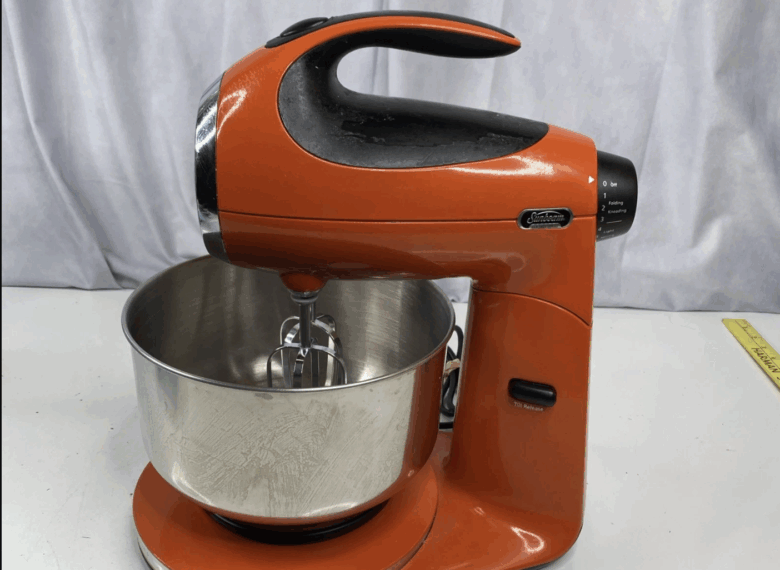
The Sunbeam Mixmaster
The stand mixer of the 1970s. Heavy, loud, built to last decades. A Sunbeam Mixmaster from the 1970s sold at auction recently for several hundred dollars. It almost certainly still works. The brand is a symbol of an era when appliances were made to outlast the people who bought them.
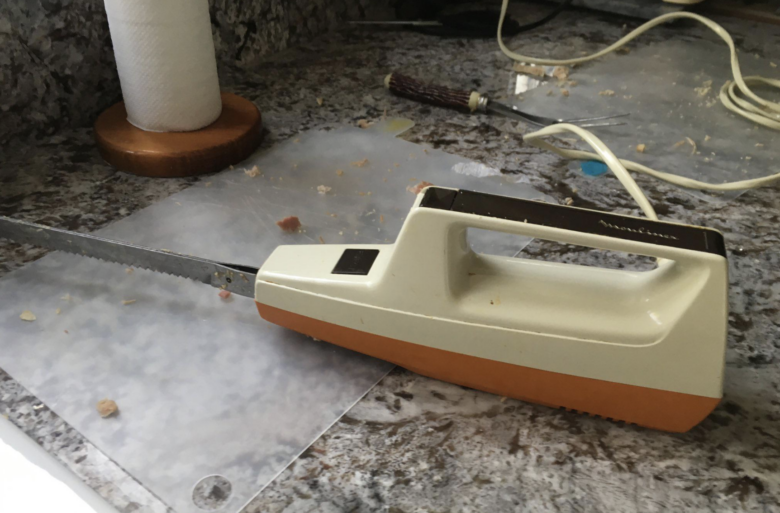
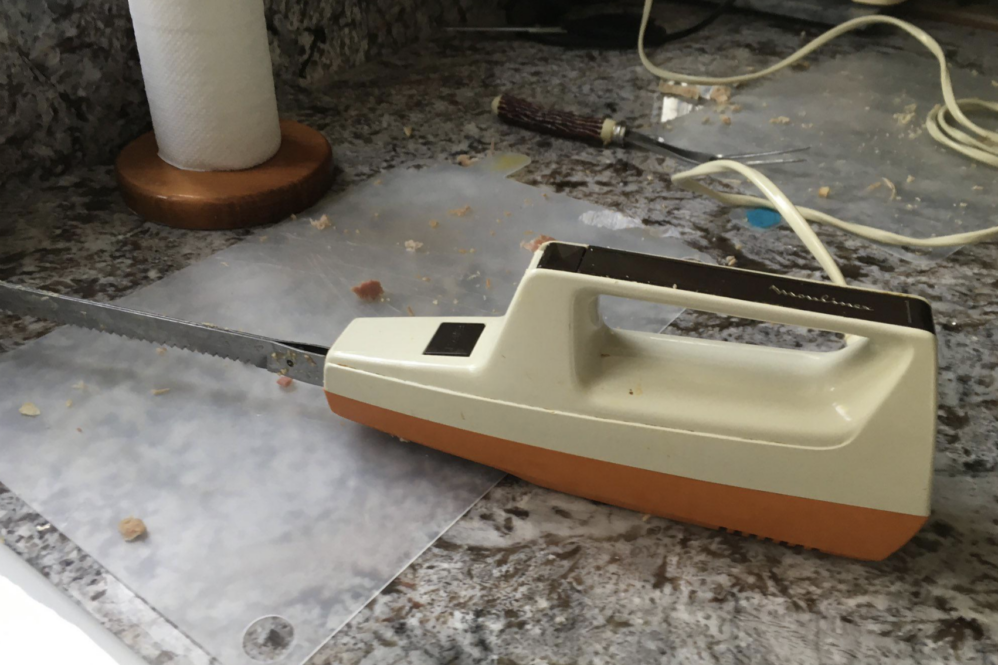
The electric knife
A knife with a small motor that vibrated the blade, designed for carving roasts and turkey. Standard equipment at holiday meals. The blade attachments clicked in, the switch was flipped, and the person carving acquired a brief authority over the table.

The phone book
Delivered annually. Contained every listed telephone number in the local area. Looking someone up was the primary method of finding a stranger’s contact information. The phone book assumed that most people wanted to be findable by anyone who knew their name.
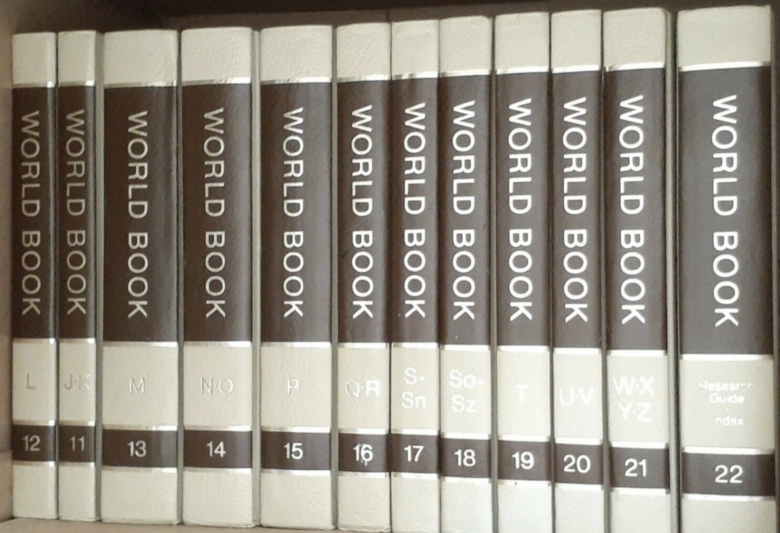
The encyclopedia set
Twenty-four volumes, often sold door-to-door, positioned on a dedicated shelf. A significant purchase and a visible signal of educational commitment. The information in them was already partly outdated on the day they were printed. This was understood and accepted.
The bottom line
Every item on this list performed a function that still needs to be performed. The objects are gone. What replaced them is smaller, faster and completely different in shape. The things on this list had weight, took up space and required a specific physical interaction. That is what people miss about them.
Ask us! What questions do you have about content, strategy, pop culture, lifestyle, wellness, history or more? We may use your question in an upcoming article!
Related:
- 8 everyday objects from the ’80s that would confuse a Gen Z teen today
- 10 things everyone collected in the 1980s
Like MediaFeed’s content? Be sure to follow us.
This article was syndicated by MediaFeed.co.