10 Signs a Rescue Pet Is Beginning to Trust You
Trust rarely arrives all at once for a rescue pet. It may show up in inches: a body that no longer tenses when you enter the room, a nap taken a little closer to you, or the first time they ask for affection instead of simply accepting it.
Every animal has a different history, temperament, and timeline. But for many rescue pets, these small changes can be signs that fear is slowly making room for something new. Here are 10 beautiful ways a rescue pet may begin to show that they feel safe with you.

10. They Stop Watching Your Every Move
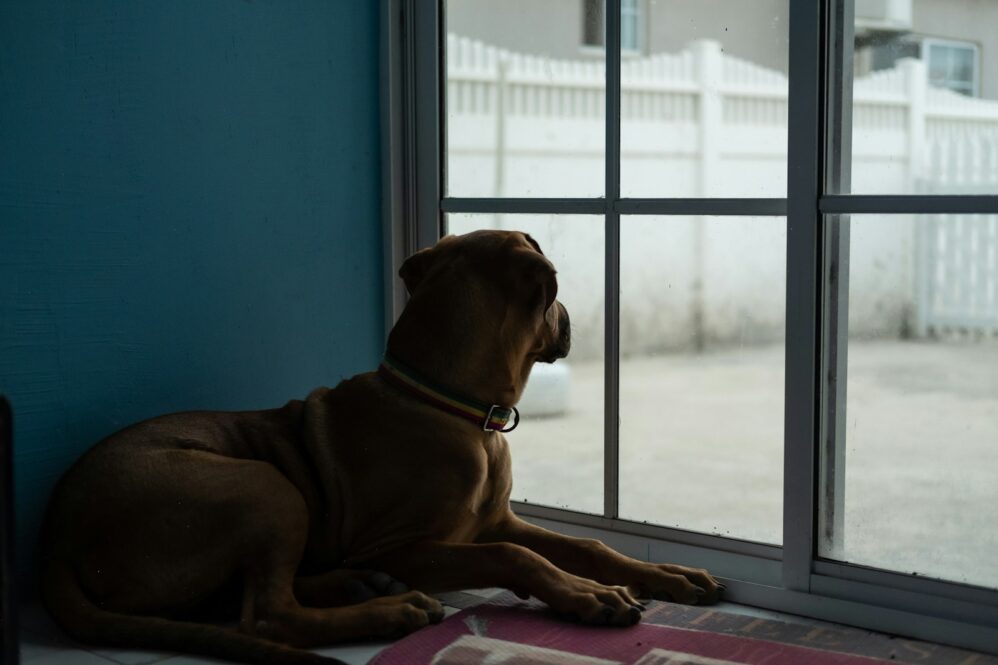
A frightened pet may initially track everything you do.
They watch when you stand up, follow your hands, and remain alert to every sound. When they begin looking away, resting their head, or continuing what they were doing as you move around, it can mean they no longer feel responsible for monitoring you.
9. They Eat While You’re Nearby
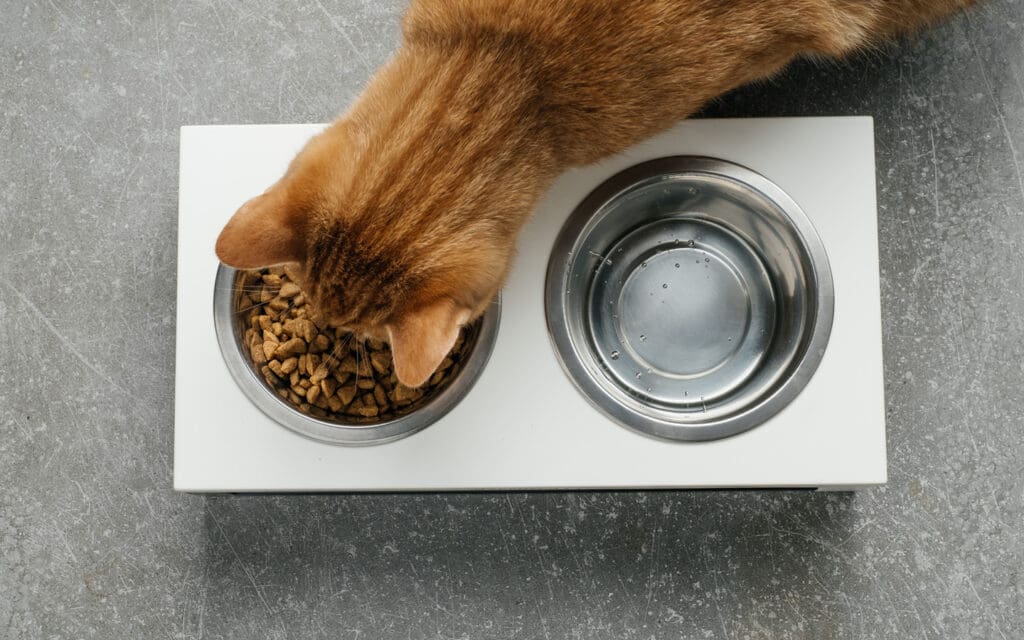
Eating can make an animal feel vulnerable.
Some newly adopted pets wait until the room is empty before approaching their food. The first time they comfortably eat while you sit nearby may seem ordinary, but it can be a meaningful sign that your presence no longer feels like a threat.

8. They Sleep More Deeply
A pet who doesn’t feel safe may sleep lightly, wake often, or choose hidden places to rest.
As trust grows, you may notice deeper sleep, more relaxed positions, or a willingness to nap in the middle of everyday household activity. Feeling safe enough to truly rest is a quiet milestone.

7. They Choose to Stay in the Same Room
At first, a rescue pet may keep as much distance as possible.
Then one day, you realize they are no longer hiding every time you enter. They may not be ready to sit beside you yet, but choosing to share your space can be the beginning of companionship.

6. They Start Showing Their Personality
Fear can hide an animal’s true personality.
As a pet becomes more comfortable, they may begin playing, making funny noises, asking for things, or revealing strong opinions about where you sit. The animal you first brought home may slowly become someone entirely new.
5. They Approach You on Their Own
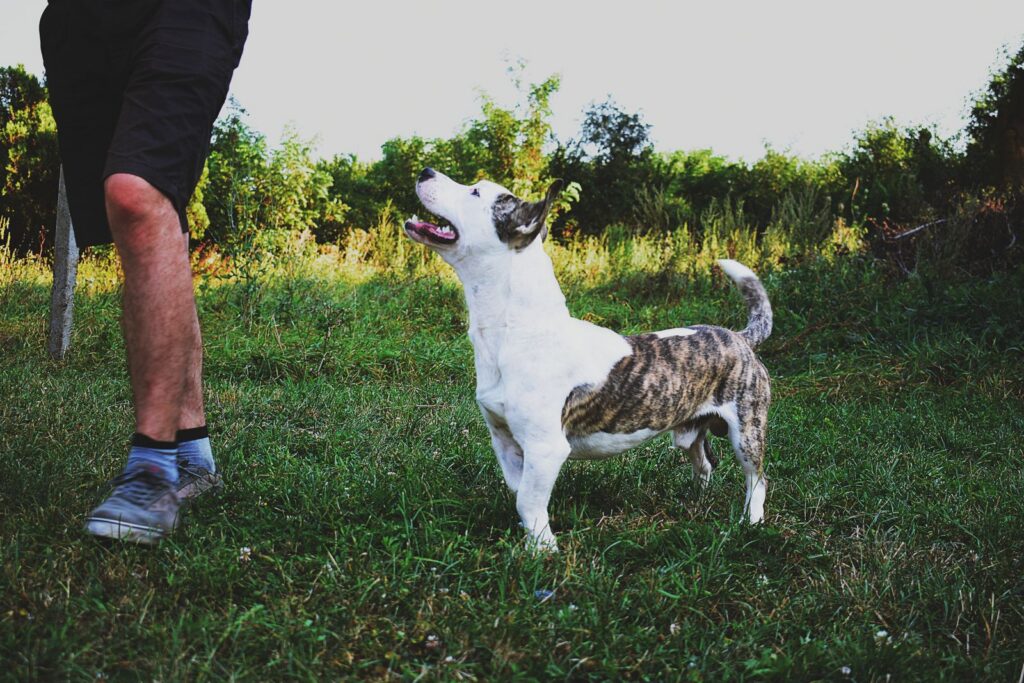
There is a big emotional difference between tolerating closeness and choosing it.
The first voluntary approach may be cautious: one step closer, a quick sniff, or a brief touch before retreating. But the decision to close the distance themselves can be one of the clearest signs that trust is growing.
4. They Begin Asking for Affection
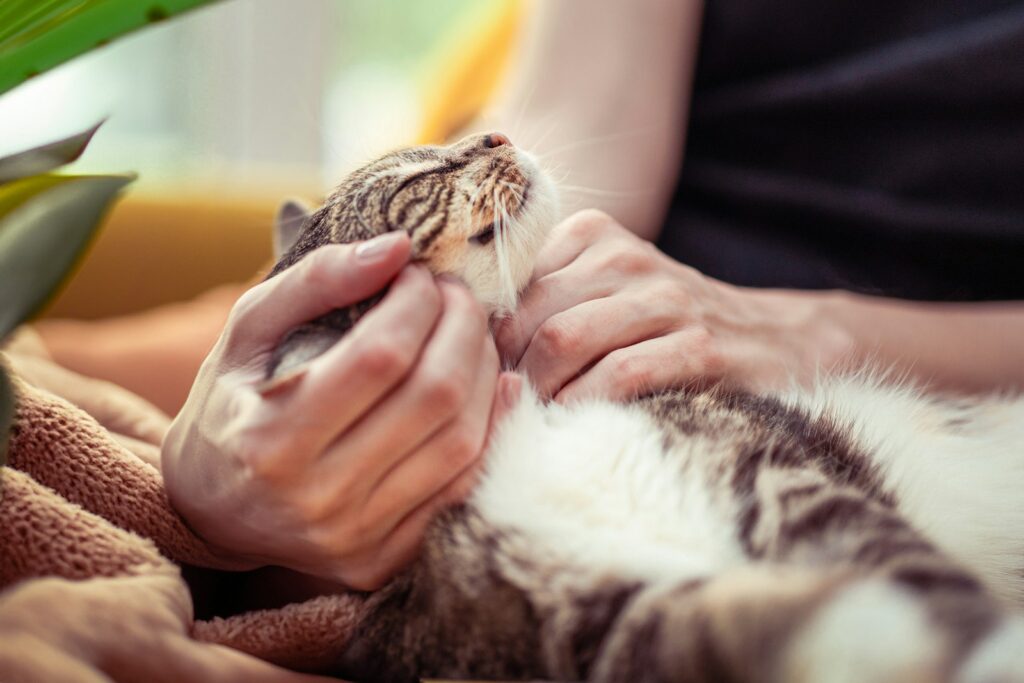
Eventually, some rescue pets may stop waiting for affection and start requesting it.
A nose nudges your hand. A paw reaches toward you. A head appears beneath your fingers. These small demands can feel enormous when they come from an animal who once tried not to be noticed.
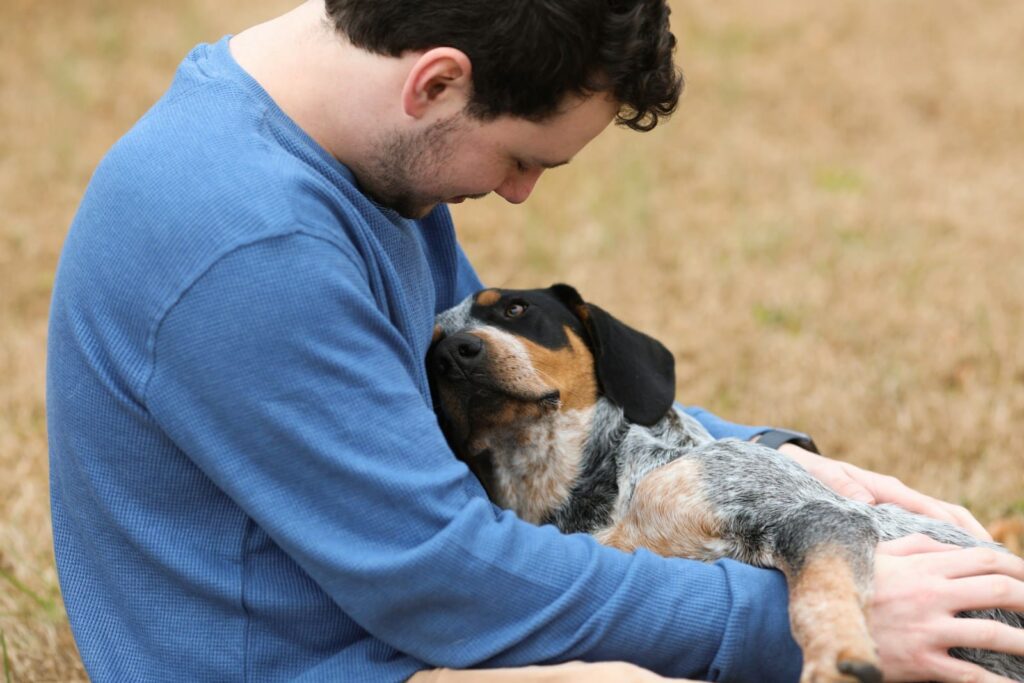
3. They Recover From Fright More Quickly
Trust doesn’t mean a pet will never feel afraid again.
The change may be in what happens afterward. A loud noise or unfamiliar visitor may still startle them, but instead of hiding for hours, they recover more quickly and return to the people and places that now feel safe.
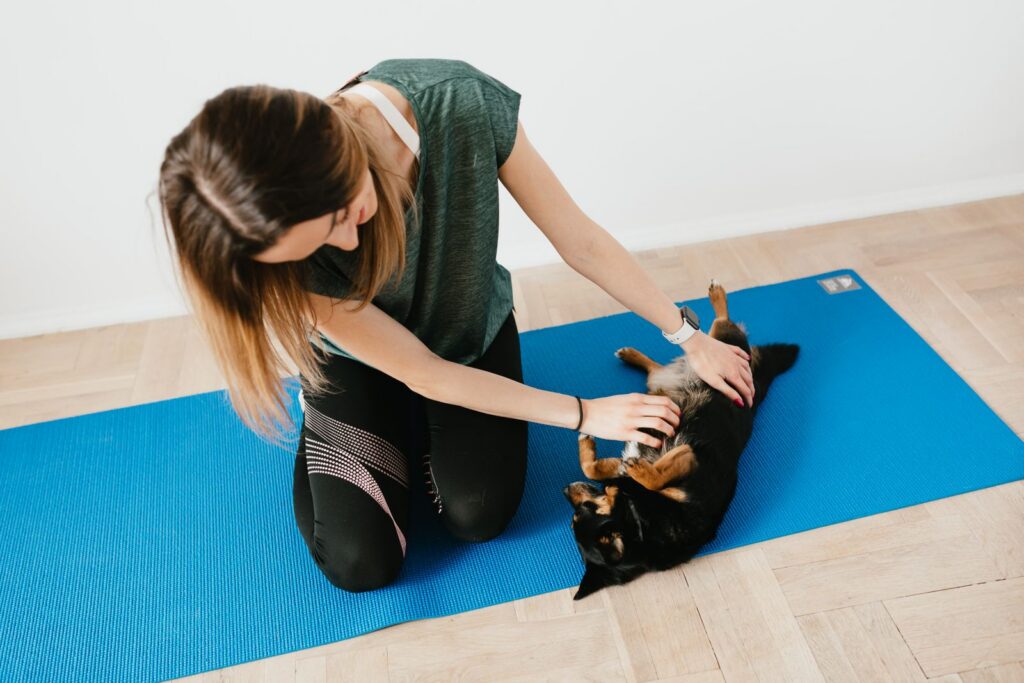
2. They Let Themselves Be Vulnerable Around You
A deeply relaxed animal may stretch out, expose their belly, turn their back, or sleep in a position that would make a quick escape difficult.
These behaviors don’t always mean “please pet me,” but they can show something just as meaningful: your pet no longer feels they must be ready to protect themselves every second.
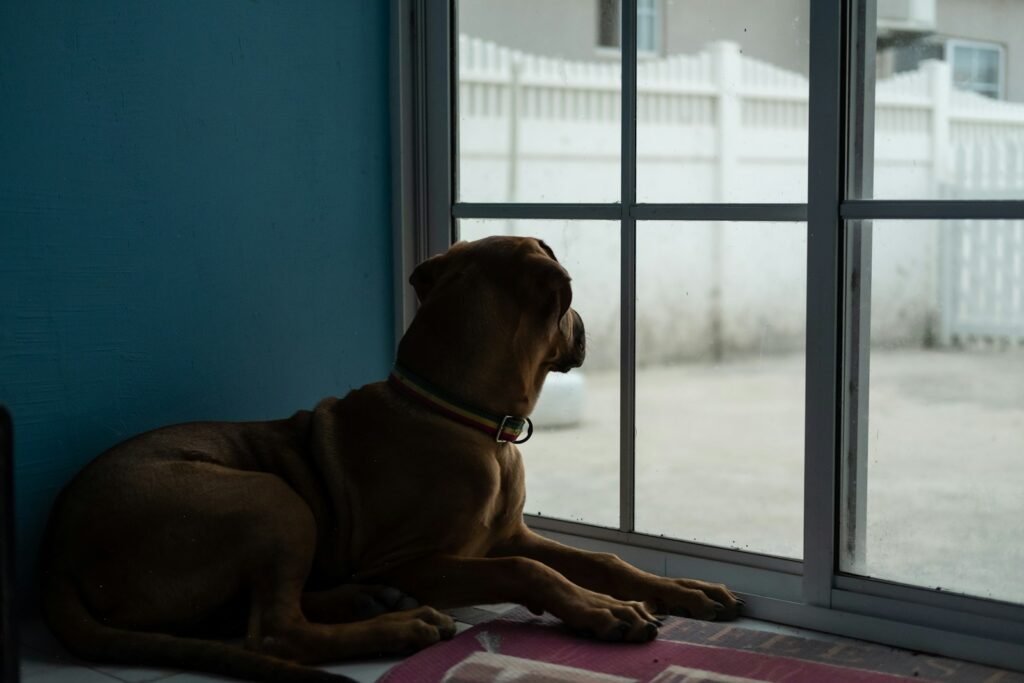
1. They Start Looking for You
One day, the animal who once avoided you may begin noticing when you’re gone.
They follow you into another room, wait near the door, or come looking when the house gets too quiet. It is a simple change, but perhaps the most beautiful one: you are no longer just a person they have learned not to fear. You have become someone they want to find.
Read More:
- 9 Places You Should Never Put Your Cat’s Litter Box, According to Vets
- 10 Beautiful Lessons We Learn From Aging Pets
- 10 Beautiful Facts About the Minds and Hearts of Horses
Ask us! What questions do you have about content, strategy, pop culture, lifestyle, wellness, history or more? We may use your question in an upcoming article!
Like MediaFeed’s content? Be sure to follow us.
This article originally appeared on Resourcebuzz and was syndicated by MediaFeed.co.