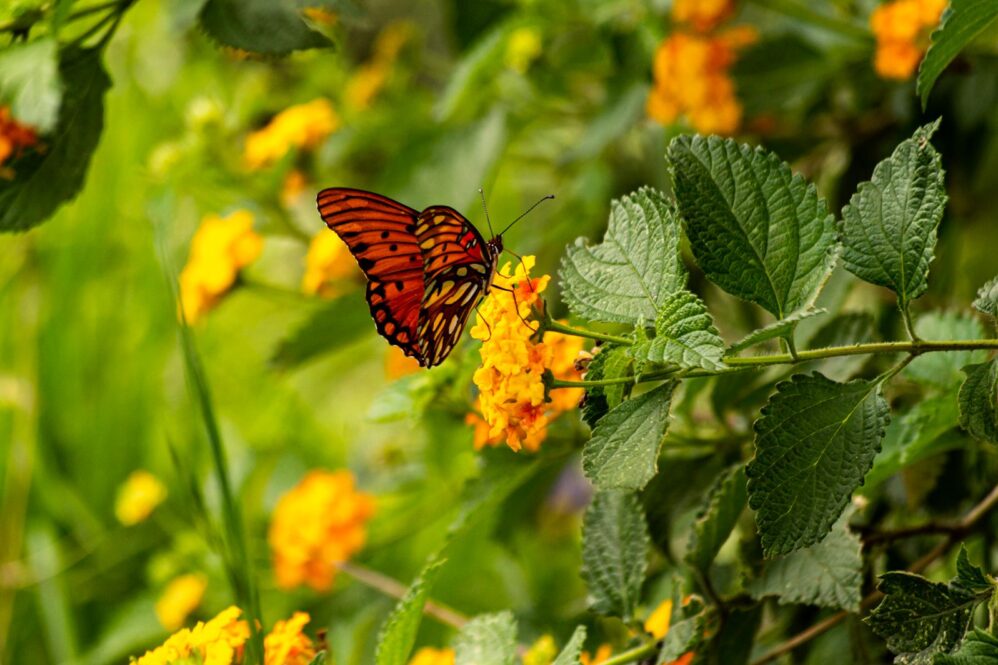
10 Tips to Make Your Garden More Pollinator-Friendly
Pollinators like bees, butterflies, and hummingbirds are essential for a thriving ecosystem, yet they face declining habitats across North America. Fortunately, gardeners can play a crucial role in supporting these creatures by creating pollinator-friendly environments. Mary Phillips, a leading expert from the National Wildlife Federation, offers valuable insights into making gardens more welcoming for pollinators.
By avoiding common gardening mistakes and implementing strategic changes, you can ensure your garden supports pollinators throughout the growing season. Here are 10 tips to make your garden a haven for pollinators:
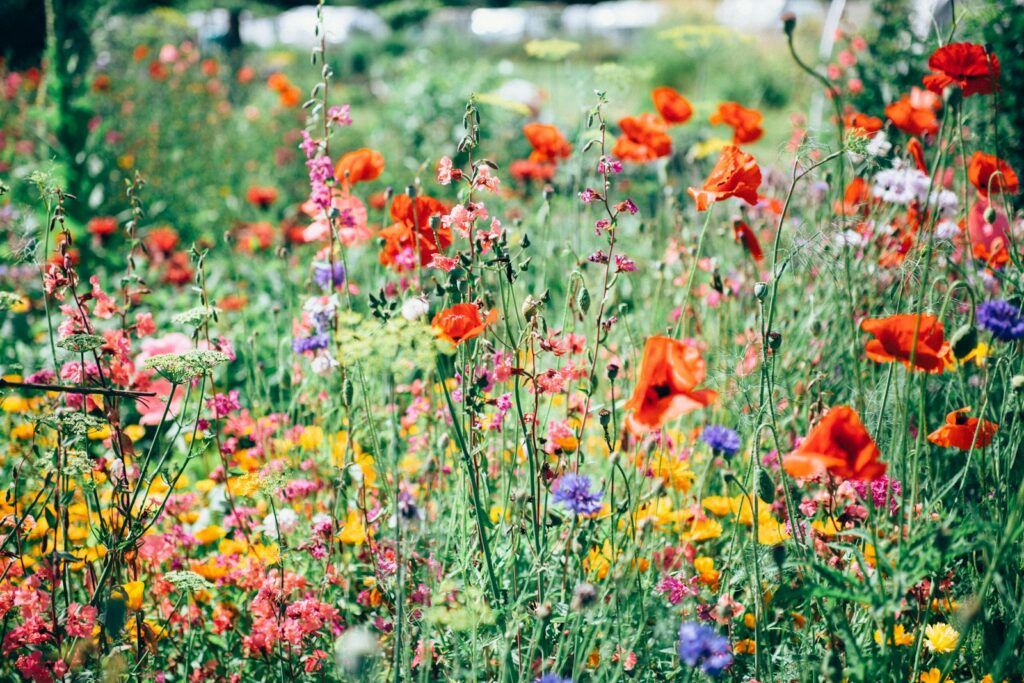
10. Prioritize Native Plants
Native plants are a cornerstone of any pollinator-friendly garden.
These plants have evolved alongside local pollinators, forming essential relationships that provide food and shelter. Aim for a garden with at least 70% native plants to maximize habitat benefits.
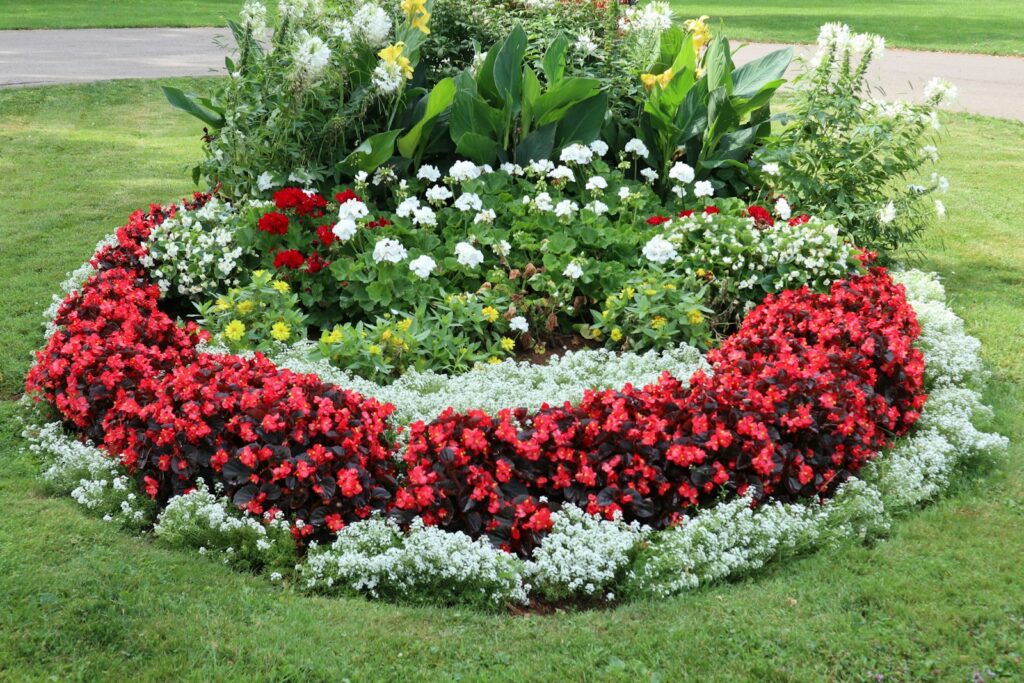
9. Stagger Blooming Times
Ensure your garden offers food throughout the growing season by choosing plants with staggered bloom cycles.
This strategy supports pollinators from early spring to late fall, providing crucial resources for bees emerging in spring and migratory butterflies in autumn.
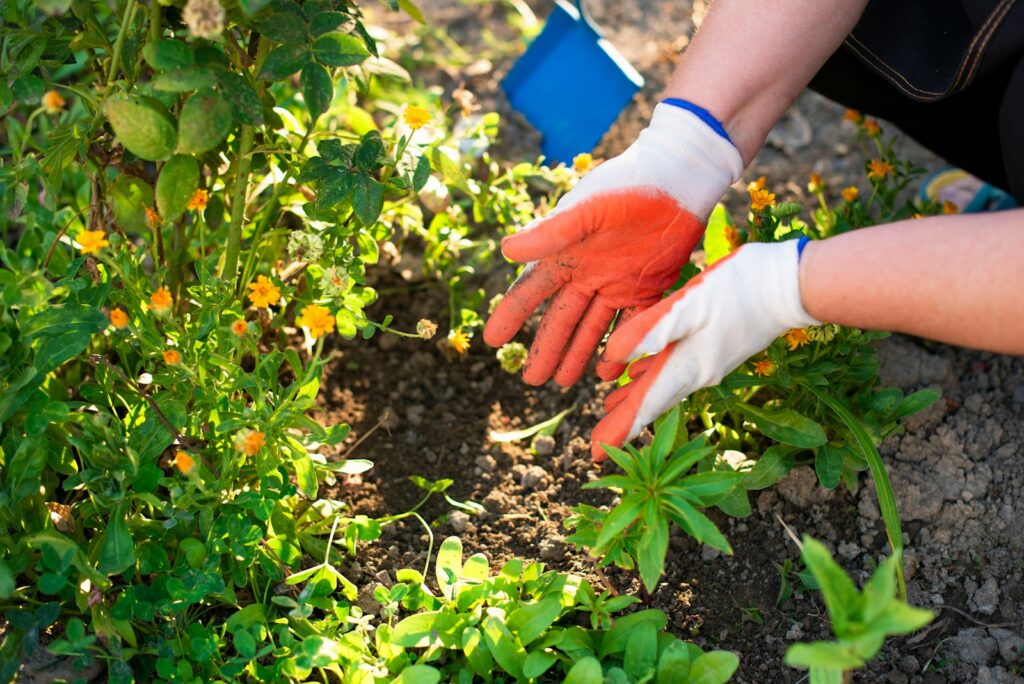
8. Avoid Pesticides
Pesticides can be harmful to pollinators and may contribute to serious health issues or death.
Instead of relying on chemicals, foster a healthy, diverse landscape that naturally controls pests and supports pollinator health.
7. Diversify Flower Types
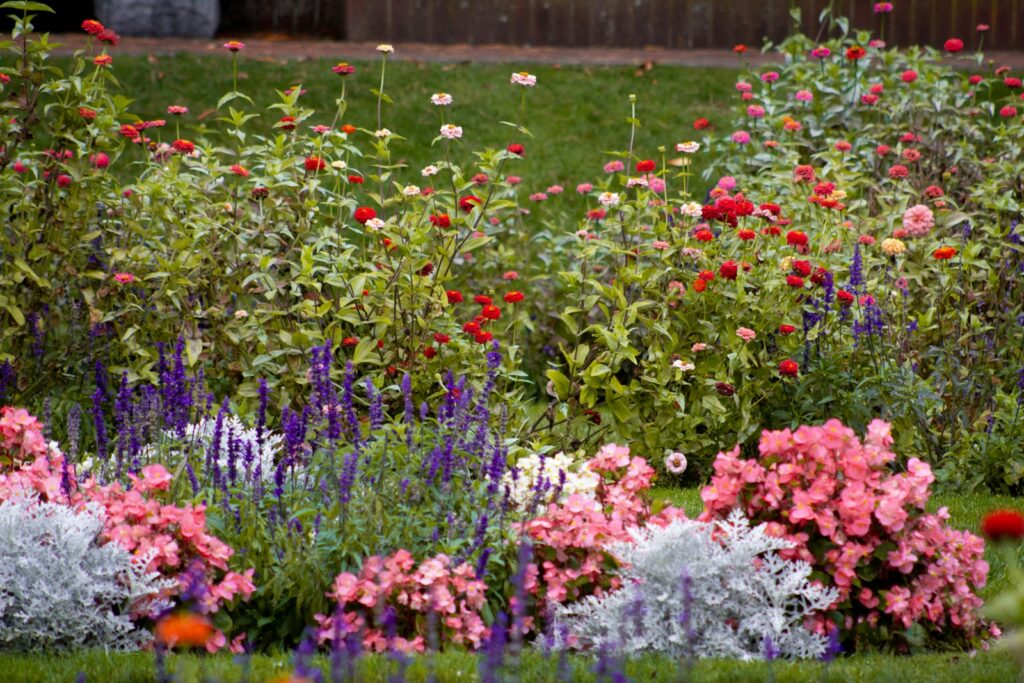
Different pollinators are attracted to different flower types based on their feeding adaptations.
Planting a variety of flower shapes and sizes ensures that your garden can support a wide range of pollinator species.
6. Include Host Plants
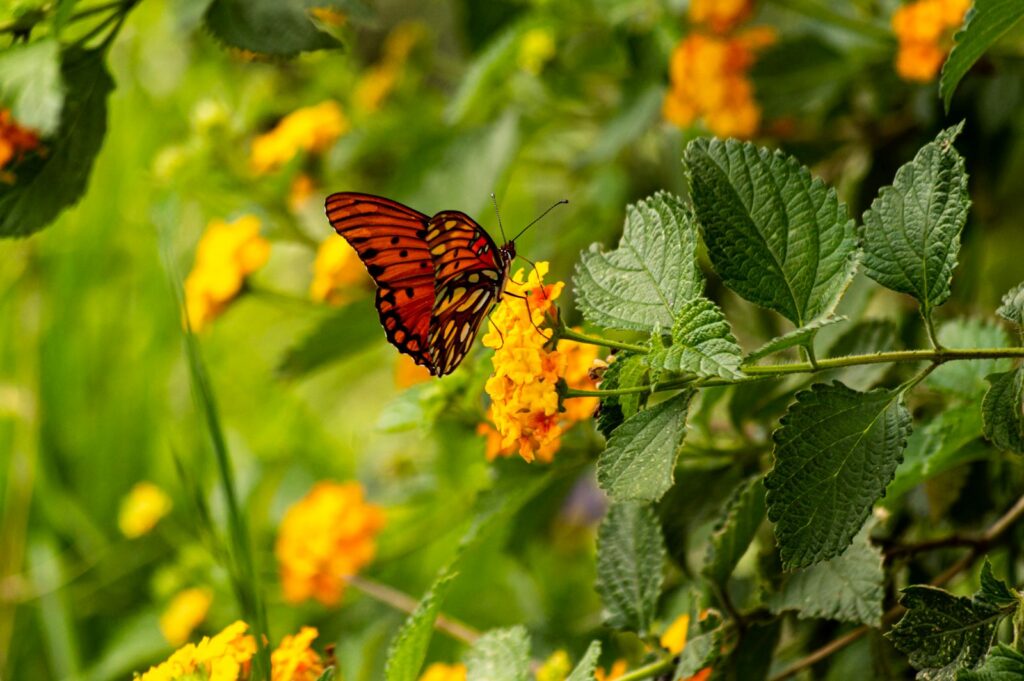
Host plants are crucial for the life cycle of butterflies and moths, providing a place for larvae to grow.
Incorporate these plants into your garden to support the next generation of pollinators, ensuring they have a reliable habitat year after year.
5. Embrace a Little Mess
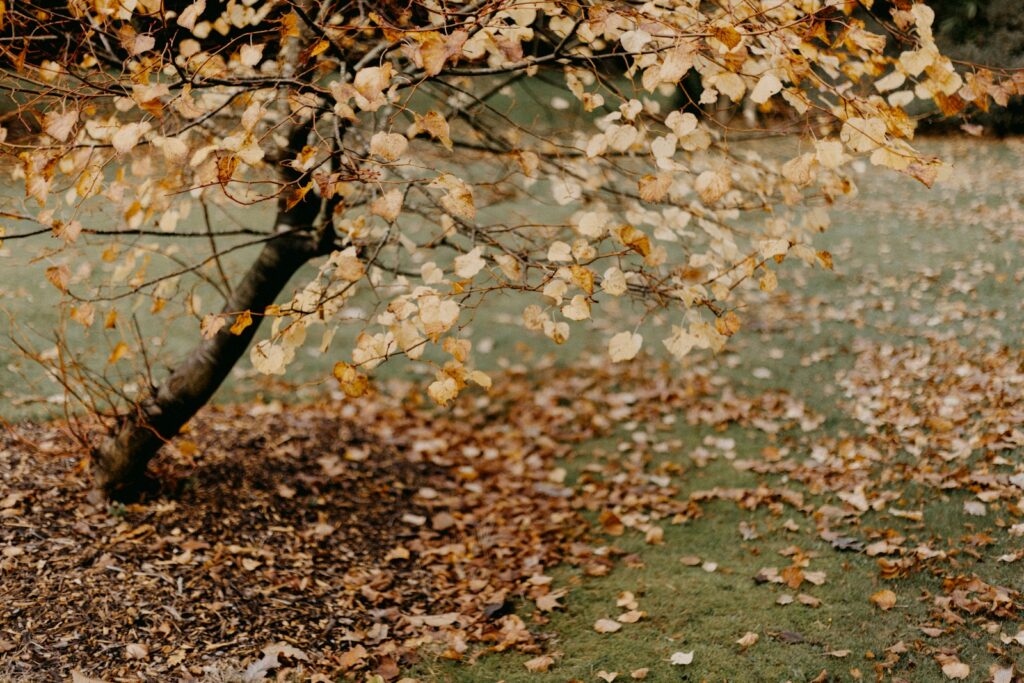
Pollinators thrive in less manicured environments where they can find shelter and nesting sites.
Leave some plant debris, bare soil, and fallen leaves to provide overwintering sites and nesting opportunities for some pollinator species.
4. Provide Water Sources
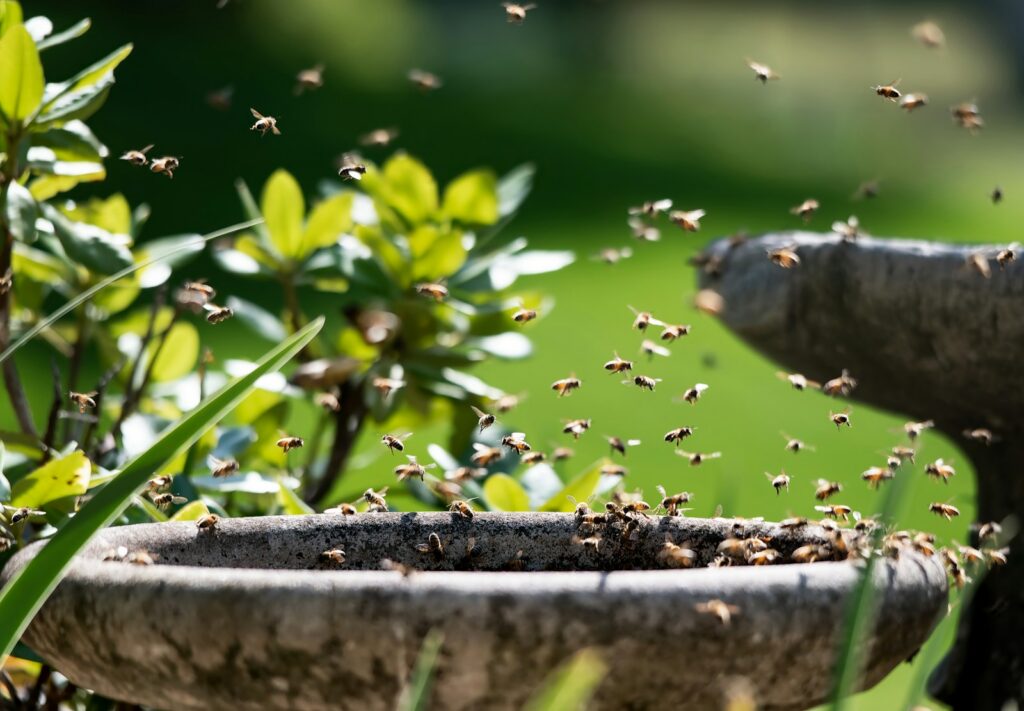
Water is a critical yet often overlooked element for pollinator habitats.
Include shallow water sources in your garden, such as birdbaths with stones or small ponds with landing spots, to help pollinators access hydration.
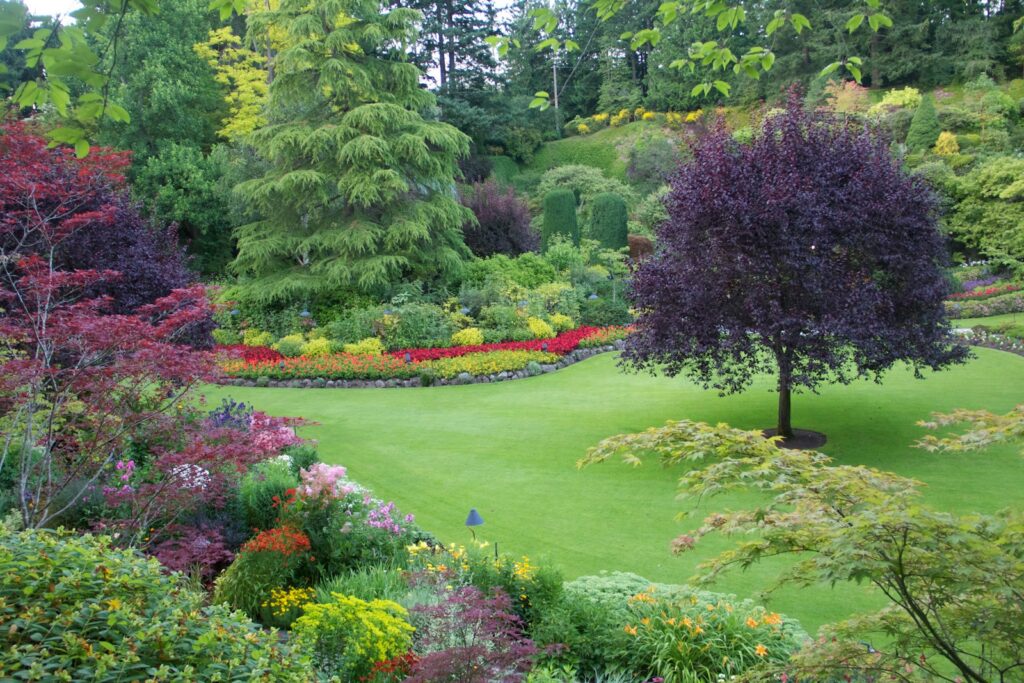
3. Create Habitat Layers
Layered planting mimics natural environments, providing diverse habitats for pollinators.
Incorporate trees, shrubs, and ground covers to create vertical diversity, offering shelter and feeding opportunities at various heights.
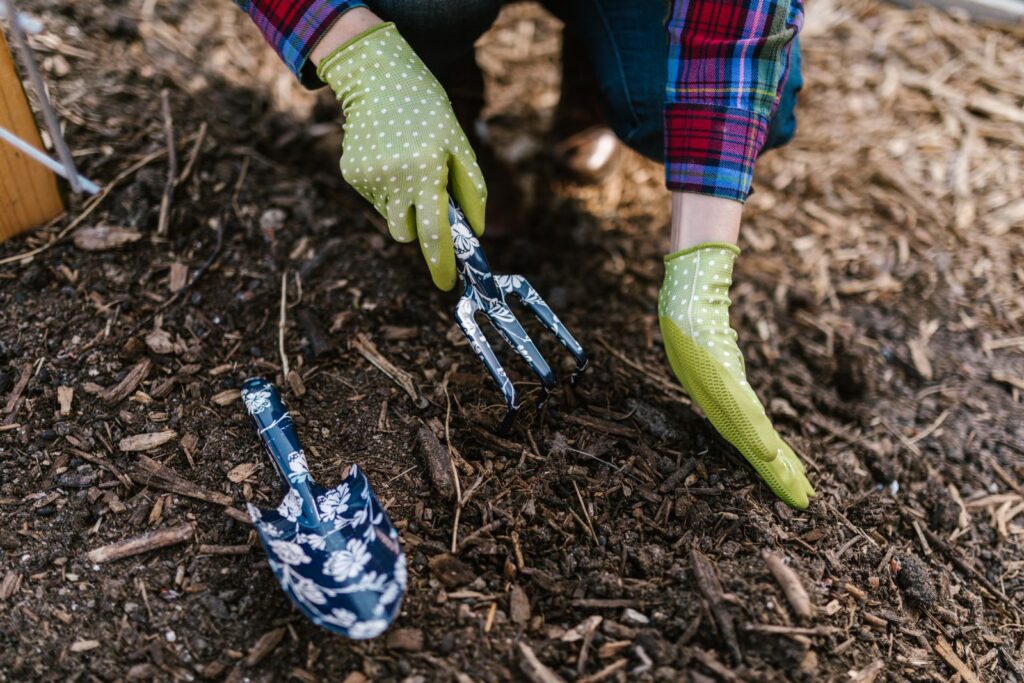
2. Use Natural Mulches
Natural mulches like leaf litter and wood chips can support soil health and provide habitat for ground-nesting pollinators.
Avoid synthetic mulches that can disrupt the ecosystem and instead opt for organic materials that enhance the garden’s ecological balance.
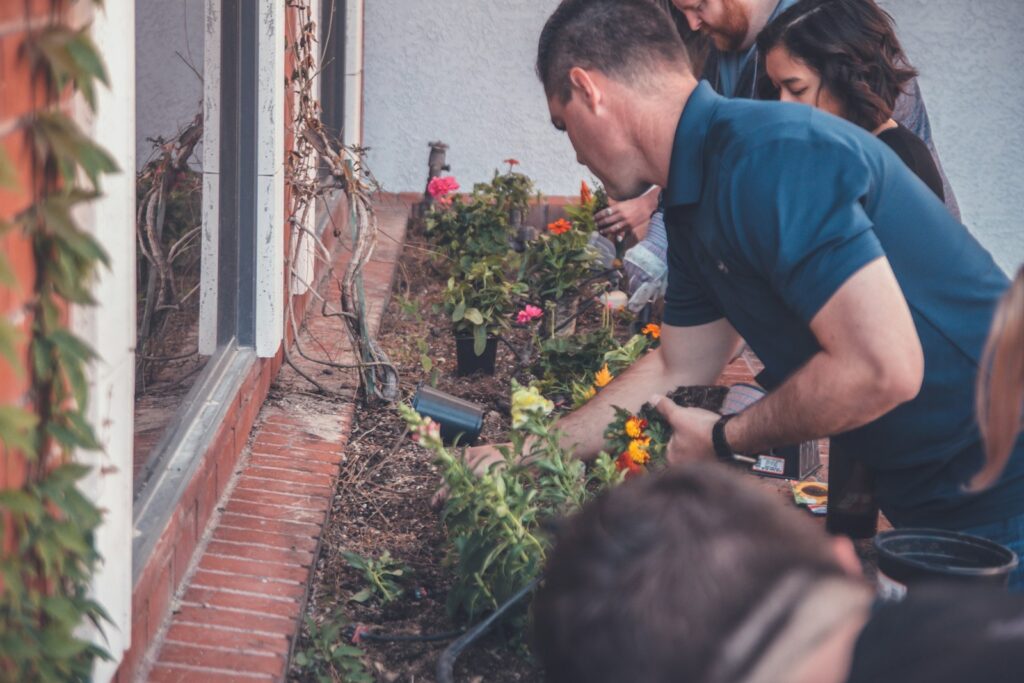
1. Educate and Involve Others
Spreading awareness about the importance of pollinators can lead to community-wide efforts to protect them.
Share your knowledge with neighbors and participate in local conservation projects to expand the impact of your pollinator-friendly practices.
Read More:
- 12 Antique Garden Treasures Designers Can’t Resist
- 12 Creative Ways to Transform Your Backyard Today
- 11 Creative Ways Parents Can ‘Just Add Water’ to Save the Day
Ask us! What questions do you have about content, strategy, pop culture, lifestyle, wellness, history or more? We may use your question in an upcoming article!
Like MediaFeed’s content? Be sure to follow us.
This article originally appeared on Resourcebuzz and was syndicated by MediaFeed.co.