
9 Visions and Emotions You Might Experience Just Before Dying
Near-death experiences (NDEs) have intrigued scientists and the general public alike, offering a glimpse into what might occur as we approach our final moments. While death is a universal certainty, the experiences reported by those who have come close to it reveal a spectrum of emotions and visions. These accounts provide a unique perspective on the dying process, highlighting both common themes and individual variations.
Research into NDEs has uncovered consistent patterns in brain activity and emotional responses. While some experiences are overwhelmingly positive, others can be distressing. The newly proposed dying-moment dream hypothesis suggests that our emotional history plays a significant role in shaping these experiences. Here are 9 things that people often report experiencing just before dying.
9. A Surge of Brain Activity
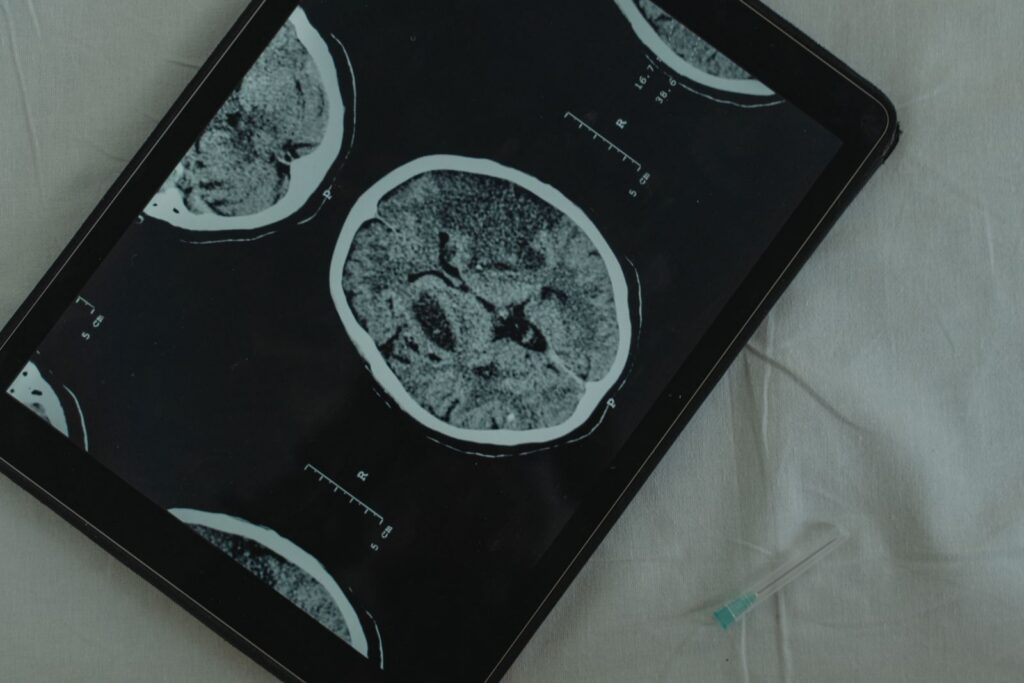
As death approaches, the brain doesn’t simply power down. Instead, it goes through a cascade of activity.
Studies of comatose patients have revealed that different brain areas activate in a sequence, potentially corresponding to the vivid experiences reported in NDEs. This surge is thought to be linked to the brain’s final attempts to process information.

8. Feelings of Peace
One of the most commonly reported emotions during NDEs is an overwhelming sense of peace.
Research shows that many people feel a profound calmness, often described as a release from earthly worries. This peacefulness is often accompanied by a sense of love and understanding.

7. Encountering a Bright Light
Many NDE survivors report moving toward a bright light, often perceived as a welcoming presence.
This light is sometimes interpreted as a being of light in Western cultures, while in other cultures, it might be seen as an inanimate object. The interpretation can vary based on cultural and religious backgrounds.

6. Meeting with Loved Ones
Another common element of NDEs is the sensation of reuniting with deceased loved ones.
These encounters are often described as joyful and comforting, providing a sense of connection and closure. Such visions may be influenced by the individual’s emotional history and attachments.

5. A Life Review
Some individuals report experiencing a rapid review of their life during an NDE.
This phenomenon, often described as seeing one’s life flash before their eyes, may be linked to the brain’s memory retrieval processes. It offers a chance to reflect on past experiences and emotions.

4. Altered Sense of Time
An altered perception of time is frequently reported during NDEs, where time may seem to slow down or speed up.
This change in time perception can contribute to the dream-like quality of the experience, possibly resulting from the brain’s altered processing during these critical moments.

3. A Dark Place
While many NDEs are positive, some individuals report entering a dark or void-like space.
This experience can be unsettling and is more commonly reported by those with unresolved emotional issues or trauma. It underscores the influence of personal history on the nature of NDEs.

2. Clear Thinking
Many people report experiencing a heightened sense of clarity and understanding during an NDE.
This clarity can manifest as a sudden comprehension of life’s mysteries or a deep insight into personal relationships, contributing to the overall peacefulness of the experience.

1. The Dying-Moment Dream Hypothesis
The dying-moment dream hypothesis suggests that NDEs are akin to a dream state created by the brain.
This theory posits that as the brain is deprived of oxygen, it produces dream-like visions influenced by one’s emotional past. While intriguing, this hypothesis remains speculative and awaits further scientific validation.
Read More:
- The Rise of Nervous System Regulation: What You Need to Know
- Sound Baths, Breathwork, and the New Wave of Somatic Healing
- 10 Reasons People Get Anxious About Phone Calls
Ask us! What questions do you have about content, strategy, pop culture, lifestyle, wellness, history or more? We may use your question in an upcoming article!
Like MediaFeed’s content? Be sure to follow us.
This article originally appeared on Resourcebuzz and was syndicated by MediaFeed.co.