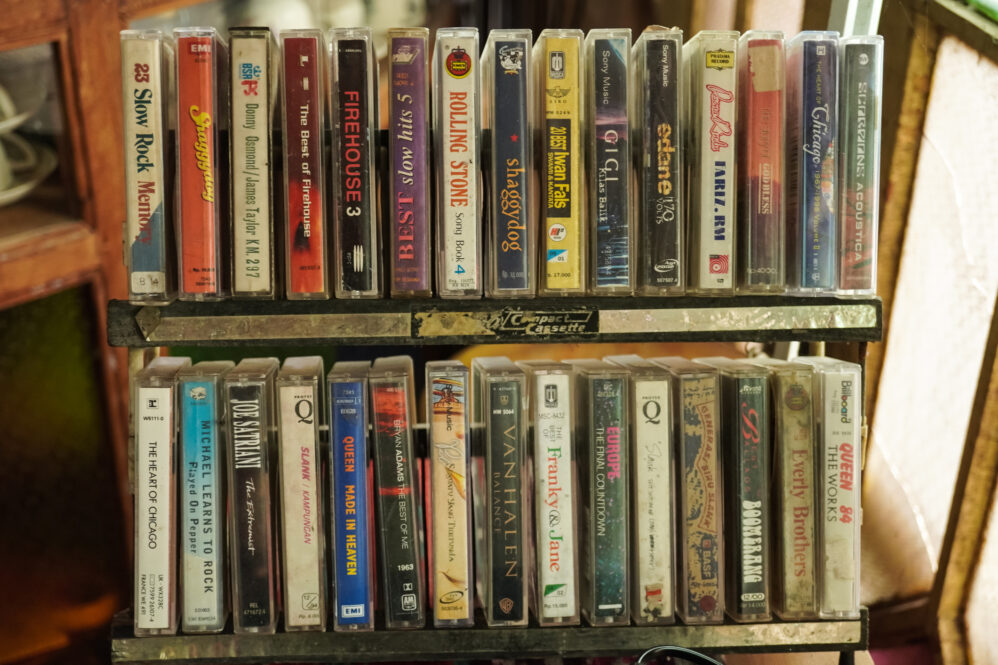
10 common ’80s household items that have vanished from modern living rooms
What actually happened in the American living room between 1985 and now is not just an upgrade cycle. It is a wholesale renegotiation of what a living room is for, what objects belong in it, and what it says about the people who live there. Some of what disappeared was inferior. Some of it was deeply, specifically good and has not been adequately replaced.

The VCR
The Motion Picture Association of America once compared the VCR to the Boston Strangler. Mental Floss documents Mr. Rogers testifying before the Supreme Court in its defense and the court siding with him. As of 2014, roughly 60% of Americans still had one in the house, which suggests the VCR did not leave quickly or quietly.
The TV Guide
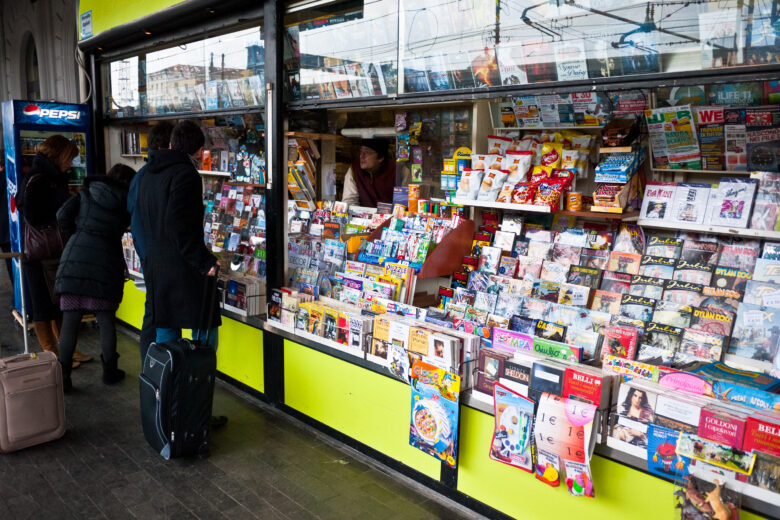
Every household received a copy weekly. You circled things. You memorized Saturday night’s schedule. Its loss is not just the loss of a publication. It is the loss of a relationship with television that required advance commitment that streaming has made unnecessary, and the significance of which is probably underestimated.
The console stereo system
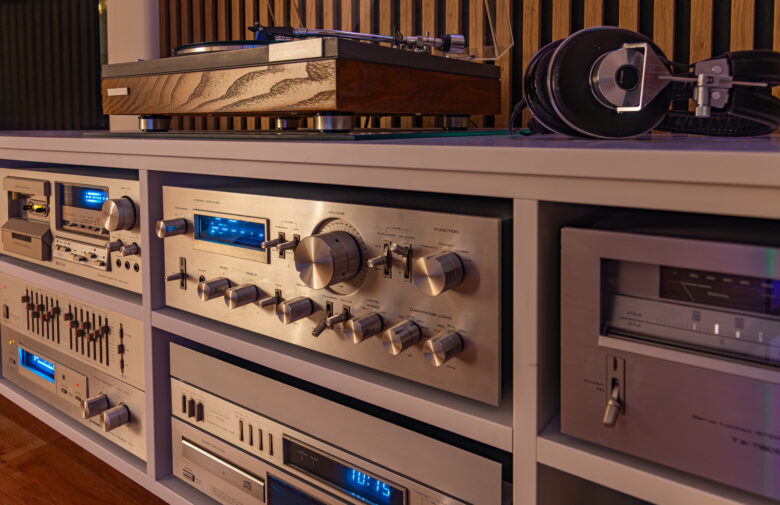
Not the portable cassette player. The system. The receiver, the equalizer, the floor-standing speakers; the whole setup against the wall representing a meaningful financial investment in the proposition that music deserved to be heard at a certain quality. Smithsonian’s coverage of the vinyl resurgence suggests some of this is coming back. The dedicated stereo wall is essentially gone.

The encyclopedia set
Usually Britannica. Twenty-four to thirty-two volumes. Consulted with genuine ceremony. The household’s statement that knowledge mattered and was worth the investment. It also became obsolete faster than any other object in the living room, its facts aging at a rate that made newer volumes essentially mandatory.
The telephone answering machine
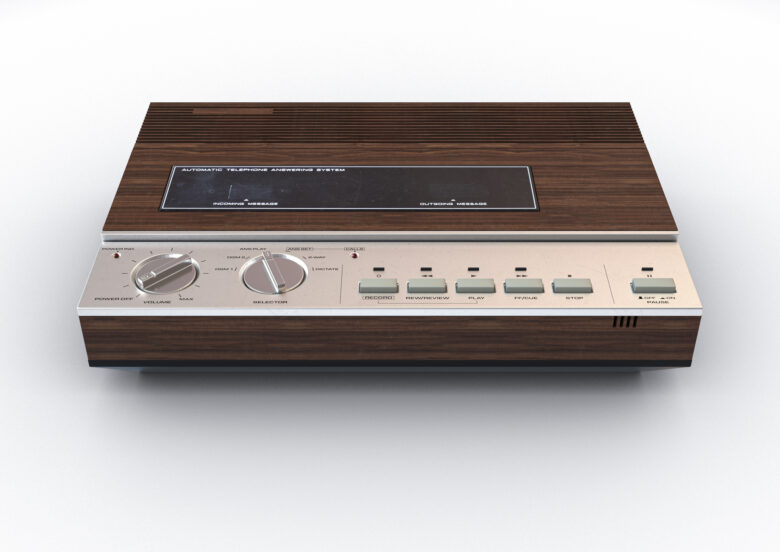
Not voicemail; the physical machine with the tiny cassette that blinked when someone had called. The message you recorded was a considered production. Mental Floss notes the parallel development of recording technologies that made both the VCR and the answering machine possible. Both were about controlling time. The phone eventually swallowed both.
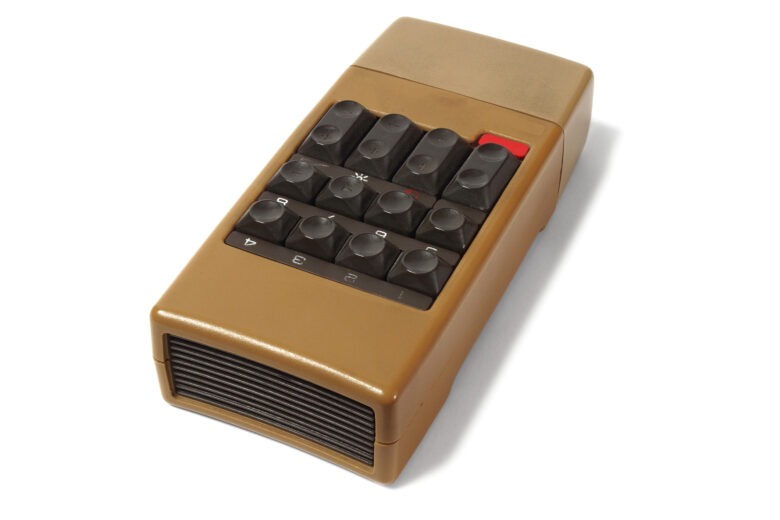
The remote control caddy
The problem of where to put the television remote was so acute in the 1980s that a specific product category emerged to solve it. Usually beige. Usually velcro-attached to the armrest of the recliner. It solved an actual problem households had identified, which is more than can be said for many of the objects that replaced it.

The magazine rack
TV Guide, Time, National Geographic, People. The rack made reading material visible and accessible, so a visitor could immediately understand what the household cared about. The rack did not disappear. The subscriptions that filled it did.
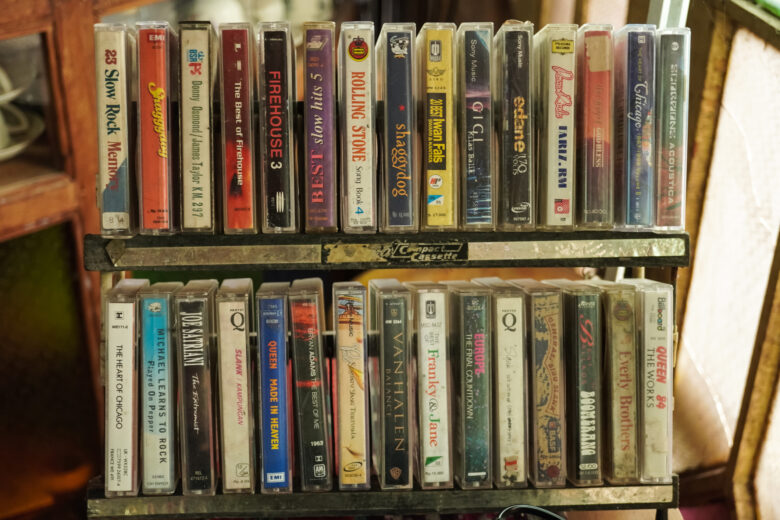
The videocassette tape library
Mental Floss documents the current VHS collector market; rare tapes fetching hundreds of dollars, aficionados arguing VHS gives certain films a warmth that digital strips out. The household tape library of the 1980s was something different: organized in a system that made sense only to its creator. The handwritten labels started to peel. The collection represented choices someone had made about what was worth keeping.
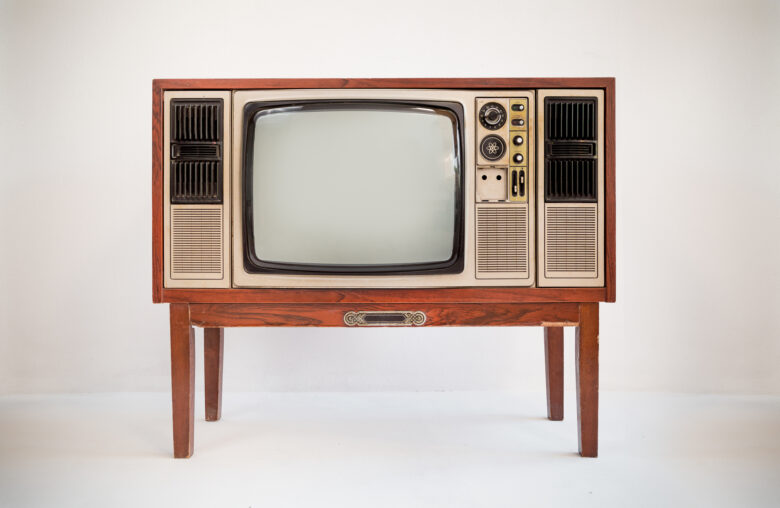
The conversation piece television
In the 1980s, a large television was a statement. The 27-inch floor model with the wood cabinet sat in the living room the way a piano sat in a Victorian parlor. The flat screen replaced it with a rectangle on a wall. Smithsonian notes how profoundly the physical form of media technology shapes the social spaces around it. The 1980s living room was organized around a box. The modern one is organized around a surface.
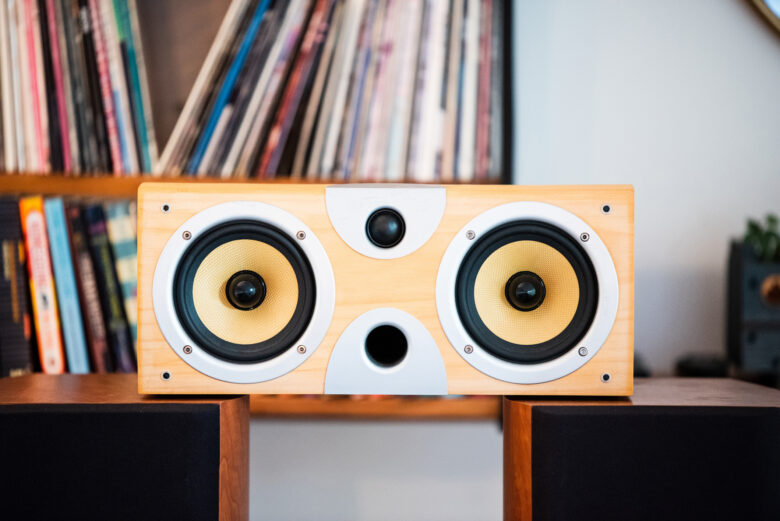
The bookcase stereo speakers
The smaller boxy units at either end of the living room, connected to the receiver with wire that ran along the baseboard. Usually wood-veneered particleboard from Pioneer, Sony, or Technics. They filled the room with sound. Nobody has a solution that does that as cheaply and simply now.

The bottom line
What the 1980s living room had that the modern one has largely surrendered is weight. Physical, literal weight. The VCR, the stereo, the encyclopedias, the television cabinet; all announced their presence. The modern living room is lighter, more flexible, and in some ways more honest about what it is: a screen and a couch. Whether that represents progress depends entirely on what you think a room is for.
Ask us! What questions do you have about content, strategy, pop culture, lifestyle, wellness, history or more? We may use your question in an upcoming article!
Related:
Like MediaFeed’s content? Be sure to follow us.
This article was syndicated by MediaFeed.co.