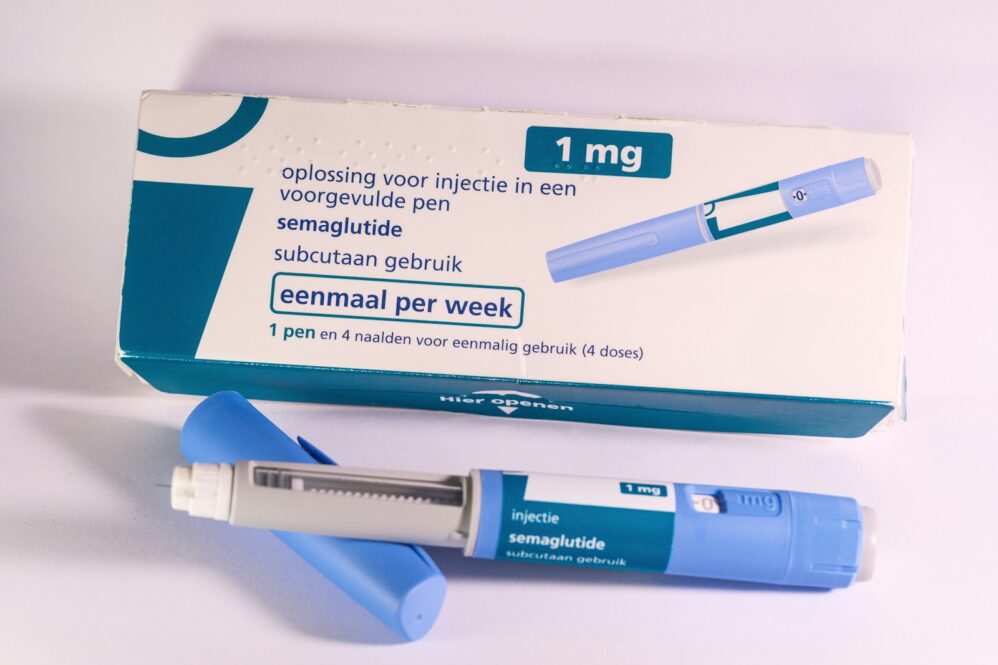
10 Questions to Ask Before Buying GLP-1s Online
The digital landscape for purchasing medications has rapidly evolved, with GLP-1s becoming widely available online. These drugs, originally intended for diabetes and some for weight loss, are now being sold by companies that once had no ties to the pharmaceutical industry. This shift raises important questions about the safety and reliability of these online offerings.
As more companies jump into the telehealth space, consumers must navigate a complex web of services and providers.
Here are 10 questions to ask before buying GLP-1s online to ensure you’re making informed choices.

10. What is the company’s background?
Before purchasing GLP-1s, it’s crucial to understand the company’s history and expertise. Many new entrants in the telehealth market lack a medical background, which could impact the quality of care.
Some companies, like those initially focused on other sectors, may have pivoted to pharmaceuticals without prior experience. Investigating their background can help assess their credibility and commitment to health care.

9. Who are the clinicians involved?
Understanding who prescribes the medication is essential for ensuring safety. Not all online services employ their own clinicians, often relying on third-party providers.
Ensure that the clinicians involved are licensed, qualified, and have a good track record. This information can often be found on the company’s website or through customer reviews.

8. What is the regulatory compliance status?
Compliance with health regulations is a non-negotiable aspect of any legitimate telehealth service. Check whether the company adheres to FDA standards and possesses necessary certifications.
Companies that have received FDA warnings or have pending lawsuits may indicate potential risks. Thoroughly research their compliance history to avoid future complications.
7. How is the medication sourced?
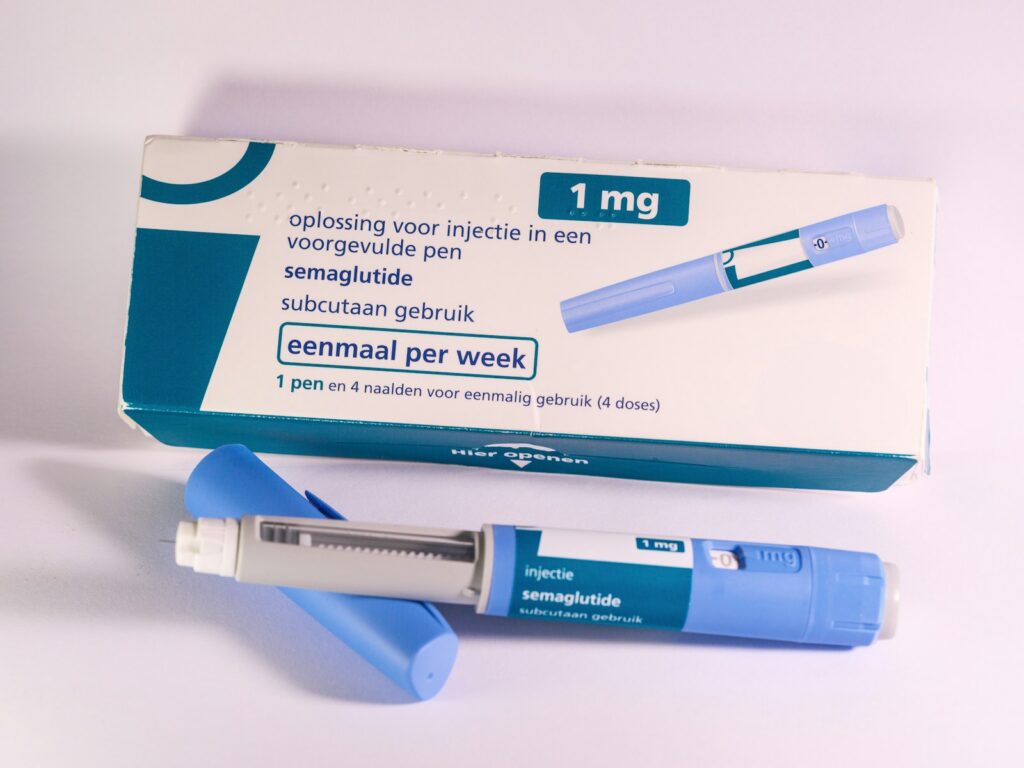
The origin of the medication is a critical factor in its safety and efficacy. Verify that the drugs are sourced from reputable manufacturers and meet quality standards.
Understanding the supply chain can help reduce the risk of counterfeit, unapproved, or substandard products.

6. What support is offered?
Customer support is vital, especially when dealing with health-related products. Determine what kind of support the company provides, such as clinician follow-up, side-effect guidance, nutrition counseling, or customer service.
Some companies may offer comprehensive support, while others provide minimal assistance. Choose a provider that aligns with your expectations for care and guidance.

5. What are the terms of service?
Understanding the terms of service is crucial for any transaction, particularly in health care. Review these terms to know your rights and obligations as a consumer.
Look for clear information on refunds, privacy policies, and the company’s liability in case of adverse events or dissatisfaction with the service.

4. Are there reviews or testimonials?
Customer reviews and testimonials can provide valuable insights into the company’s quality and reliability. Search for feedback from previous customers to gauge their experiences.
While reviews can be subjective, consistent patterns of praise or complaint can guide your decision. Be cautious of overly positive reviews that may not be genuine.

3. What are the costs involved?
Understanding the full cost of the service is essential to avoid unexpected expenses. Inquire about all fees, including consultation, medication, and shipping costs.
Compare prices across different providers to ensure you receive fair value. Be wary of prices that seem too good to be true, as they may indicate compromised quality.
2. What is the company’s reputation?
A company’s reputation in the industry can be a good indicator of its reliability. Research the company’s standing and any accolades or certifications it may have received.
Consider whether the company has been involved in any controversies or legal issues, as these can affect your trust in their services.
1. Is there a clear communication channel?
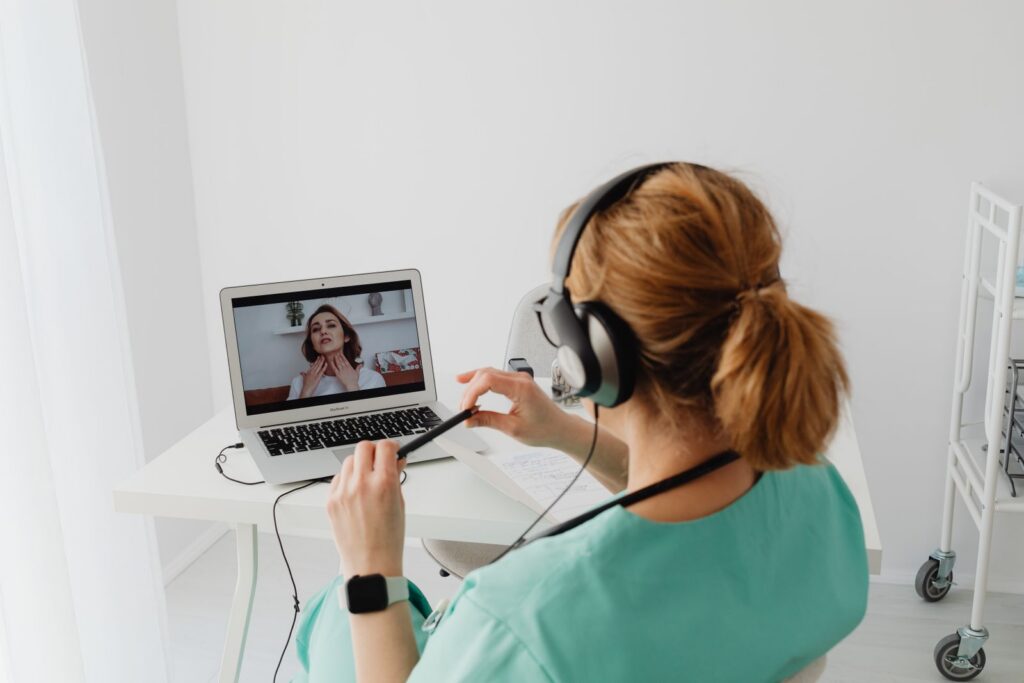
Effective communication is key in any service, especially when dealing with health-related issues. Ensure the company offers clear and accessible channels for communication.
Whether through phone, email, or chat, having a reliable way to contact the company can provide peace of mind and help resolve any issues that may arise.
Read More:
- 10 Misconceptions About GLP-1s
- 10 Possible Reasons Younger People Are Developing Colon Cancer
- The Essential Mineral Men Need for Healthy Testosterone Levels
Ask us! What questions do you have about content, strategy, pop culture, lifestyle, wellness, history or more? We may use your question in an upcoming article!
Like MediaFeed’s content? Be sure to follow us.
This article originally appeared on Resourcebuzz and was syndicated by MediaFeed.co.