
10 Ways AI Is Changing What Students Choose to Major In
Artificial intelligence is reshaping the job market, and students are paying attention.
For years, degrees like computer science were viewed as some of the safest bets for long-term career growth. But as AI becomes capable of writing code, generating content, analyzing data, and handling routine office tasks, some students are reconsidering which careers offer the strongest prospects.
Rather than simply chasing AI-related jobs, many students are increasingly drawn to fields that rely on human judgment, empathy, creativity, and hands-on expertise. Here are 10 ways AI is influencing what students choose to study.

10. Healthcare Majors Are Attracting New Interest
Healthcare remains one of the fastest-growing sectors of the economy, and many healthcare roles require skills that AI cannot easily replace.
Nursing, physical therapy, occupational therapy, radiologic technology, and other patient-facing careers continue to attract students seeking stable employment and strong demand. While AI may assist with diagnosis and administrative tasks, human care remains central to healthcare delivery.

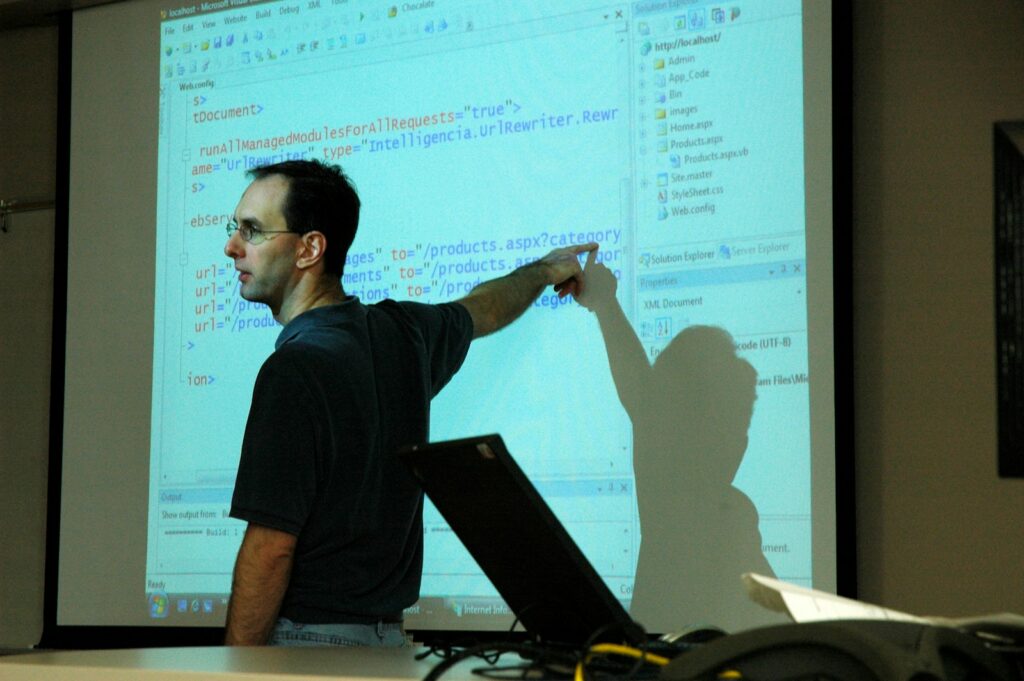
9. Some Students Are Questioning Computer Science
Computer science remains a valuable degree, but some students are reevaluating whether it offers the same level of job security it once did.
As AI tools become increasingly capable of generating code and automating routine programming tasks, concerns about entry-level tech jobs have led some students to explore alternative career paths.

8. Skilled Trades Are Getting a Second Look
Electricians, plumbers, HVAC technicians, and other skilled trades workers perform highly physical jobs that are difficult to automate.
As AI disrupts some office-based work, more students are recognizing the long-term value of careers that require hands-on expertise and problem-solving in real-world environments.
7. Education Continues to Offer Human-Centered Careers
AI can generate lesson plans and assist with grading, but teaching remains fundamentally a human profession.
Many students interested in mentorship, communication, and community impact are pursuing education careers that rely heavily on interpersonal relationships and emotional intelligence.

6. Students Are Looking for Careers That Require Human Judgment
Many professions involve complex decisions that go beyond what algorithms can currently handle.
Fields such as social work, counseling, public policy, and nonprofit leadership require nuanced judgment, ethical reasoning, and relationship-building skills that remain difficult to automate.

5. Business Programs Are Adapting Rather Than Competing
Instead of avoiding AI, many business schools are teaching students how to work alongside it.
Programs increasingly emphasize strategic thinking, leadership, communication, and decision-making while incorporating AI literacy into the curriculum. Employers continue to value professionals who can manage technology rather than simply use it.
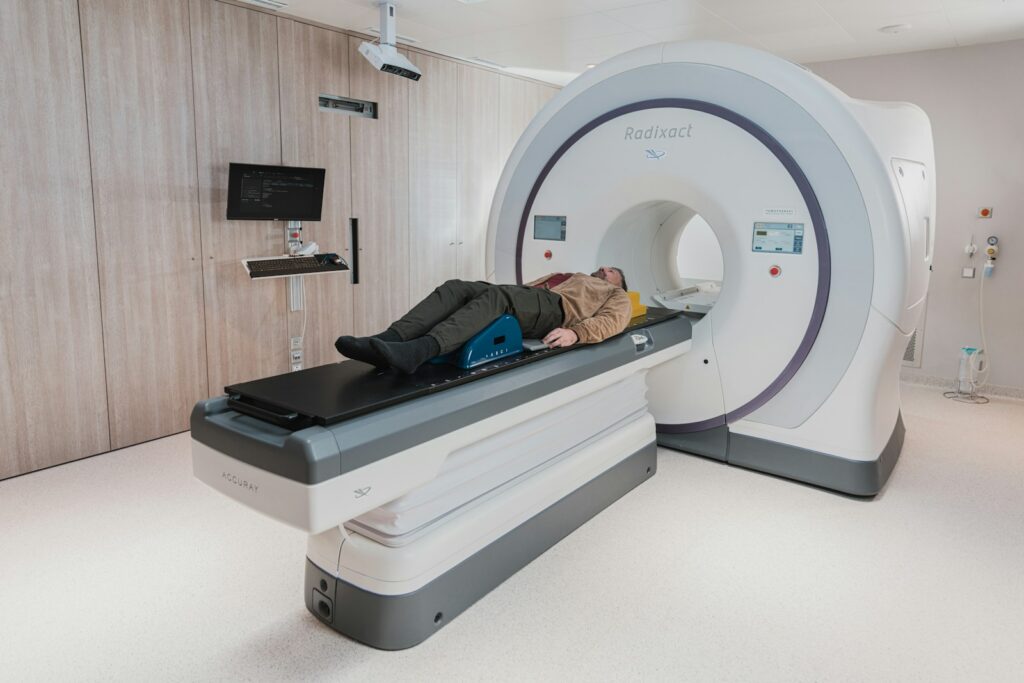
4. Demand for Allied Health Programs Is Growing
Beyond doctors and nurses, many allied health professions are seeing strong demand.
Careers such as respiratory therapy, medical imaging, speech-language pathology, and healthcare administration offer opportunities in a sector expected to grow as the population ages.

3. Communication Skills Are Becoming More Valuable
As AI handles more routine tasks, employers increasingly value skills that machines struggle to replicate.
Writing, public speaking, negotiation, teamwork, and relationship management are becoming important differentiators in many industries, influencing students’ academic choices.

2. Students Want Careers That Feel Recession-Resistant
Economic uncertainty and rapid technological change are leading many students to prioritize stability.
Healthcare, public safety, utilities, and other essential-service careers often remain in demand regardless of economic conditions, making them attractive options for future graduates.

1. AI Is Changing How Students Define a “Safe” Major
Perhaps the biggest shift is philosophical.
For decades, many students viewed technology-related degrees as the safest path to career success. Today, some are broadening that definition and focusing on careers that combine technical knowledge with distinctly human skills.
Rather than asking which jobs AI will create, students are increasingly asking which jobs still require people. That question is reshaping college campuses across the country.
Read More:
- 10 Ways AI is Undermining Worker Productivity
- 10 Ways to Tell if Something on TikTok is AI
- 10 Healthcare Careers That Don’t Require a Four-Year Degree
Ask us! What questions do you have about content, strategy, pop culture, lifestyle, wellness, history or more? We may use your question in an upcoming article!
Like MediaFeed’s content? Be sure to follow us.
This article originally appeared on Resourcebuzz and was syndicated by MediaFeed.co.