
10 Ways to Lower Your Diabetes Risk
Diabetes is a growing concern worldwide, and understanding how to lower your risk is crucial for long-term health. Recent research highlights the importance of reducing visceral fat, the deep abdominal fat that surrounds internal organs, as a key factor in preventing type 2 diabetes.
Unlike subcutaneous fat, visceral fat is metabolically active and can contribute to inflammation and insulin resistance. Fortunately, there are several effective strategies to reduce this harmful fat and improve your metabolic health.
Here are 10 ways to lower your diabetes risk by targeting visceral fat reduction:

10. Embrace Resistance Training
Incorporating resistance training into your routine can significantly impact visceral fat levels.
Engaging in strength exercises two to four times a week helps build muscle mass, which in turn increases your resting metabolic rate and aids in burning visceral fat.

9. Prioritize Aerobic Exercise
Regular aerobic exercise is vital for reducing visceral fat and improving heart health.
Activities like brisk walking, cycling, and swimming enhance cardiovascular fitness and help decrease abdominal fat when performed consistently.

8. Follow a Mediterranean Diet
A Mediterranean-style eating pattern is rich in nutrients and beneficial for reducing visceral fat.
This diet emphasizes vegetables, legumes, fish, olive oil, and whole grains, providing essential nutrients that support metabolic health.

7. Aim for Adequate Protein Intake
Consuming enough protein is crucial for maintaining muscle and reducing visceral fat.
Aim for at least 100 grams of protein daily to support muscle growth and enhance fat metabolism.

6. Ensure Quality Sleep
Quality sleep is a vital component in reducing visceral fat and lowering diabetes risk.
Poor sleep is linked to increased visceral fat accumulation, so prioritize getting 7-9 hours of restful sleep each night.

5. Manage Stress Levels
Chronic stress can contribute to the accumulation of visceral fat over time.
Engage in stress-reduction techniques such as yoga, meditation, or deep breathing exercises to help manage stress effectively.

4. Monitor Waist Circumference
Tracking waist circumference is a more accurate reflection of visceral fat changes than weight alone.
Regularly measuring your waist can help you assess progress and adjust your lifestyle accordingly.

3. Stay Hydrated
Hydration plays a crucial role in metabolic processes and fat reduction.
Drinking enough water supports digestion and helps control appetite, contributing to overall fat loss.

2. Limit Processed Foods
Processed foods are often high in unhealthy fats and sugars, contributing to visceral fat gain.
Focus on whole, unprocessed foods to maintain a balanced diet and reduce harmful fat storage.
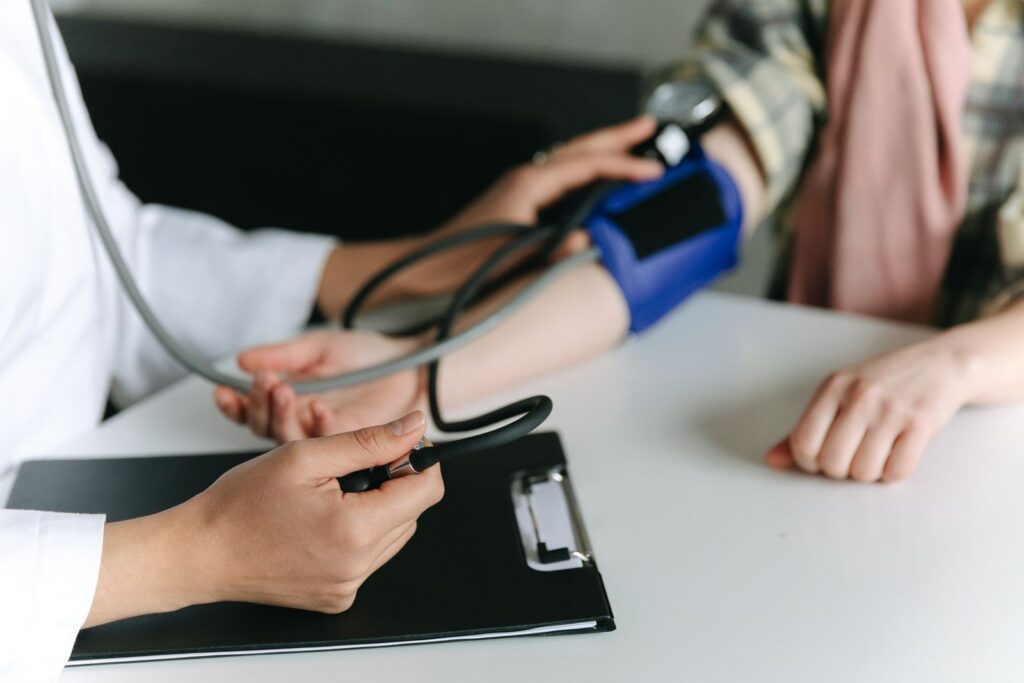
1. Regular Health Check-Ups
Routine health check-ups can help monitor metabolic health and detect early signs of diabetes risk.
Regular screenings allow for timely intervention and personalized advice to maintain optimal health.
Read More:
- 10 Surprising Connections Between Diabetes and Dementia
- Depression and the Immune System: 10 Things to Know
- 10 Reasons to Swap Your Regular Breakfast for Oatmeal
Ask us! What questions do you have about content, strategy, pop culture, lifestyle, wellness, history or more? We may use your question in an upcoming article!
Like MediaFeed’s content? Be sure to follow us.
This article originally appeared on Resourcebuzz and was syndicated by MediaFeed.co.