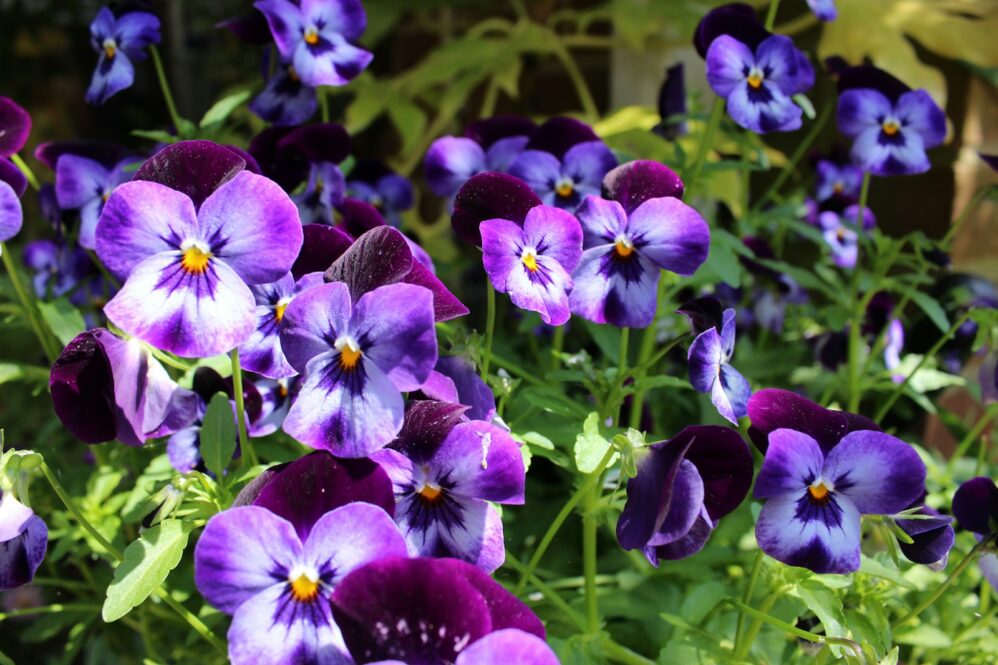
10 Plants We Call “Weeds” That Were Once Considered Useful
For many homeowners, weeds are simply plants that show up where they aren’t wanted. Every spring and summer, countless hours are spent pulling, spraying, and digging them out in pursuit of a picture-perfect lawn or garden. But many of the plants we now consider nuisances were once valued for food, medicine, livestock forage, or other practical uses.
In fact, the definition of a weed is surprisingly simple: it’s just a plant growing where someone doesn’t want it. Here are 10 familiar “weeds” that once played important roles in everyday life.
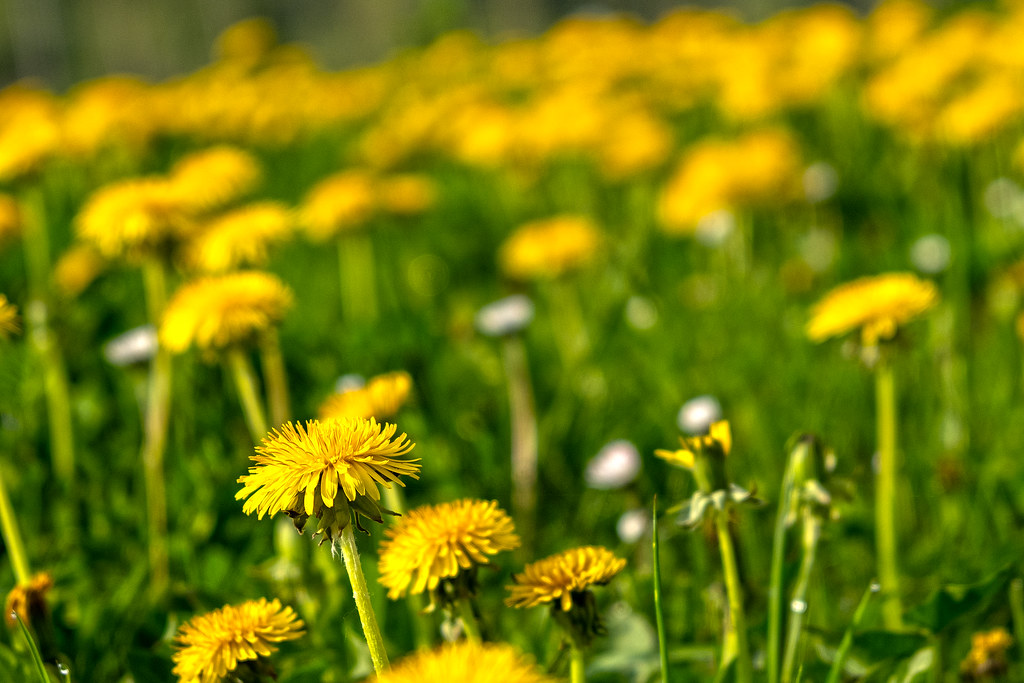
10. Dandelion
Today, dandelions are one of the most commonly targeted lawn weeds. For centuries, however, they were intentionally cultivated throughout Europe and later North America.
Nearly every part of the plant is edible. The leaves have long been used in salads, the flowers can be made into wine or fritters, and the roots have traditionally been roasted as a coffee substitute.
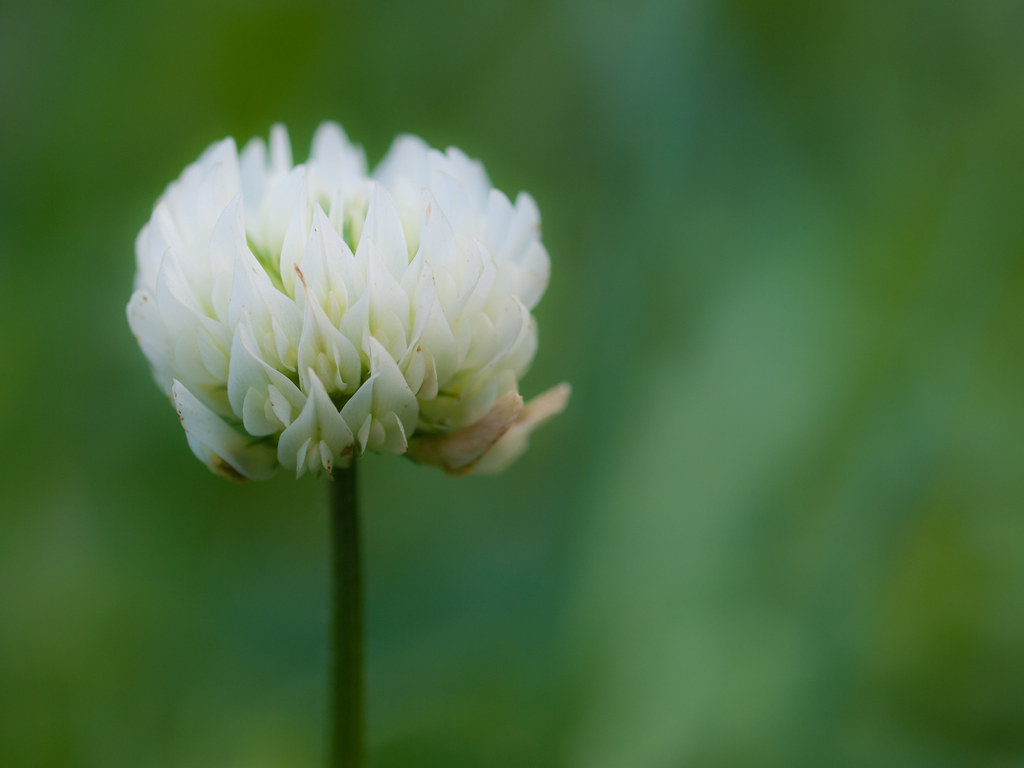
9. White Clover
There was a time when clover wasn’t considered a weed at all.
In fact, white clover was commonly included in lawn seed mixes because it naturally adds nitrogen to the soil, stays green during dry periods, and provides nectar for pollinators. It largely fell out of favor after broadleaf herbicides became widely available in the mid-20th century.
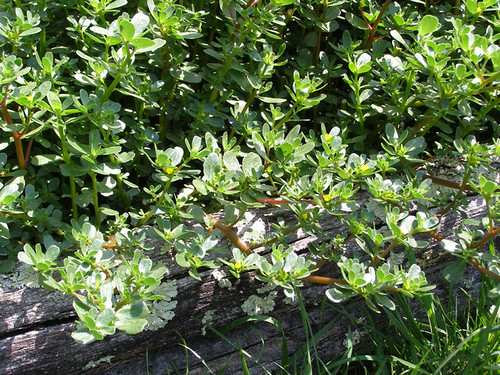
8. Purslane
Purslane often appears between sidewalk cracks and garden beds, but it’s also an edible leafy plant enjoyed in many cultures around the world.
Its slightly lemony flavor makes it a popular addition to salads and soups, and it contains notable amounts of omega-3 fatty acids for a leafy vegetable.
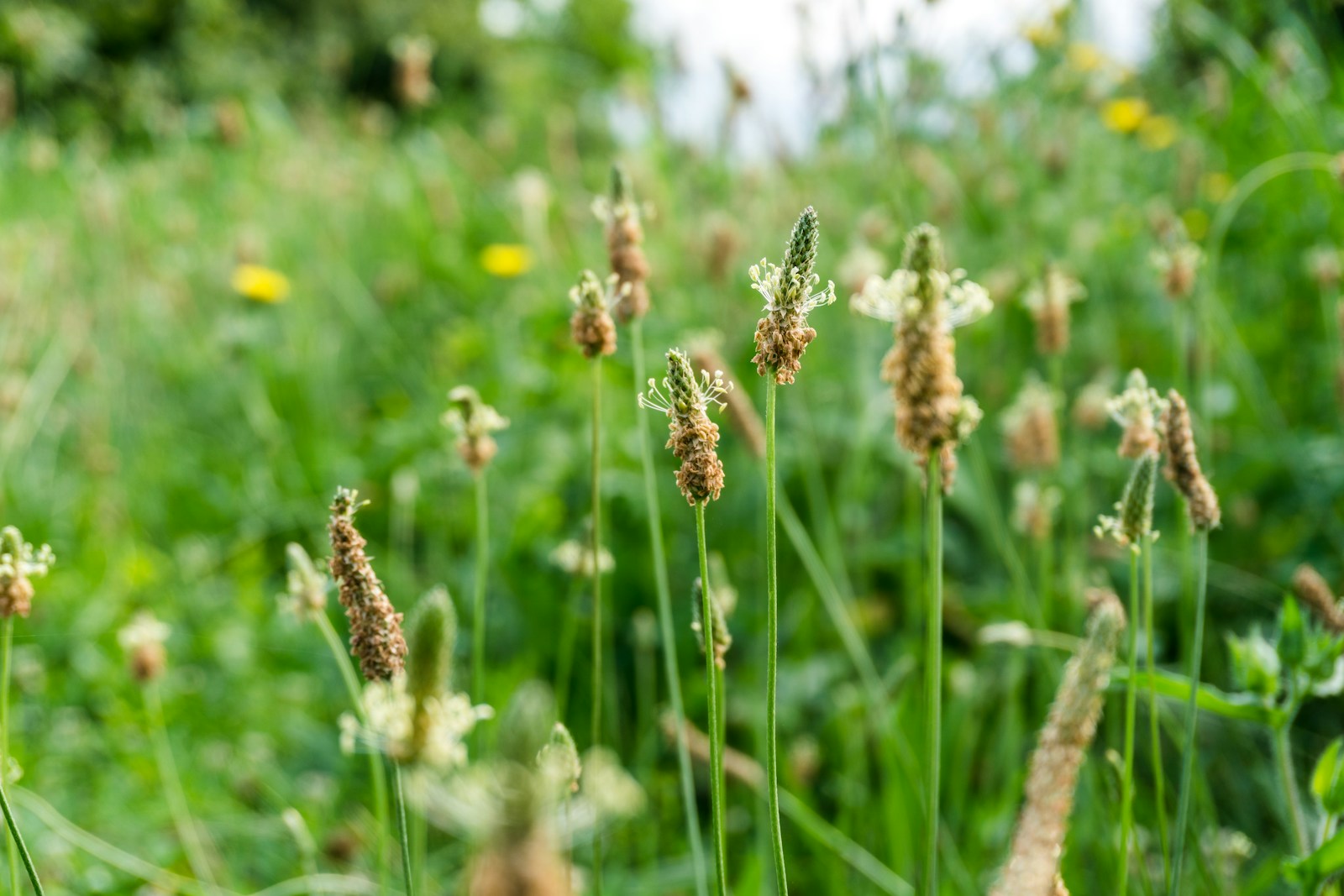
7. Plantain
Not to be confused with the tropical fruit, common plantain is a broadleaf plant found in lawns across North America.
For generations, it has been used in traditional herbal practices, and its young leaves are edible when harvested before they become tough and fibrous.
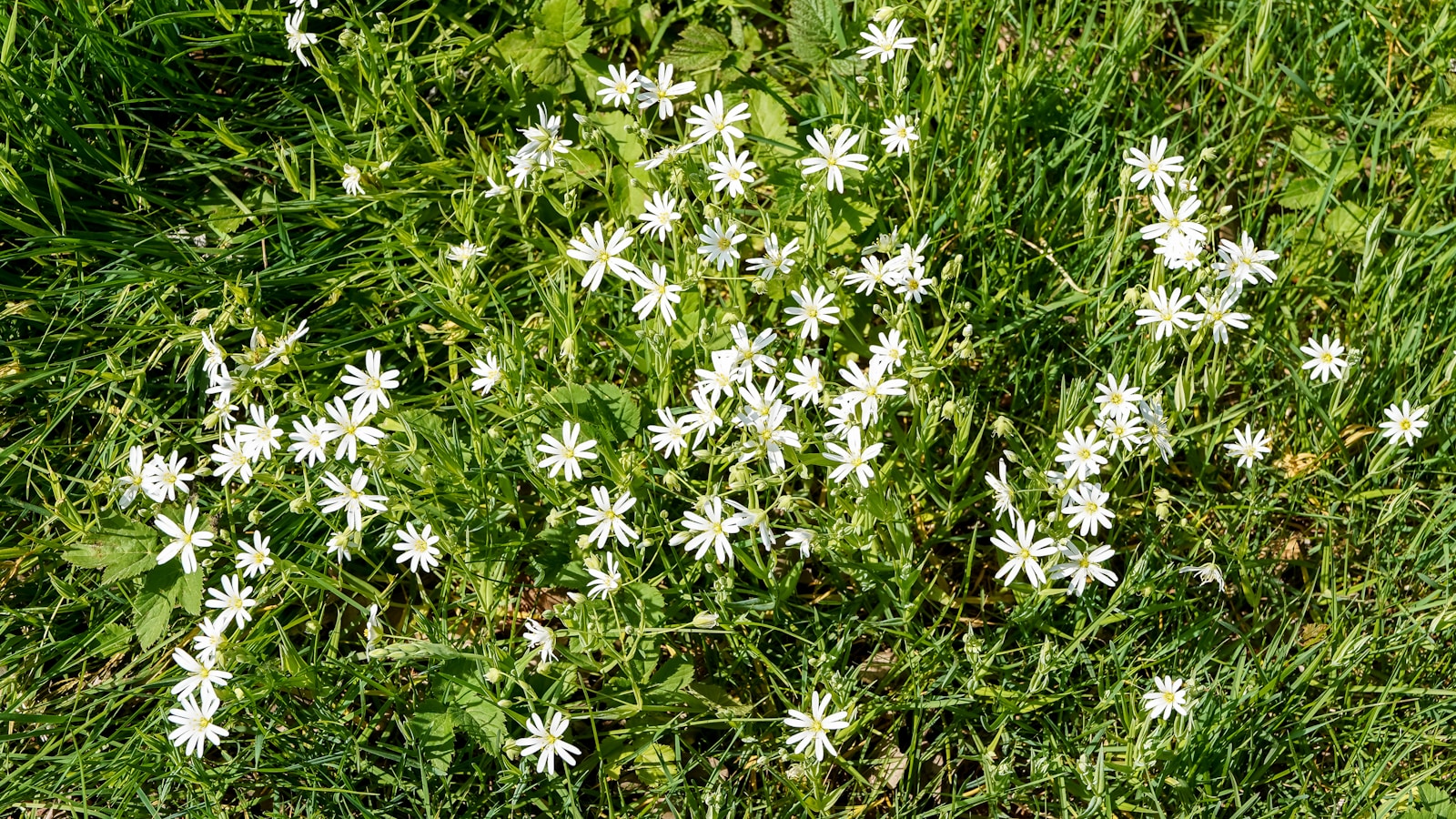
6. Chickweed
Chickweed’s delicate stems and tiny white flowers may not look impressive, but the plant has a long history as both food and livestock forage.
Its tender leaves are edible and have been added to salads and cooked dishes for centuries.
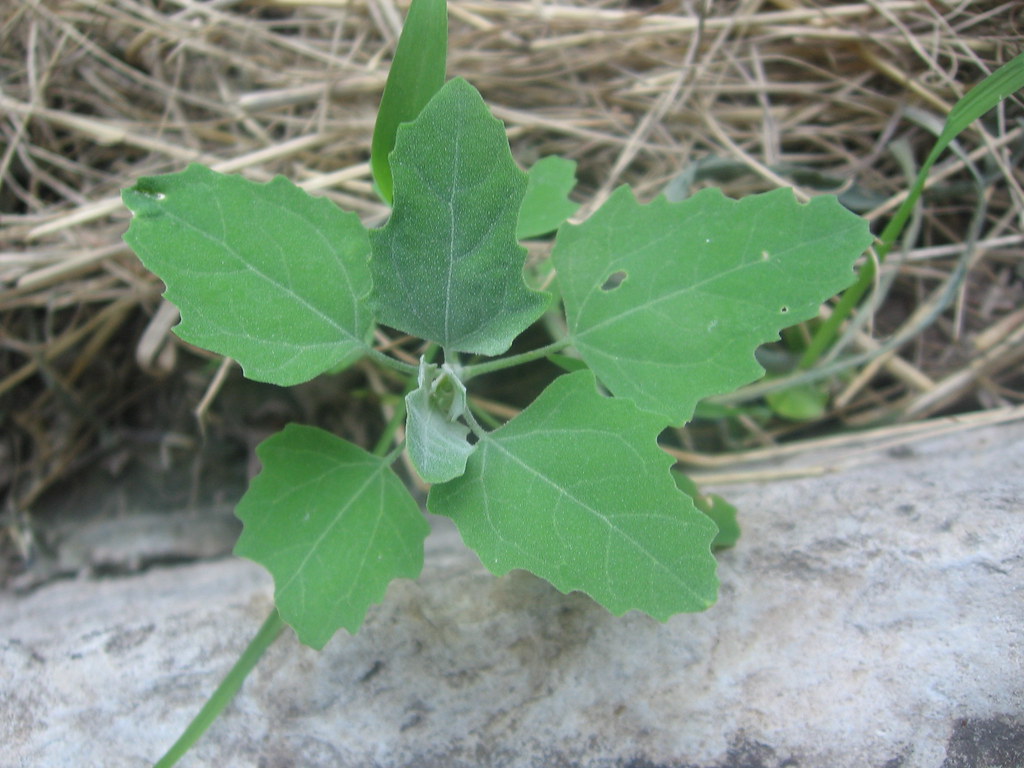
5. Lamb’s Quarters
Image needed
Many gardeners pull lamb’s quarters without realizing it was once a valued food crop.
Sometimes called wild spinach, its leaves can be cooked much like spinach, while its seeds have also been eaten in various cultures throughout history.
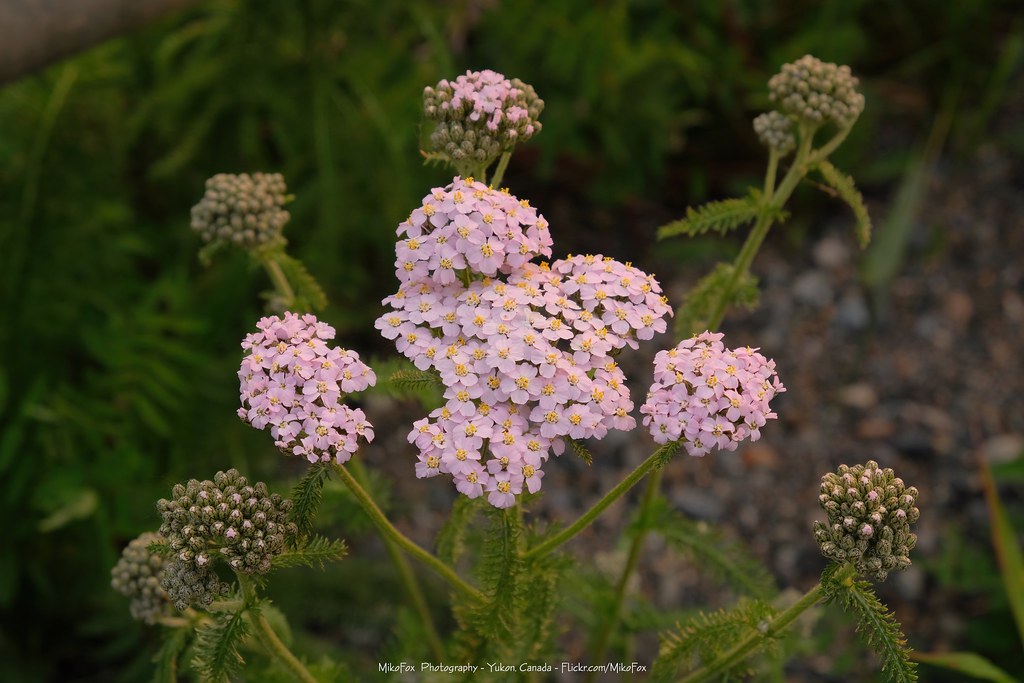
4. Yarrow
Yarrow is sometimes viewed as an invasive garden volunteer, but it has been appreciated for thousands of years.
Historically, it was grown in cottage gardens for ornamental purposes and traditional herbal remedies. Today, many gardeners also value it for attracting beneficial insects and pollinators.
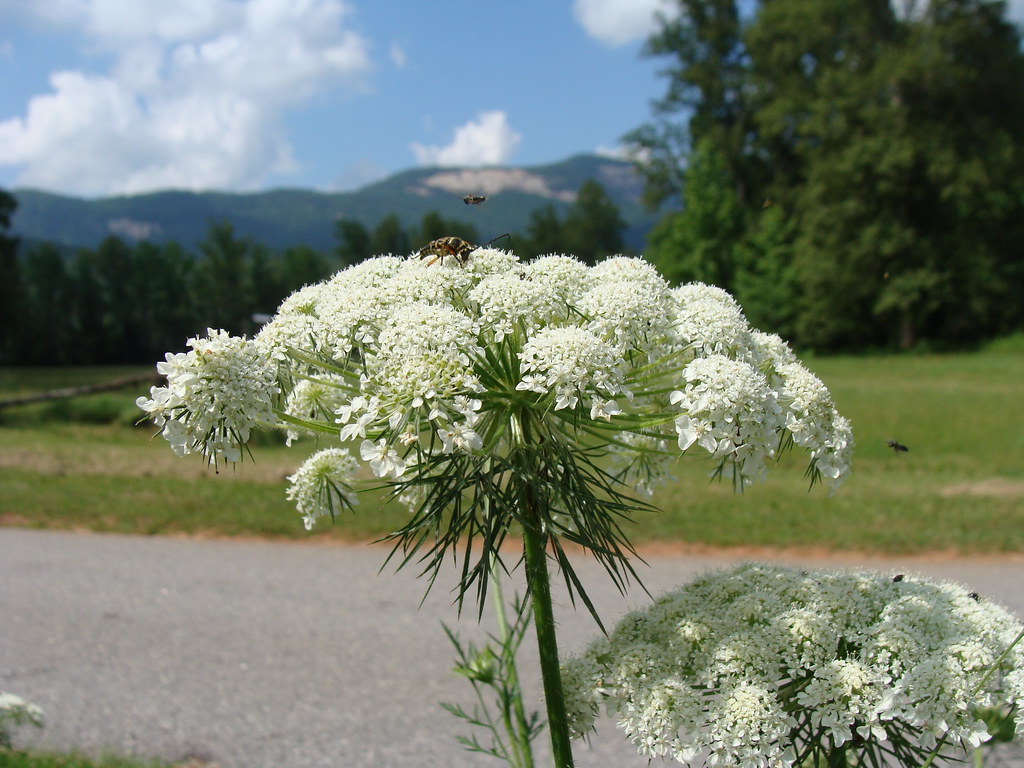
3. Queen Anne’s Lace
With its delicate white flowers, Queen Anne’s lace often appears along roadsides and in open fields.
While considered invasive in some regions of North America, it has historically been used as a food source and in traditional herbal practices. It’s also an important nectar plant for many beneficial insects.
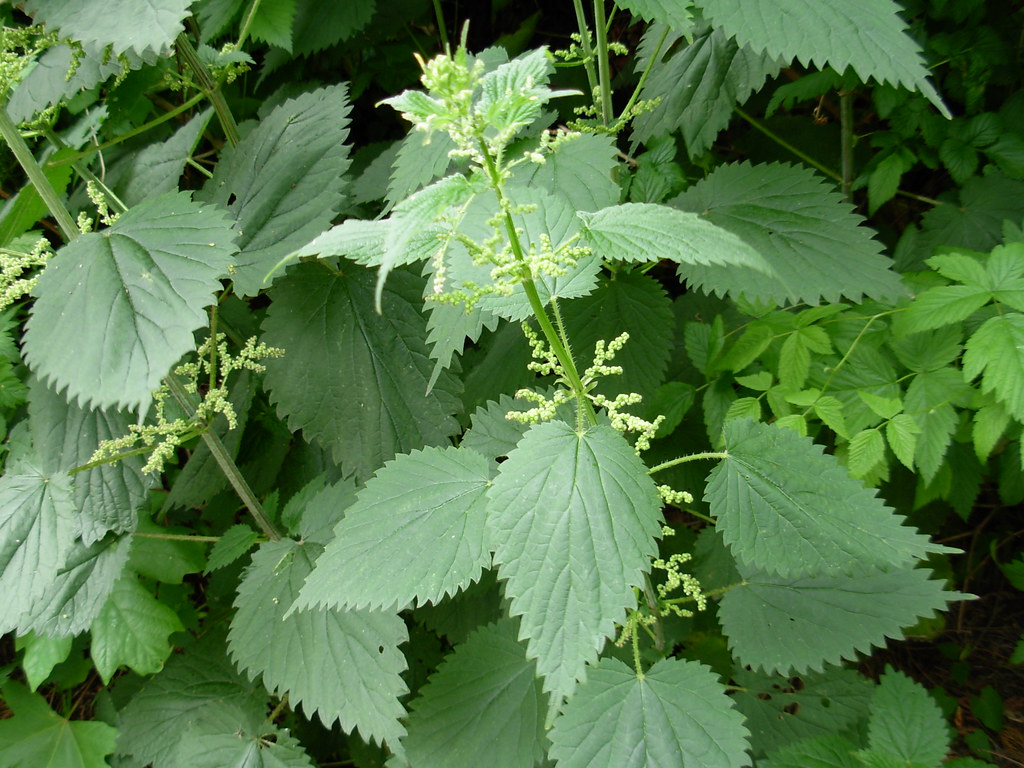
2. Stinging Nettle
Its painful sting has earned it a bad reputation, but stinging nettle has been used for centuries as food, fiber, and traditional medicine.
Once cooked or dried, the stinging hairs become inactive, allowing the nutritious leaves to be safely eaten in soups, teas, and other dishes.
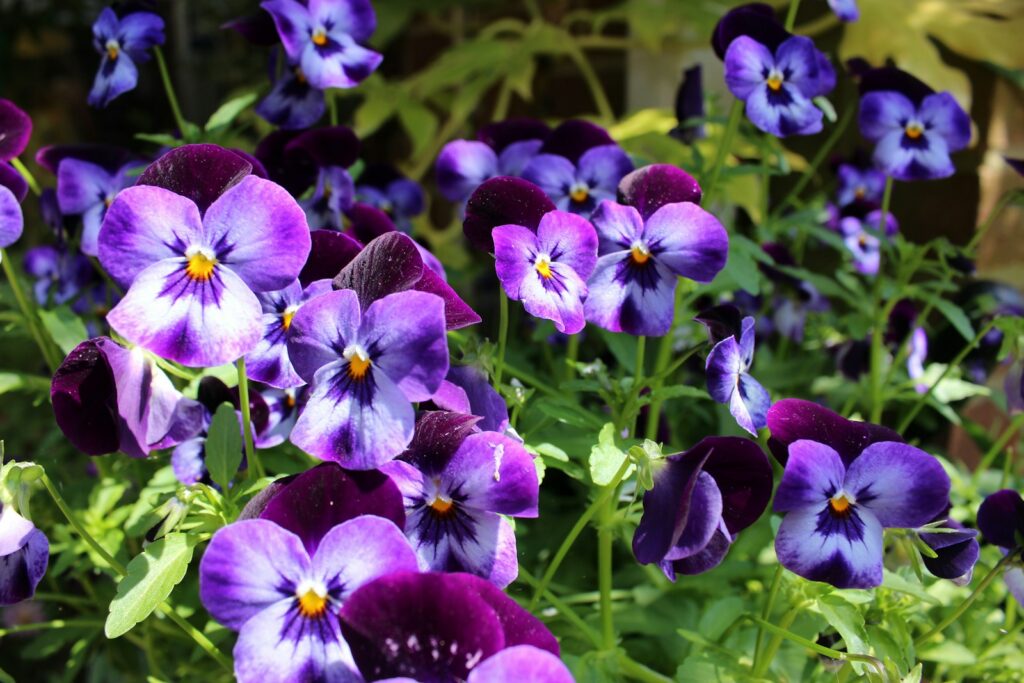
1. Violet
Wild violets are often treated as lawn weeds because they spread easily through grass.
Yet these cheerful flowers have a long history in gardens and kitchens alike. Their edible blossoms have been used to decorate desserts, flavor syrups, and brighten salads, while the plants also provide an early-season food source for pollinators.
Read More:
- Pet Owners Beware: 10 Houseplants to Avoid
- 10 Plants You Basically Can’t Kill (Even If You Forget About Them)
- 13 Simple Ways to Infuse Charm into Your Garden
Ask us! What questions do you have about content, strategy, pop culture, lifestyle, wellness, history or more? We may use your question in an upcoming article!
Like MediaFeed’s content? Be sure to follow us.
This article originally appeared on Resourcebuzz and was syndicated by MediaFeed.co.