
10 Tips for Helping Children and Teens Manage Anxiety
Anxiety is a natural reaction to perceived threats, a response that helped our ancestors survive real dangers. Today, children and teens often experience similar physiological responses to stressors that are psychological or social rather than physical. These stressors, or ‘perceived lions,’ can trigger anxiety in young people, making it crucial for parents and caregivers to provide support.
Helping young individuals manage anxiety is not about eliminating these perceived threats but equipping them with tools to recognize and handle their emotions effectively. Here are 10 tips to guide you in supporting children and teens through their anxiety.

10. Identify the ‘Lion’
Encourage children to name what is causing their anxiety.
By externalizing their fears, children can begin to see them as manageable challenges rather than overwhelming threats. Ask questions like, “What feels like the lion right now?” to help them articulate their concerns.

9. Assess the Real Danger
Help them differentiate between perceived and actual threats.
Guide them to evaluate their fears by asking, “Is there a real danger to your safety right now?” This helps shift focus from anxiety to a more logical assessment of the situation.

8. Practice Grounding Techniques
Use physical activities to help regulate their bodies.
Engage in deep breathing, walking, or tapping exercises to help them calm their nervous system and regain control over their emotions.

7. Encourage Open Communication
Create a safe space for them to express their feelings.
By fostering an environment where they feel heard and understood, children are more likely to share their anxieties, making it easier to address their concerns.
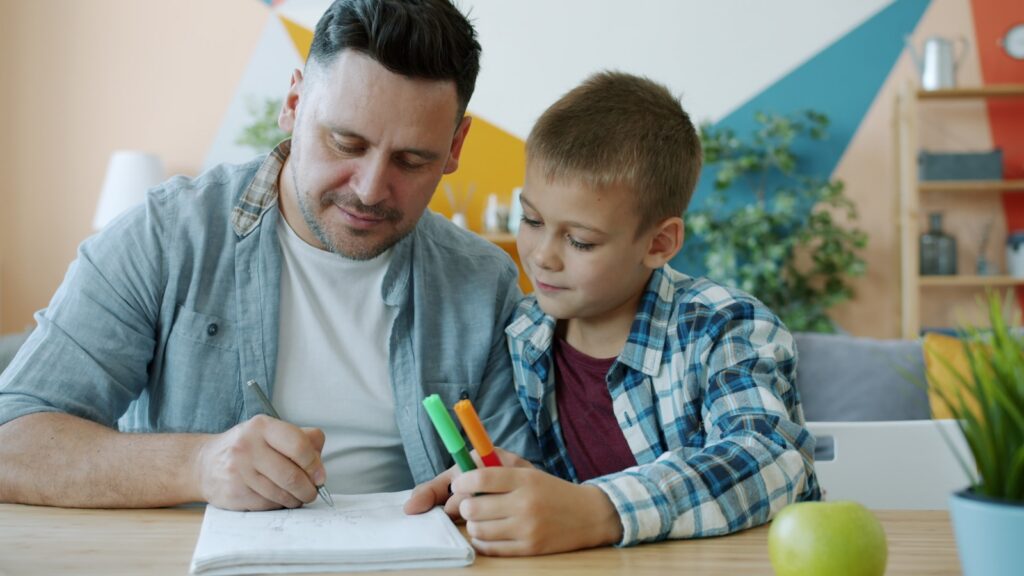
6. Teach Problem-Solving Skills
Equip them with strategies to tackle challenges.
By teaching children how to break down problems into manageable steps, they can learn to approach anxiety-inducing situations with confidence and resilience.

5. Model Calm Behavior
Show them how to remain composed in stressful situations.
Children often learn by example, so demonstrating calmness in the face of stress can help them adopt similar behaviors when they encounter their own ‘lions.’

4. Encourage Mindfulness Practices
Introduce techniques like meditation or yoga.
Mindfulness can help children focus on the present moment, which may reduce anxiety by shifting attention away from worries about the future.

3. Build a Supportive Network
Connect them with peers and mentors who understand.
Surrounding children with supportive friends and adults can provide reassurance and help them feel less isolated in their experiences.
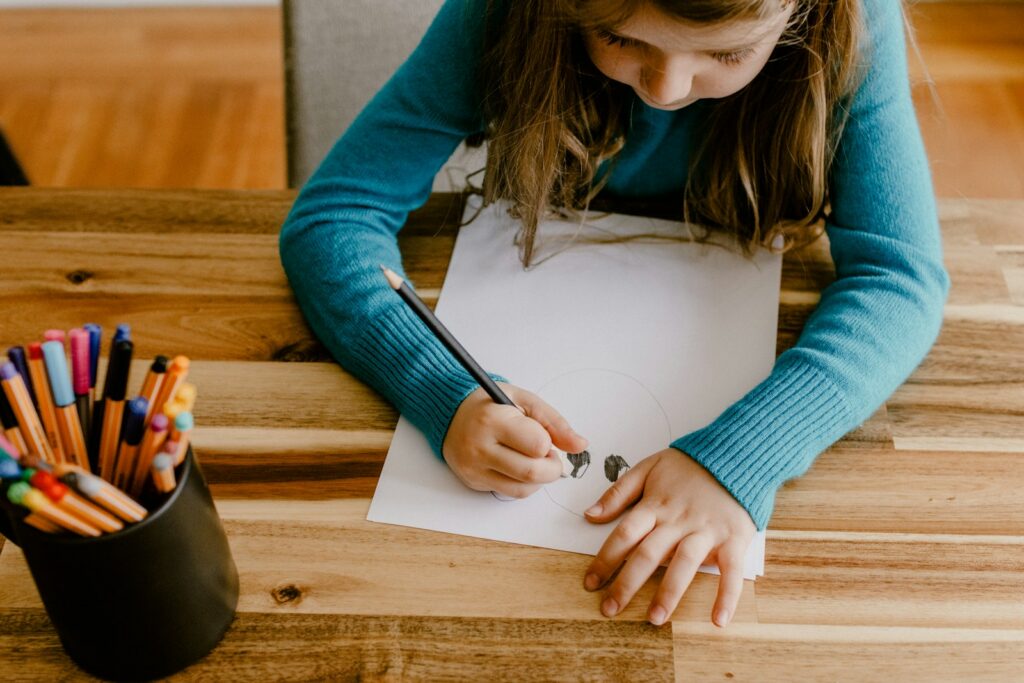
2. Reinforce Positive Coping Mechanisms
Encourage healthy ways to manage anxiety.
Teach children to use positive coping strategies, such as journaling or creative expression, to process their emotions in a constructive manner.
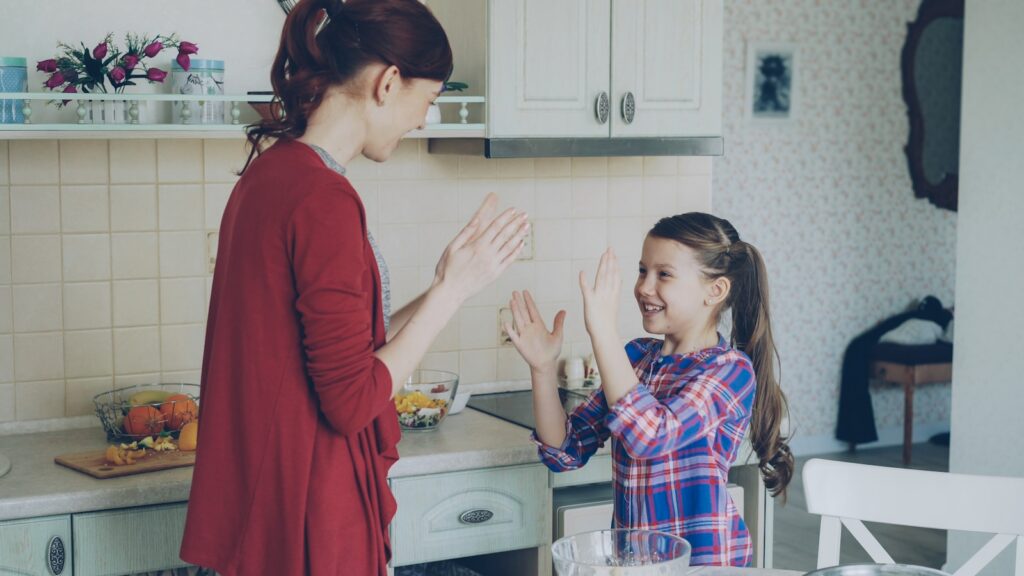
1. Celebrate Progress
Acknowledge their efforts and improvements.
Recognizing and celebrating small victories can boost a child’s confidence, reinforcing their ability to manage anxiety and encouraging them to continue using the strategies they’ve learned.
Read More:
- 10 Ways Teenagers Socialized Before the Internet
- 10 Ways to De-Escalate Conflicts With Your Teen
- 10 Ways to Teach Kids to Question AI Answers
Ask us! What questions do you have about content, strategy, pop culture, lifestyle, wellness, history or more? We may use your question in an upcoming article!
Like MediaFeed’s content? Be sure to follow us.
This article originally appeared on Resourcebuzz and was syndicated by MediaFeed.co.