Beloved songs that make little or no sense when you read the lyrics
You know how you can sing along to a song for years and then one day, mid-chorus, you actually hear what you’re saying? And it’s completely different from what you assumed? That happens more often than most people realize, and not just with deep cuts nobody knows about. Some of the most famous songs ever recorded have been misunderstood on a massive scale, for decades, by millions of people who loved them anyway. Reagan’s team picked a Vietnam veteran’s lament as a campaign anthem. Couples play a ballad at their wedding. A vampire love song has been a karaoke staple for forty years. The words were right there. Nobody was listening to the words.
The lyrical history here comes from Billboard and Songfacts.

“Ironic” — Alanis Morissette (1996)
Everyone knows none of the things in this song are technically ironic, and everyone has known this for thirty years, and the song has sold millions of copies anyway. Billboard makes the case that Morissette was never making a grammatical argument; in fact, the song is about the feeling of bad luck that seems to have your name on it, which is recognizable whether or not it satisfies a dictionary entry. She picked the wrong word for the right feeling, and thirty years of internet pedantry never got within a mile of actually mattering.
“Total Eclipse of the Heart” — Bonnie Tyler (1983)
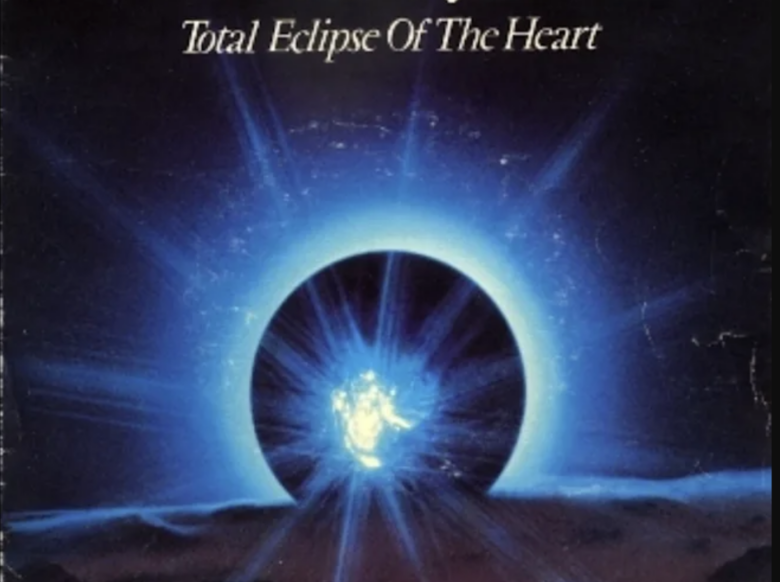
Jim Steinman wrote this for a Nosferatu stage musical. Every line was written for vampires. Then it ended up with Bonnie Tyler, the fog machines, and the stadium tour. Billboard quotes Steinman directly: the lyrics are really like vampire lines, all about darkness and love’s place in it. Nobody cared. The production was so large that the literal content dissolved into it, and a song about undead creatures of the night became one of the great power ballads of the decade.

“Africa” — Toto (1982)
David Paich has never been to Africa. He wrote the song after watching a documentary, and what resulted is actually about him (feeling consumed by work, frightened of who he was becoming) projected onto a continent he’d only seen on television. Songfacts documents the key line. The moonlit wings and stars guiding toward salvation are a man in a Los Angeles studio processing anxiety through imagery borrowed from someone else’s geography. It is, in that specific way, a deeply American song.

“Every Breath You Take” — The Police (1983)
Sting has mentioned more than once that people playing this at weddings unsettles him, which is understandable given that he wrote it about a man who cannot stop tracking his former partner’s every movement. Not poetically. Literally. Billboard has documented the misreading extensively. The production takes material about obsession and control and wraps it in a musical frame so warm and romantic that nothing in the listener’s brain raises a flag. You have to actively fight what the song is doing to you acoustically in order to hear what it’s actually saying. Most people don’t bother. Honestly, why would they — it sounds beautiful.
“Puff the Magic Dragon” — Peter, Paul and Mary (1963)
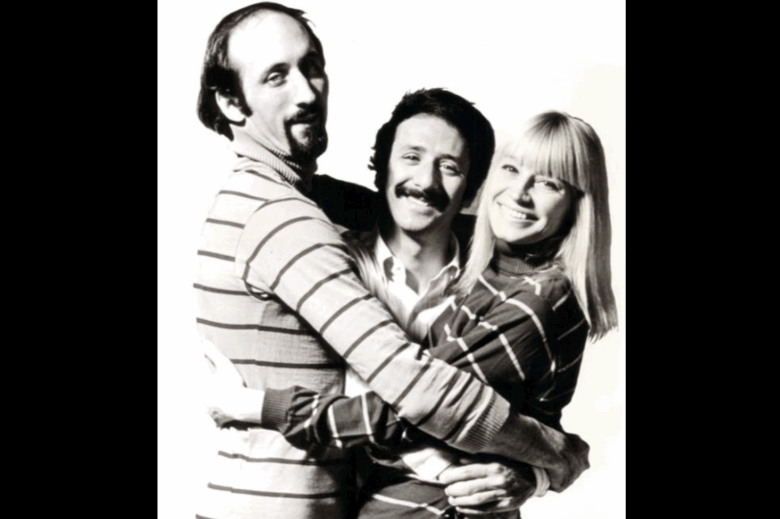
Peter Yarrow has been insisting for sixty years that this song has nothing to do with drugs, and at some point, the exhaustion behind those denials becomes its own kind of evidence that nobody believed him. Songfacts documents the straightforward reading: a boy named Jackie Paper plays with a dragon, grows up, stops coming, and the dragon waits alone in Honalee. Read that without looking for a drug metaphor and it’s genuinely one of the saddest songs in the folk canon. A creature who exists only within a child’s imagination, watching that child leave. The drug reading is easier to carry around. The real reading is harder to put down.

“Born in the USA” — Bruce Springsteen (1984)
Reagan’s 1984 campaign wanted this as a rally anthem. Springsteen objected publicly. The song is about a Vietnam veteran who comes home to nothing — no job, no support, a dead brother, a country that has moved on. Songfacts documents the full story. The chorus is the only triumphant moment in the entire song. The campaign heard the chorus and stopped there, which is maybe the most American response to an American song about America.

The bottom line
The songs on this list are not failed communication. They are evidence that in pop music, melody is the primary text and lyrics are the footnotes. Most people read the footnotes eventually. By then, the argument is already over.
Ask us! What questions do you have about content, strategy, pop culture, lifestyle, wellness, history or more? We may use your question in an upcoming article!
Related:
- 12 iconic rock songs that wouldn’t fly today
- The most controversial songs of the ’60s: Do you agree?
Like MediaFeed’s content? Be sure to follow us.
This article was syndicated by MediaFeed.co.