
10 Reasons to Talk to Your Kids About Climate Change
Climate change is not just an environmental issue; it’s a profound challenge that affects every aspect of our lives, especially for the younger generation. As parents and guardians, it’s essential to communicate the realities and implications of climate change to our children.
From the rising frequency of extreme weather events to the shifting patterns of diseases, children are among the most vulnerable to the impacts of climate change. Here are 10 reasons why discussing climate change with your kids is crucial.
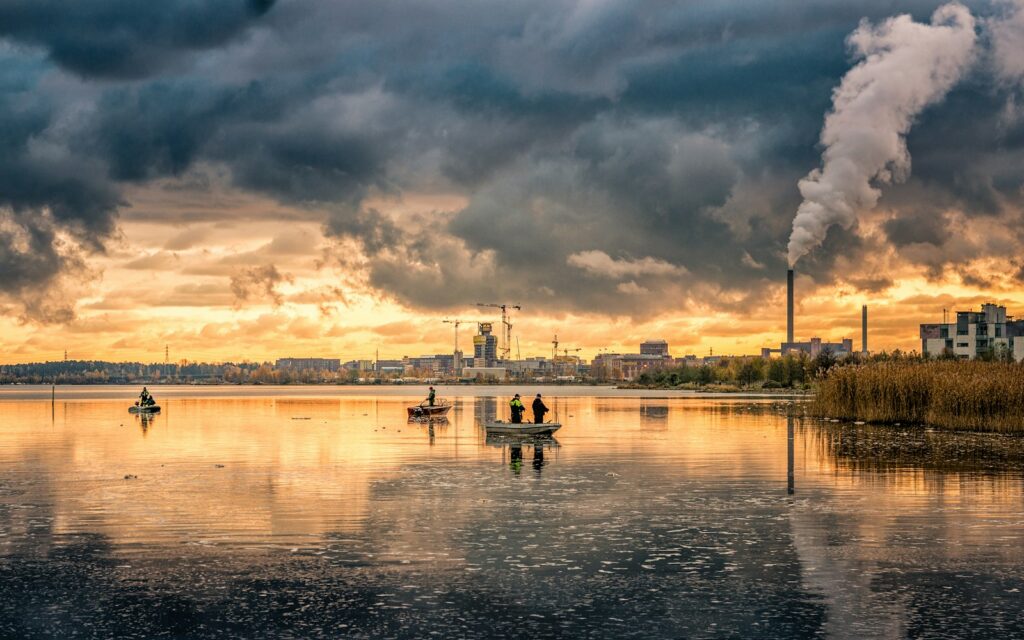
10. Understanding Environmental Changes
Children need to understand the environmental changes occurring around them. This knowledge helps them make sense of the world and the alterations they observe in their surroundings.
By explaining these changes, you empower them to recognize the signs of climate change and its impact on their daily lives. This foundational understanding is crucial for fostering environmental awareness.

9. Recognizing Health Impacts
Climate change affects children’s health in various ways, from exacerbating respiratory issues to increasing the spread of diseases.
Discussing these health risks helps children understand the importance of maintaining a healthy environment and encourages them to take preventive measures.
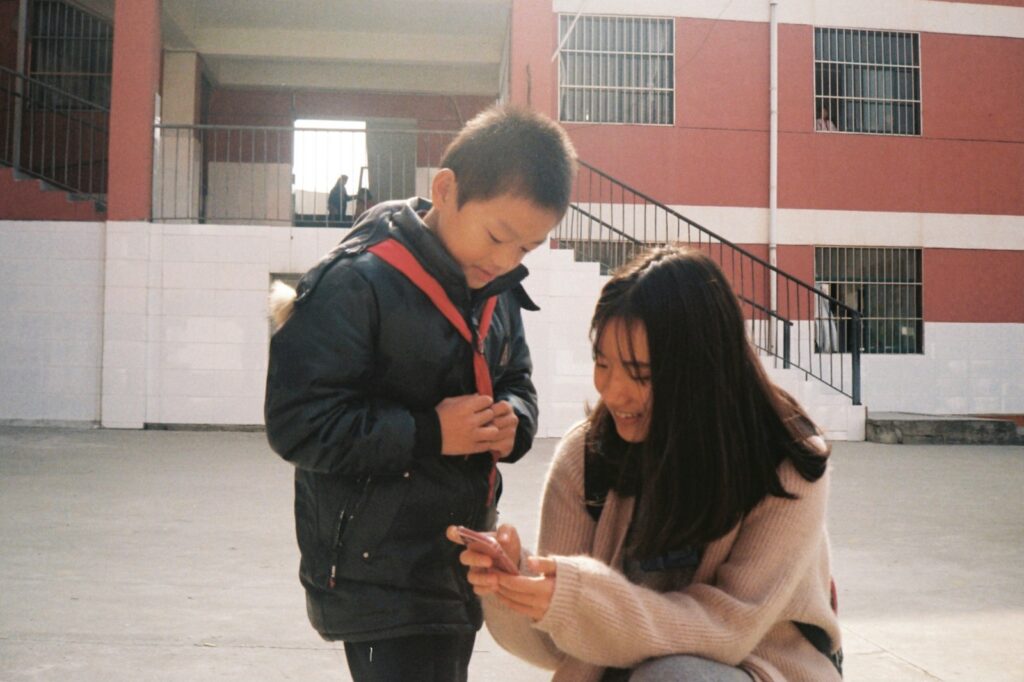
8. Addressing Climate Anxiety
Many young people experience anxiety about climate change and its implications for their future. Open discussions can help alleviate these fears.
By providing factual information and emphasizing positive solutions, you can help reduce their anxiety and empower them to take action.

7. Encouraging Problem Solving
Engaging children in conversations about climate change encourages them to think critically and creatively about solutions.
Through participatory approaches, children can learn to identify environmental problems and collaborate on innovative solutions, fostering a proactive mindset.
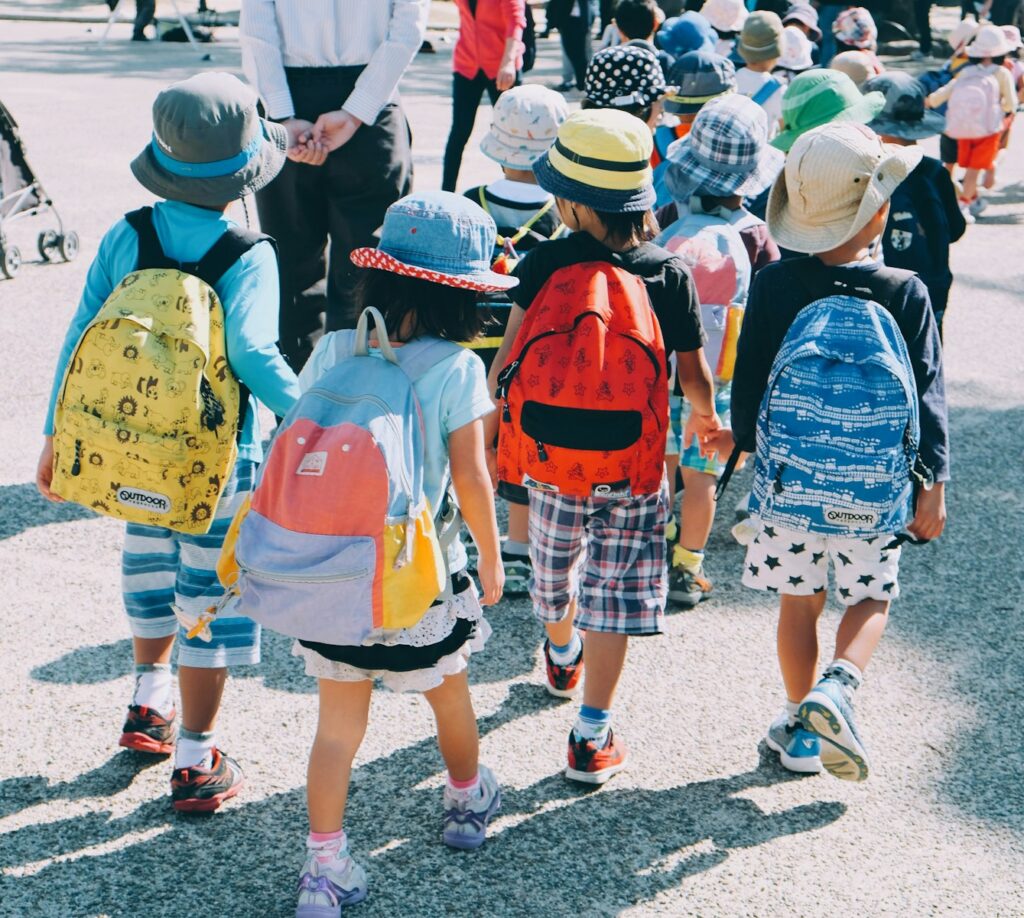
6. Highlighting Intergenerational Justice
Climate change poses issues of justice, especially between generations. It’s crucial to discuss how today’s actions impact future generations.
These conversations can instill a sense of responsibility in children to protect the environment for themselves and future generations.

5. Promoting Environmental Stewardship
Teaching children about climate change encourages them to become stewards of the environment, taking actions to protect natural resources.
By fostering a sense of stewardship, you equip them with the mindset to make environmentally conscious decisions throughout their lives.
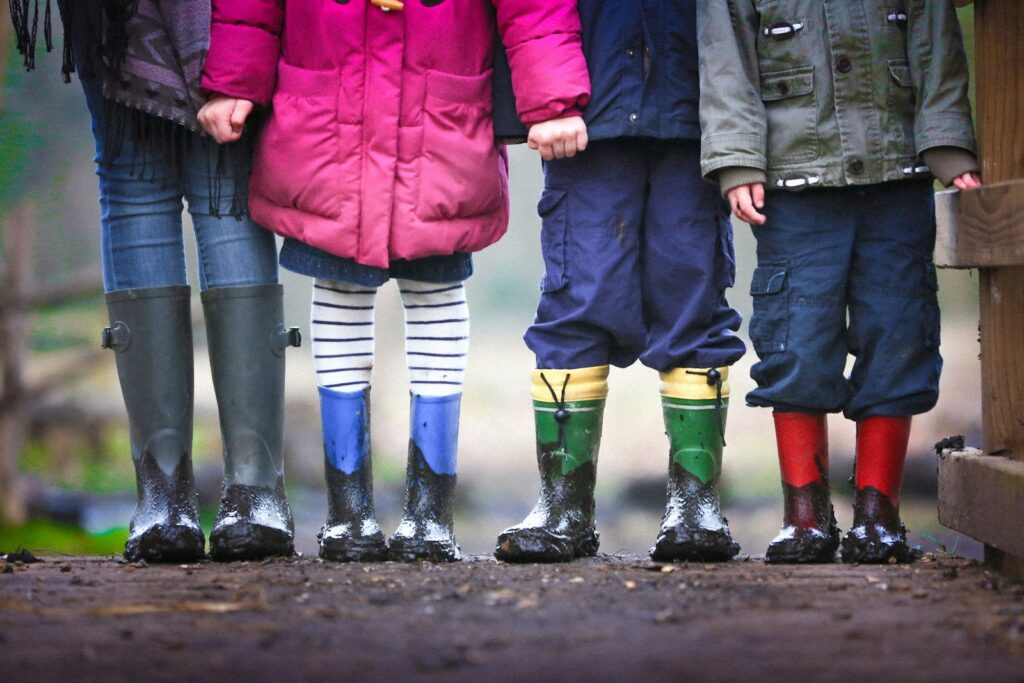
4. Building Resilience
Understanding the challenges posed by climate change helps children build resilience in the face of environmental adversity.
This resilience is vital for adapting to changes and overcoming difficulties, ensuring they can thrive despite environmental challenges.
3. Fostering Empathy for Affected Communities
Climate change affects communities differently, often hitting marginalized groups hardest. Discussing these impacts fosters empathy in children.
By understanding these disparities, children can develop a compassionate perspective and become advocates for equitable climate solutions.

2. Inspiring Action and Advocacy
Children have the potential to be powerful advocates for change. Discussing climate issues can inspire them to take action within their communities.
Whether through school projects or community initiatives, children can lead by example and inspire others to join the movement for a healthier planet.

1. Ensuring a Sustainable Future
The most compelling reason to talk to your kids about climate change is to ensure a sustainable future for them and generations to come.
By equipping children with the knowledge and tools to address climate challenges, we pave the way for a healthier, more sustainable world.
Read More:
- What to Know Before Taking Out Student Loans for Your Kid
- 10 Myths You Probably Learned as a Kid—Debunked
- 10 Ways to De-Escalate Conflicts With Your Teen
Ask us! What questions do you have about content, strategy, pop culture, lifestyle, wellness, history or more? We may use your question in an upcoming article!
Like MediaFeed’s content? Be sure to follow us.
This article originally appeared on Resourcebuzz and was syndicated by MediaFeed.co.