
10 Surprising Effects Some Video Games Have on Your Mental Health
Video games have long been viewed as a form of escapism, often criticized for isolating players from the real world. However, recent research suggests the relationship is more nuanced, with certain types of games linked to positive emotional outcomes for some players. A study involving over 2,000 adults found that specific game genres are linked to reduced loneliness and enhanced emotional resilience.
These findings suggest that the impact of gaming on mental health is more nuanced than previously thought. The study highlights the importance of game selection, with some genres providing a supportive environment for emotional growth. Here are 10 surprising effects some video games have on your mental health.
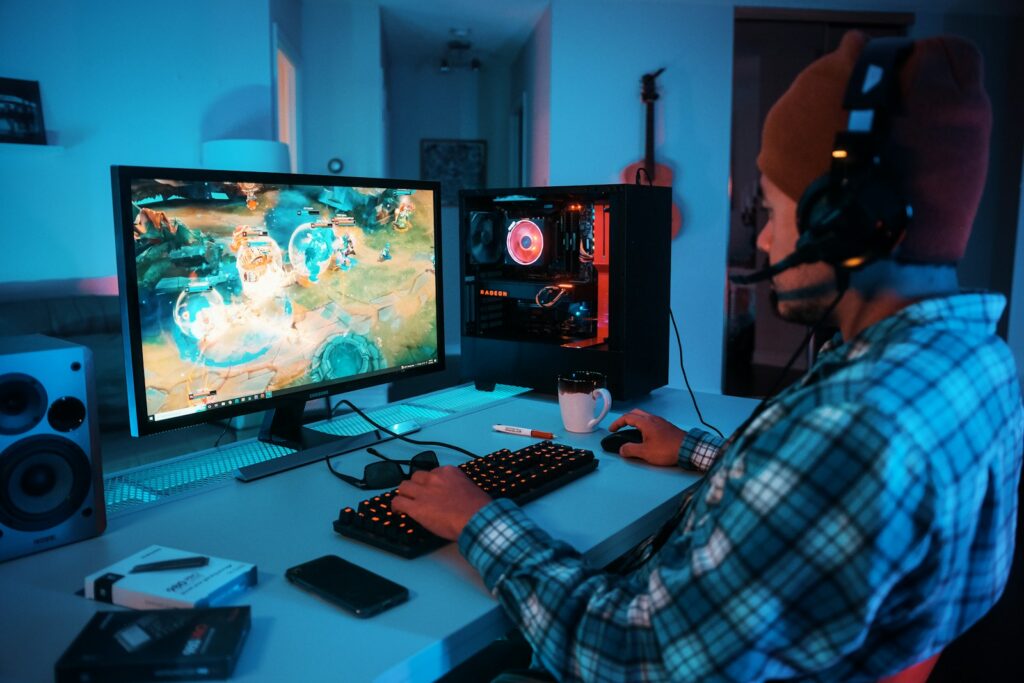
10. Open-World Games Foster Connection
Open-world games like The Legend of Zelda: Breath of the Wild offer expansive environments that encourage exploration and interaction.
These games may provide players with a sense of freedom and control, which can reduce feelings of isolation by creating a virtual space for social interaction and discovery.

9. Casual Games Enhance Relaxation
Casual games like Yoshi’s Crafted World are designed to be accessible and forgiving, offering a low-pressure environment for players.
These games can help players unwind and manage stress, contributing to a more relaxed state of mind and promoting emotional well-being.

8. Stoicism Through Gaming
Playing games that require strategic thinking and problem-solving can enhance a player’s ability to remain composed under pressure.
These games cultivate a stoic mindset, encouraging players to approach challenges calmly and bounce back from setbacks efficiently.

7. Emotional Resilience Building
Games that involve overcoming obstacles and achieving goals can help build emotional resilience in players.
This resilience is crucial for managing stress and maintaining mental health, as it helps individuals handle life’s challenges more effectively.

6. Social Interaction in Multiplayer Games
Multiplayer games create opportunities for social interaction, even when players are physically apart.
These games foster a sense of community and connection, which can alleviate feelings of loneliness and isolation.
5. Cognitive Benefits of Puzzle Games
Puzzle games challenge players to think critically and solve problems, which can improve cognitive functions.
These cognitive benefits can translate into better mental agility and improved problem-solving skills in real life.

4. Role-Playing Games and Empathy
Role-playing games (RPGs) often place players in the shoes of diverse characters, enhancing empathy and understanding.
By experiencing different perspectives, players can develop a deeper sense of empathy, which is beneficial for social interactions.

3. Stress Relief Through Rhythm Games
Rhythm games, which require players to follow musical patterns, can be a fun way to relieve stress.
The combination of music and gameplay can elevate mood and provide a temporary escape from daily stressors.

2. Mindfulness in Simulated Environments
Games that simulate real-life environments can encourage mindfulness and present opportunities for reflection.
These games allow players to engage with calm, immersive settings, which may promote relaxation and a sense of presence that can benefit mental health.

1. Cooperative Play and Teamwork
Cooperative games require players to work together towards a common goal, fostering teamwork and communication skills.
This cooperative element can improve social bonds and provide a supportive network, which is crucial for mental well-being.
Read More:
- 5-Minute Mental Health Check-Ins You Can Do Anywhere
- 15 Tiny Mindset Changes That Can Improve Your Mental Health
- The Health Risks of Being “Always On”: Digital Detox Strategies That Work
Ask us! What questions do you have about content, strategy, pop culture, lifestyle, wellness, history or more? We may use your question in an upcoming article!
Like MediaFeed’s content? Be sure to follow us.
This article originally appeared on Resourcebuzz and was syndicated by MediaFeed.co.