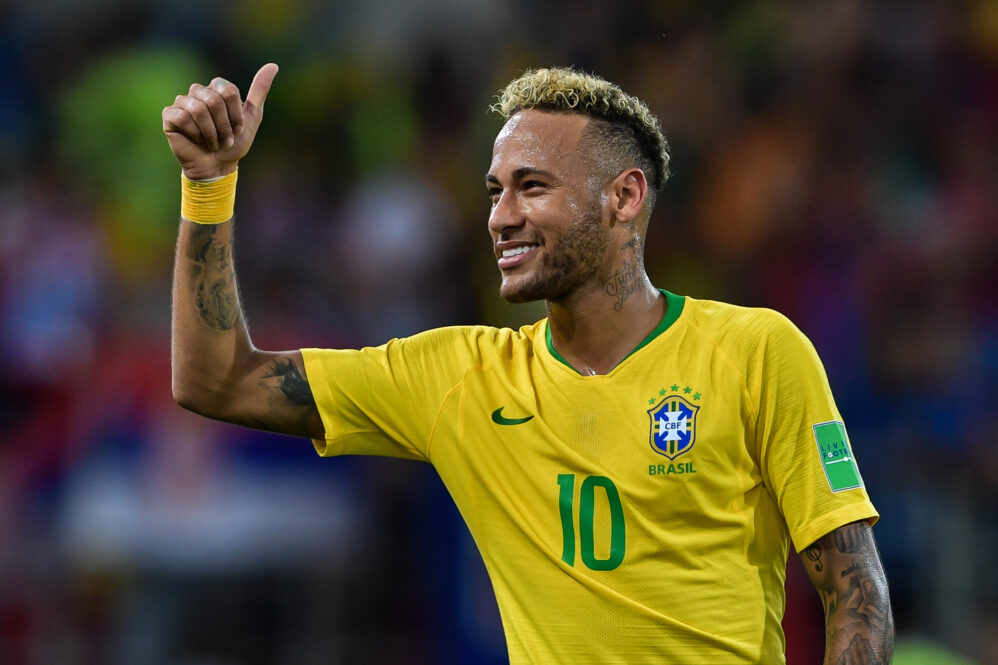
Can AI predict who wins the World Cup?
Someone is going to try to answer that question whether we ask it or not. The 2026 World Cup is underway, 48 nations are competing across three host countries, and predictive models everywhere are running their numbers. The more interesting question isn’t whether AI can make a prediction; it’s how seriously to take one, and what it actually does when given enough real data to work with.
ActionNetwork.com fed over 1,200 data points across 25 variables into an AI model covering all 48 qualified nations, then asked it to predict the entire tournament from group stage through final. The result was 57 pages and 19,000 words of match-by-match analysis. Here is what it found, country by country.
France
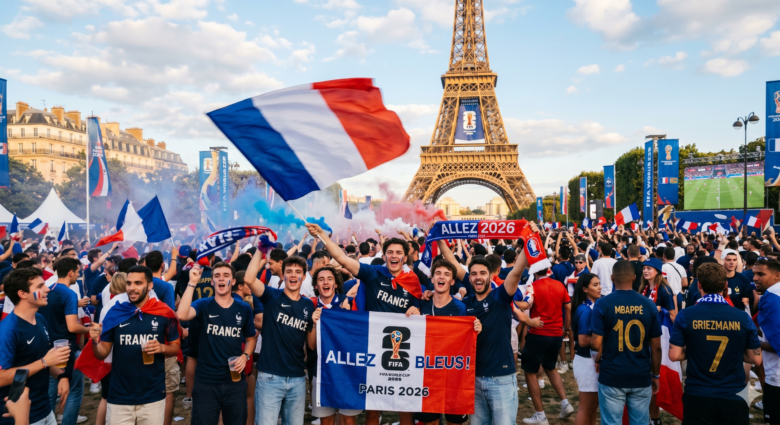
The model’s case for France rests on four pillars that, taken together, are difficult to argue with on paper. France holds the world’s number one FIFA ranking as of June 2026. Their squad is valued at €1.48 billion, the highest of any nation in the tournament. Kylian Mbappé is operating at a level that few players anywhere in the competition can match. And Didier Deschamps has been in charge for 14 years, a tenure that represents institutional knowledge no short-appointment coach can replicate. ActionNetwork justified its choice by pointing to all four factors simultaneously, not just the star player, which is the more honest way to model a team sport.
Argentina
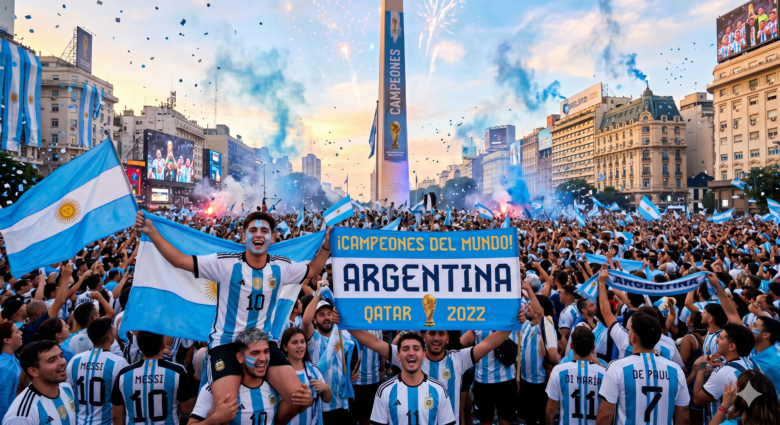
The reigning champions are predicted to reach the final but fall short against France. Argentina’s defending champion status, Lionel Messi’s continued influence on the squad’s structure and mentality, and a qualifying campaign that demonstrated depth across the roster all contributed to the model placing them in the final. The gap between them and France, in the model’s reading, comes down to squad value and FIFA ranking rather than any single tactical factor. ActionNetwork’s full group-stage analysis traces the reasoning from the opening round onward for anyone who wants to follow it match by match.
England and Spain
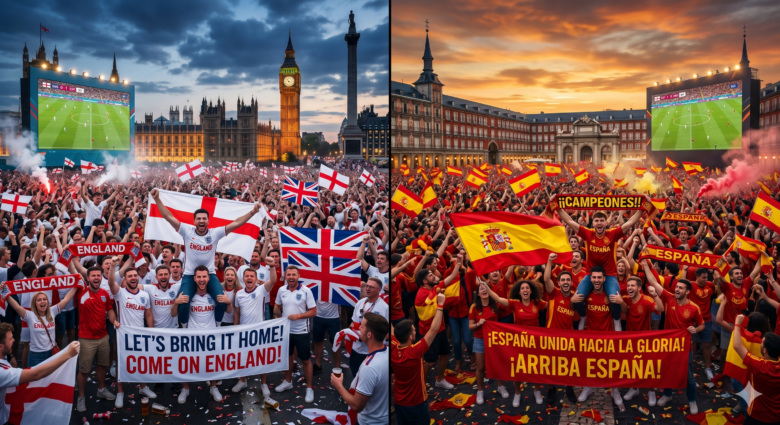
The model puts England and Spain on opposite sides of the bracket, both reaching the final four and falling short of the final. England’s deep squad resources and consistent qualifying form drove their projection. Spain’s possession-based system and recent continental pedigree did the same. Neither prediction is particularly surprising, which is either a sign that the model is working correctly or that it defaults to established programs when historical data is weighted heavily.
Norway
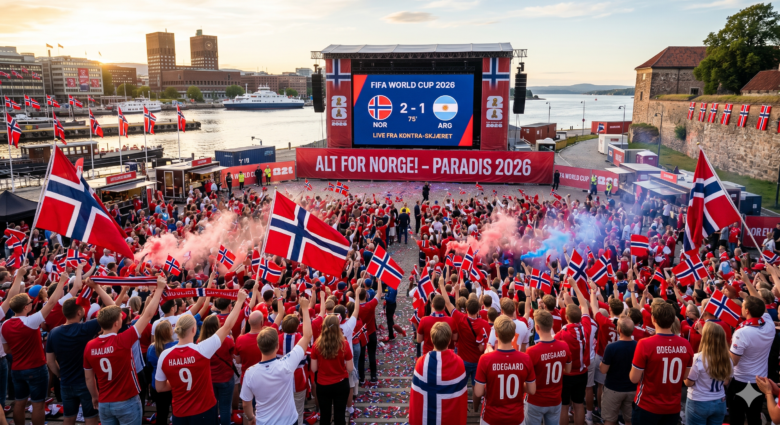
The most interesting prediction in the entire analysis is the dark horse designation for Norway. ActionNetwork named them the most likely surprise of the tournament, pointing to Erling Haaland’s 16-goal club season, Martin Ødegaard’s seven assists from midfield, and a qualifying campaign that was genuinely dominant by any statistical measure. This is Norway’s first World Cup since 1998, meaning historical tournament data works against them. The model flagged them anyway because the current squad quality overrides the historical absence. That is exactly the kind of finding a data-heavy model should produce — something the eye test might miss.
The dark horses
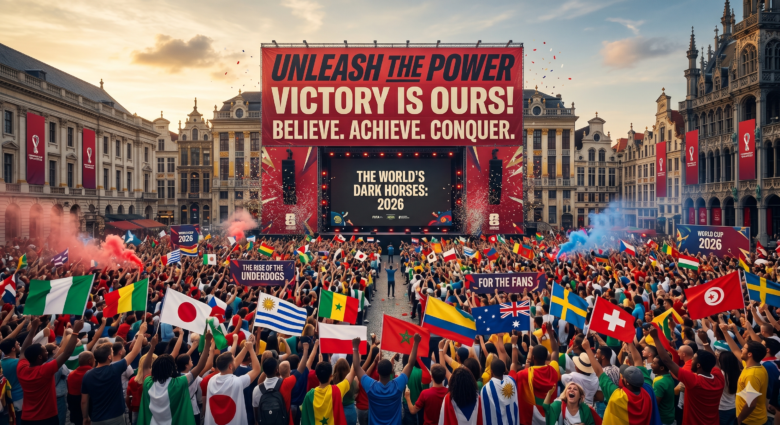
The model rounds out its top-five dark-horse list with four nations that represent different regions and footballing traditions. Austria brings European tactical organization and a young squad with significant upside. Bosnia and Herzegovina carries an individual quality that can outperform its structural limitations on a given day. Morocco arrived as the team that proved at the 2022 World Cup that African football had genuinely closed the gap with the traditional powerhouses. DR Congo bring athleticism and attacking pace that is difficult to model against. ActionNetwork identified all five dark horses by asking the model to find nations where current data outperform historical expectations, which is a more useful question than simply asking who the favorites are.
The bottom line
France is the rational pick, and the data support it. The World Cup has a long history of disregarding what the data supports, which is precisely why a tournament that could theoretically be settled by an algorithm continues to fill stadiums and produce moments no model could have predicted. But if you are going to back the numbers, the numbers say France.
Ask us! What questions do you have about content, strategy, pop culture, lifestyle, wellness, history or more? We may use your question in an upcoming article!
Related:
Like MediaFeed’s content? Be sure to follow us.
This article was syndicated by MediaFeed.co.