
10 Tips to Avoid Political Outrage on Social Media
Social media platforms were initially designed to connect us with friends and family, but over time, they’ve evolved into powerful tools for influence, particularly in the political realm. The algorithms that drive these platforms often prioritize content that triggers strong emotional responses like anger and outrage, leading to increased polarization and strained relationships.
Understanding how these mechanisms work can help you navigate social media more effectively, ensuring that you maintain healthy relationships and reduce political stress. Here are 10 tips to help you avoid political outrage on social media.

10. Recognize the Influence of Algorithms
Social media algorithms are designed to keep you engaged by showing content that provokes strong emotions.
Being aware that your emotional reactions are often influenced by these algorithms can help you take a step back and assess content more critically.

9. Deliberately Seek Diverse Perspectives
Exposure to a variety of political viewpoints can reduce perceived polarization.
Since algorithms won’t naturally provide this diversity, it’s important to consciously follow accounts with differing opinions to broaden your perspective.

8. Differentiate Between Disagreement and Contempt
Disagreement is a healthy part of democracy, but contempt can lead to division.
If you find yourself feeling contempt rather than simple disagreement, it may be a sign that social media is amplifying negative emotions.
7. Limit Your Exposure to Political Content
Reducing the amount of political content you consume can decrease stress and improve your mood.
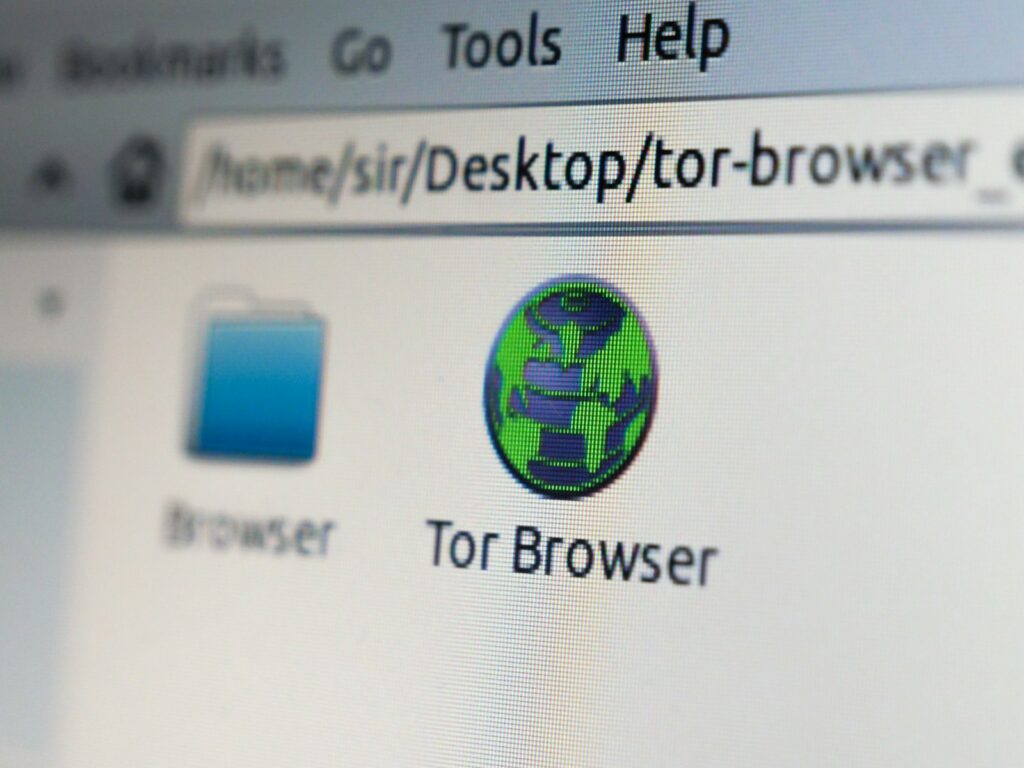
Consider using tools or browser extensions to filter out extreme or inflammatory posts from your feed.

6. Engage in Constructive Conversations
Focus on engaging in meaningful discussions rather than debates that escalate into arguments.
Approach conversations with an open mind and a willingness to understand the other person’s viewpoint.

5. Take Regular Breaks from Social Media
Taking breaks from social media can help you reset and reduce emotional exhaustion.
Consider setting specific times for social media use and stick to them to maintain a healthy balance.

4. Verify Information Before Sharing
Sharing unverified information can contribute to misinformation and increased polarization.
Always check the credibility of sources and verify facts before sharing content with your network.

3. Unfollow or Mute Toxic Accounts
If certain accounts consistently make you feel angry or distressed, consider unfollowing or muting them.
This helps curate a more positive and constructive social media environment for yourself.

2. Reflect on Your Emotional Responses
Take time to reflect on why certain content triggers strong emotions in you.
Understanding your emotional responses can help you manage them better and reduce the likelihood of reacting impulsively.

1. Focus on Building Real Connections
Remember that social media should be a tool for connection, not division.
Prioritize interactions that strengthen your relationships and contribute positively to your social network.
Read More:
- 10 Surprising Reasons Successful People Quit Social Media
- The Wellness Benefits of Being Bored (Yes, Really)
- 15 Red Flags That Scream “Fake News”
Ask us! What questions do you have about content, strategy, pop culture, lifestyle, wellness, history or more? We may use your question in an upcoming article!
Like MediaFeed’s content? Be sure to follow us.
This article originally appeared on Resourcebuzz and was syndicated by MediaFeed.co.