
15 Natural Ways to Reduce Inflammation
Inflammation isn’t always a bad thing. In fact, it’s one of the body’s natural defense mechanisms, helping fight infections and heal injuries. The problem occurs when inflammation becomes chronic, lingering long after it’s needed and potentially contributing to conditions such as heart disease, type 2 diabetes, arthritis, and other health concerns.
While no single food or habit can eliminate inflammation entirely, research suggests that certain lifestyle choices may help support a healthier inflammatory response. Here are 15 natural ways to reduce inflammation and support your overall well-being.
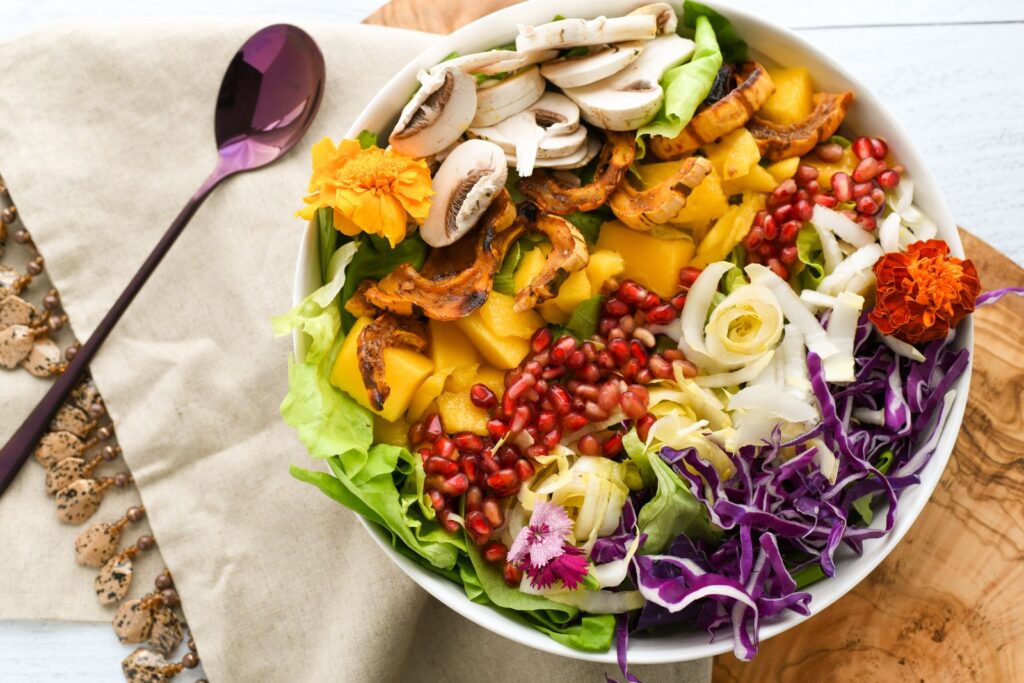
15. Eat More Colorful Fruits and Vegetables
Brightly colored fruits and vegetables are packed with antioxidants and plant compounds that help protect cells from damage.
Aim to fill your plate with a variety of berries, leafy greens, peppers, tomatoes, carrots, and other colorful produce throughout the week.

14. Cut Back on Ultra-Processed Foods
Many highly processed foods contain added sugars, refined carbohydrates, and unhealthy fats that have been linked to increased inflammation.
Choosing whole foods more often can help support better long-term health.
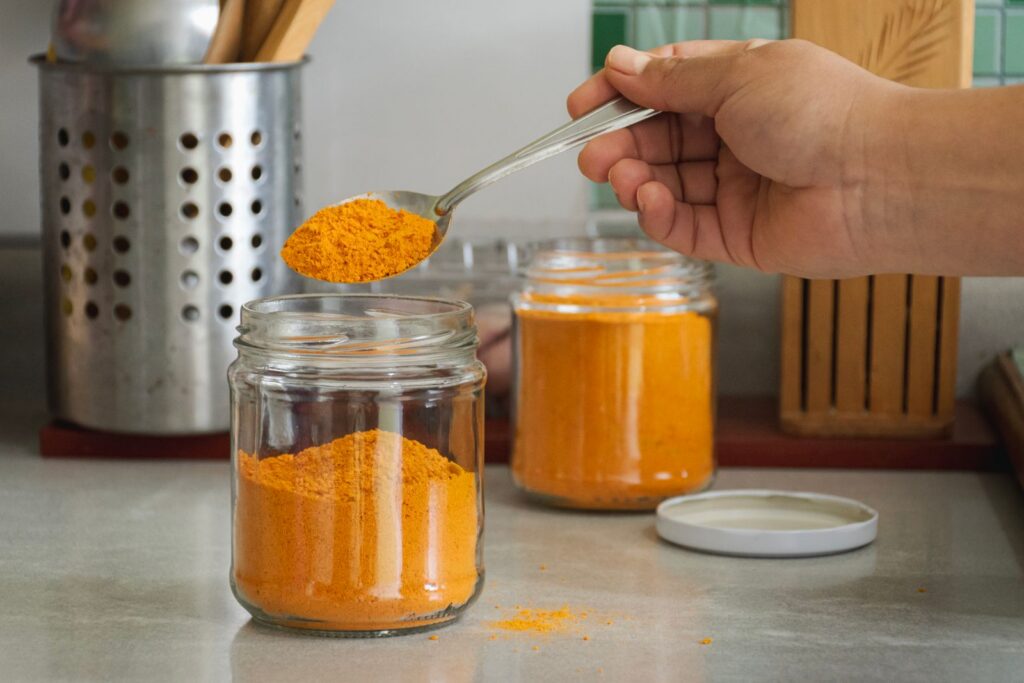
13. Add Turmeric and Ginger to Your Meals
Turmeric contains curcumin, while ginger contains several bioactive compounds that have been studied for their anti-inflammatory properties.
They may not be miracle cures, but they can be flavorful additions to a healthy diet.

12. Exercise Regularly
Regular physical activity can help reduce inflammatory markers while supporting heart health, weight management, and overall wellness.
Even brisk walking, cycling, swimming, or gardening can make a meaningful difference.

11. Prioritize Quality Sleep
Poor sleep has been linked to higher levels of inflammation.
Most adults should aim for seven to nine hours of quality sleep each night to support both physical and mental health.

10. Manage Stress Levels
Chronic stress can contribute to inflammation throughout the body.
Meditation, deep breathing exercises, journaling, spending time in nature, and other relaxation techniques may help reduce stress’s impact.

9. Stay Hydrated
Water supports countless functions throughout the body, including circulation, digestion, and temperature regulation.
While hydration isn’t a cure for inflammation, staying properly hydrated supports overall health and recovery.
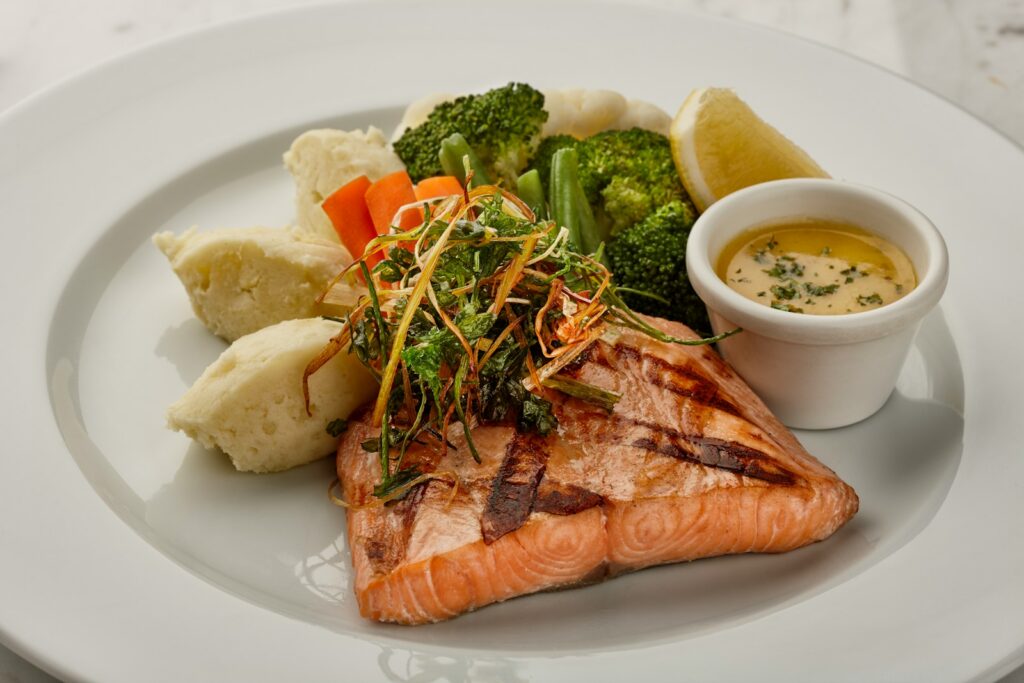
8. Eat More Omega-3 Fatty Acids
Omega-3 fats found in salmon, sardines, flaxseeds, chia seeds, and walnuts have been widely studied for their potential anti-inflammatory benefits.
Many experts recommend increasing omega-3 intake while reducing excessive consumption of highly processed fats.

7. Maintain a Healthy Weight
Excess body fat, particularly around the abdomen, is associated with increased inflammatory activity.
Even modest weight loss can help improve inflammatory markers in some individuals.
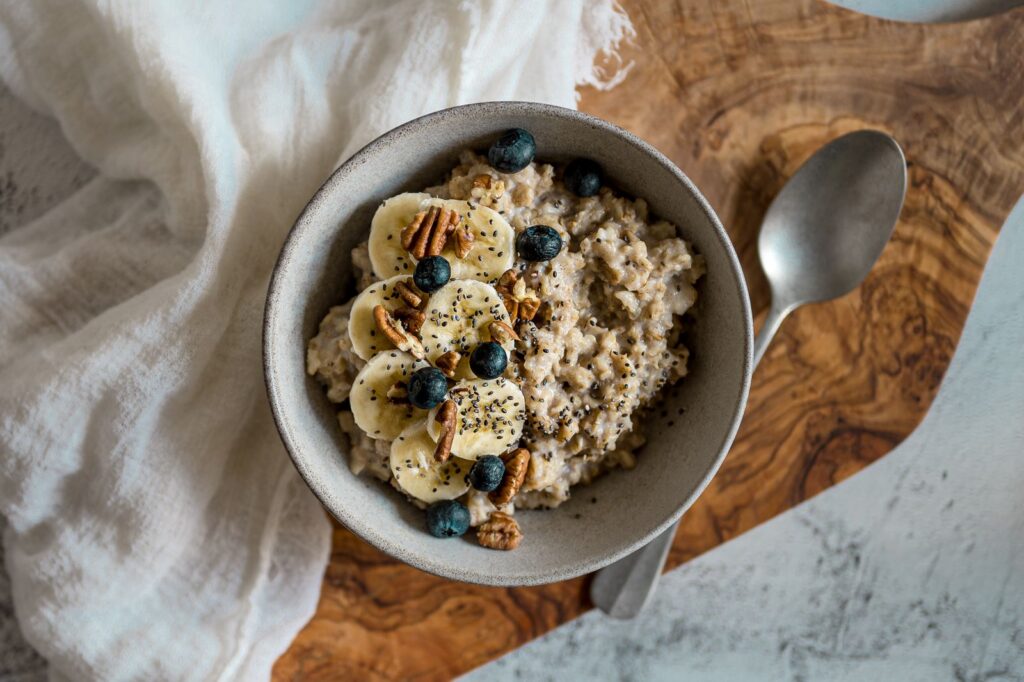
6. Choose Whole Grains More Often
Whole grains such as oats, brown rice, quinoa, and barley provide fiber and nutrients that support gut health and may help reduce inflammation over time.

5. Limit Excess Alcohol
Moderate alcohol consumption may fit into some healthy lifestyles, but excessive drinking has been linked to increased inflammation and numerous health problems.
For many people, drinking less alcohol is a healthier choice.
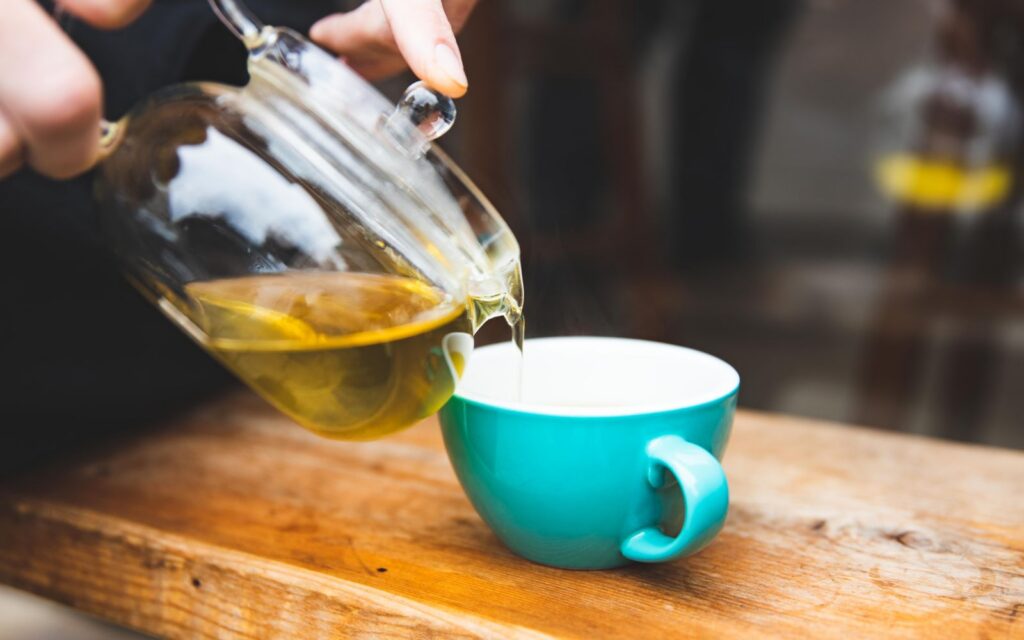
4. Drink Green Tea
Green tea contains catechins and other plant compounds that may support overall health as part of a balanced diet.
It’s also a simple way to replace sugary beverages with a lower-calorie alternative.

3. Avoid Artificial Trans Fats
While trans fats have largely been removed from the food supply, they can still appear in some processed foods.
Reading labels and minimizing heavily processed snacks can help reduce exposure.
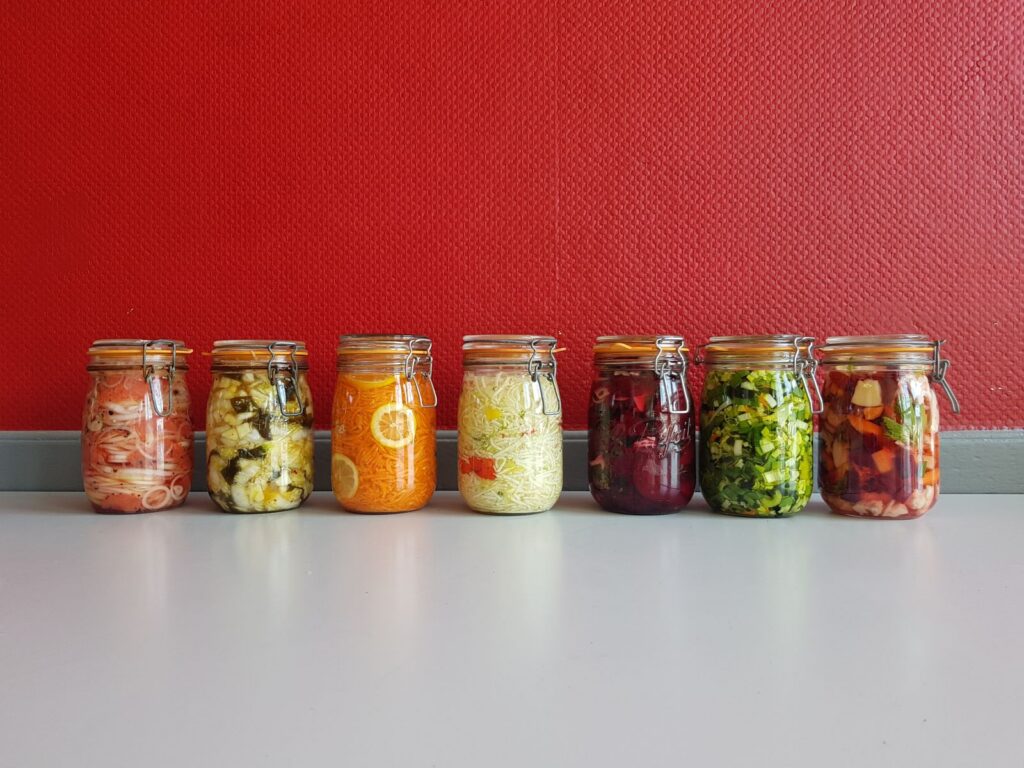
2. Support Your Gut Health
A healthy gut microbiome may play an important role in regulating inflammation.
Eating fiber-rich foods, fermented foods, fruits, vegetables, and whole grains can help support beneficial gut bacteria.

1. Build Strong Social Connections
One of the most overlooked anti-inflammatory tools may be human connection.
Research has linked strong social relationships, lower stress levels, and better overall health outcomes. Spending time with friends, family, and supportive communities can benefit both mental and physical well-being.
Read More:
- These 15 “Healthy” Foods Are Way More Popular Than They Are Tasty
- 10 Common Foods That May Help Reduce Inflammation
- 10 Vegan Dishes That Even Meat Lovers Will Like
Ask us! What questions do you have about content, strategy, pop culture, lifestyle, wellness, history or more? We may use your question in an upcoming article!
Like MediaFeed’s content? Be sure to follow us.
This article originally appeared on Resourcebuzz and was syndicated by MediaFeed.co.