
The real estate mistakes your favorite ’80s rock stars made
The money that moved through rock and roll in the 1980s was, by any reasonable standard, extraordinary. Stadiums sold out. Records went platinum. And yet a remarkable number of the decade’s biggest names found themselves on the wrong side of a property line before it was over, undone by bad timing, high interest rates, or just the simple human tendency to buy more than anyone actually needs.
Here’s what happened.
Mick Fleetwood
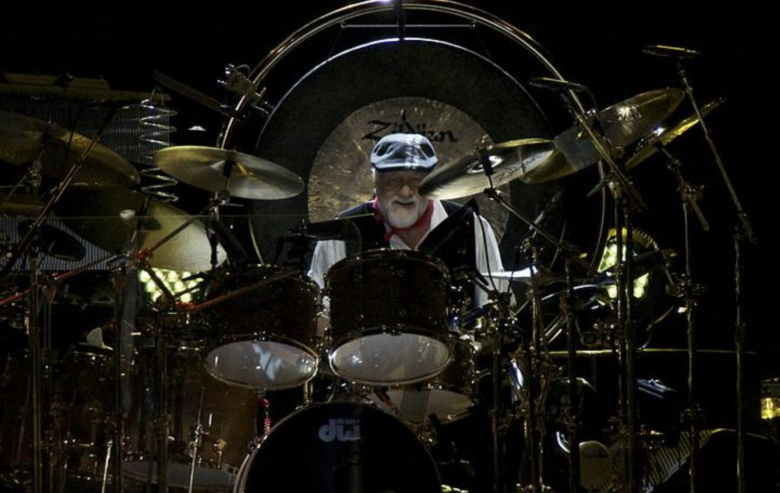
One of the rare cases where the artist diagnosed the problem in plain English. Rolling Stone quoted Fleetwood directly: “Basically, I bought too much real estate. Bank loans and payments go funny. You just go too far into debt.” His lawyer noted that Fleetwood loved “magnificent pieces of real estate” and had acquired more than the income could float at 1980s interest rates. Separately, Fleetwood bought a thousand-acre farm in Australia, a whimsical decision, complete with eight houses and a fishing lake. The bankruptcy followed. What’s worth sitting with is how ordinary the mechanism was — not fraud, not drugs, just a talented person who thought the money was a permanent condition rather than a window.

Willie Nelson
In November 1990, federal agents didn’t send a letter. Rolling Stone states they seized properties across six states alongside master tapes, touring equipment and gold records. The IRS initially put the total debt at $32 million, later settling it at $16.7 million, with $10.2 million of that in interest and penalties alone. Nelson had been so worried about door receipts being seized that he’d stopped doing live shows entirely. The income that was supposed to service the properties had to be shut off to protect what was left of them.

Prince
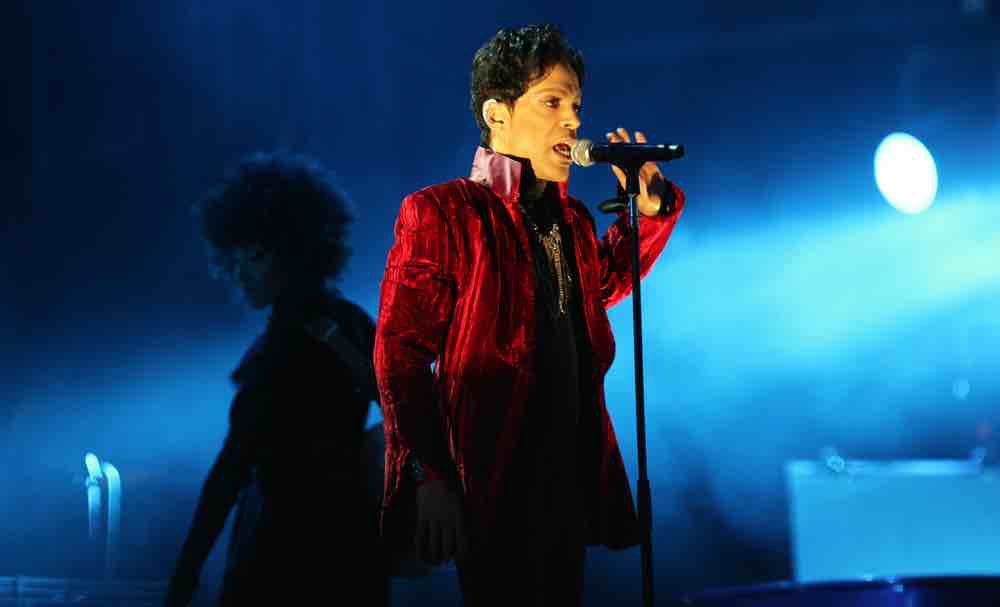
Rolling Stone documented $450,000 in back property taxes on Prince’s real estate, including $227,000 specifically on Paisley Park. The compound was never just a recording studio. It was a live-in creative universe that cost significant money to maintain, and property taxes on a facility of that size in Carver County, Minnesota, are not small. They went unmanaged long enough to generate a public lien on the thing he’d built to be permanent.

David Crosby
Crosby’s problem wasn’t too many properties. It was one house with nothing left to support it. Rolling Stone’s interview documents that after the pandemic ended touring, he told the magazine plainly: “I don’t have any savings.” He sold his publishing catalog to stabilize his finances and save the house. The house survived. The royalty income that had made the life inside it possible did not.

The general principle the decade kept proving
Ultimate Classic Rock’s list of twenty rock stars who went broke shows the same pattern repeating. The money came in fast, it looked permanent, and the property purchases followed that assumption. When tours slowed or interest compounded or the market shifted, the properties remained and the income didn’t. Real estate is, among other things, a very visible record of what someone believed about the future at a specific moment. The 1980s produced a lot of that evidence.

The bottom line
Nobody in the middle of a stadium tour in 1985 was thinking clearly about variable interest rates or what happens to an Australian farm when the record stops selling. The money felt like a fact of life. For most of these artists, it was a window, and the property they bought while it was open became the most visible record of the moment it closed.
Ask us! What questions do you have about content, strategy, pop culture, lifestyle, wellness, history or more? We may use your question in an upcoming article!
Related:
Like MediaFeed’s content? Be sure to follow us.
This article was syndicated by MediaFeed.co.



