
Boomers: Do you remember these throwback healthy habits?
There’s a particular kind of competence that doesn’t show up on a resume, the kind where someone just knows how to do a thing because they grew up doing it. A handful of genuinely healthy habits fall into that category for Boomers specifically, things that look almost old-fashioned now but that the research keeps quietly validating anyway.
Here’s what actually held up.

Cooking from scratch, daily, without a recipe
This wasn’t really a hobby growing up; it was just what happened at dinnertime, no big deal, no Instagram post about it. CrunchyTales describes the actual mechanics of it: a half-stocked pantry, whatever happens to be in the fridge, somehow dinner still shows up on the table. There’s a reason this connects to better nutrition, too, and it’s not complicated. When you’re the one cooking, you’re the one deciding how much salt goes in, what actually ends up on the plate; none of that gets outsourced to a delivery app’s menu.

Walking and moving as a built-in part of the day
Harvard Health doesn’t hedge on this one. Regular movement protects blood pressure, blood sugar, bone density, mood, all of it, no matter how old you are when you start. What’s interesting about how Boomers did this growing up is that almost nobody called it exercise. It was just walking to run an errand, mowing a lawn, staying generally active because that’s what the day required, not because a gym membership told them to.

Real face-to-face conversation
A 2025 piece on retained Boomer habits describes the specific behaviors: phone face down or pocketed, full eye contact throughout an entire story, and no photographing the food. Sustained attention during conversation is something research on relationships and mental health consistently links to actual well-being, even as most people across generations struggle to put it into practice consistently.
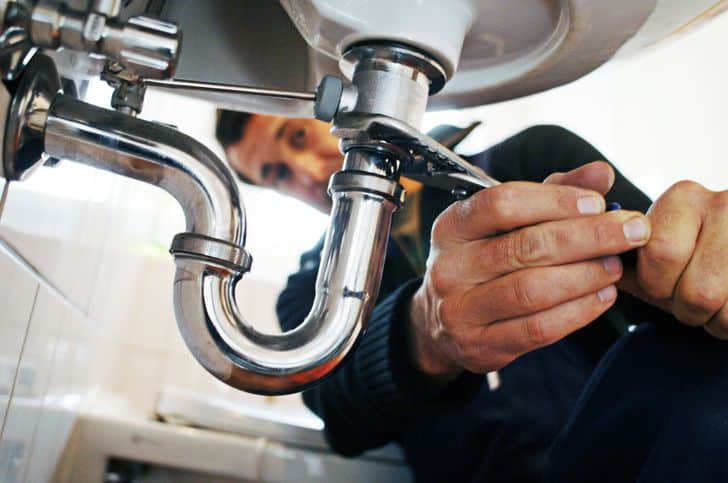
Repairing things instead of replacing them
The Anxious Adult notes this habit is specifically resurging now among younger generations facing higher costs, but it originated as a default Boomer behavior, fixing a chair, mending a shirt, rather than treating it as disposable. The habit isn’t really about health directly. It’s about a slower, less consumption-driven relationship to daily life that correlates with lower financial stress.

Getting preventive screenings on schedule
AARP documented Boomers significantly increasing colorectal screening rates and flu and pneumonia vaccination rates over the past decade, the kind of unglamorous, recurring medical maintenance that prevents bigger problems years down the line. It’s not exciting. It’s also one of the more measurable ways this generation has actually improved on its own prior numbers.

A consistent sleep and wake schedule tied to actual daylight
Growing up mostly without screens messing with their circadian rhythm the way phones do now, plenty of Boomers just kept that same structure going, same bedtime, same wake time, decades later, mostly without even thinking about it. Harvard Health puts consistent sleep right up there as one of the core habits that actually holds up, and not for vague reasons either; it’s tied directly to immune function, weight regulation, and how sharp your thinking stays.

The bottom line
None of this requires special equipment or some elaborate system. These were just normal things people did, woven into an ordinary day rather than packaged up as a wellness trend with a subscription attached. The research backs all of it up pretty consistently. What’s actually hard, and has been for every generation since, is holding on to habits once they’re no longer the thing everyone just does without thinking.
Ask us! What questions do you have about content, strategy, pop culture, lifestyle, wellness, history or more? We may use your question in an upcoming article!
Related:
- Grandma’s remedies meet modern medicine: health apps that actually work.
- 15 foods that seem healthy but often aren’t
Like MediaFeed’s content? Be sure to follow