The sports boomers and millennials love that Gen Z barely plays
Walk into most country clubs and the average age in the clubhouse tells you that something is off; the participation numbers confirm with actual data. The sports that defined an entire generation’s idea of weekend leisure are quietly becoming a generational fault line because the younger generations grew up with entirely different defaults. The numbers on this are sharper than the stereotype suggests.
Here’s where the gap actually shows up.

Golf
The traditional image of golf, eighteen holes, a foursome, a cart, four hours of someone’s afternoon, is overwhelmingly a Boomer and older Millennial picture. Lightspeed Commerce found that when Gen Z does golf, they’re doing it differently: 76% prefer solo rounds and 68% are visiting golf entertainment venues like Topgolf rather than actual courses. The sport survives with Gen Z. It just doesn’t look anything like what their grandparents meant by golf.

Bowling
There was a stretch of decades where bowling leagues were a normal Tuesday night activity for working adults, the kind of standing weekly commitment nobody questioned. That entire social infrastructure largely belonged to Boomers and it mostly didn’t get passed down. The league format itself, recurring, team-based, scheduled weeks in advance, runs against almost everything about how younger generations organize their free time now.

Tennis
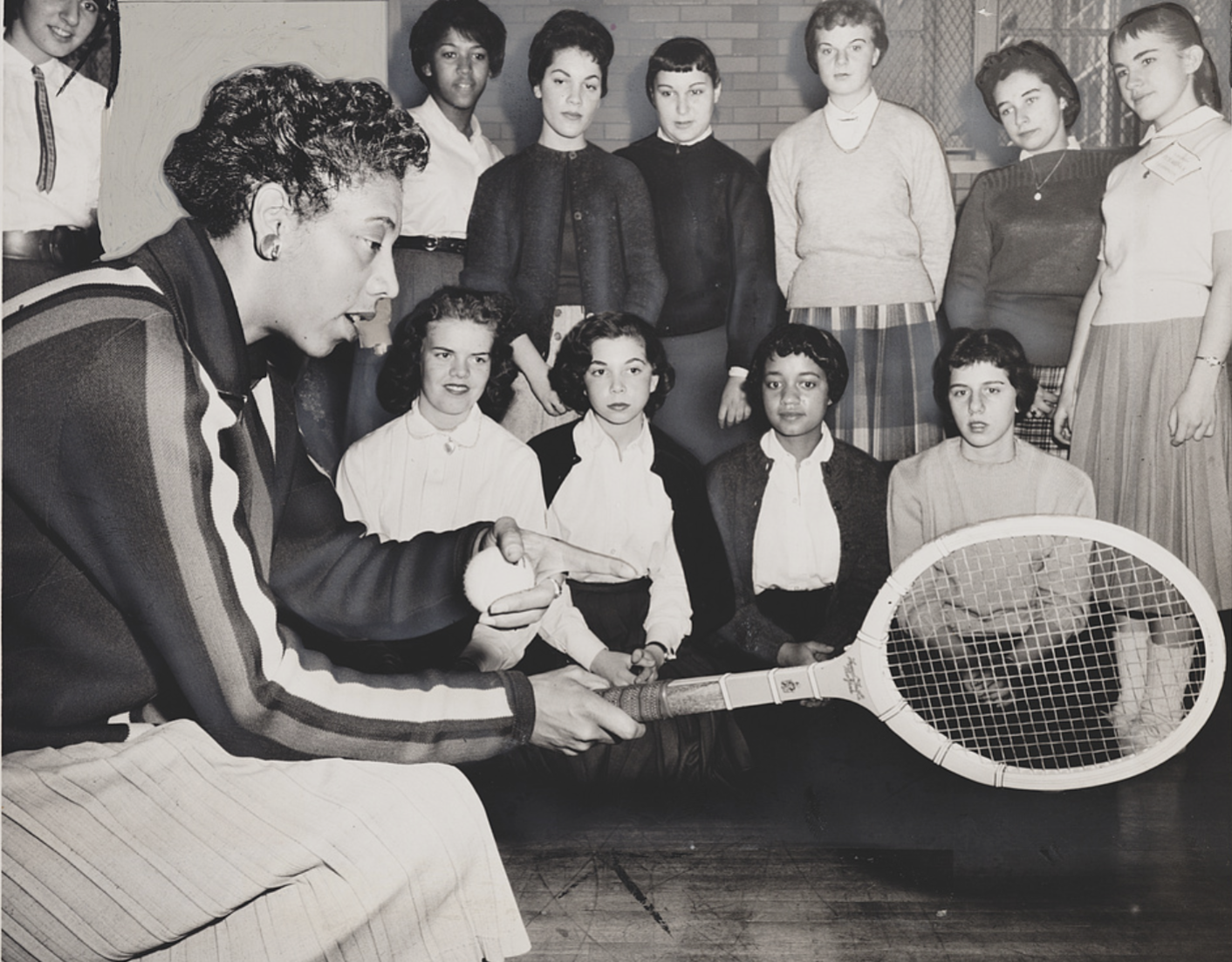
A UK industry report on declining sports interest found tennis viewership among young people fell from 13% in 2019 to 10% in 2024, one of the steepest drops tracked. Tennis demands a partner, a court reservation, and a real-time commitment, three things that compete directly with the more flexible, drop-in fitness options Gen Z tends to gravitate toward instead.

Recreational softball and slow-pitch leagues
Company softball teams and community slow-pitch leagues were a fixture of suburban American summers for Boomers and Gen X. Statista data shows Boomers post the lowest overall individual sport participation now, but the team league format specifically skews even older, since it requires the kind of stable local community and consistent free evenings that fewer young adults have these days.

Avid spectator fandom across the board
Statista found 41% of Millennials describe themselves as avid sports fans, a figure that drops to just 18% among Boomers, but the more striking generational split is in how Gen Z engages. Axios notes that sports interest appears to have peaked among Millennials, with Gen Z showing early signs of decline that’s accelerating with Gen Alpha behind them, driven largely by an overwhelming amount of competing content.

Recreational fishing in its traditional form
Fishing remains a generational touchstone for many Boomers, often tied to specific memories, a particular lake, or a father or grandfather who taught them. Younger generations fish too, but increasingly through different access points, charter trips, fishing-adjacent content on social media, rather than the standing weekly ritual older anglers describe.
The bottom line
None of this means Gen Z dislikes physical activity. Statista actually shows Gen Z leading all generations in outdoor sports participation. What’s disappearing is a specific, older format: the scheduled, repetitive, club-based version of leisure that Boomers and Millennials grew up treating as normal. The activity didn’t vanish. The structure around it did.
Ask us! What questions do you have about content, strategy, pop culture, lifestyle, wellness, history or more? We may use your question in an upcoming article!
Related:
Like MediaFeed’s content? Be sure to follow us.
This article was syndicated by MediaFeed.co.