What Grocery Shopping Was Like Before Supermarkets
Today, grocery shopping usually means pushing a cart through brightly lit aisles filled with thousands of products. Need bread, milk, soap, and frozen pizza? You can grab everything in one trip and check out in minutes.
For most of history, however, buying food looked very different. There were no shopping carts, no self-service aisles, and certainly no one-stop stores carrying everything under one roof.
Here’s what grocery shopping was like before supermarkets changed the way we buy food.
15. Most Shopping Happened at Multiple Stores
Before supermarkets, families rarely purchased everything in one place.
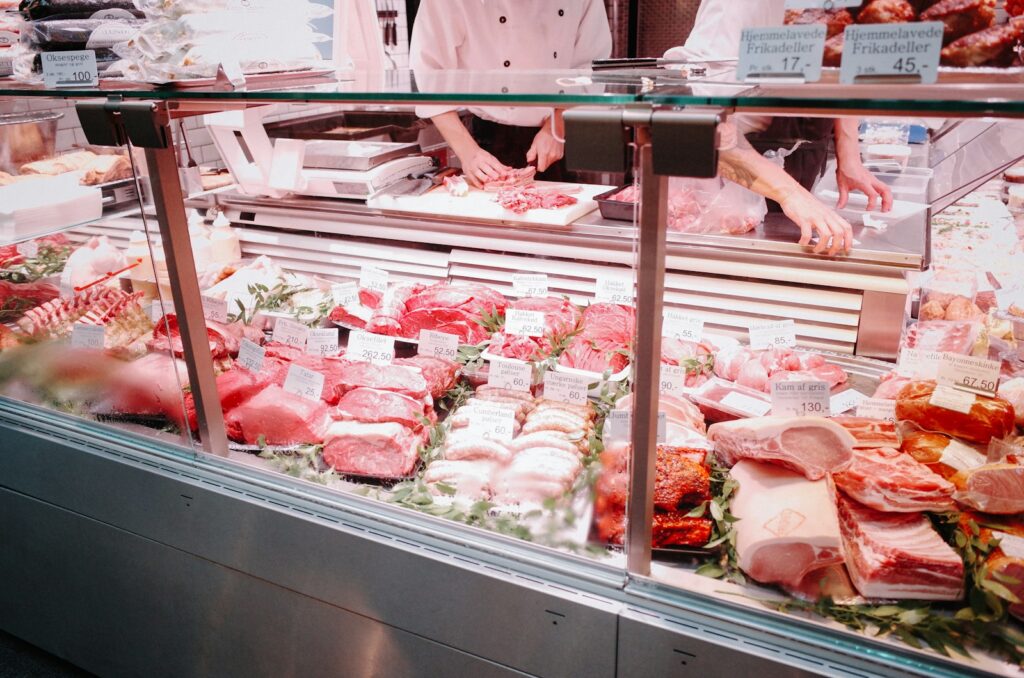
A typical shopping trip might involve separate visits to a butcher, baker, produce stand, dairy shop, fishmonger, and general store. Each specialized in a particular category of goods.
Running errands often meant visiting half a dozen businesses instead of just one.
14. Customers Didn’t Browse Aisles
One of the biggest differences was the absence of self-service shopping.
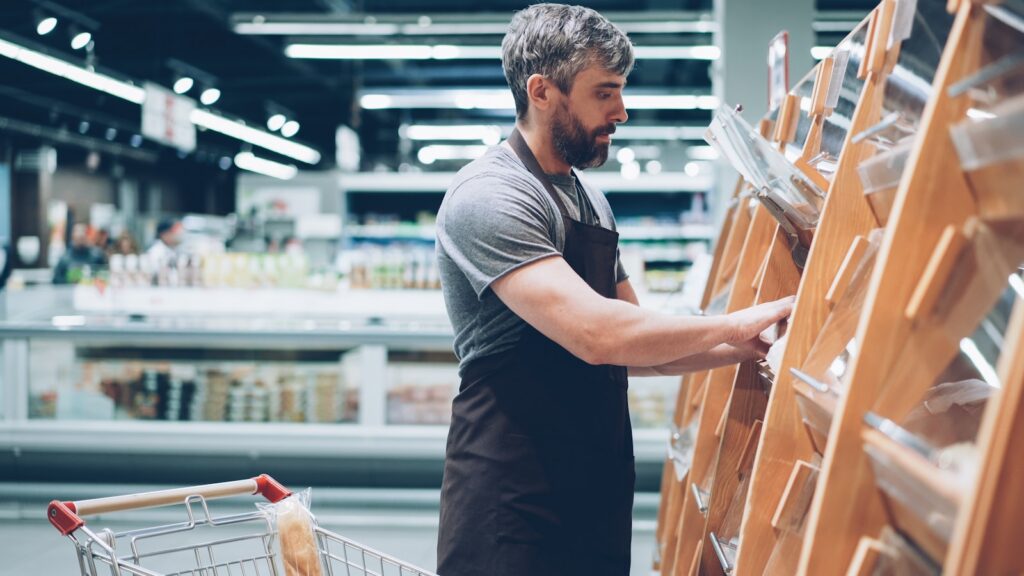
Instead of wandering through aisles, customers handed a list to a clerk who gathered the items behind a counter. Many products were stored on shelves that shoppers couldn’t access directly.
The clerk essentially acted as both salesperson and personal shopper.
13. Most Food Was Sold in Bulk
Prepackaged foods were relatively uncommon.
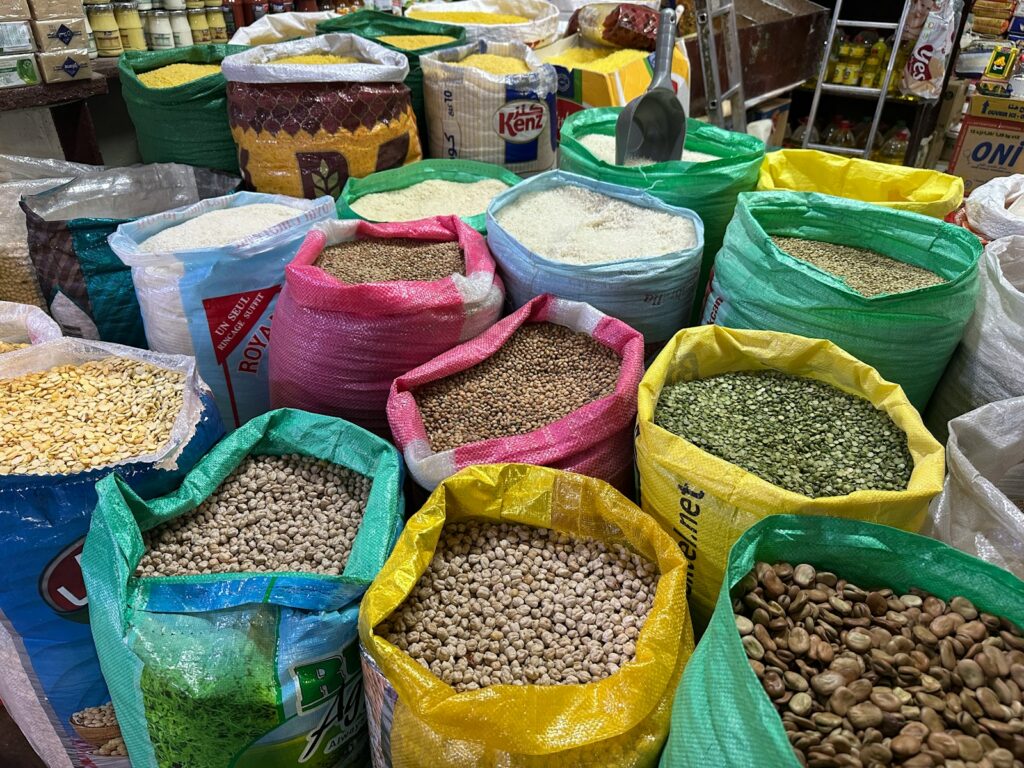
Sugar, flour, rice, coffee, beans, oats, and spices were typically scooped from large bins into paper bags or customer-provided containers. Cheese might be cut from a larger wheel, while butter was weighed and wrapped by hand.
The modern grocery aisle filled with branded packages simply didn’t exist.
12. Delivery Services Were Common
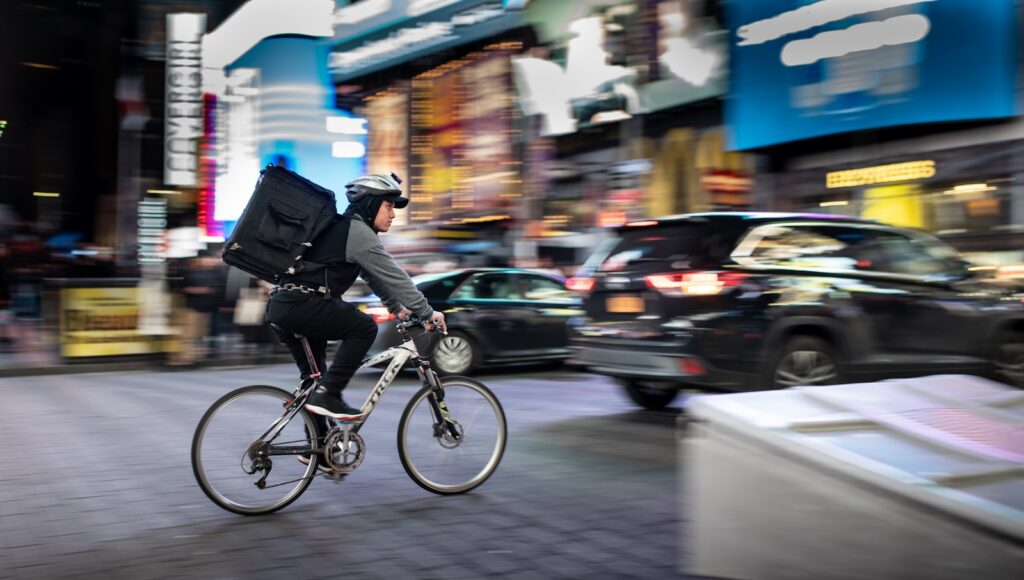
Long before app-based grocery delivery, many local stores delivered purchases directly to customers’ homes.
Families often called in orders by telephone or submitted written shopping lists. Store employees then loaded goods onto wagons, bicycles, or trucks for delivery.
In some communities, delivery was considered a normal part of doing business.

11. Credit Was Often Based on Trust
Many neighborhood grocers extended informal credit to regular customers.
Instead of paying immediately, families could have purchases recorded in a ledger and settle their accounts weekly or monthly. The system relied heavily on personal relationships between shopkeepers and customers.
The local grocer often knew nearly every family in town.
10. Produce Was Far More Seasonal
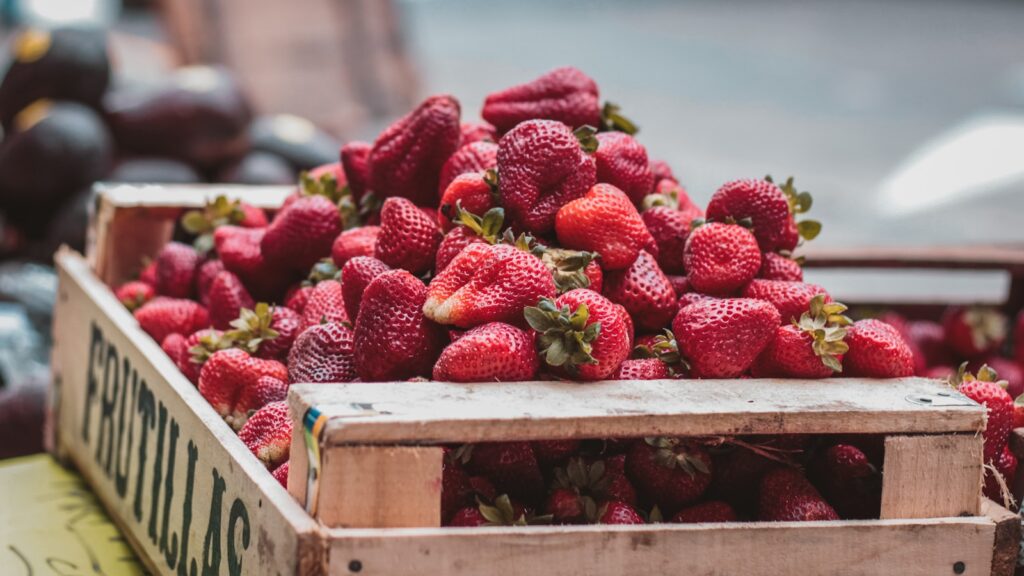
Fresh fruits and vegetables were closely tied to the seasons.
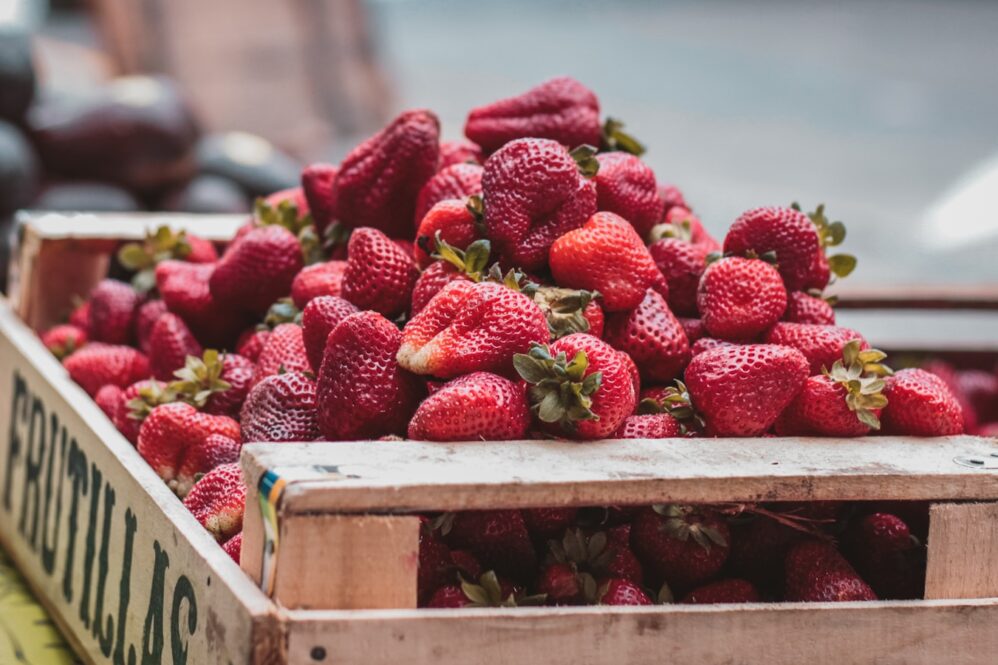
Without modern refrigeration and global transportation networks, consumers generally bought what was locally available. Strawberries appeared in spring. Apples dominated autumn. Many items simply disappeared during parts of the year.
Today’s year-round availability would have seemed remarkable.

9. Canned Goods Were a Major Innovation
The rise of canned foods dramatically expanded consumer choices.
Products that were once available only seasonally could now be purchased throughout the year. Canned vegetables, soups, fruits, and meats became increasingly popular during the late 19th and early 20th centuries.
They were among the first true convenience foods.
8. General Stores Sold Almost Everything
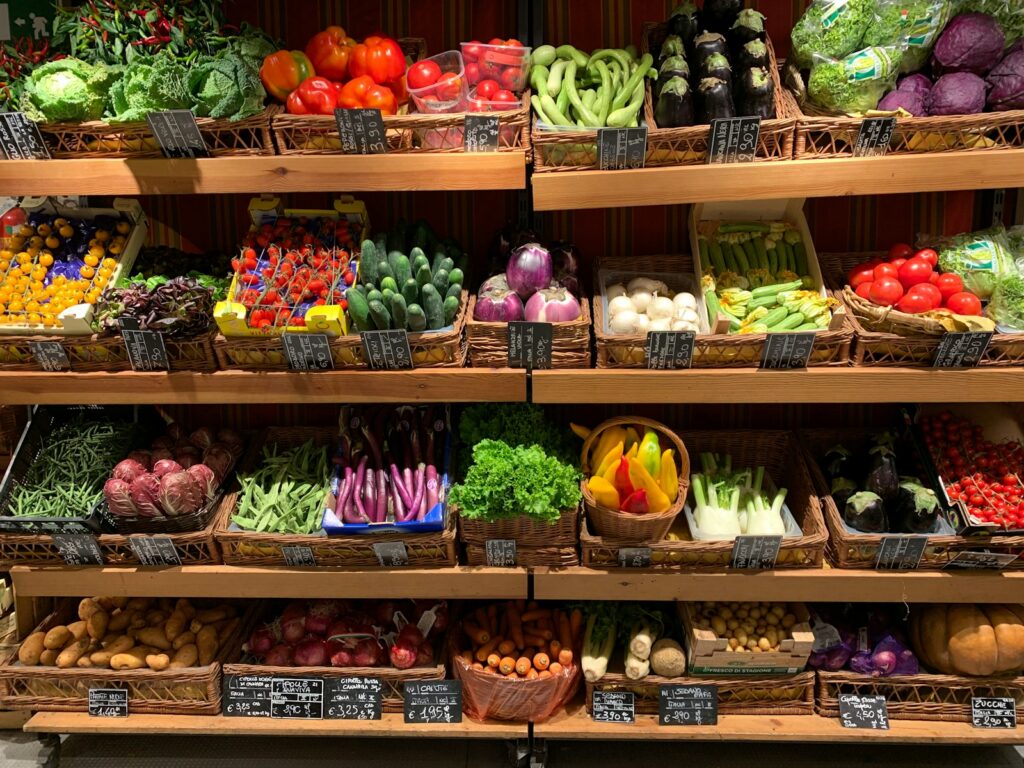
In rural communities, the general store served as a combination grocery, hardware store, post office, and social gathering place.
Customers could buy flour, nails, lamp oil, fabric, tools, and candy during the same visit. The selection was smaller than a modern supermarket, but the variety was surprisingly broad.
Many small towns depended on a single store for essential goods.
7. Shopping Was Often a Social Activity
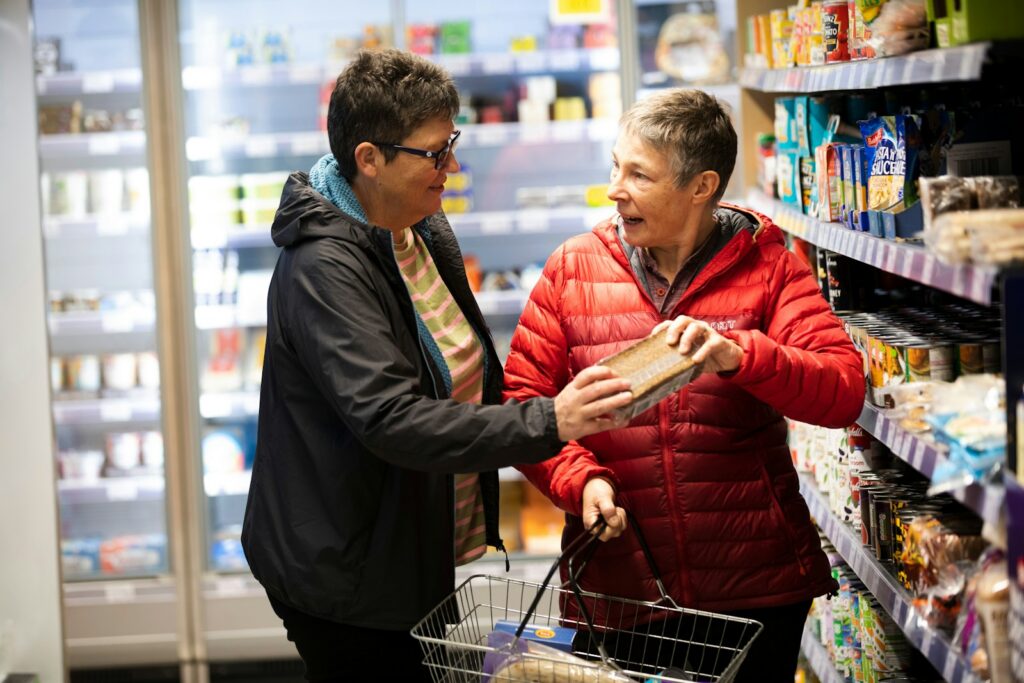
Grocery shopping wasn’t always a quick errand.
Store visits provided opportunities to exchange news, discuss local events, and catch up with neighbors. Shopkeepers often knew customers personally and could recommend products or discuss community happenings.
In many ways, stores functioned as social hubs.
6. Children Frequently Ran Errands
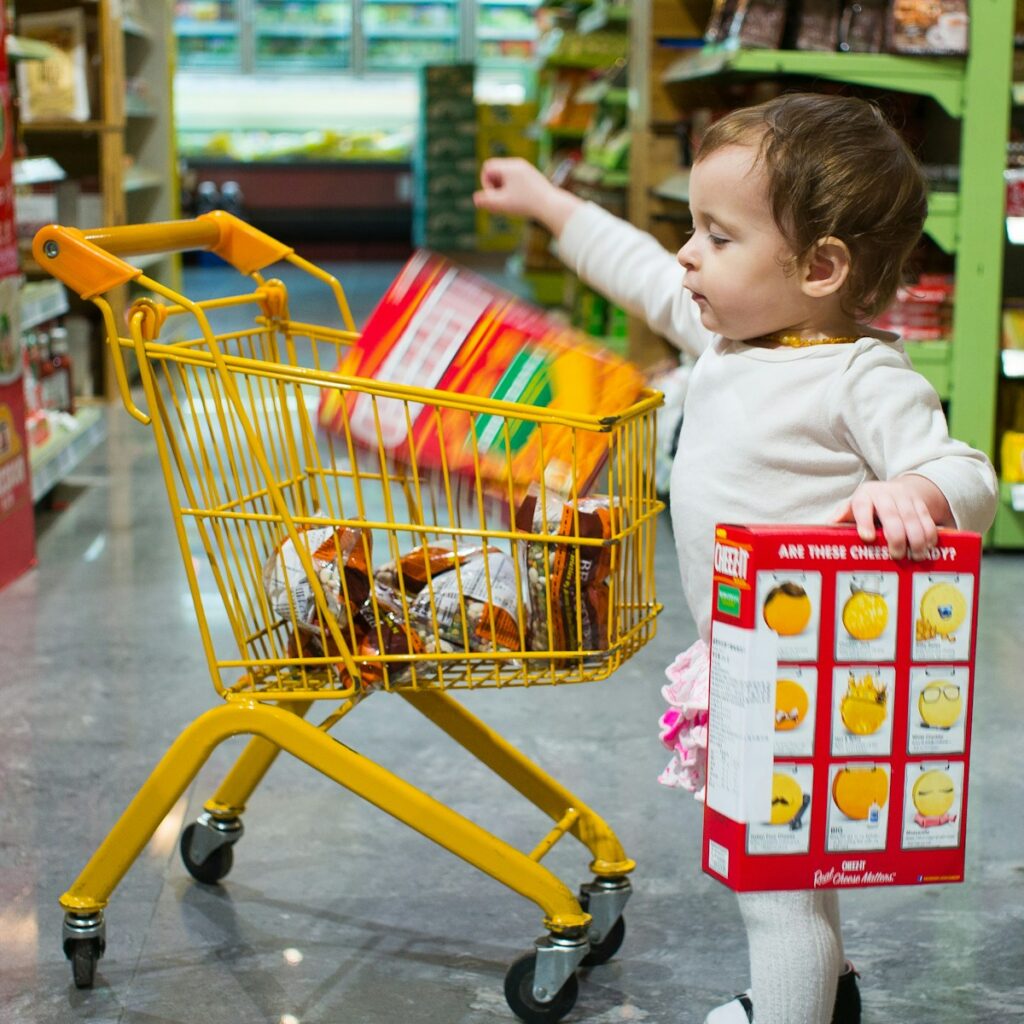
It was common for children to be sent to the store with a written list and a small amount of money.
Because neighborhood stores were often within walking distance, even young children could make routine shopping trips independently.
This was a normal part of daily life in many communities.
5. Prices Were Not Always Fixed
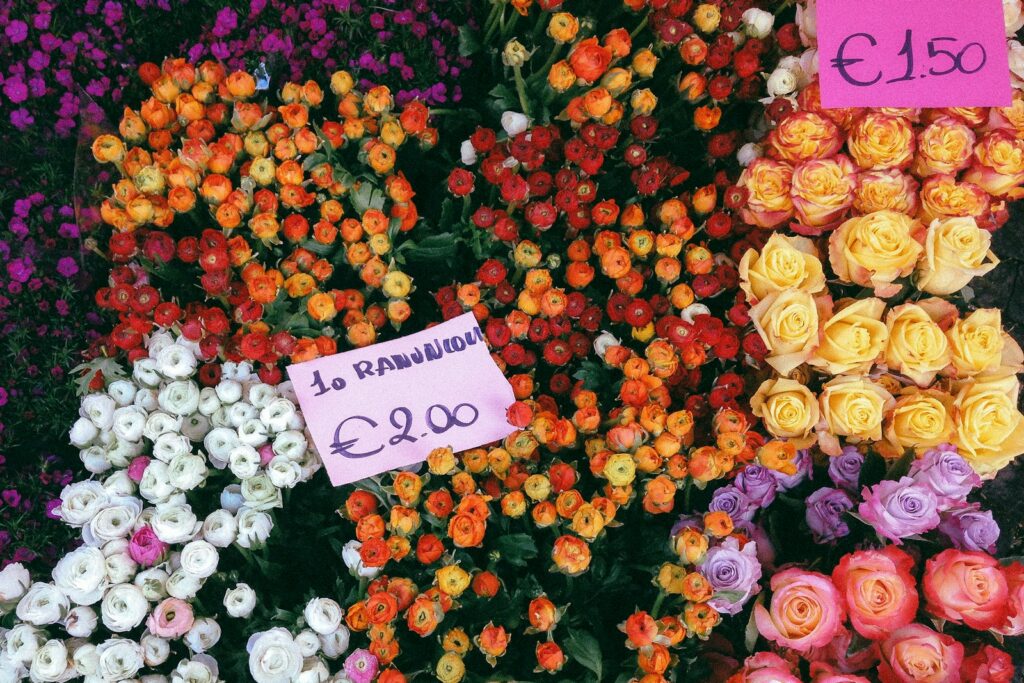
Today, prices are clearly labeled and rarely negotiable.
Historically, however, some purchases involved discussion and bargaining. Prices could vary depending on supply, relationships, or local conditions.
Negotiation remained common in certain markets well into the 20th century.
4. Fresh Meat Was Purchased More Frequently
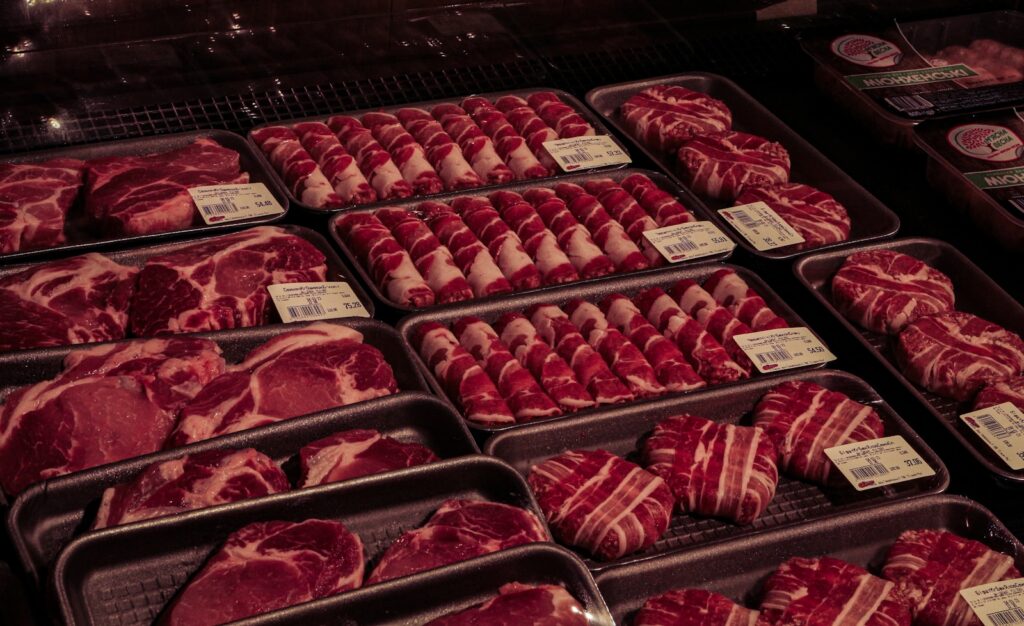
Without widespread home refrigeration, families couldn’t store large quantities of meat.
Many households visited butcher shops multiple times each week to buy fresh cuts. Daily or near-daily shopping trips were much more common than they are today.
Meal planning revolved around what could be consumed quickly.
3. The First Supermarkets Seemed Revolutionary
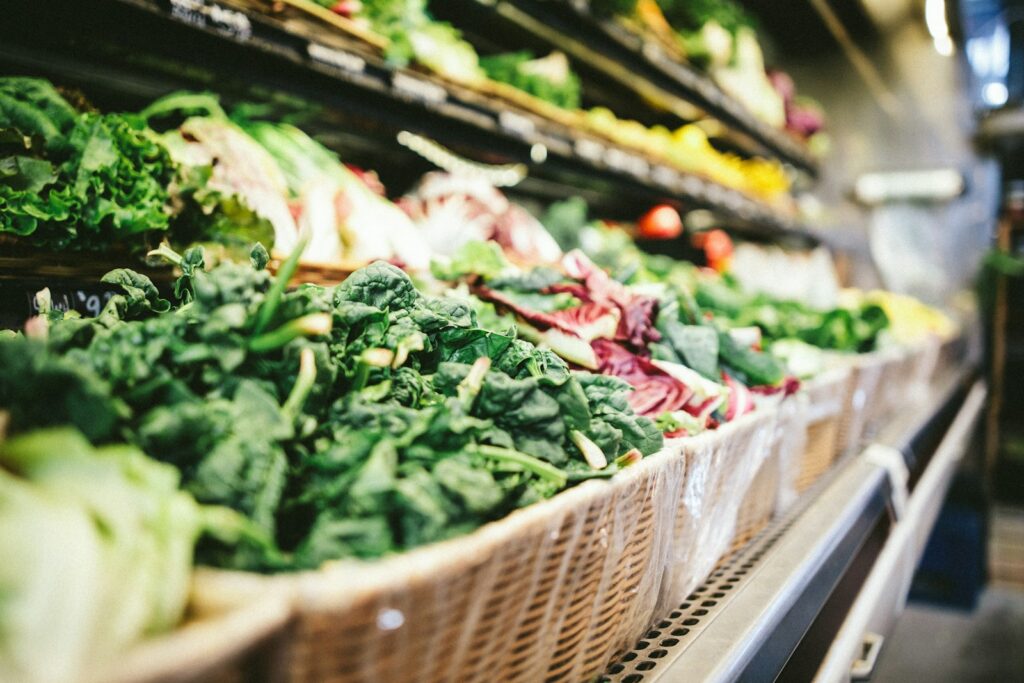
When self-service grocery stores appeared in the early 20th century, they completely changed shopping habits.
Customers could browse products themselves, compare prices, and place items directly into baskets or carts. Stores carried larger inventories and offered lower prices through higher sales volume.
The concept was so novel that some shoppers initially found it confusing.
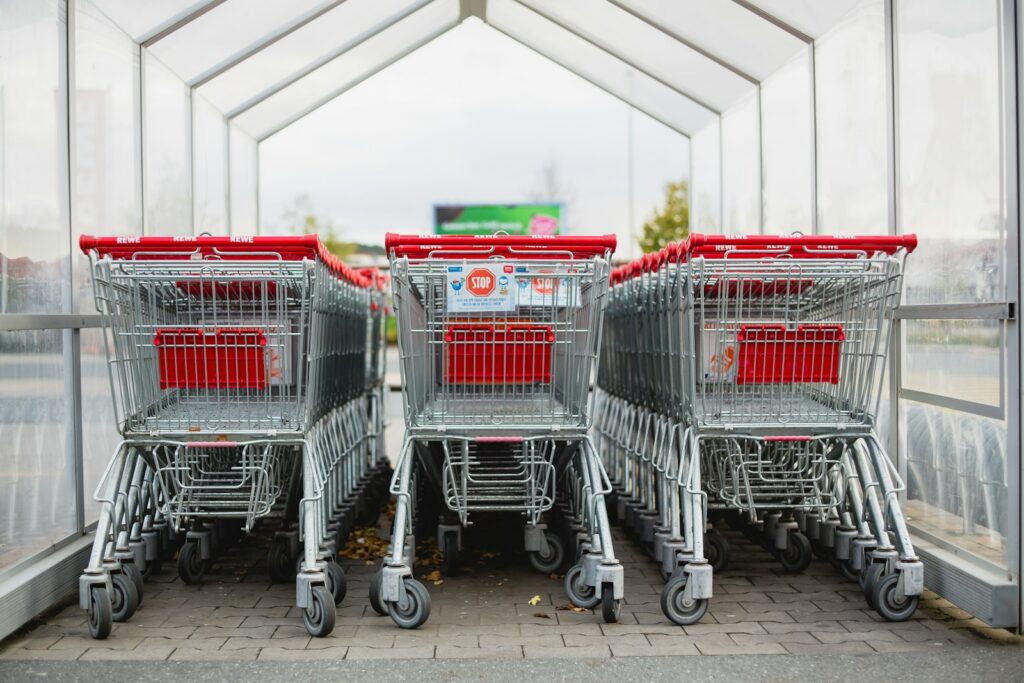
2. Shopping Carts Didn’t Exist Until the 1930s
Early supermarket customers carried baskets by hand.
The shopping cart was introduced in the late 1930s and gradually gained popularity. Some customers resisted at first because they thought the carts looked awkward or cumbersome.
Today it’s difficult to imagine a grocery store without them.
1. Supermarkets Changed Food Culture Forever
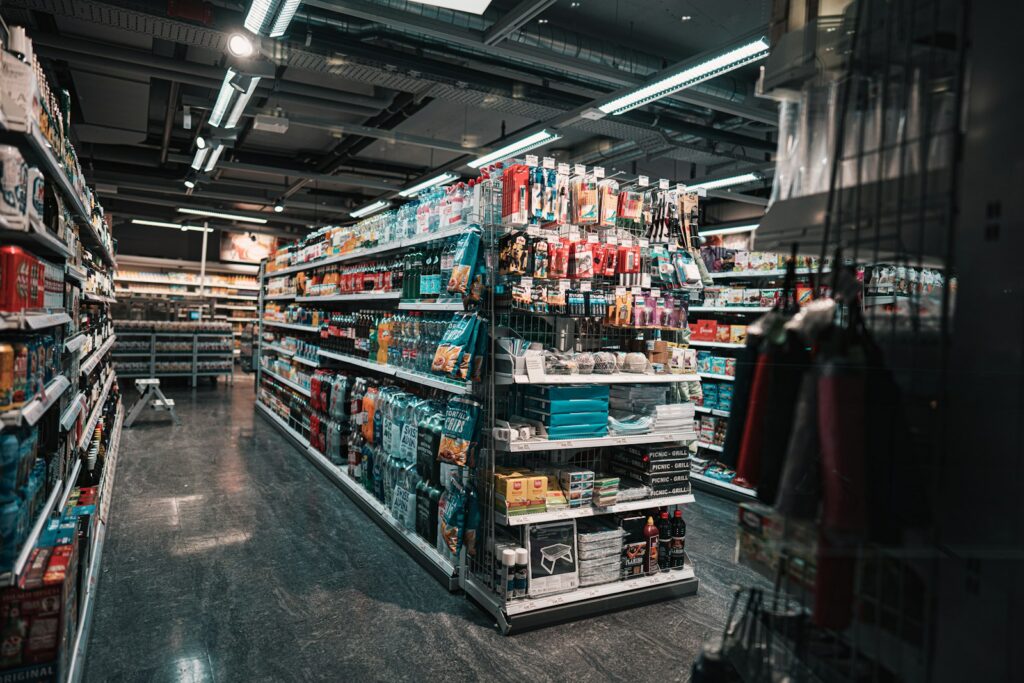
The rise of supermarkets transformed far more than shopping itself.
Larger stores encouraged national food brands, expanded product variety, reduced prices, increased convenience, and made one-stop shopping possible. By the mid-20th century, supermarkets had become a central part of everyday American life.
The modern grocery experience was born.
Why Grocery Shopping Changed So Dramatically
Several innovations made supermarkets possible, including refrigeration, automobiles, improved roads, food processing technology, and advances in packaging.
Together, these developments allowed stores to stock thousands of products from around the country and around the world.

The Next Grocery Revolution
Just as supermarkets replaced older shopping habits, today’s grocery industry continues to evolve.
Online ordering, curbside pickup, automated checkout systems, meal kits, and home delivery services are reshaping how people buy food. In some ways, modern grocery delivery is bringing shoppers full circle—back to a time when the local grocer delivered purchases straight to the front door.
Read More:
- 10 Times Science Fiction Predicted the Future
- 15 “Historical” Movies That Got a Lot Wrong
- 10 Ancient Cities That Still Puzzle Historians
Ask us! What questions do you have about content, strategy, pop culture, lifestyle, wellness, history or more? We may use your question in an upcoming article!
Like MediaFeed’s content? Be sure to follow us.
This article originally appeared on Resourcebuzz and was syndicated by MediaFeed.co.