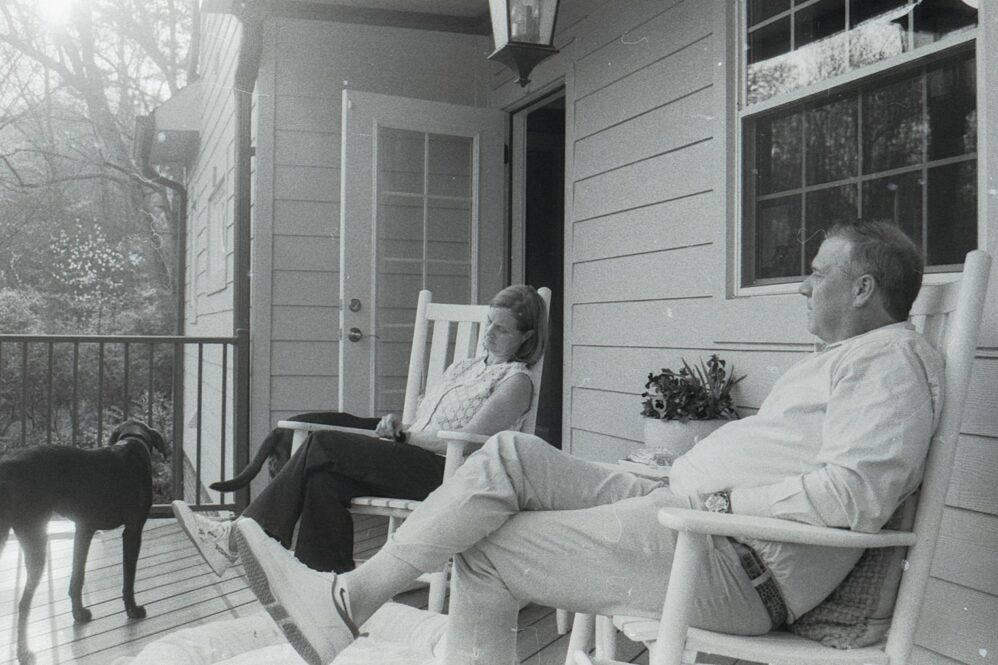
How People Stayed Cool Before Air Conditioning
Today, air conditioning is so common that it’s easy to forget how recently it became a household standard. For most of human history, people survived scorching summers without thermostats, window units, or central air.
Yet generations found surprisingly effective ways to beat the heat. Through clever architecture, daily routines, and a deep understanding of local climates, people stayed comfortable long before modern cooling systems arrived.
Here are 12 ways people stayed cool before air conditioning.

12. Building Homes With Thick Walls
Before modern insulation, thick walls served as natural temperature regulators.
Homes built from stone, adobe, brick, or clay absorbed heat slowly during the day and released it gradually after sunset. This helped keep indoor temperatures significantly cooler than the air outside.
Many historic buildings in hot climates remain surprisingly comfortable even today.
11. Sleeping Outdoors
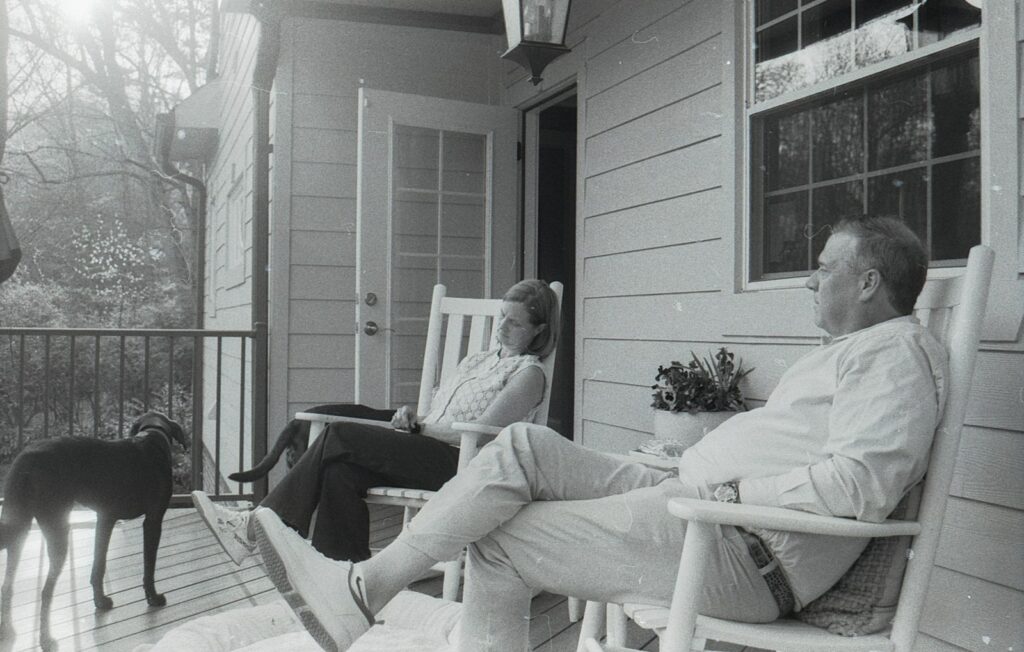
When indoor temperatures became unbearable, people simply moved outside.
Families often slept on porches, rooftops, balconies, or in screened sleeping porches during the hottest months. In many parts of the world, nighttime breezes provided relief that indoor rooms could not.
Sleeping porches became especially popular in the United States during the late 19th and early 20th centuries.
10. Closing Shutters During the Day
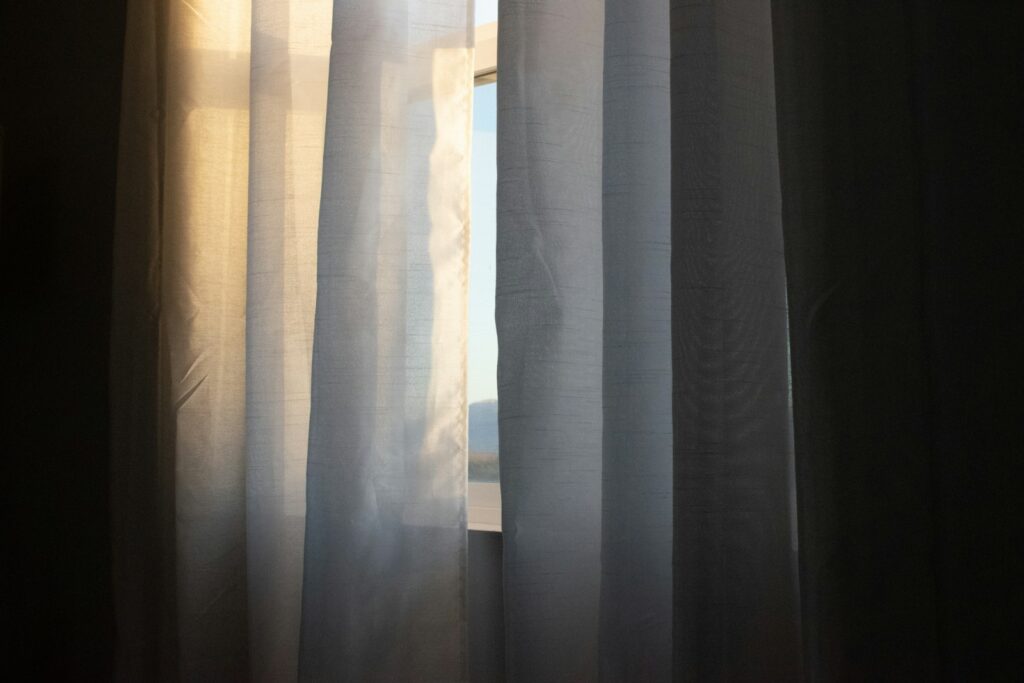
Keeping sunlight out was one of the simplest cooling strategies.
Homes commonly featured wooden shutters, heavy curtains, or exterior shades that blocked direct sunlight from entering living spaces. By preventing solar heat from building up indoors, rooms stayed noticeably cooler.
Many Mediterranean and tropical regions still use this technique today.
9. Using High Ceilings
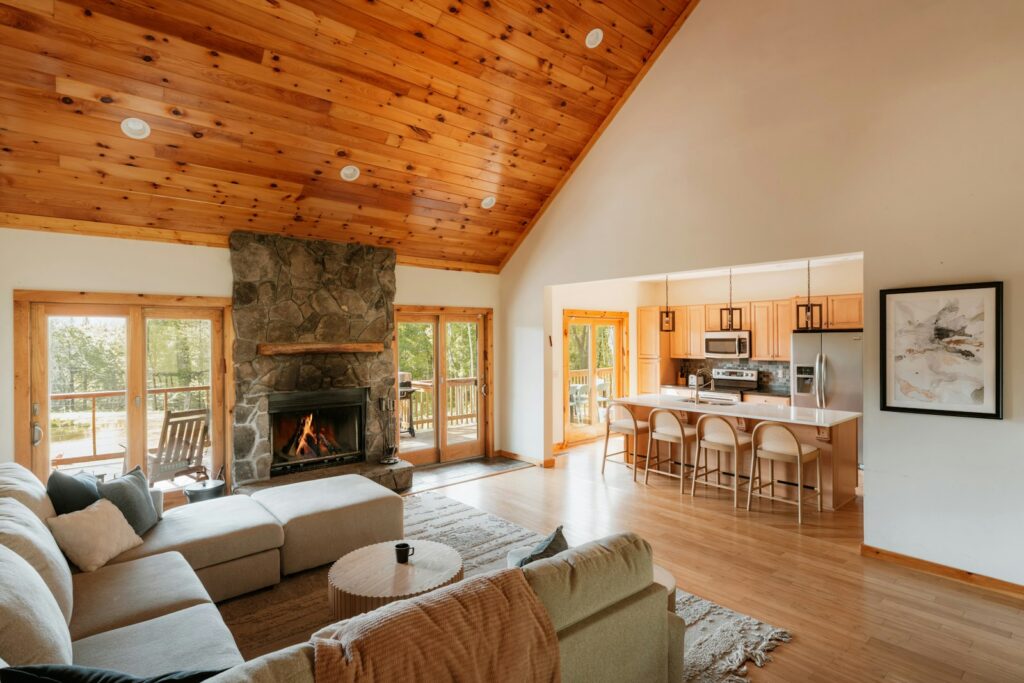
Older homes often featured ceilings far taller than those found in modern construction.
Because hot air rises, higher ceilings allowed heat to collect above the occupied living space. Residents could enjoy cooler air lower in the room while excess heat accumulated overhead.
This design feature was both practical and elegant.

8. Timing Activities Around the Heat
People adjusted their schedules to work with the weather rather than fight it.
Outdoor labor, errands, and physically demanding tasks were often completed early in the morning or later in the evening. During the hottest part of the afternoon, many cultures embraced periods of rest or reduced activity.
The concept of a midday break remains common in some regions today.
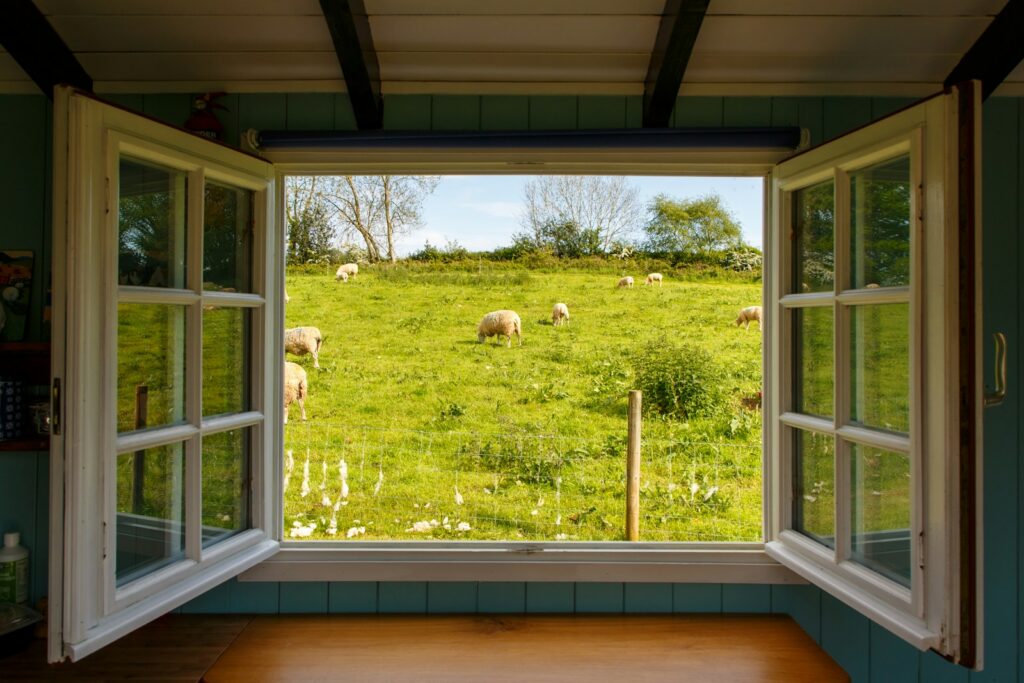
7. Creating Cross-Breezes
Long before electric fans, homeowners designed buildings to maximize airflow.
Windows and doors were positioned directly across from one another so breezes could pass through the structure. Opening specific windows at certain times of day helped pull cooler air inside and push warmer air out.
Good ventilation was considered an essential part of home design.
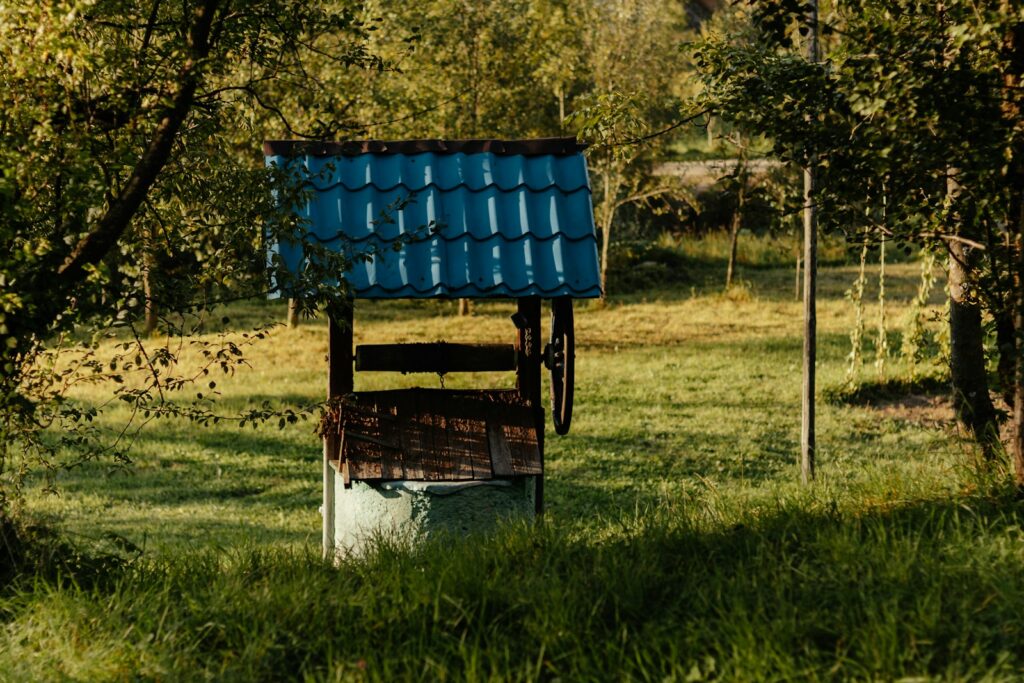
6. Drinking Cool Well Water
Many communities relied on wells, springs, and underground water sources.
Because groundwater remains relatively cool year-round, drinking water often provided natural relief from summer heat. Earthenware jugs and ceramic containers helped keep water cool through evaporation.
A cold drink was one of the simplest luxuries of a hot day.
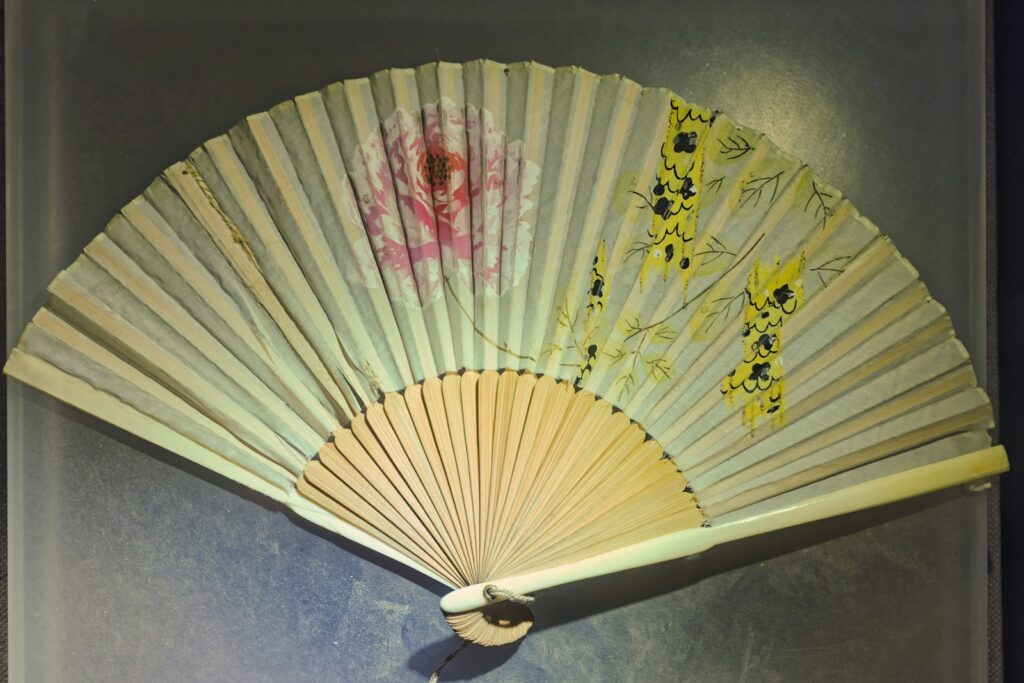
5. Using Hand Fans
The humble hand fan was once an essential accessory.
Made from paper, feathers, palm leaves, silk, or woven materials, fans provided immediate personal cooling. In some societies, decorative fans also became fashion statements and social tools.
Before electric fans, nearly everyone knew how to use one effectively.

4. Planting Shade Trees
Strategic landscaping served as natural climate control.
Large trees planted near homes blocked direct sunlight from roofs, walls, and windows. The shade could dramatically reduce indoor temperatures while making outdoor spaces more comfortable.
Many historic neighborhoods still benefit from cooling tree canopies planted generations ago.
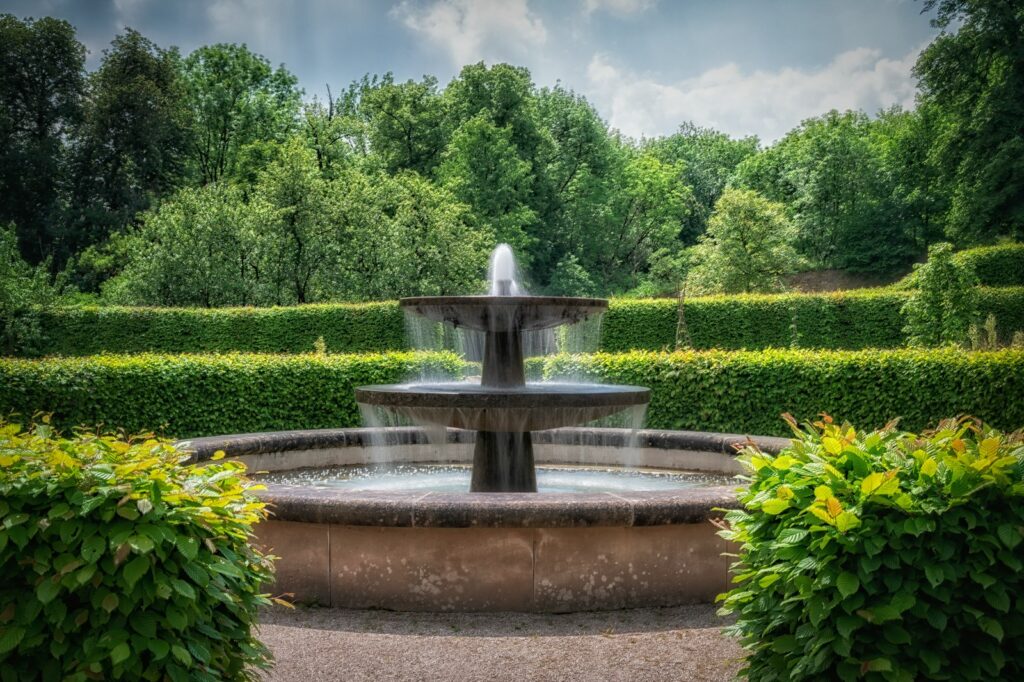
3. Cooling With Water Features
Fountains, courtyards, and reflecting pools weren’t just decorative.
As water evaporates, it cools the surrounding air. Many ancient civilizations incorporated water features into homes and public spaces to improve comfort during hot weather.
This principle remains a key part of passive cooling design today.
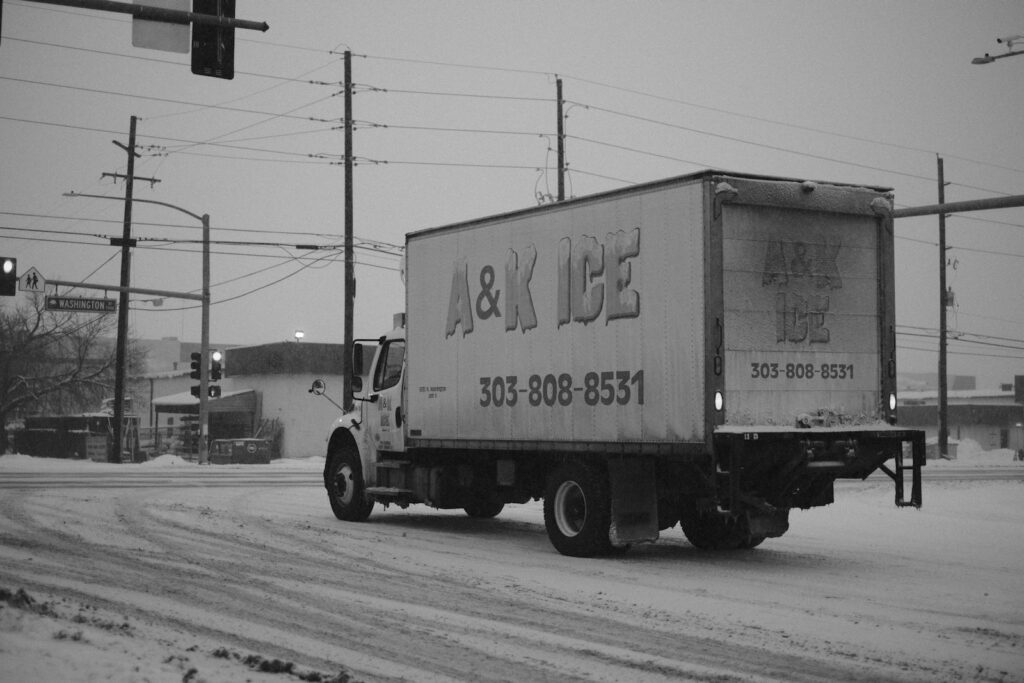
2. Iceboxes and Ice Delivery
Before refrigerators, ice provided precious relief from summer heat.
Ice harvested during winter was stored in insulated ice houses and delivered throughout the year. Households used iceboxes to preserve food and sometimes placed blocks of ice near windows or fans to create rudimentary cooling systems.
The local ice deliveryman was once a familiar sight in many neighborhoods.
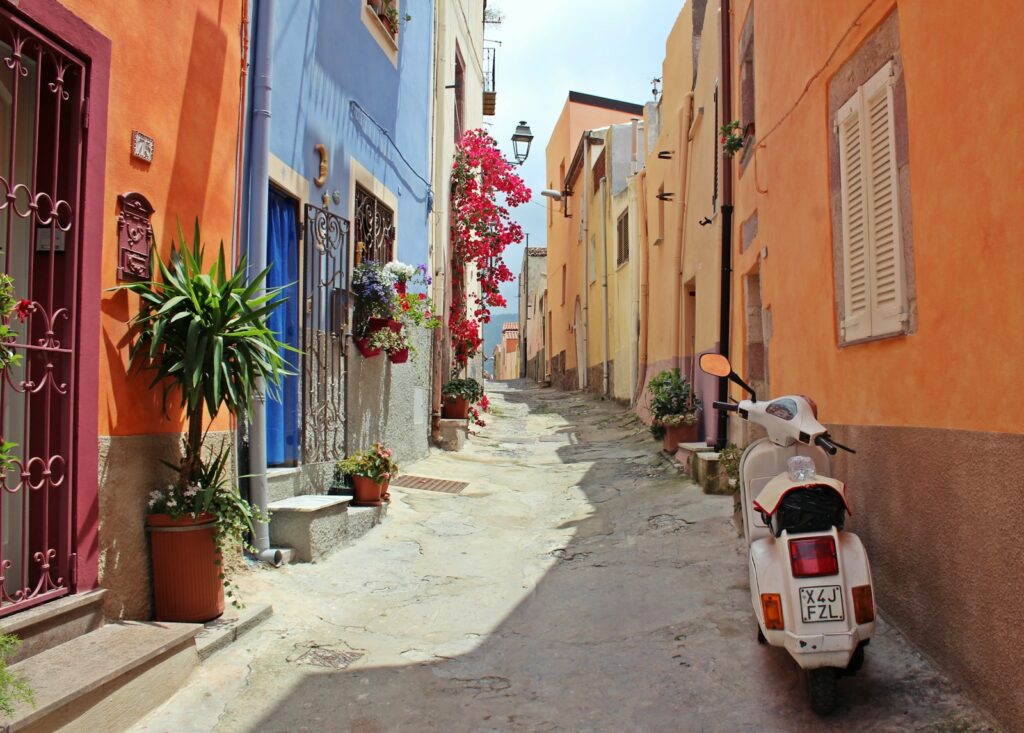
1. Designing Entire Cities Around Climate
Perhaps the most effective cooling strategy was building communities specifically for local weather conditions.
Narrow streets created shade. Courtyards improved airflow. Buildings were oriented to capture prevailing breezes. Thick walls, shaded arcades, and covered walkways all helped reduce heat exposure.
Long before air conditioning existed, architects understood that smart design could make extreme temperatures far more manageable.

Why Air Conditioning Changed Everything
When residential air conditioning became widespread after World War II, it transformed daily life.
Population growth accelerated in hot regions, especially across the American South and Southwest. Buildings no longer needed to rely as heavily on passive cooling techniques. Architectural styles shifted, and people became less dependent on weather patterns when planning their days.
Air conditioning didn’t just cool homes—it reshaped entire cities.

Some Old Cooling Tricks Still Work
Interestingly, many historic cooling methods remain surprisingly effective.
Closing blinds during the day, improving airflow, planting shade trees, reducing afternoon activity, and using outdoor living spaces can all help lower temperatures and reduce energy costs.
While modern air conditioning offers unmatched convenience, many of the solutions our ancestors developed are still worth remembering when the summer heat arrives.
Read More:
- 10 Myths You Probably Learned as a Kid—Debunked
- 10 “Mandela Effect” Moments That Still Mess With People’s Memories
- The Most Chilling Urban Legend in Every State
Ask us! What questions do you have about content, strategy, pop culture, lifestyle, wellness, history or more? We may use your question in an upcoming article!
Like MediaFeed’s content? Be sure to follow us.
This article originally appeared on Resourcebuzz and was syndicated by MediaFeed.co.