15 Red Flags That Scream “Fake News”
The internet has made information more accessible than ever before. Unfortunately, it has also made misinformation easier to create, share, and spread.
From misleading headlines and manipulated images to AI-generated content and outright hoaxes, separating fact from fiction can be challenging. The good news is that a few simple habits can dramatically improve your ability to spot questionable information online.
Here are 15 ways to identify misinformation before it fools you.

15. Watch Out for Clickbait Headlines
If a headline seems designed to shock, outrage, or trigger an emotional reaction, proceed with caution.
Many misleading stories rely on sensational headlines that exaggerate or distort what the actual article says.
14. Check the Source
Before believing a claim, look at who is publishing it.
Established news organizations, government agencies, universities, and recognized experts generally have stronger standards than anonymous blogs or social media accounts.
13. Inspect the URL
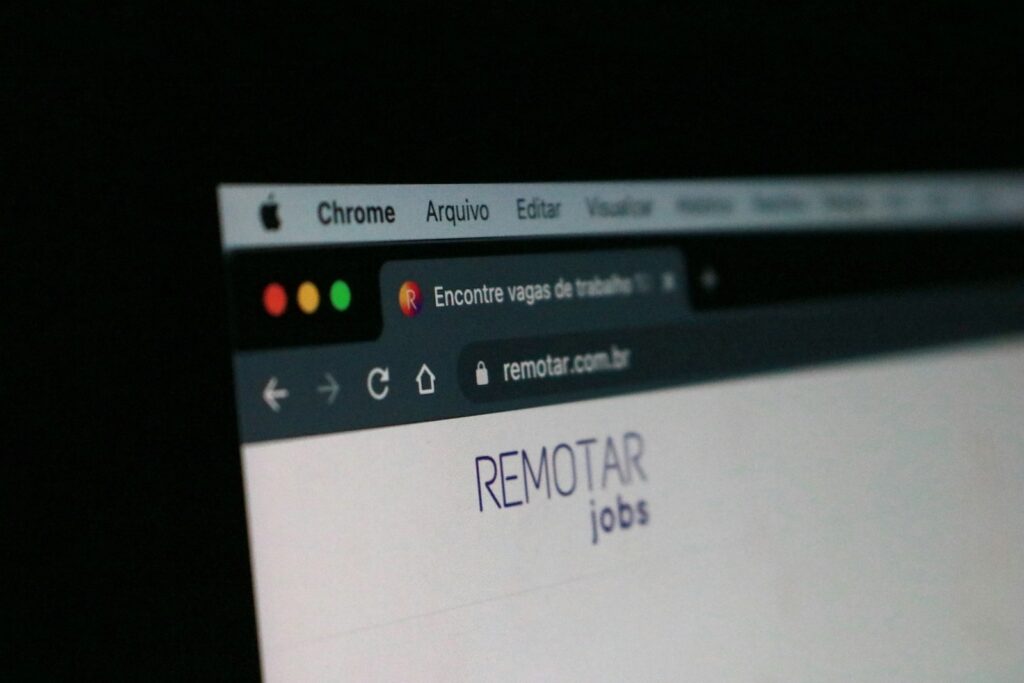
Some fake websites intentionally mimic legitimate news outlets by using slightly altered URLs.
Double-check web addresses for misspellings, unusual domain names, or subtle changes that could indicate an imposter site.
12. Verify the Publication Date
Old stories frequently resurface and get shared as if they’re happening today.
A completely accurate article from five years ago can become misleading when presented without context.
11. Look Up the Author
Does the article identify a real person?
Legitimate reporting typically includes author names, credentials, and professional histories. Anonymous or difficult-to-verify authors deserve additional scrutiny.

10. Cross-Check Multiple Sources
If a major claim is true, multiple reputable organizations are likely reporting it.
If only one obscure source is covering a supposedly enormous story, that’s often a warning sign.
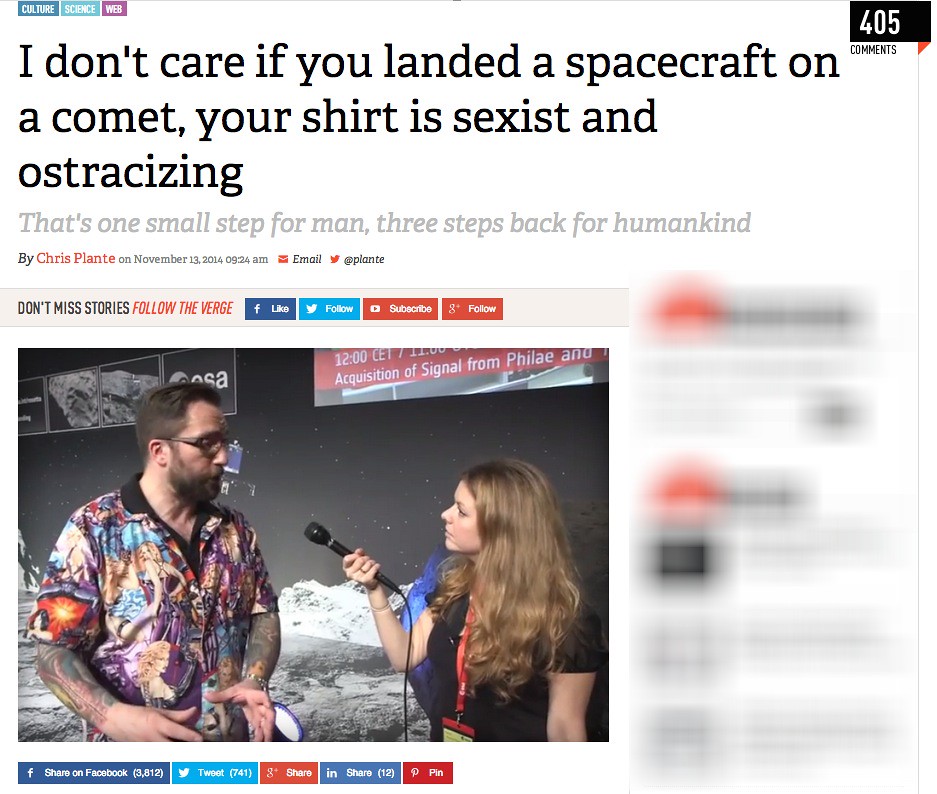
9. Beware of Strong Emotional Appeals
Misinformation often succeeds by making people angry, scared, or excited enough to stop thinking critically.
When a story provokes a strong emotional reaction, take a moment before accepting it as fact.

8. Look for Evidence
Reliable reporting includes sources, data, documents, interviews, or expert analysis.
If an article makes dramatic claims without providing supporting evidence, skepticism is warranted.

7. Consider Possible Biases
Every source has some perspective or point of view.
Understanding potential biases doesn’t automatically discredit information, but it can help you evaluate how facts may be framed or presented.
6. Check Images and Videos Carefully
Photos and videos can be edited, cropped, manipulated, or taken completely out of context.
Reverse-image search tools can often reveal where an image originally appeared and whether it’s being used accurately.
5. Be Alert for AI-Generated Content
Artificial intelligence can now generate realistic articles, photos, videos, and audio recordings.
Just because something looks convincing doesn’t mean it’s authentic. Verify extraordinary claims through trusted sources.

4. Question Information That Seems Too Perfect
Many false stories confirm exactly what a particular audience wants to believe.
If a claim perfectly validates your existing opinions, that’s often a good reason to double-check it.

3. Watch for Excessive Advertising
Some websites prioritize clicks over accuracy.
Pages overloaded with pop-ups, autoplay videos, and aggressive advertising may be more interested in traffic than truth.

2. Understand Your Own Biases
Everyone has blind spots.
Being aware of your own assumptions makes it easier to evaluate information fairly rather than simply accepting content that confirms your worldview.
1. Pause Before Sharing
The easiest way to stop misinformation is not to spread it.
Before sharing a post, article, video, or meme, take a few seconds to verify that it’s accurate. A brief pause can prevent false information from reaching hundreds or even thousands of people.
The internet rewards speed, but accuracy matters more. Developing a healthy sense of skepticism doesn’t mean distrusting everything—it simply means taking the time to verify before you believe.
Read More:
- 20 Personality Traits Scammers Love to Exploit
- 10 Phrases Manipulators Use to Get Inside Your Head
- 10 Phrases People Use When They’re Hiding Something
Ask us! What questions do you have about content, strategy, pop culture, lifestyle, wellness, history or more? We may use your question in an upcoming article!
Like MediaFeed’s content? Be sure to follow us.
This article originally appeared on Resourcebuzz and was syndicated by MediaFeed.co.