15 Times Tech Companies Overpromised and Under-Delivered
Tech companies thrive on bold promises. Sometimes those promises become reality and change the world. Other times, they crash into the hard wall of physics, engineering, or consumer expectations.
From impossible gadgets to exaggerated marketing claims, here are 15 famous examples of tech companies promising more than they could deliver.
15. Snapchat’s “Disappearing” Photos
Snapchat built its brand around messages that supposedly vanished forever.
Users quickly discovered screenshots, screen-recording tools, and third-party apps could preserve content, making “disappearing” a lot less permanent than advertised.
14. The Segway Revolution
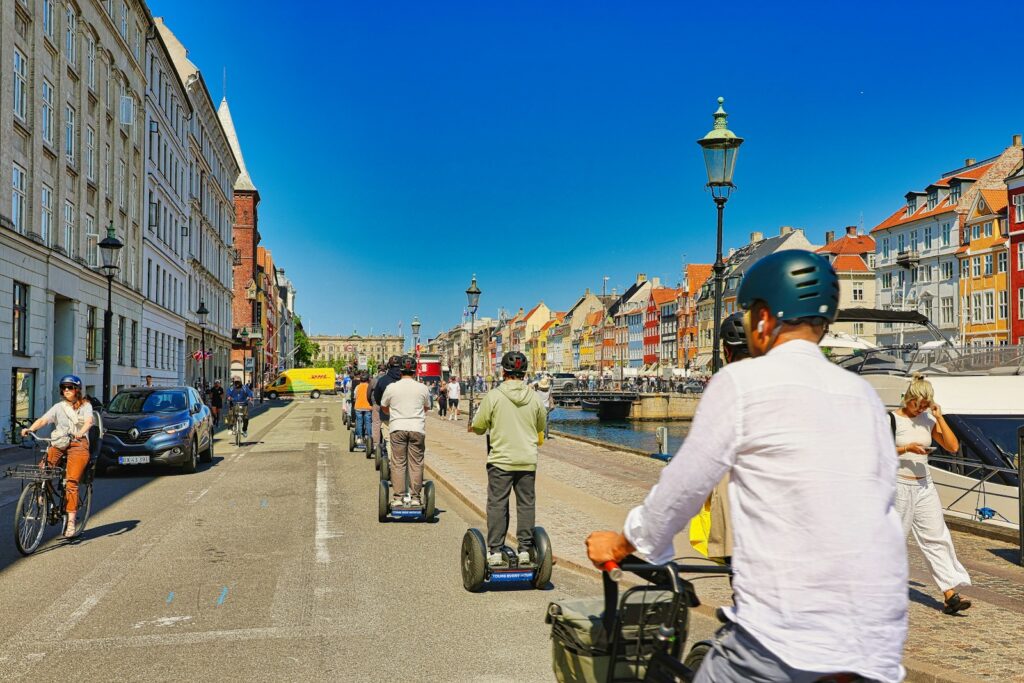
When the Segway launched in 2001, some commentators predicted it would reshape cities and transportation.
Instead, it became a niche product used primarily by tourists, security guards, and mall cops.

13. 3D Television Was Supposed to Be the Future
Major TV manufacturers spent years telling consumers that 3D would transform home entertainment.
Most consumers disagreed. By the mid-2010s, manufacturers quietly abandoned the feature.
12. Microsoft Cortana’s AI Ambitions
Microsoft once positioned Cortana as a serious competitor to Siri and Alexa.
The digital assistant never gained significant traction and was eventually phased out as Microsoft shifted its AI strategy.
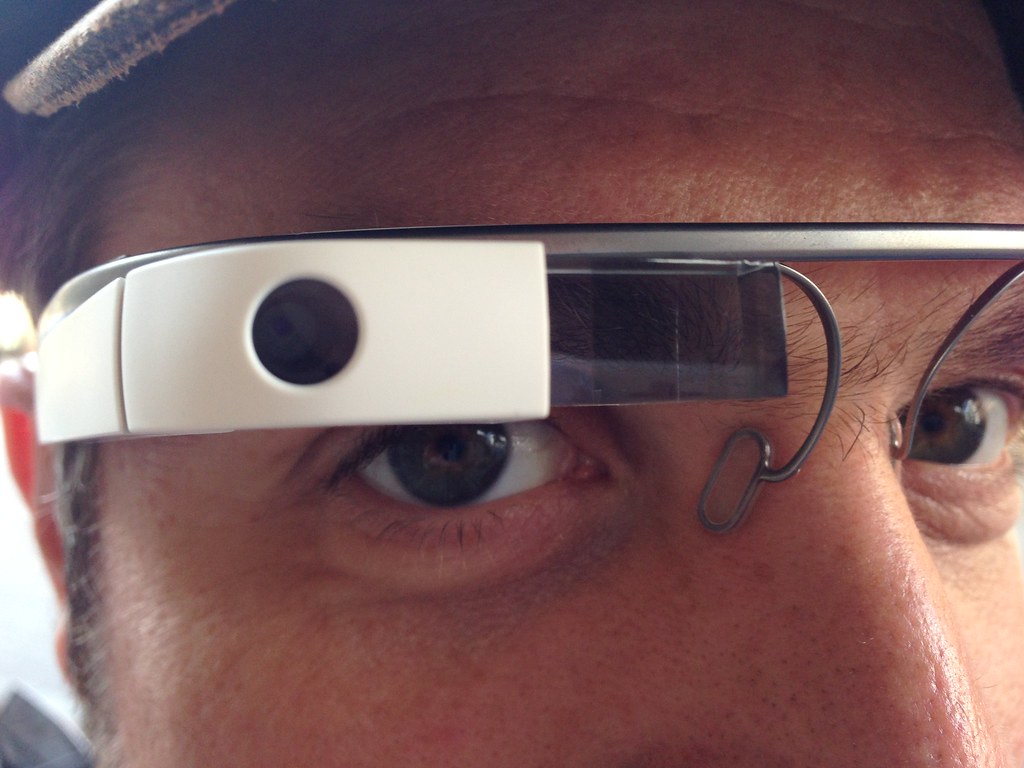
11. Google Glass Was Going to Change Everything
Google envisioned a future where everyone wore internet-connected glasses.
Consumers envisioned being filmed by strangers in coffee shops. Privacy concerns and a $1,500 price tag quickly derailed the project.
10. Facebook’s Privacy Promises
For years, Facebook assured users their information was secure and under their control.
The Cambridge Analytica scandal dramatically undermined those assurances and sparked years of regulatory scrutiny.
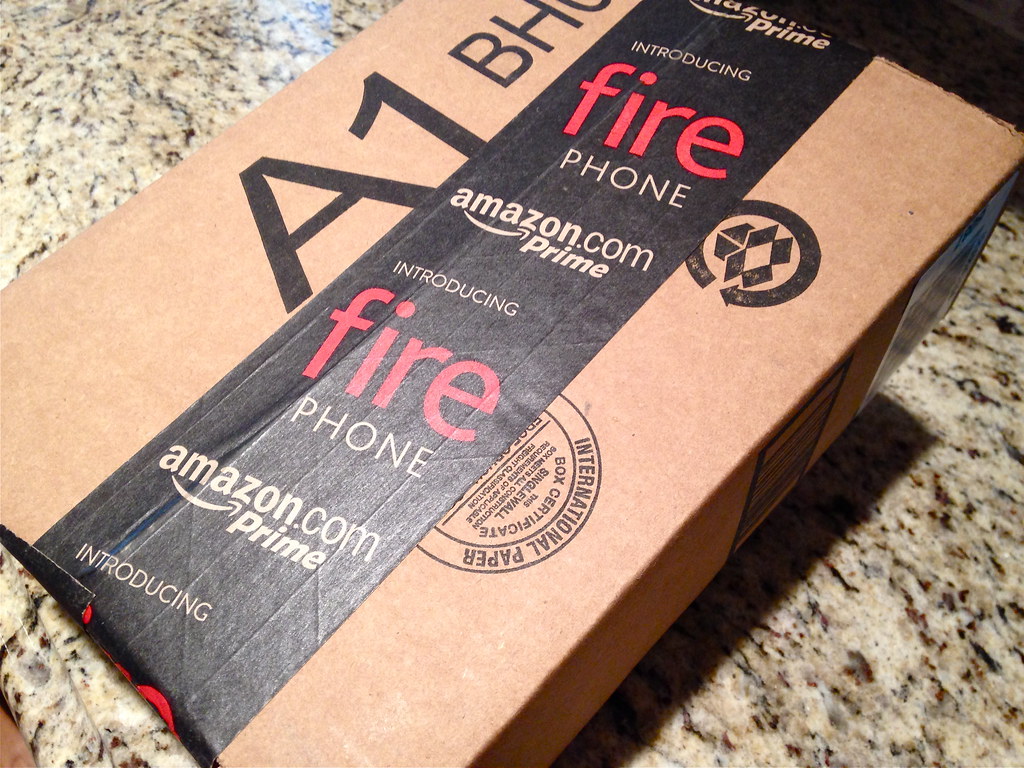
9. The Fire Phone’s “Revolutionary” Features
Amazon’s Fire Phone was marketed as a groundbreaking competitor to the iPhone.
Consumers largely saw it as an expensive curiosity. The device was discontinued less than two years after launch.
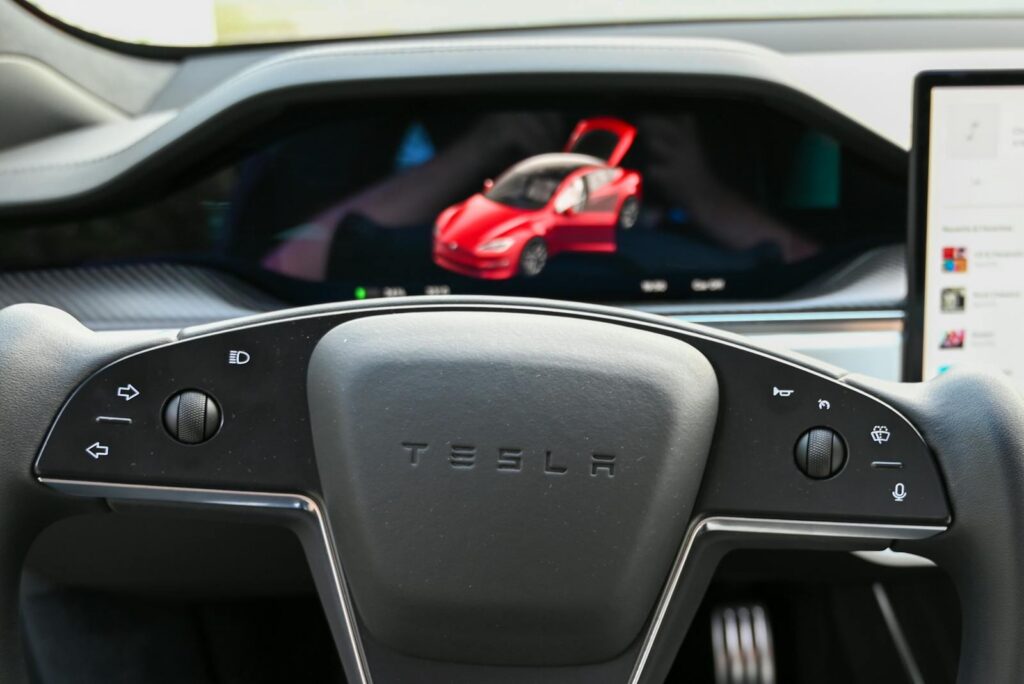
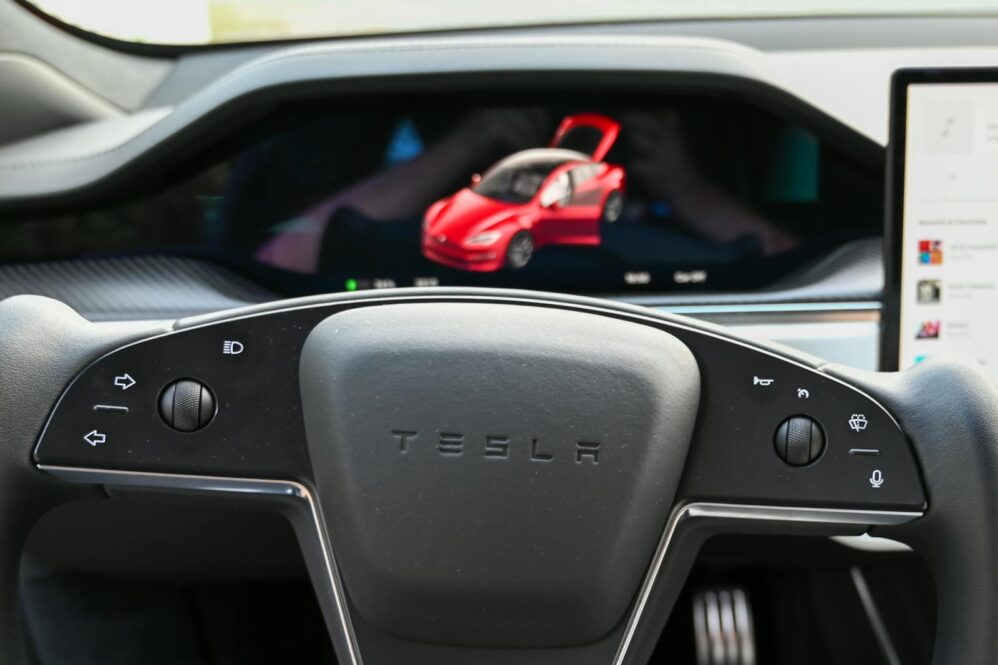
8. Tesla’s Full Self-Driving Timeline
Tesla has repeatedly suggested fully autonomous driving was just around the corner.
While its driver-assistance systems continue to improve, fully autonomous consumer vehicles remain a work in progress years after many early predictions.

7. The Metaverse Hype
A few years ago, the metaverse was presented as the next evolution of the internet.
While virtual reality continues to develop, adoption has been far slower and less transformative than many predictions suggested.
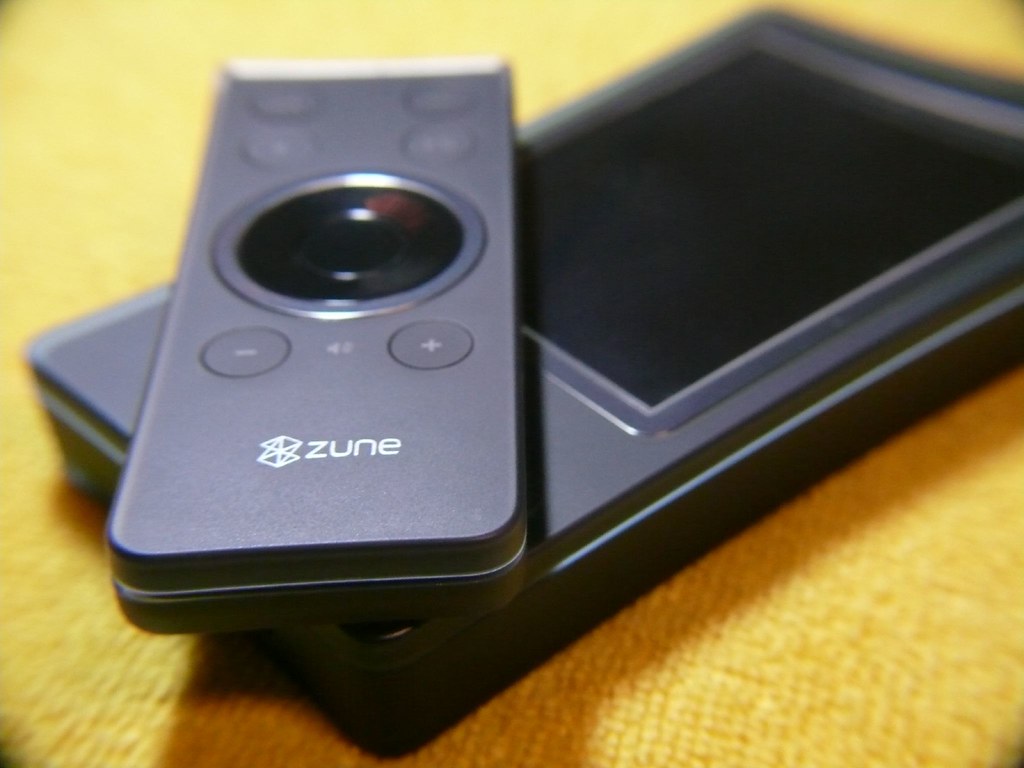
6. Microsoft’s Zune vs. the iPod
Microsoft pitched the Zune as a serious challenger to Apple’s iPod.
The device developed a loyal fan base but never came close to dethroning Apple’s music empire.
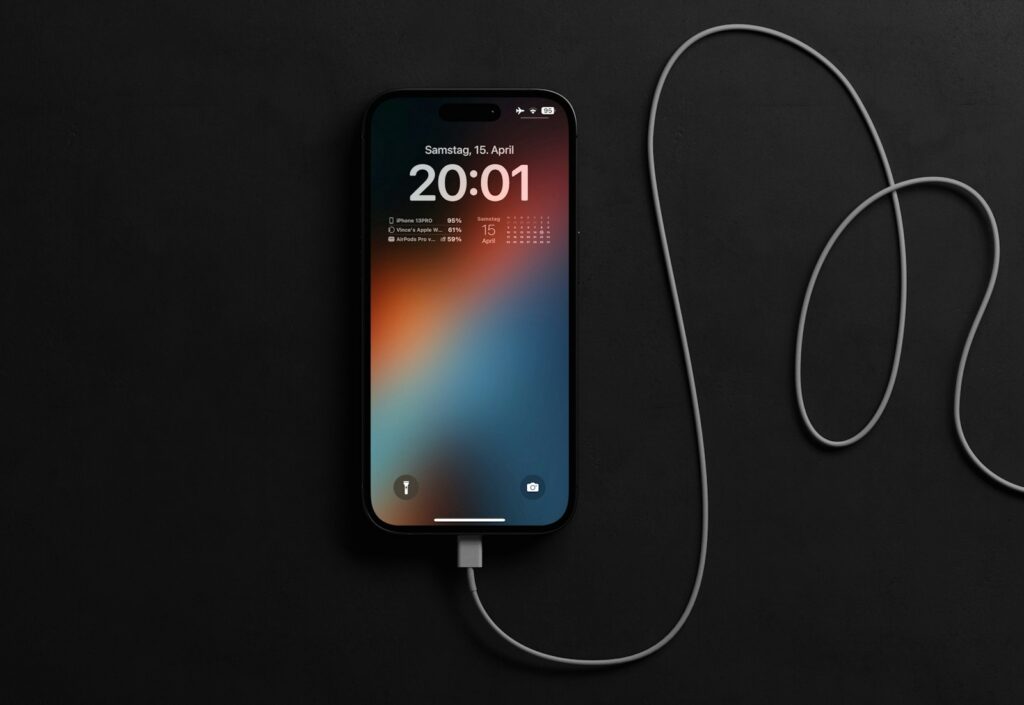
5. Apple’s “Batterygate”
Apple maintained that performance slowdowns on older iPhones were designed to prevent unexpected shutdowns caused by aging batteries.
Many consumers felt the company should have communicated that more clearly from the beginning, leading to lawsuits and settlements.
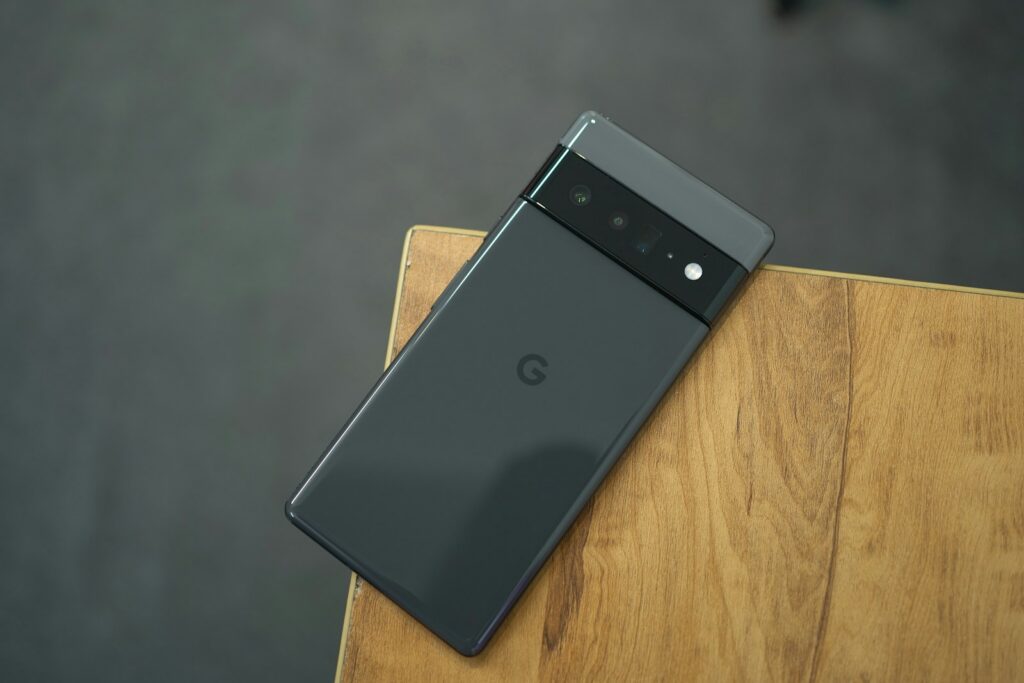
4. Google’s Pixel 4 Radio Endorsements
In 2019, Google and iHeartMedia aired thousands of advertisements featuring radio hosts praising the Pixel 4 despite never actually using the phone.
Regulators were not amused.
3. Volkswagen’s “Clean Diesel”
Volkswagen marketed certain diesel vehicles as environmentally friendly alternatives.
The discovery of emissions-cheating software became one of the largest corporate scandals in automotive history.

2. Theranos and the Blood-Test Revolution
Theranos promised to revolutionize medicine with blood tests requiring only a few drops of blood.
The technology never worked as claimed, and the company became one of Silicon Valley’s most infamous cautionary tales.

1. Triton’s “Artificial Gills”
Few tech promises were as ambitious as Triton’s claim that users could breathe underwater using a small wearable device.
The concept generated enormous excitement and crowdfunding support before experts pointed out that the underlying technology simply wasn’t feasible. It remains one of the most famous examples of a futuristic gadget that couldn’t overcome the laws of physics.
This version is much more coherent, more evergreen, and more likely to perform well because readers recognize most of the companies involved. It also keeps the focus squarely on technology rather than drifting into cereal boxes and baby powder.
Read More:
- 20 Business Gambles That Ended in Disaster
- 15 Things Millennials Stopped Buying (And Why It Matters)
- 10 Weird Business Ideas That Made a Fortune
Ask us! What questions do you have about content, strategy, pop culture, lifestyle, wellness, history or more? We may use your question in an upcoming article!
Like MediaFeed’s content? Be sure to follow us.
This article originally appeared on Resourcebuzz and was syndicated by MediaFeed.co.