The Most Iconic World Cup Stadiums in History
The World Cup has produced some of the most unforgettable moments in sports history, and the stadiums where those moments happened have become legends in their own right. From historic cathedrals of soccer to modern architectural marvels, these venues have hosted champions, heartbreaks, and memories that still echo decades later.
Here are the most iconic World Cup stadiums in history.
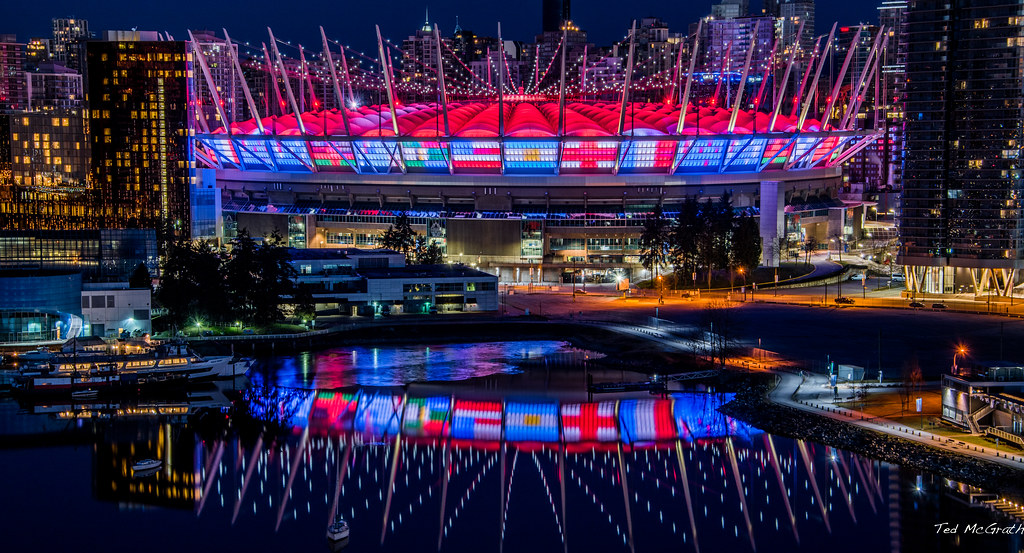
19. BC Place — Vancouver, Canada
One of the showcase venues for the 2026 World Cup, BC Place is known for its distinctive retractable roof and spectacular downtown setting. It will soon add World Cup history to its already impressive résumé.
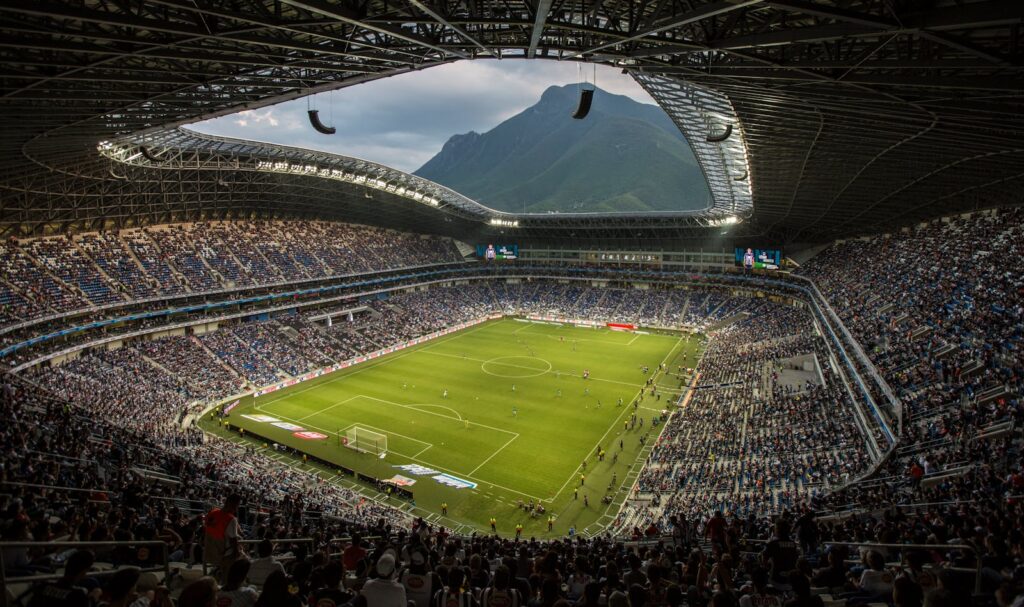
18. Estadio BBVA — Monterrey, Mexico
Often called one of the most beautiful stadiums in North America, Estadio BBVA will make its World Cup debut in 2026. Its dramatic mountain backdrop makes it instantly recognizable.
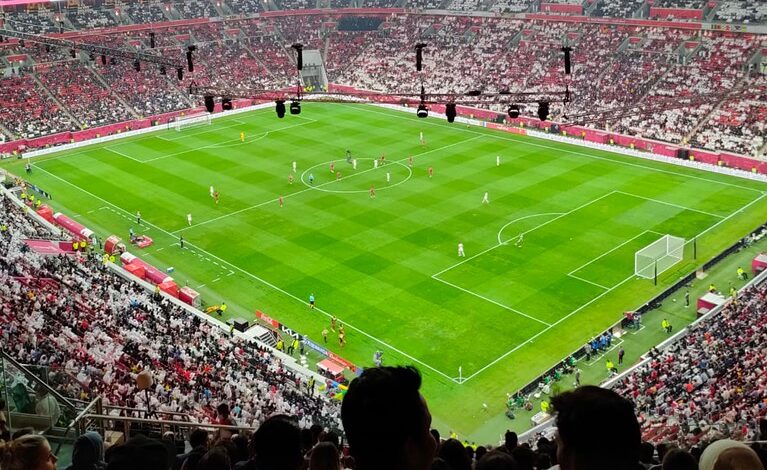
17. Al Bayt Stadium — Al Khor, Qatar
Built for the 2022 World Cup, Al Bayt’s design pays tribute to traditional nomadic tents while offering one of the most striking appearances of any modern stadium.
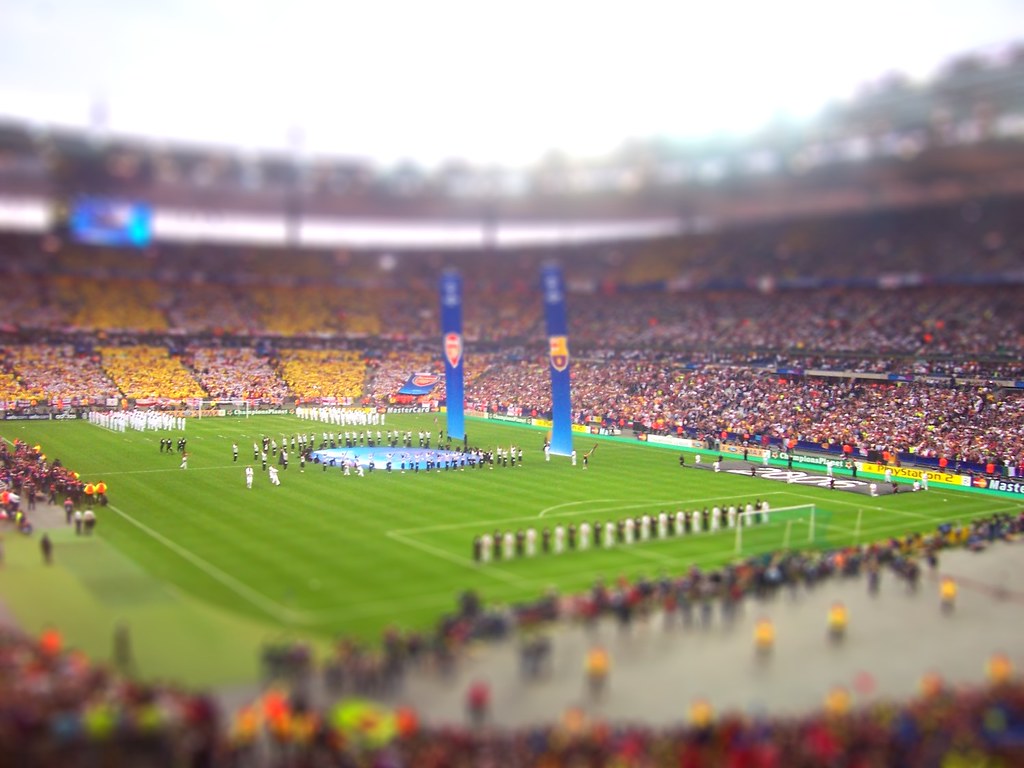
16. Stade de France — Paris, France
The site of France’s first World Cup victory in 1998, Stade de France remains one of Europe’s premier soccer venues and a symbol of French sporting achievement.
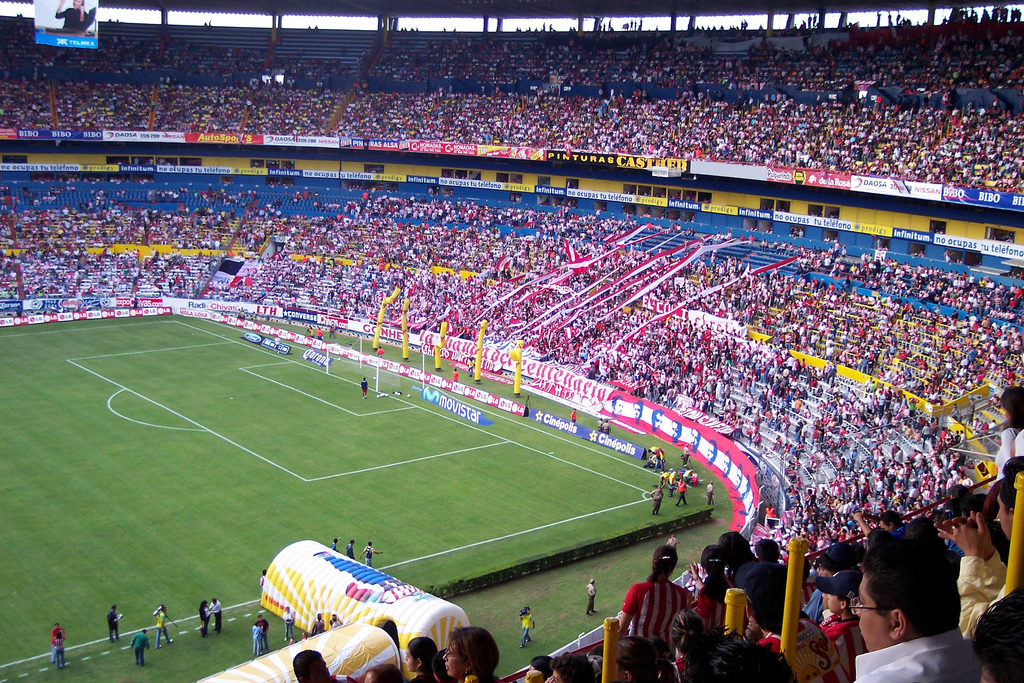
15. Estadio Jalisco — Guadalajara, Mexico
This historic venue hosted matches in both the 1970 and 1986 World Cups, including appearances by Pelé and Maradona. Few stadiums can claim such a legendary guest list.
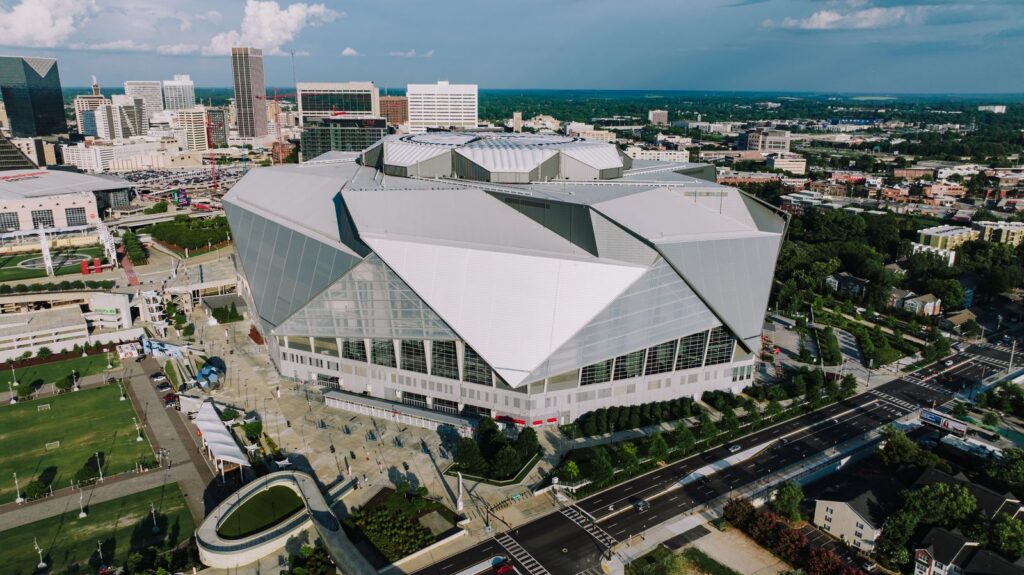
14. Mercedes-Benz Stadium — Atlanta, United States
One of the most technologically advanced stadiums in the world, Mercedes-Benz Stadium will be a centerpiece of the 2026 tournament.
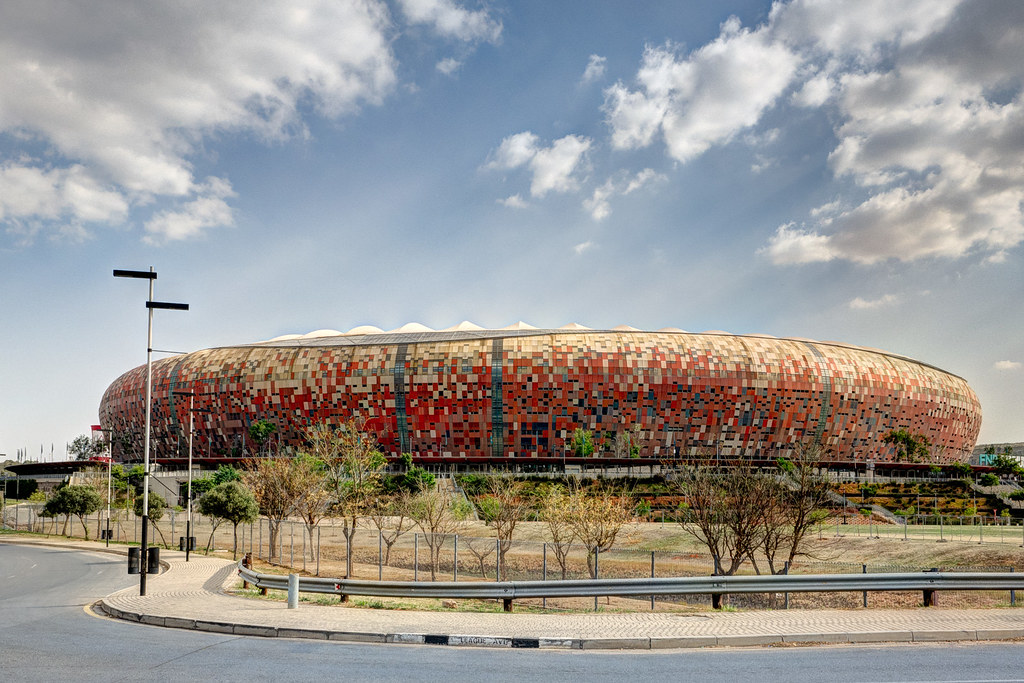
13. Soccer City (FNB Stadium) — Johannesburg, South Africa
The crown jewel of the 2010 World Cup, Soccer City hosted the tournament’s opening match and final, becoming a symbol of Africa’s first World Cup.
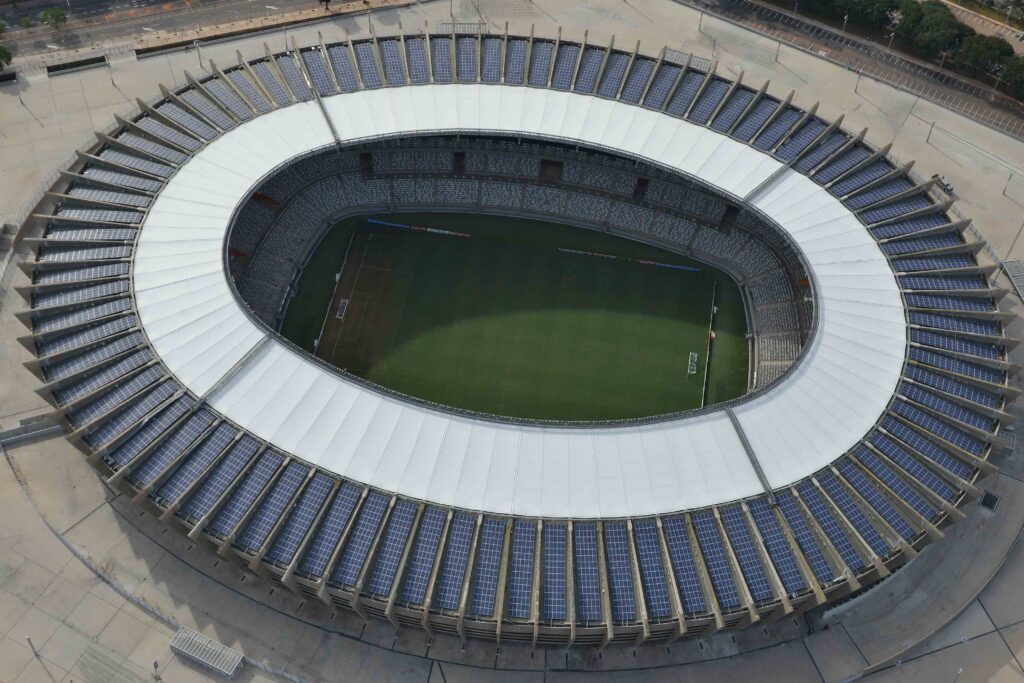
12. Mineirão — Belo Horizonte, Brazil
Mineirão will forever be linked to one of the most shocking results in soccer history: Germany’s stunning 7-1 victory over Brazil in the 2014 semifinals.
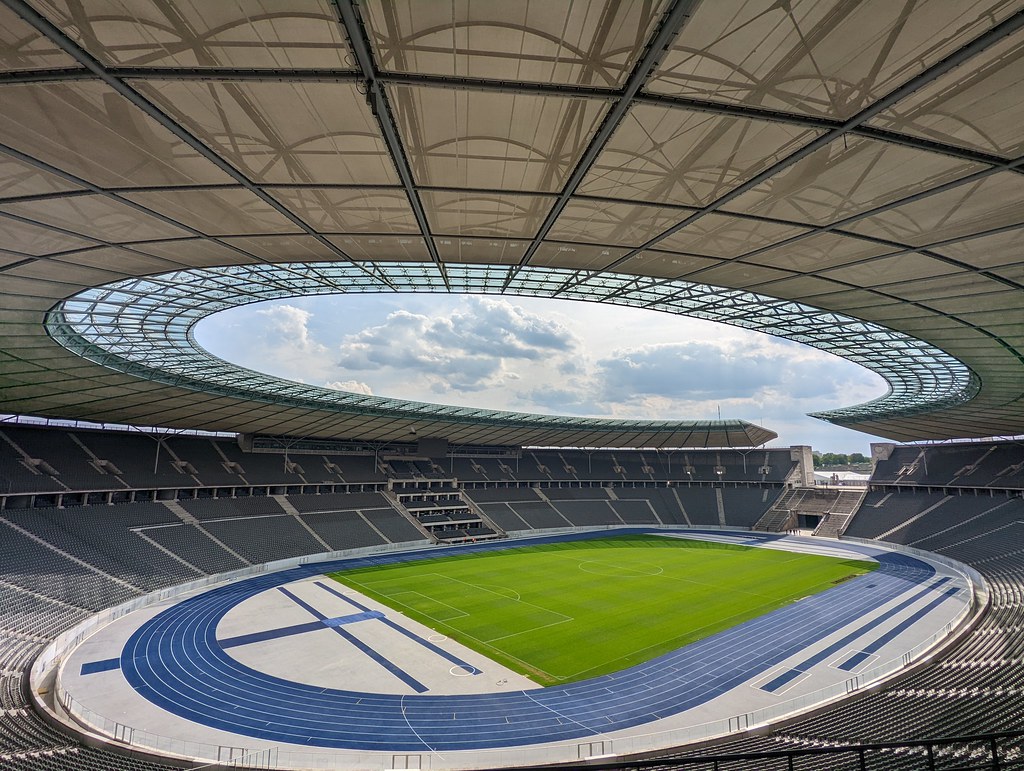
11. Olympiastadion — Berlin, Germany
Originally built for the 1936 Olympics, Berlin’s iconic stadium hosted the 2006 World Cup Final and remains one of Germany’s most historic sporting venues.
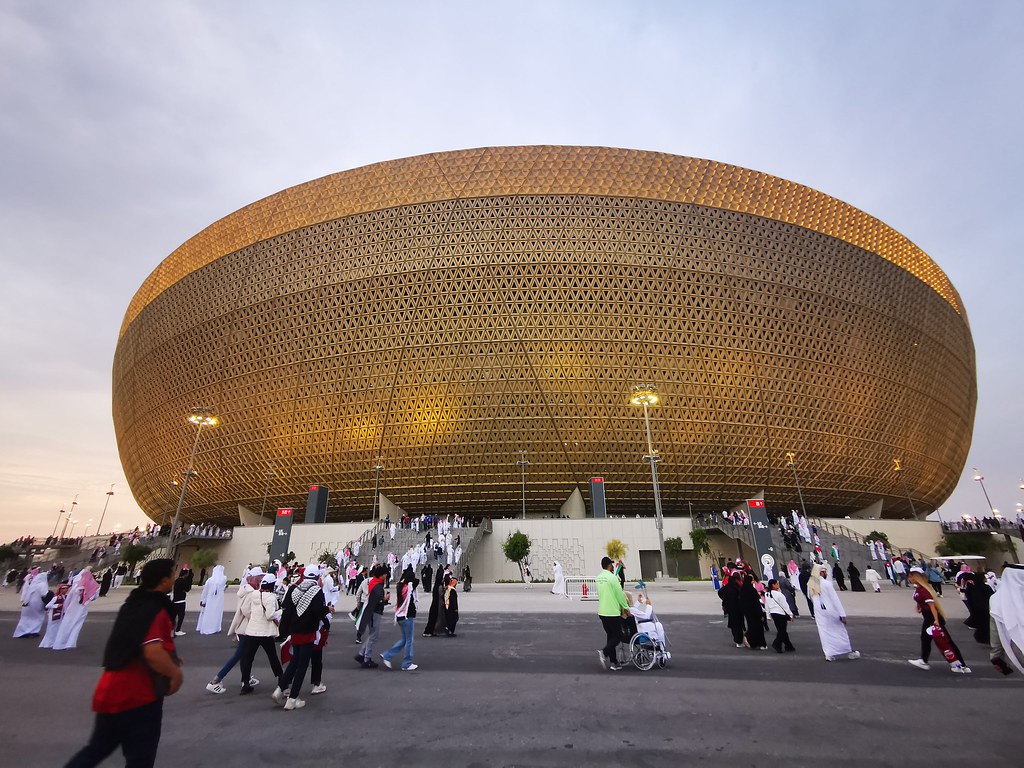
10. Lusail Stadium — Lusail, Qatar
The venue for the unforgettable 2022 World Cup Final between Argentina and France, Lusail immediately secured its place in soccer history.
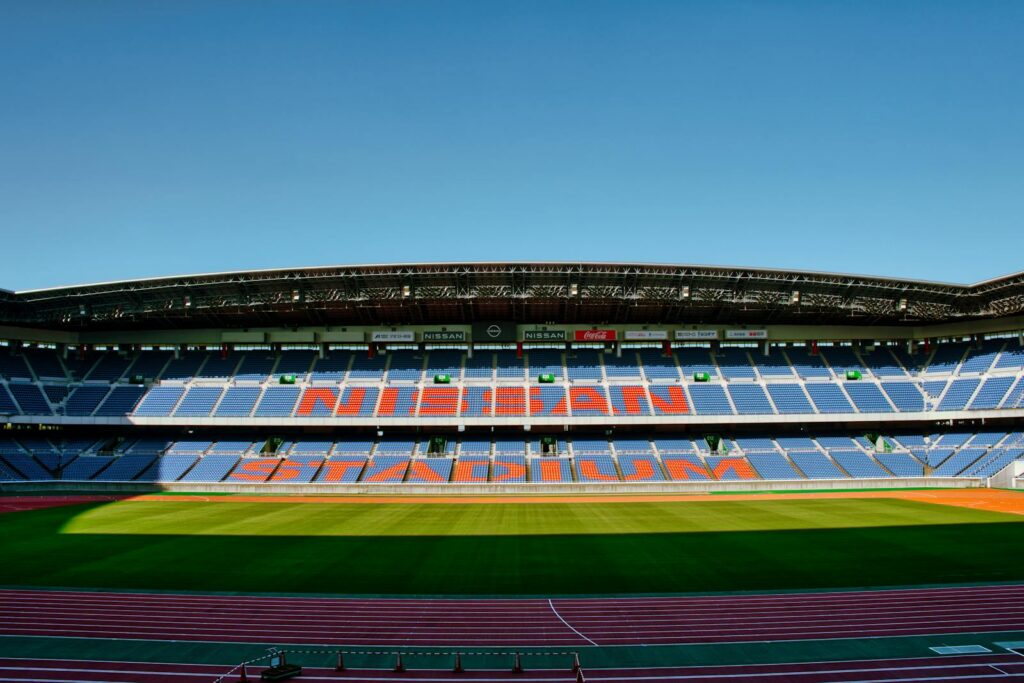
9. Nissan Stadium — Yokohama, Japan
The largest stadium in Japan hosted the 2002 World Cup Final, where Brazil claimed its record fifth championship.
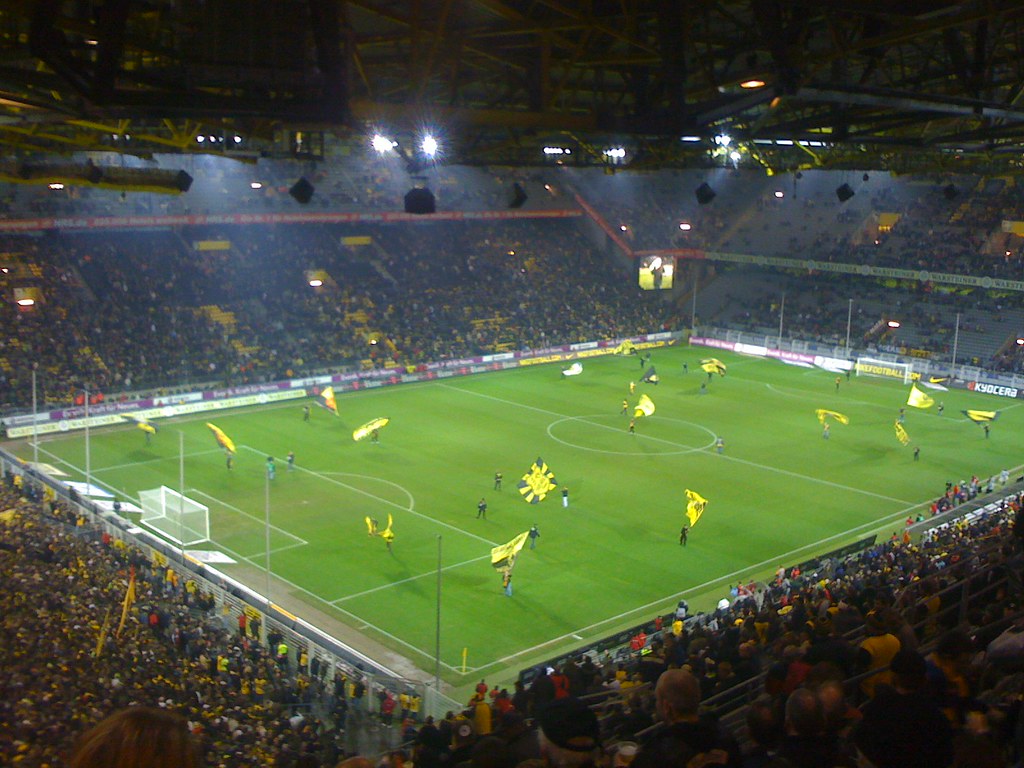
8. Signal Iduna Park — Dortmund, Germany
Known for having one of the greatest atmospheres in world soccer, Signal Iduna Park helped showcase Germany’s passion for the game during the 2006 World Cup.
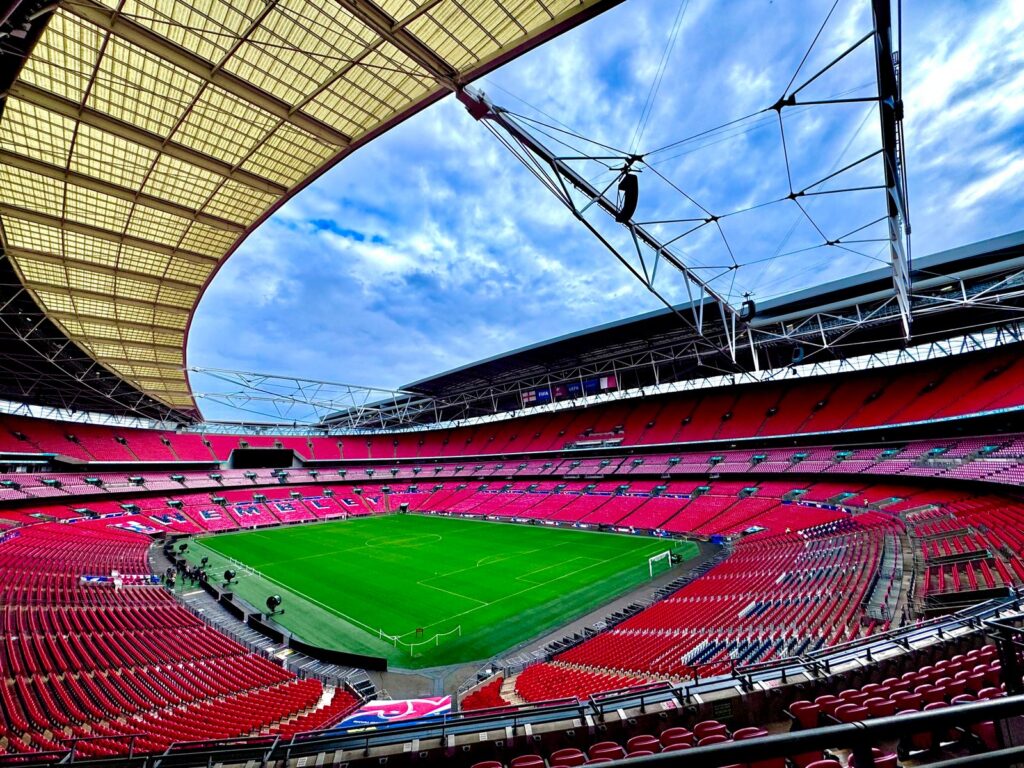
7. Wembley Stadium — London, England
The original Wembley hosted the 1966 World Cup Final, where England won its only World Cup title. Its modern successor remains one of soccer’s most famous venues.
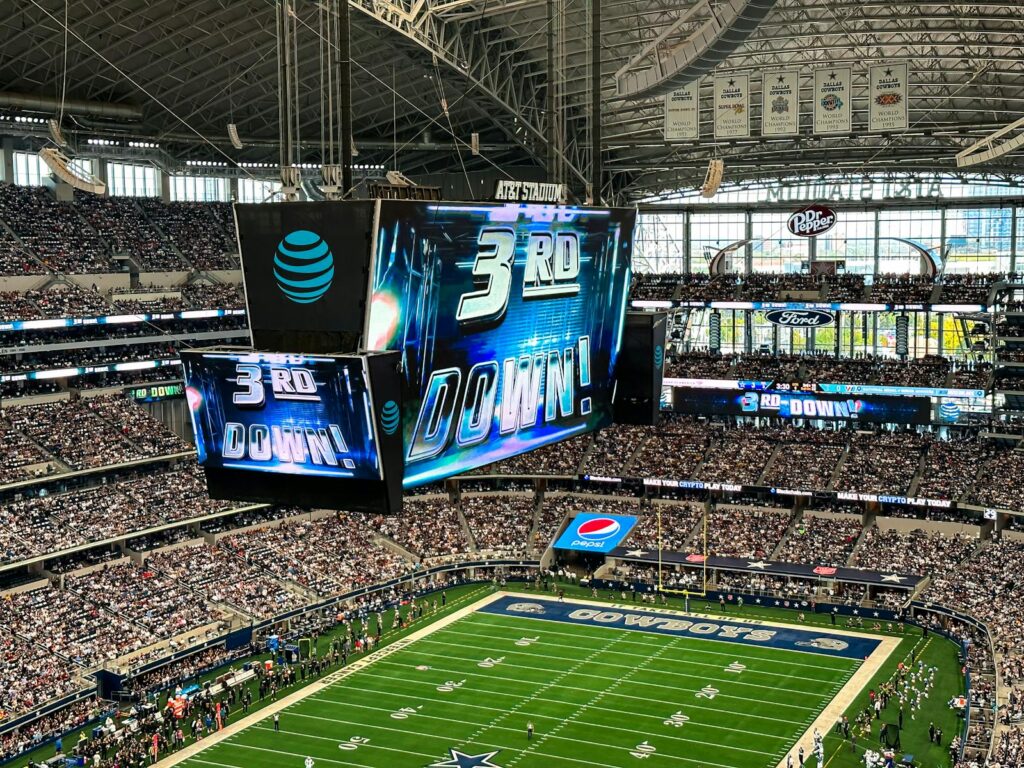
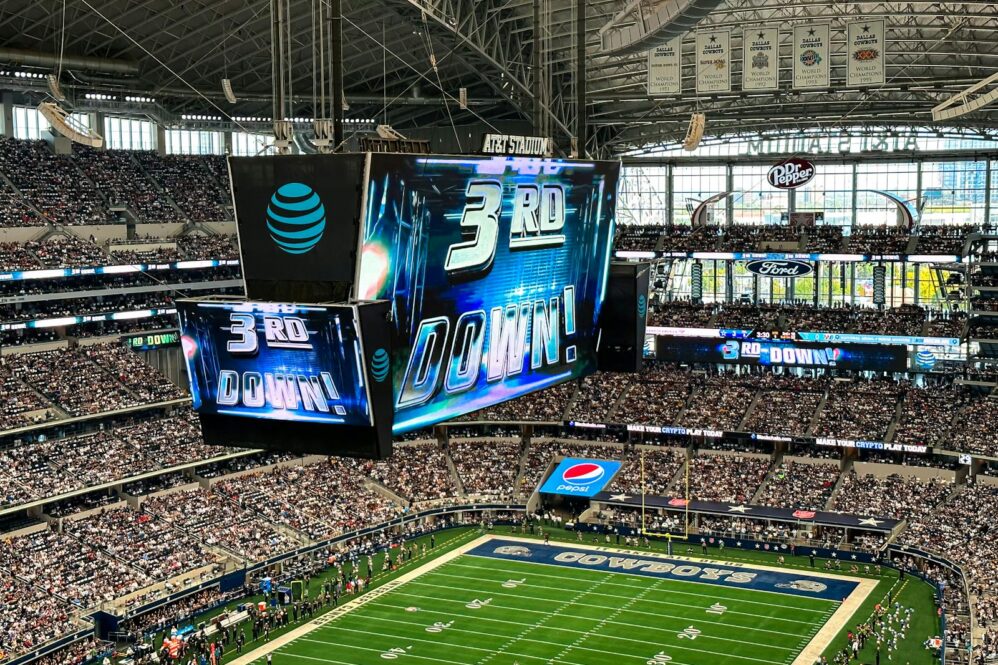
6. AT&T Stadium — Arlington, United States
The largest venue scheduled for the 2026 World Cup combines massive capacity with cutting-edge technology and is expected to host some of the tournament’s biggest matches.
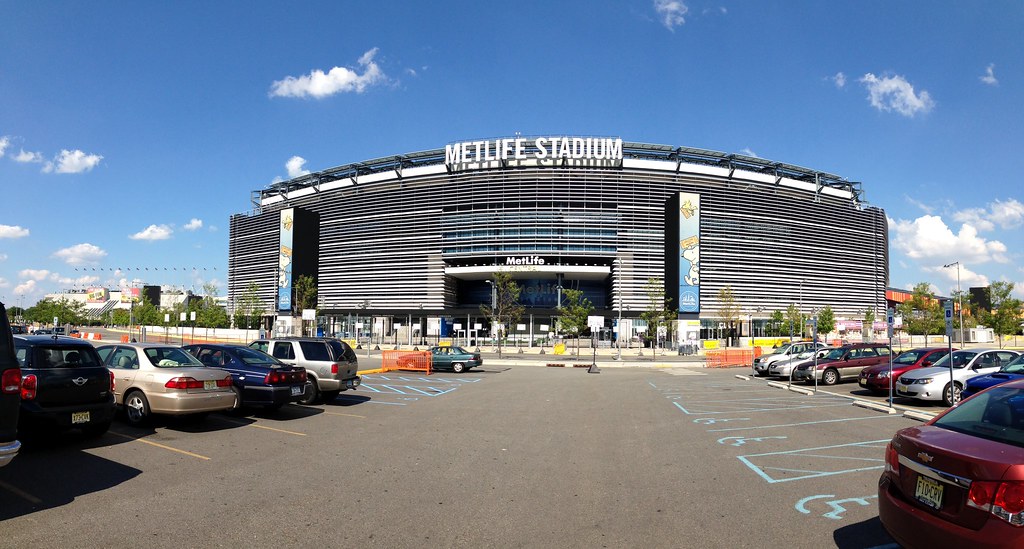
5. MetLife Stadium — East Rutherford, New Jersey
MetLife will host the 2026 World Cup Final, instantly elevating its place in soccer history before a ball has even been kicked.
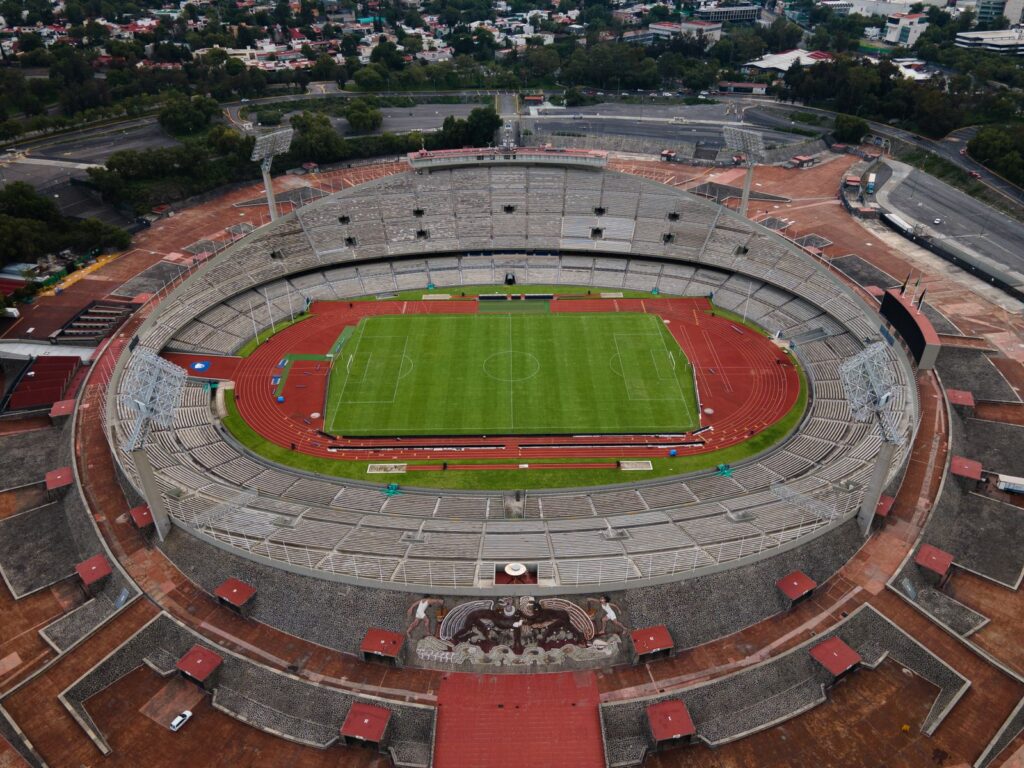
4. Estadio Monumental — Mexico City, Mexico
One of the most memorable venues of the 1968 Olympics and the 1986 World Cup, it hosted several iconic matches and remains a cornerstone of Mexican soccer.
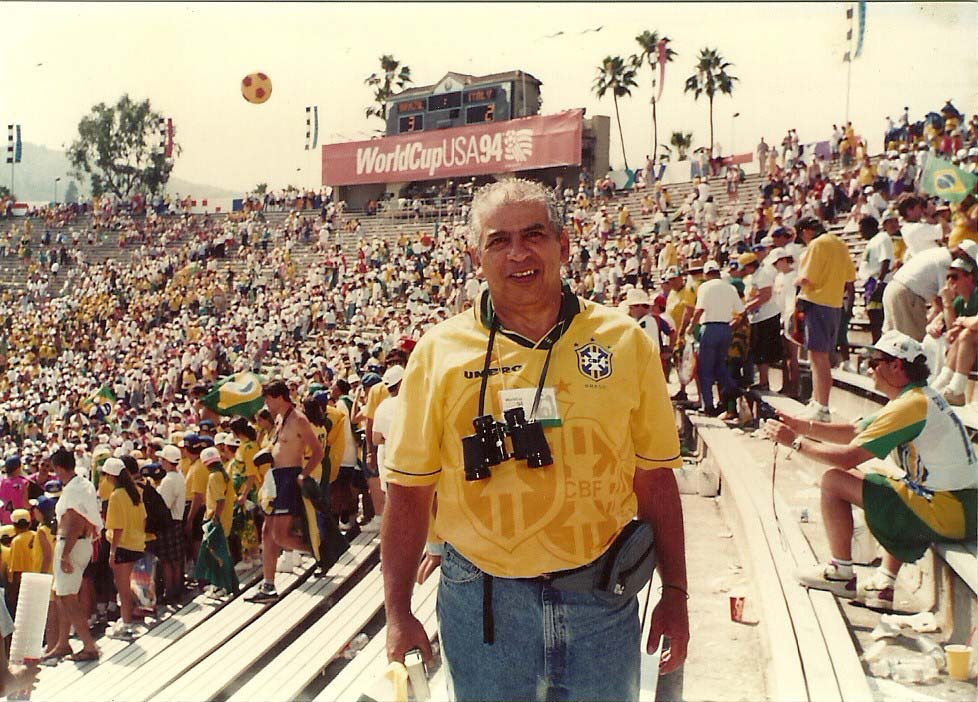
3. Rose Bowl — Pasadena, California
The Rose Bowl hosted the largest crowd ever to watch a World Cup Final, with more than 94,000 fans attending Brazil’s victory over Italy in 1994.
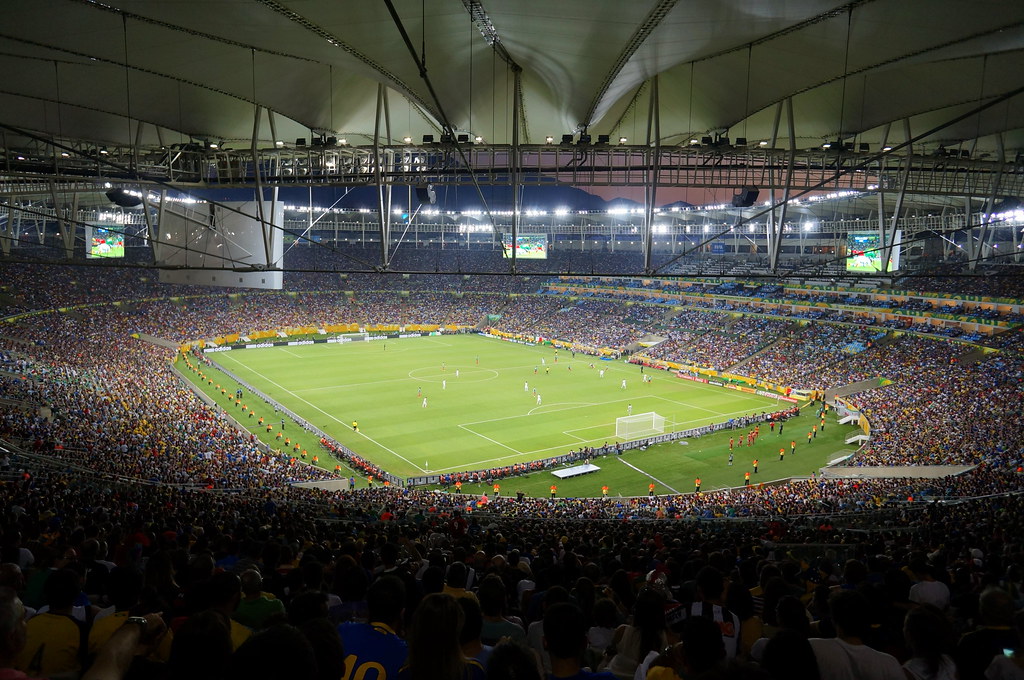
2. Maracanã — Rio de Janeiro, Brazil
Few stadiums are as closely associated with soccer as the Maracanã. It hosted the 1950 and 2014 World Cup Finals and has witnessed countless historic moments.
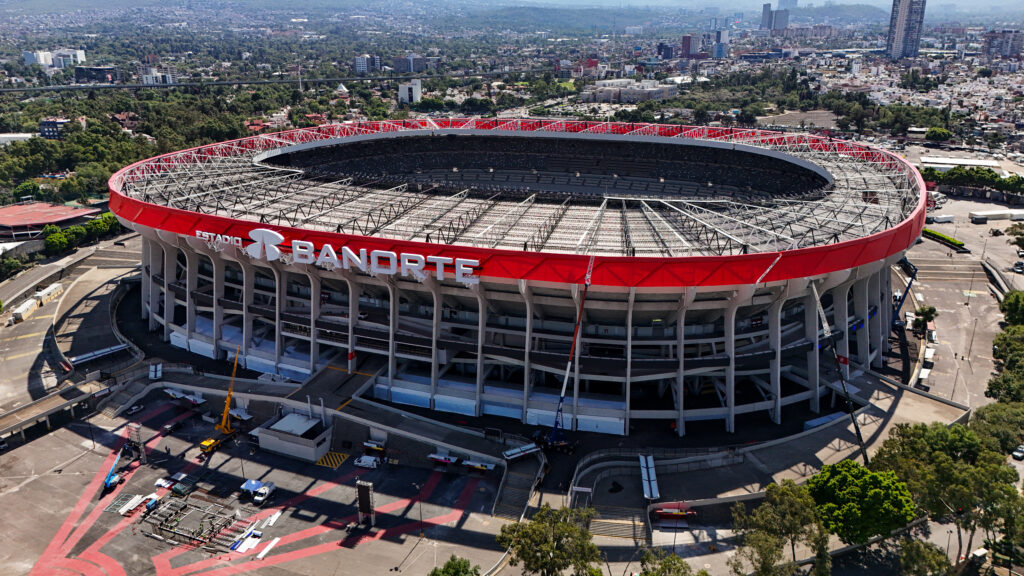
1. Estadio Azteca — Mexico City, Mexico
No stadium can match Azteca’s World Cup résumé. Pelé won there. Maradona dazzled there. Two finals were played there. And in 2026, it will become the first stadium in history to host matches in three separate World Cups. If there is a cathedral of World Cup soccer, this is it.
Ask us! What questions do you have about content, strategy, pop culture, lifestyle, wellness, history or more? We may use your question in an upcoming article!
Like MediaFeed’s content? Be sure to follow us.
This article originally appeared on Resourcebuzz and was syndicated by MediaFeed.co.