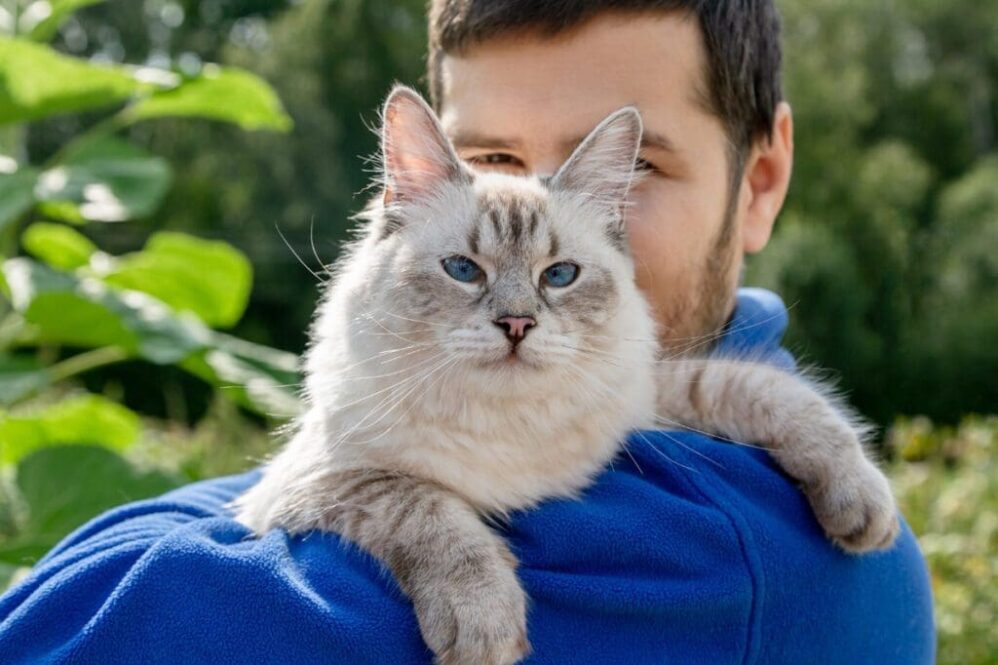
11 Cat Breeds That May Be Easier on Allergies
Cat allergies don’t necessarily mean you have to give up on owning a feline companion. While no cat is truly 100% hypoallergenic, some breeds produce lower levels of the Fel d 1 protein, the primary allergen responsible for most cat allergies.
If you love cats but struggle with sneezing, itchy eyes, or congestion, these breeds may offer a more comfortable compromise. Keep in mind that individual reactions vary, and spending time with a breed before bringing one home is always a good idea.
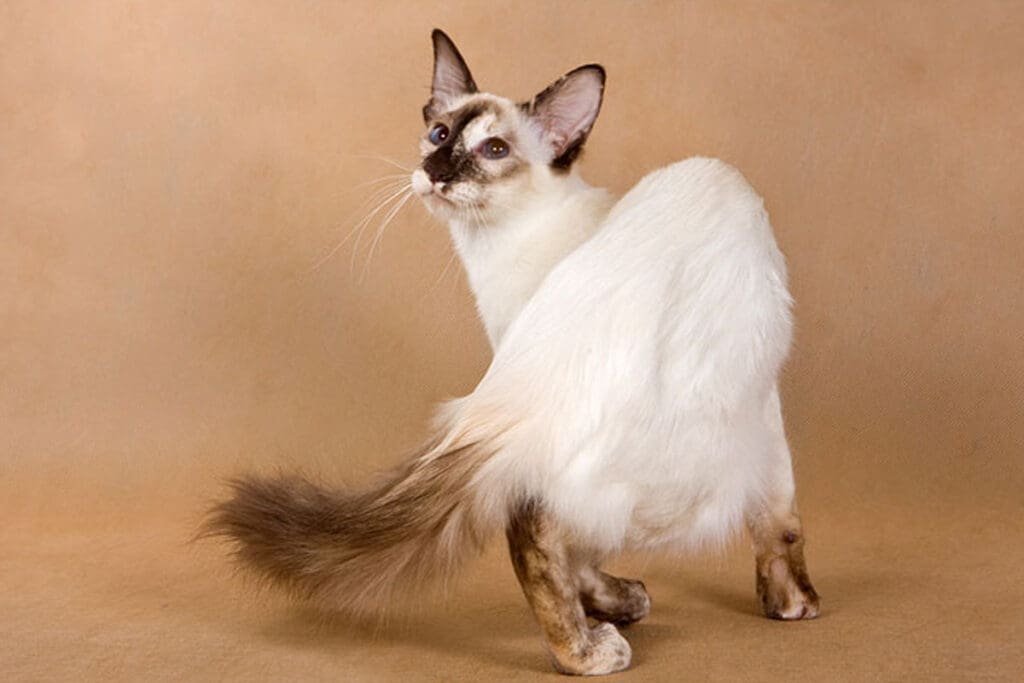
11. Javanese
Javanese cats are intelligent, playful, and highly social companions that love being involved in family activities.
Despite their silky medium-length coats, they have no dense undercoat, which means less shedding and fewer allergens circulating through your home. They thrive on attention and tend to form strong bonds with their people.
Pros: Affectionate, intelligent, lower shedding
Cons: Vocal and attention-seeking
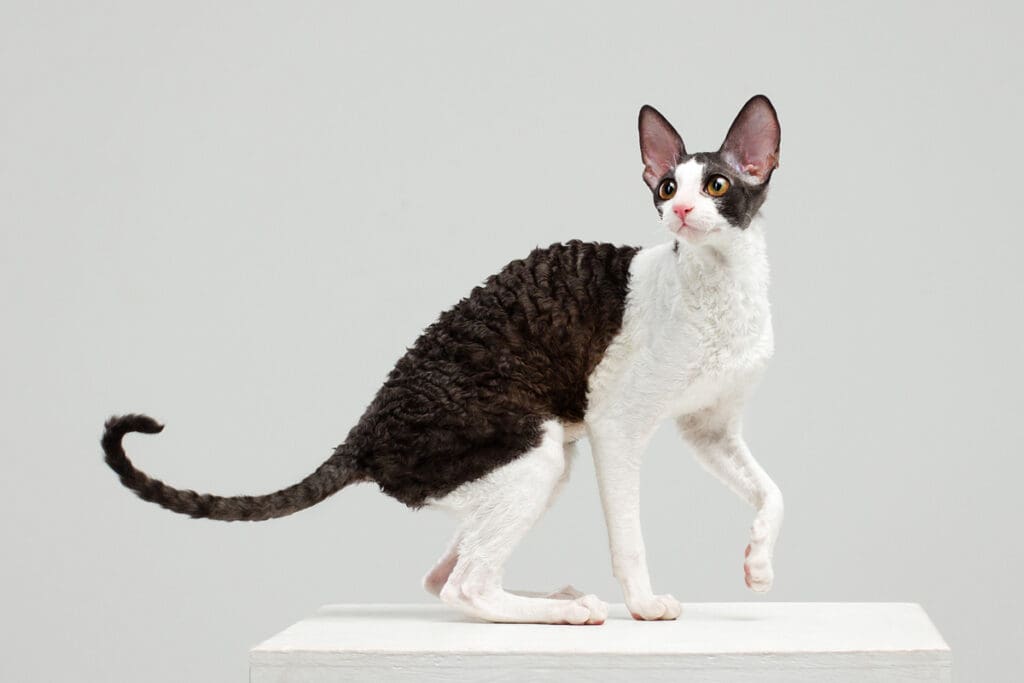
10. Cornish Rex
The Cornish Rex stands out thanks to its soft, curly coat made up almost entirely of the undercoat layer.
Because they shed very little, allergens are less likely to spread throughout the house. These energetic cats remain playful well into adulthood and love interactive games and attention.
Pros: Low shedding, playful, affectionate
Cons: High energy and requires stimulation
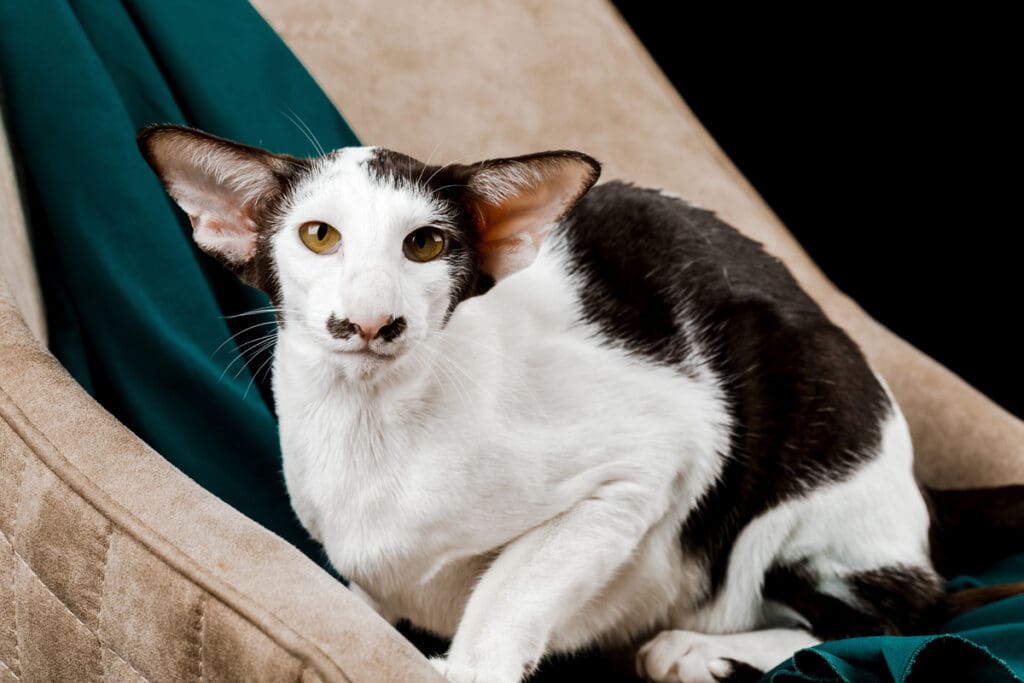
9. Oriental Shorthair
Closely related to the Siamese, Oriental Shorthairs have sleek coats that require minimal grooming.
They’re intelligent, curious, and deeply attached to their families. Their short fur sheds less than many breeds, making them a popular choice for allergy sufferers.
Pros: Social, low-maintenance coat, intelligent
Cons: Can be vocal and demanding
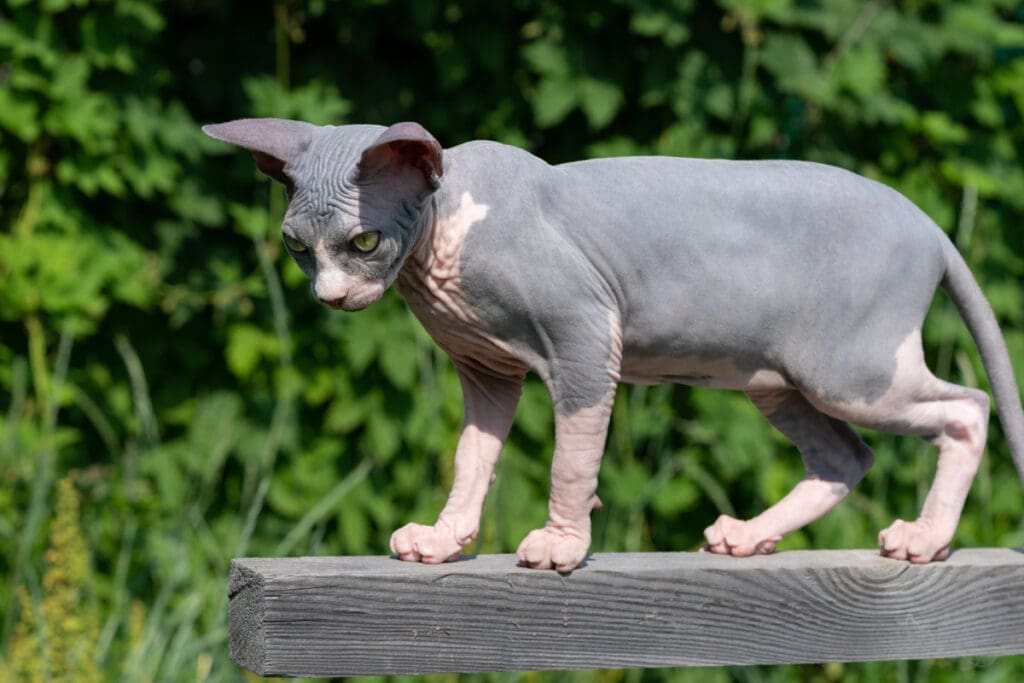
8. Sphynx
The Sphynx is often the first breed people think of when discussing hypoallergenic cats.
While hairless, they still produce allergens in their saliva and skin oils. However, the absence of a traditional coat means fewer allergens become airborne. Regular bathing is necessary to remove excess oils and keep their skin healthy.
Pros: Minimal shedding, affectionate, outgoing
Cons: Requires frequent bathing and skin care
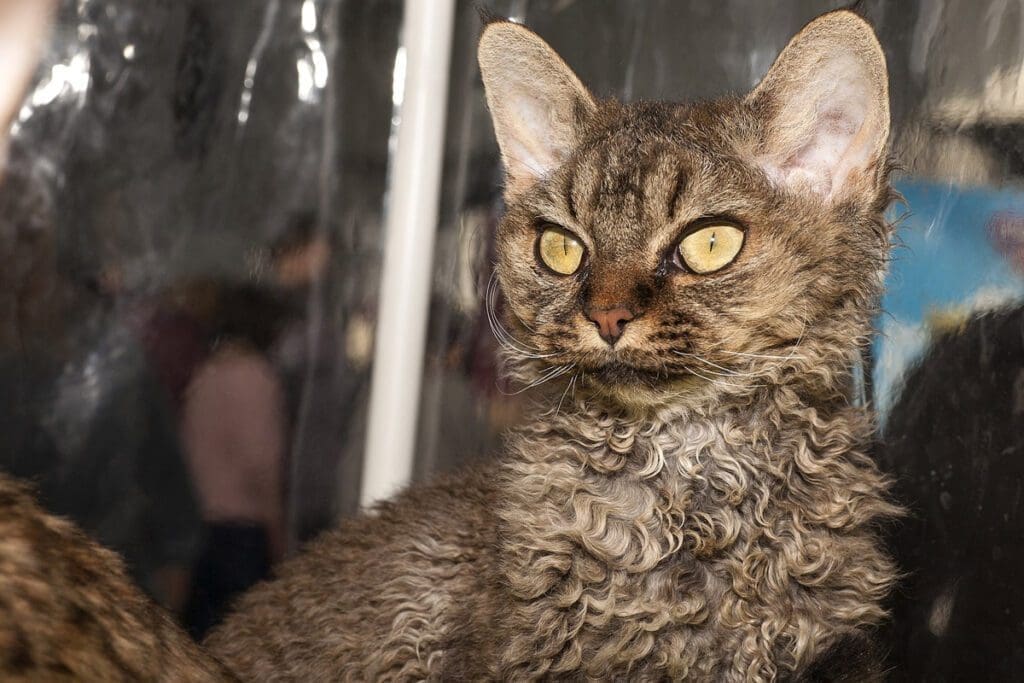
7. Devon Rex
The Devon Rex’s unique wavy coat sheds very little, helping reduce the spread of allergens around the home.
These cats are affectionate, playful, and often described as having dog-like personalities. They enjoy cuddling, climbing, and being the center of attention.
Pros: Low shedding, social, entertaining
Cons: Doesn’t like being left alone for long periods
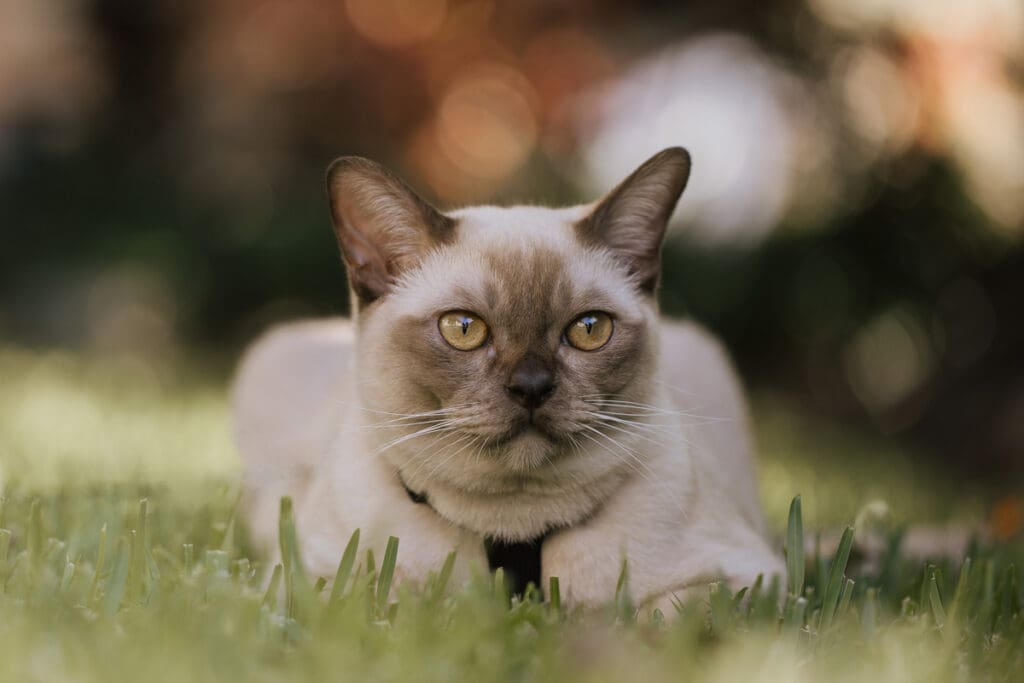
6. Burmese
Burmese cats are known for their people-oriented personalities and sleek, low-maintenance coats.
They thrive on interaction and often remain playful well into adulthood. Their short fur sheds minimally, making them easier on allergy sufferers than many other breeds.
Pros: Affectionate, low grooming needs, playful
Cons: Can become lonely if left alone frequently
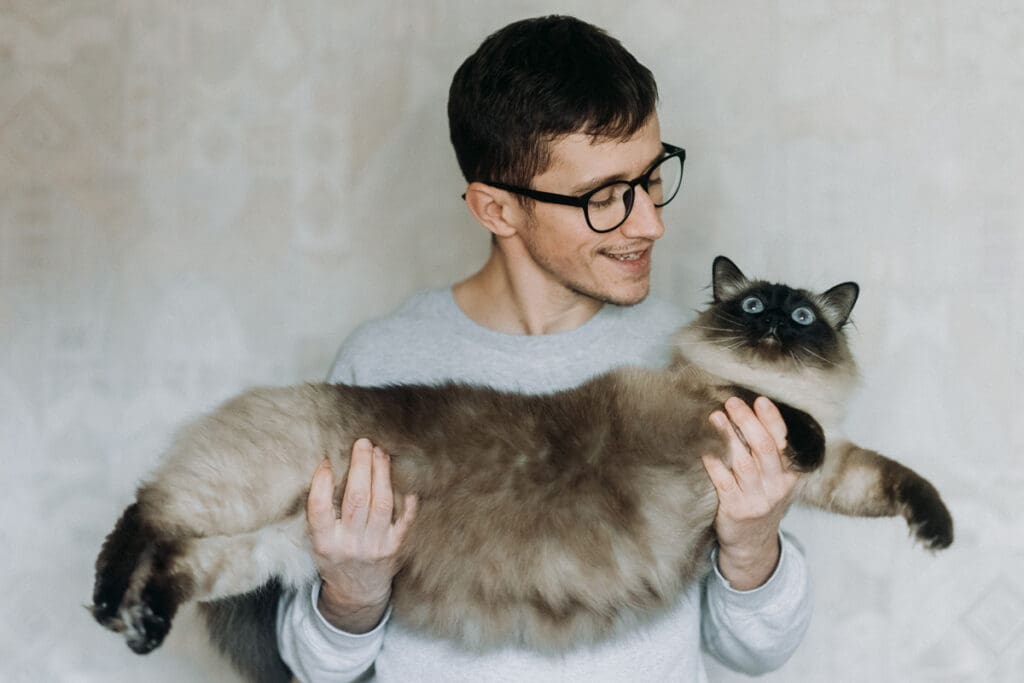
5. Balinese
Often called the “long-haired Siamese,” the Balinese may surprise allergy sufferers.
Research and breeder observations suggest they often produce lower levels of Fel d 1 than many other breeds. They’re highly intelligent, affectionate, and enjoy interactive play.
Pros: Intelligent, loyal, lower allergen production
Cons: Requires regular brushing
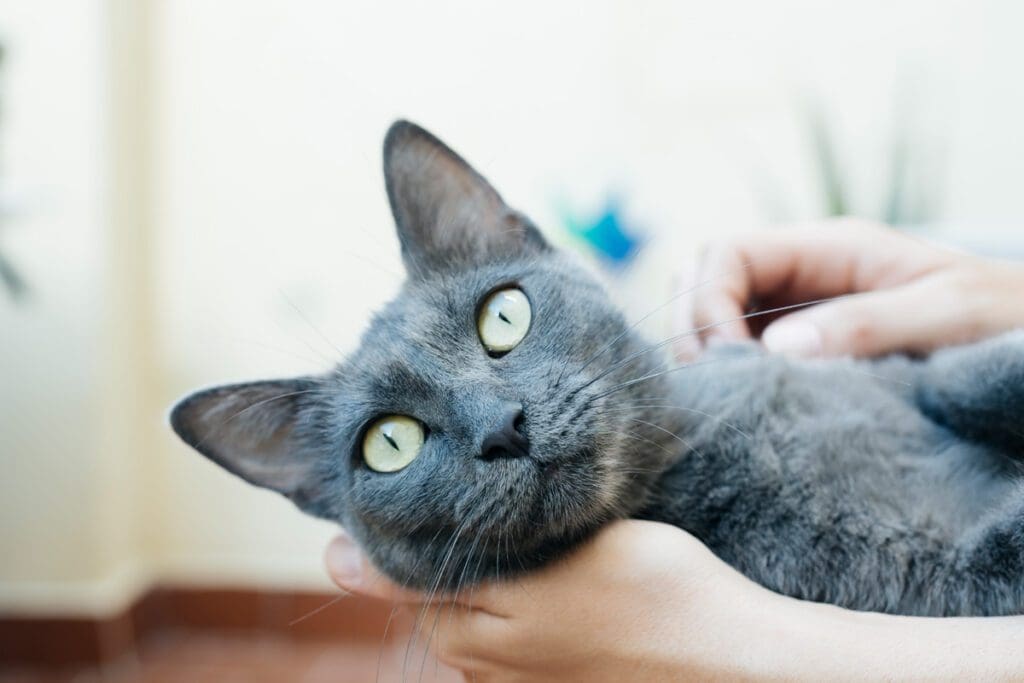
4. Russian Blue
The Russian Blue is one of the most frequently recommended breeds for people with cat allergies.
These elegant cats are believed to produce lower levels of Fel d 1 while also having a dense double coat that may trap allergens close to the skin. They’re affectionate with family but often reserved around strangers.
Pros: Quiet, loyal, lower allergen levels
Cons: Can be shy with newcomers
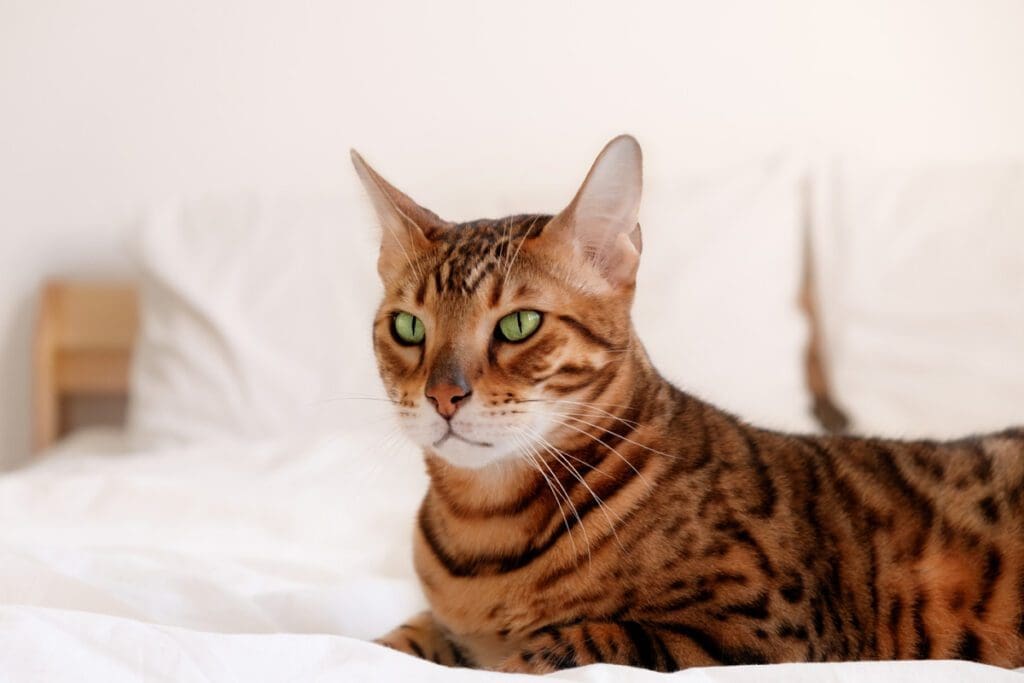
3. Bengal
With their striking spotted coats and athletic builds, Bengals bring a touch of the wild to the living room.
Their short, fine coats require very little grooming and shed less than many breeds. Bengals are highly active, intelligent, and need plenty of enrichment to stay happy.
Pros: Low-maintenance coat, energetic, intelligent
Cons: Requires lots of activity and stimulation
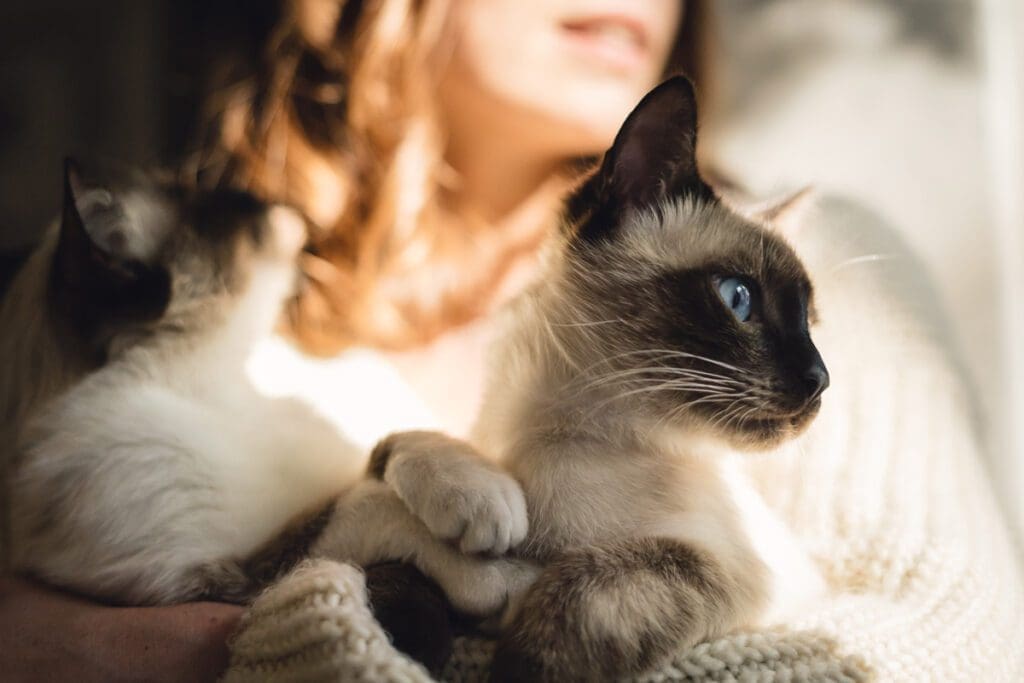
2. Siamese
Siamese cats are famous for their striking blue eyes, social personalities, and endless conversations.
Their short coat produces less shedding than many breeds, which can help minimize allergen exposure. They thrive in households where they receive plenty of attention and interaction.
Pros: Affectionate, intelligent, low-maintenance coat
Cons: Very vocal and people-oriented
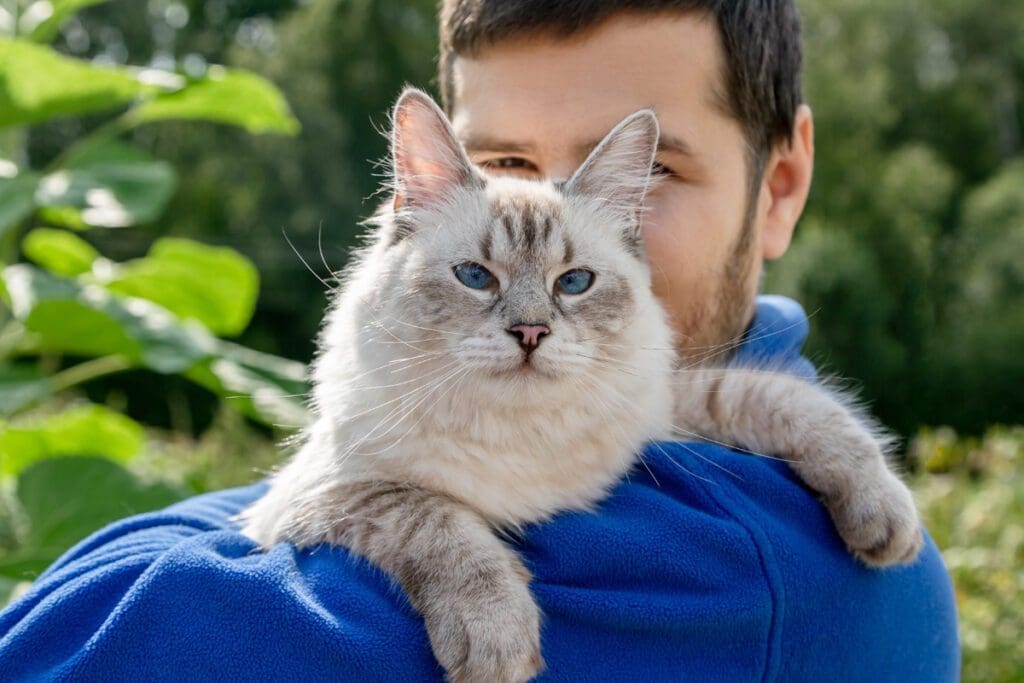
1. Siberian
It may seem surprising that a fluffy long-haired cat tops this list, but the Siberian is widely regarded as one of the best options for allergy sufferers.
Many Siberians naturally produce lower levels of Fel d 1 than other breeds. Combined with their affectionate, playful, and adaptable personalities, they consistently rank among the most popular hypoallergenic cat breeds.
Pros: Friendly, playful, often lower allergen production
Cons: Requires regular grooming due to its thick coat
Read More:
- 10 Cat Breeds That Love to Cuddle (Yes, Really)
- Bringing Your Outdoor Cat Inside? Avoid These Common Mistakes
- Sorry Dog Lovers—Here Are 10 Reasons Cats Win
Ask us! What questions do you have about content, strategy, pop culture, lifestyle, wellness, history or more? We may use your question in an upcoming article!
Like MediaFeed’s content? Be sure to follow us.
This article originally appeared on Resourcebuzz and was syndicated by MediaFeed.co.