
Think Twice Before Joining These 20 Loyalty Programs
Companies love loyalty programs.
After all, they’re a great way to encourage repeat business, collect customer data, and keep shoppers coming back. The problem is that not every loyalty program actually delivers meaningful value to the customer.
Some require you to spend hundreds of dollars to earn tiny rewards. Others make it nearly impossible to redeem points before they expire. And a few seem designed more to encourage spending than to help you save.
Here are 20 loyalty programs that often aren’t worth the effort.
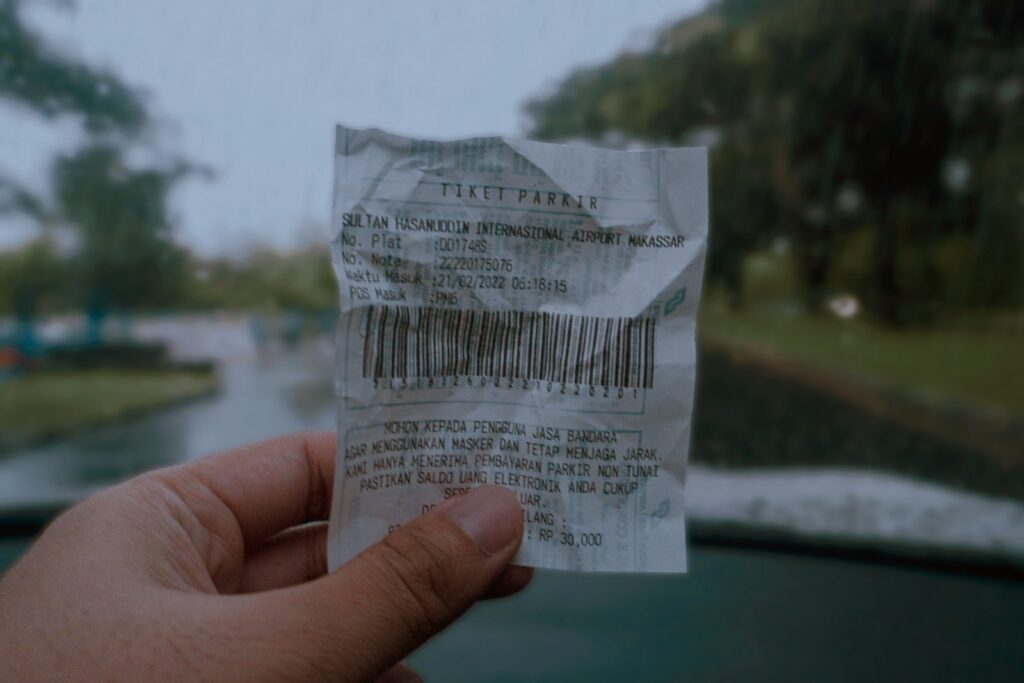
20. Programs That Require You to Upload Receipts
If earning rewards feels like homework, something has gone wrong.
Programs that require customers to save, scan, photograph, and upload receipts often lose participants long before rewards are earned. Even generous rewards lose their appeal when redemption becomes a chore.

19. Airline Lounge Memberships for Occasional Travelers
Airport lounges can be wonderful.
But paying hundreds of dollars annually for lounge access rarely makes sense if you only fly a few times per year. Frequent travelers often benefit. Everyone else may be paying for perks they rarely use.

18. Birthday Clubs With Tiny Redemption Windows
Who doesn’t love free birthday treats?
The problem is that some programs offer rewards that expire within days or require a purchase to redeem. By the time you remember the offer exists, it’s often gone.

17. Convenience Store Fuel Rewards
These programs often encourage customers to buy high-margin snacks, drinks, and impulse purchases in exchange for modest fuel discounts.
In many cases, the extra spending outweighs the savings at the pump.

16. Pet Store Rewards That Require Massive Spending
Many pet store programs sound generous until you do the math.
Spending hundreds of dollars to earn a coupon worth only a few dollars doesn’t exactly qualify as life-changing savings.

15. Gym Reward Programs
Some gyms offer points for check-ins, classes, or participation.
Unfortunately, earning enough points to redeem meaningful rewards can take months, and the prizes often consist of low-value merchandise that few members actually want.

14. Retail Programs With Brand Restrictions
Nothing is more frustrating than earning rewards only to discover they apply to a tiny selection of products.
Some programs advertise flexibility but severely limit where points can be used, reducing their real-world value.

13. Department Store Loyalty Programs
Many department store programs reward spending with future discounts.
The catch? Those discounts often encourage additional purchases rather than genuine savings. It’s easy to spend more chasing rewards than you save receiving them.
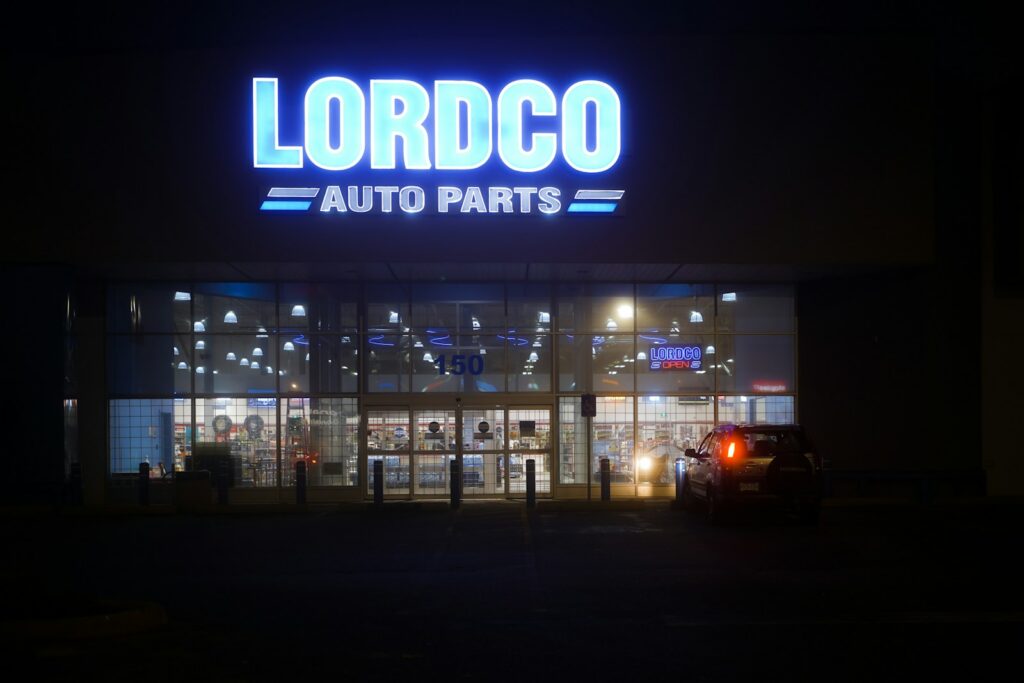
12. Auto Parts Store Rewards
Unless you’re a mechanic or serious car enthusiast, accumulating points can be surprisingly difficult.
Many shoppers never spend enough to unlock meaningful benefits before rewards expire.

11. Restaurant Programs With Restrictions
A free appetizer sounds great until you discover it excludes weekends, special menus, promotions, takeout orders, and half the items on the menu.
The fine print often matters more than the reward itself.

10. Movie Theater Rewards for Casual Moviegoers
Movie subscription plans can be fantastic for regular customers.
But for people who only see a handful of films each year, points often expire long before they accumulate enough for meaningful rewards.

9. Coffee Shop Rewards for Occasional Customers
Buying ten or twelve drinks to earn one free coffee isn’t necessarily a terrible deal.
But if you only visit occasionally, it may take so long to earn rewards that you barely notice the benefit.

8. Beauty Store Tier Programs
Programs at major beauty retailers often become substantially more valuable at higher spending levels.
The issue is that many customers never reach those levels, leaving them with minimal benefits while being encouraged to spend more.
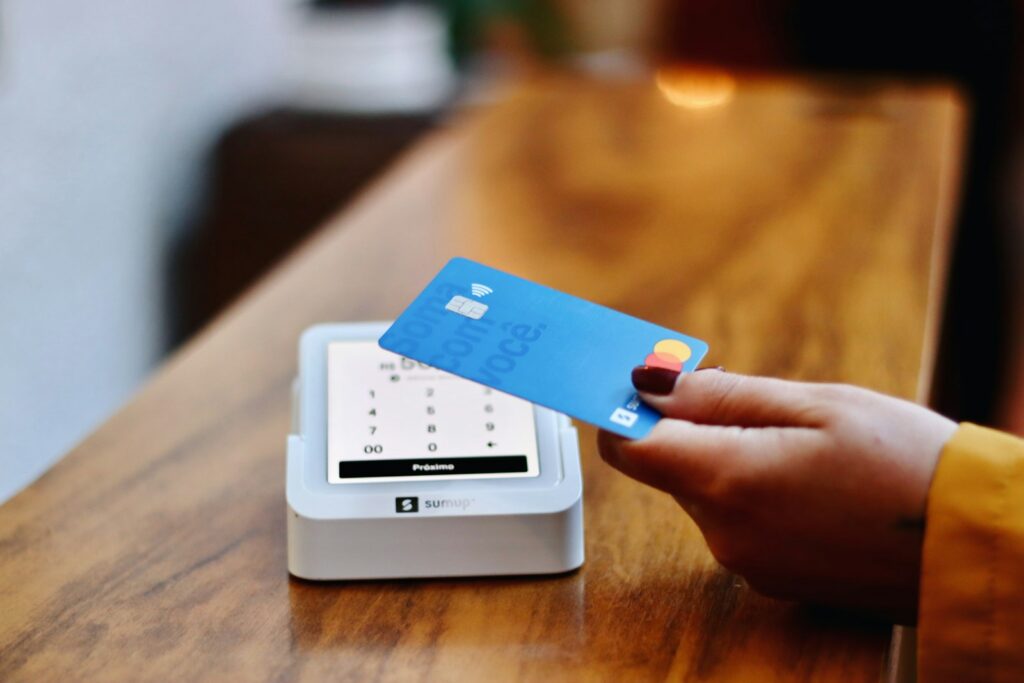
7. Retail Credit Card Rewards Programs
Store credit cards often offer tempting discounts upfront.
Unfortunately, many carry extremely high interest rates. Carrying a balance can quickly erase any rewards earned and cost far more than the discounts are worth.

6. Grocery Store “Member Pricing”
Many grocery loyalty cards don’t actually offer rewards.
Instead, they simply unlock access to the prices everyone used to receive automatically. While there can still be worthwhile deals, the savings aren’t always as impressive as the marketing suggests.

5. Fast Food Rewards Apps
Some fast food programs offer legitimate value.
Others mostly function as digital coupon books designed to encourage more frequent visits. If you’re spending extra money to earn rewards, the program is winning more than you are.

4. Subscription-Based Loyalty Programs
Programs like paid retail memberships can absolutely be worthwhile for heavy users.
The problem is that many consumers sign up, use only a fraction of the benefits, and quietly renew year after year without evaluating whether they’re getting their money’s worth.

3. Gas Station Loyalty Programs With Tiny Discounts
Saving a few cents per gallon feels satisfying.
In reality, even a five-cent discount only saves about 75 cents on a 15-gallon fill-up. Unless you’re driving extensively, the rewards may be less significant than they appear.

2. Hotel Loyalty Programs for Infrequent Travelers
Frequent business travelers can earn tremendous value from hotel programs.
Occasional vacationers often struggle to earn enough points for meaningful rewards, especially when stays are spread across multiple hotel brands.

1. Airline Loyalty Programs for Casual Flyers
Airline loyalty programs can be incredibly valuable for road warriors who fly constantly.
For everyone else, points may accumulate slowly, redemption rules can be complicated, and award availability can be frustrating. In many cases, choosing the cheapest or most convenient flight delivers more value than chasing loyalty status.
The best loyalty programs reward purchases you were already planning to make. The worst ones encourage extra spending in exchange for tiny perks that never quite materialize. Before joining any rewards program, take a moment to do the math. Sometimes the smartest loyalty strategy is simply keeping more of your money in the first place.
Read More:
- 20 Things Wealthy People Refuse to Waste Money On
- 20 Store Tricks That Quietly Get You to Spend More
- 10 Shopping Habits Driven More by Emotion Than Logic
Ask us! What questions do you have about content, strategy, pop culture, lifestyle, wellness, history or more? We may use your question in an upcoming article!
Like MediaFeed’s content? Be sure to follow us.
This article originally appeared on Resourcebuzz and was syndicated by MediaFeed.co.