
15 Common Money Leaks That Are Draining Your Budget
Most people don’t blow their budgets on luxury vacations or designer handbags.
Instead, money tends to disappear through dozens of small, seemingly harmless expenses that quietly add up over time. A few extra dollars here, a forgotten subscription there, and suddenly hundreds—or even thousands—of dollars have vanished over the course of a year.
The good news is that these hidden money leaks are often easy to fix once you know where to look.
Here are 15 times you’re probably paying more than you need to.

15. Streaming Services You Rarely Use
It starts with one streaming service.
Then another launches an exclusive show you want to watch. Then another. Before long, you’re paying for six different platforms and using two of them regularly.
Rotating subscriptions throughout the year can often save money without sacrificing entertainment.

14. Premium Skincare Products
Expensive packaging and celebrity endorsements don’t always translate to better results.
Many dermatologists point out that ingredients matter far more than branding, and drugstore alternatives often contain the same active ingredients as premium products at a fraction of the cost.

13. Extended Warranties
Retailers love selling extended warranties because they’re often highly profitable.
While some warranties provide value for specific products, many purchases are already protected by manufacturer warranties or credit card benefits. Always check what coverage you already have before paying extra.

12. Convenience Fees
There’s something ironic about paying extra for convenience that often isn’t very convenient.
Ticket purchases, utility payments, online bookings, and event registrations frequently include fees that can add up surprisingly fast. Whenever possible, compare payment methods and purchase channels before checking out.

11. Bottled Water
Unless you’re traveling or dealing with questionable water quality, bottled water is one of the most expensive ways to stay hydrated.
A reusable bottle and a quality filter can dramatically reduce costs while generating less plastic waste.
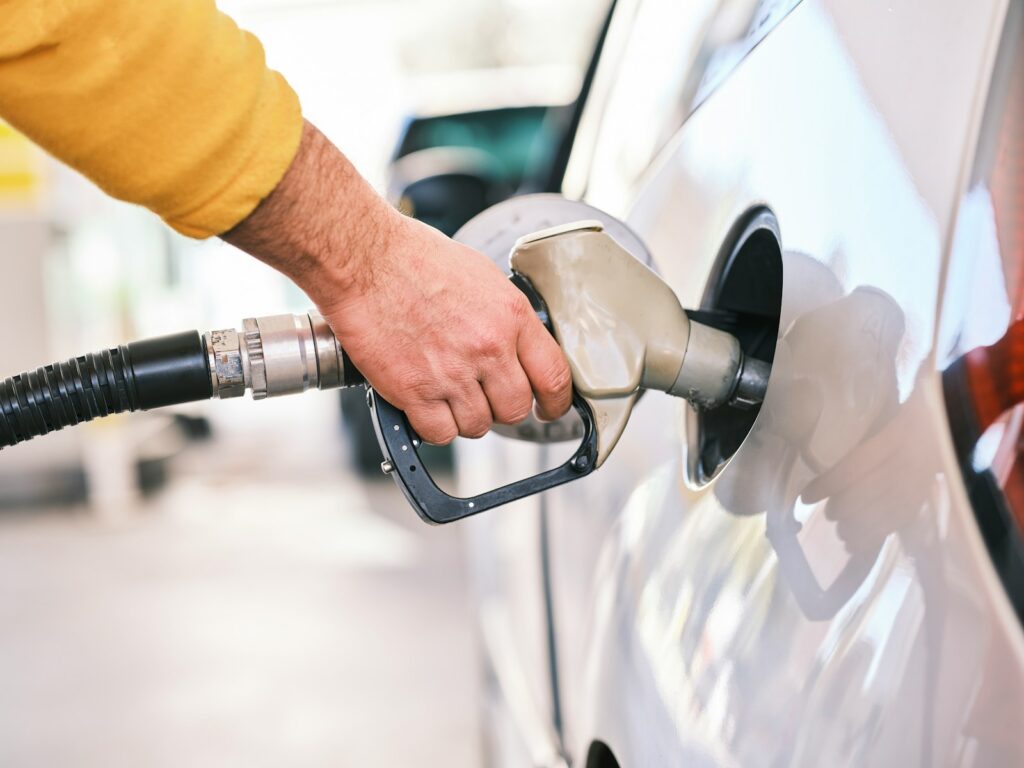
10. Premium Gasoline Your Car Doesn’t Need
Many drivers assume premium fuel is better for every vehicle.
In reality, most cars are designed to run perfectly well on regular gasoline. Unless your owner’s manual specifically recommends or requires premium fuel, you’re often paying extra without receiving additional benefits.

9. Monthly Bank Fees
Paying a bank simply to hold your money can feel a little backward.
Many financial institutions now offer checking accounts with no monthly maintenance fees, making it worthwhile to review your banking options periodically.

8. Daily Coffee Shop Runs
A $6 coffee doesn’t feel expensive.
A $6 coffee five days a week adds up to more than $1,500 a year. That doesn’t mean you need to quit your favorite coffee shop entirely, but even cutting back a few days each week can create meaningful savings.

7. Gym Memberships You Barely Use
January signups and good intentions have funded plenty of gyms over the years.
If you’re only showing up once or twice a month, you may be better off with home workouts, fitness apps, walking routines, or pay-as-you-go classes.

6. Auto Insurance You Haven’t Shopped Around
Many people stay with the same insurer for years without comparing rates.
Insurance companies regularly adjust pricing models, and new discounts become available all the time. Getting a few quotes annually could potentially save hundreds of dollars.

5. Cable Packages Packed With Channels You Never Watch
Hundreds of channels sound impressive until you realize you only watch five of them.
Many households can significantly reduce entertainment costs by switching to smaller packages, streaming alternatives, or a combination of both.

4. Unlimited Phone Plans
Unlimited plans make sense for some people.
But if you’re consistently using only a fraction of your monthly data allowance, a lower-tier plan may offer nearly identical service for less money.

3. Eating Out More Than You Realize
Few expenses sneak up on people faster than restaurant spending.
A quick lunch here, takeout there, and a couple of delivery orders can quietly become one of the largest categories in a monthly budget. Cooking at home even a few extra times each week can produce noticeable savings.

2. Late Fees
Late fees are essentially paying extra for something you’ve already purchased.
Whether it’s a credit card bill, utility payment, or subscription service, setting up automatic payments or calendar reminders can help eliminate these completely avoidable expenses.

1. Buying Something Simply Because It’s “On Sale”
This might be the most common money trap of all.
A 40% discount isn’t really saving money if you weren’t planning to buy the item in the first place. Retailers know that sales create urgency, which is why some of the most expensive purchases start with the words, “But it was such a good deal.”
The easiest way to improve your finances isn’t always earning more money. Sometimes it’s simply plugging the leaks. Taking a closer look at everyday spending habits can uncover surprising opportunities to save without making major lifestyle sacrifices.
Read More:
- Think Twice Before Joining These 20 Loyalty Programs
- 20 Money Mistakes That Quietly Keep You Broke
- 20 Things Wealthy People Refuse to Waste Money On
Ask us! What questions do you have about content, strategy, pop culture, lifestyle, wellness, history or more? We may use your question in an upcoming article!
Like MediaFeed’s content? Be sure to follow us.
This article originally appeared on Resourcebuzz and was syndicated by MediaFeed.co.