
10 giant ’80s hits that make us cringe nowadays: Do you agree?
Many of us find it hard to let go of the ’80s for many multicolored reasons. The decade taught us about quality music, drum machines, gated reverb, synthesizer strings, and saxophone solos on everything. Lyrical sentiments that shone deep on a poster, but faded under the lightest scrutiny. Some of the decade’s biggest hits have aged the way shoulder pads aged, with confidence in the moment and embarrassment in retrospect.
The following entries originate from Blender magazine, CultureSonar and Inkl. These songs were massive. In retrospect, they were a lot.
Do you agree with all ten?

“We built this city” by Starship (1985)
Some have it as the worst song in the history of mankind, Blender magazine said. The former Jefferson Airplane band turned it into a song that sounds really anti-corporate and yet is clearly intended to be the official anthem of a corporate retreat.
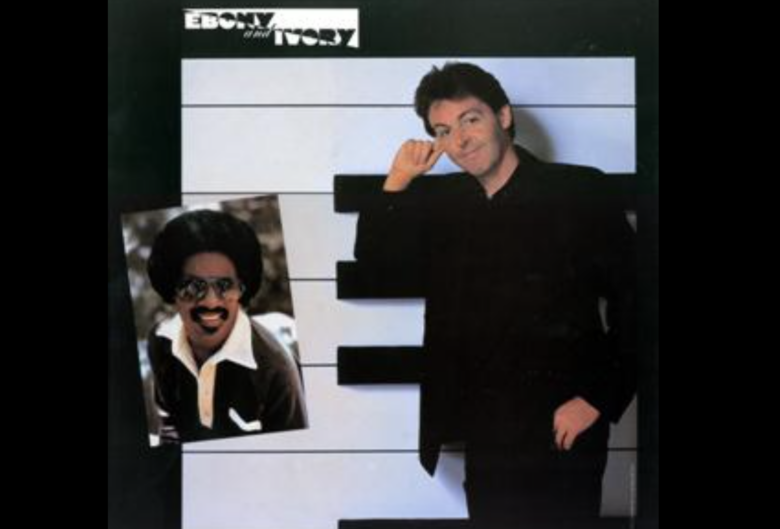
“Ebony and ivory” by Paul McCartney and Stevie Wonder (1982)
You may say these two musicians are two of the GOAT of the 20th century, but they also wrote a song about racial harmony so blunt, Blender even put it in the all-time top ten worst.

“Don’t worry, be happy” by Bobby McFerrin (1988)
Blender confirmed it amongst the worst songs of all time. The issue is not that the sentiment is incorrect. With such relentless, whistling positivity, the song delivers it, circling back to being real anxiety-provoking.

“Kokomo” by The Beach Boys (1988)
Brian Wilson had nothing to do with it. CultureSonar says it is often viewed as the nadir of the Beach Boys catalog. The parade of invented Caribbean place names of “Aruba, Jamaica, ooh I wanna take ya” is still a good reference point for what happens when a great band runs out of ideas but no momentum.

“Sussudio” by Phil Collins (1985)
A song based on a non-meaningful chorus word. Inkl says critics described it as “insipid” and “indefensibly stupid.” Collins himself has said he does not know what it means. It was there for three weeks at number one.
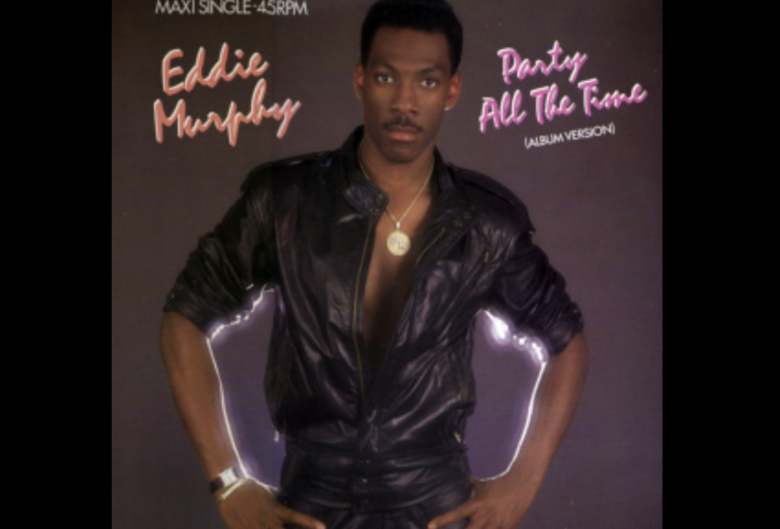
“Party all the time” by Eddie Murphy (1985)
Blender established its status as one of the worst songs ever. Rick James produced it. It reached number two. The song stands as a monument to the 1980s rule that famous people could come into recording studios because no one could say no.

“Lady in red” by Chris de Burgh (1986)
CultureSonar tracks it as a perennial spot atop worst-songs lists. De Burgh wrote this for his wife, which is the sentiment. Production is a bit of a double-edged sword — the reverb-drenched version is actually the issue.

“Everybody have fun tonight” by Wang Chung (1986)
Tonight, Wang Chung told you to Wang Chung. And Blender put it in the top five worst songs of all time. The band took the song as its name. The song also tells you to party out using the band’s own name to be a verb. It reached number two.
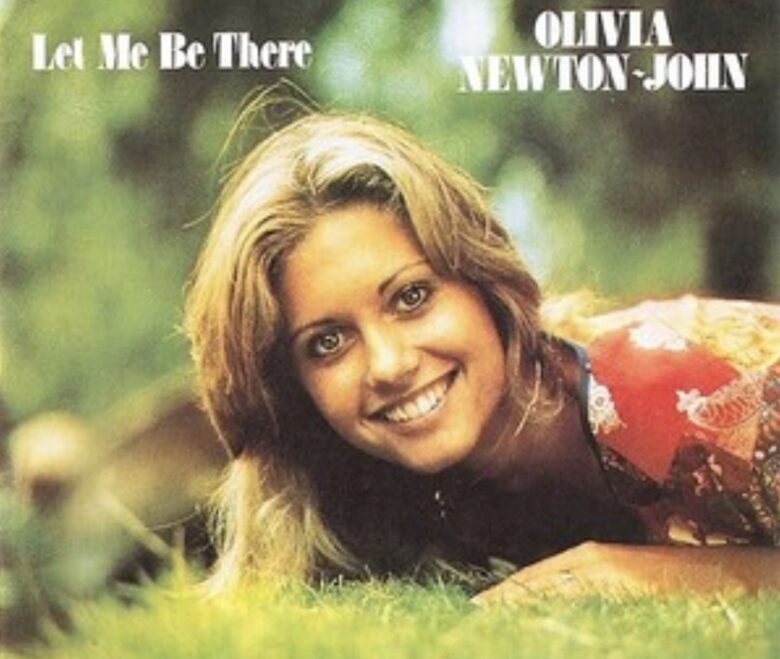
“Physical” by Olivia Newton-John (1981)
A song about exercise, which was really about sex. Radio stations declined to air it and the American Family Association demanded a ban. It was at number one for ten weeks, because of or despite this. CultureSonar says its combination of maximum suggestiveness with minimum subtlety.

“We are the world” by USA for Africa (1985)
The intentions were sincere. Blender said that the relentless good intentions and musical result are in constant tension. It raised more than $63 million for famine relief and is still far too much to sit through four decades later.

The bottom line
And yet the 1980s created music with a lot of confidence. Most of the songs referenced above are meticulously produced, professionally marketed and enjoyed on repeat. What has changed is not the songs. It is the distance. At a long distance, sincerity and self-parody can be the same thing.
Ask us! What questions do you have about content, strategy, pop culture, lifestyle, wellness, history or more? We may use your question in an upcoming article!
Related:
- The most controversial song the year you were born: Gen X edition
- The most controversial songs of the ’60s: Do you agree?
Like MediaFeed’s content? Be sure to follow us.