
20 Personality Traits Scammers Love to Exploit
Scammers don’t just rely on luck. They rely on psychology.
Most scams work because they tap into very human emotions: trust, fear, urgency, curiosity, loneliness, or even simple politeness. And contrary to popular belief, falling for a scam doesn’t mean someone is unintelligent. Many scams are specifically designed to catch people when they’re distracted, emotional, stressed, or simply trying to do the right thing.
Understanding the traits scammers commonly exploit can help you spot manipulation before it costs you time, money, or personal information.

20. Being Too Trusting
Some people naturally assume others are honest and well-intentioned. Unfortunately, scammers love that.
Fraudsters often pose as customer service agents, charities, banks, coworkers, or even family members because they know many people instinctively trust authority or familiarity.

19. Acting on Impulse
Scammers thrive on urgency.
“Your account has been locked!”
“Limited-time offer!”
“Immediate action required!”
The goal is to stop you from thinking long enough to realize something feels off. Impulsive decisions are scammer fuel.

18. Never Questioning Things
If you rarely stop to verify emails, texts, links, or phone calls, you’re at greater risk.
Scammers count on people clicking first and thinking later. A healthy amount of skepticism online is no longer optional — it’s survival instinct.

17. Being Highly Empathetic
Kind-hearted people are often targeted through emotional manipulation.
Romance scams, fake emergencies, fraudulent fundraisers, and “grandparent scams” all work by triggering sympathy and compassion.
Basically, scammers weaponize your humanity against you. Which is deeply rude, honestly.

16. Wanting to Be Helpful
Some people struggle to say no, especially when someone sounds polite, stressed, or authoritative.
Scammers exploit social pressure constantly:
“Can you just confirm this?”
“I need your help quickly.”
“This will only take a second.”
And suddenly you’re giving away information you absolutely should not be giving away.

15. Thinking You’re Too Smart to Get Scammed
Ironically, overconfidence can make people more vulnerable.
Many scams are sophisticated and highly convincing. Even cybersecurity experts, executives, and tech-savvy people have fallen for phishing attacks or impersonation scams.
The safest mindset is assuming anyone can be fooled under the right circumstances.

14. Feeling Lonely or Isolated
Loneliness is one of the biggest emotional vulnerabilities scammers target.
Romance scammers, fake online friendships, and social media impersonators often spend weeks or months building trust before asking for money or personal information.
The scam works because the emotional connection starts feeling real.

13. Financial Stress
People under financial pressure are more likely to take risks.
Fake investment schemes, miracle side hustles, debt relief scams, and “easy money” opportunities often target people who are stressed about bills or struggling financially.
Scammers know desperation can override caution.

12. Low Digital Literacy
Not everyone grew up learning how to spot phishing emails or fake websites.
Scammers often mimic banks, retailers, delivery services, or government agencies with alarming accuracy. If you don’t know the warning signs, it’s easier to get tricked.

11. Fear of Missing Out
Scammers love exclusivity.
“Limited spots available.”
“Secret investment opportunity.”
“Act now before it’s gone.”
FOMO makes people rush into decisions without fully researching what they’re agreeing to.

10. Automatically Trusting Authority
Many scams involve fake authority figures:
IRS agents
Police officers
Tech support
Bank representatives
Company executives
People who are conditioned to obey authority without questioning it may comply before realizing something is wrong.

9. Being Extremely Agreeable
Highly agreeable people often avoid conflict or awkwardness.
That makes it harder to challenge suspicious behavior, hang up the phone, or say:
“No, I’m not giving you gift card numbers, Steve.”

8. Low Self-Esteem
People struggling with confidence can be more susceptible to flattery and manipulation.
Scammers often use praise, validation, affection, or attention to build trust quickly.
Especially in romance scams, emotional manipulation is the entire business model.

7. Clicking Out of Curiosity
Humans are curious creatures.
“You won’t believe this photo.”
“Someone tagged you.”
“See who viewed your profile.”
Scammers know curiosity gets clicks — and clicks can lead to malware, stolen passwords, or fake login pages.
6. Not Knowing Common Scam Tactics
Awareness matters.
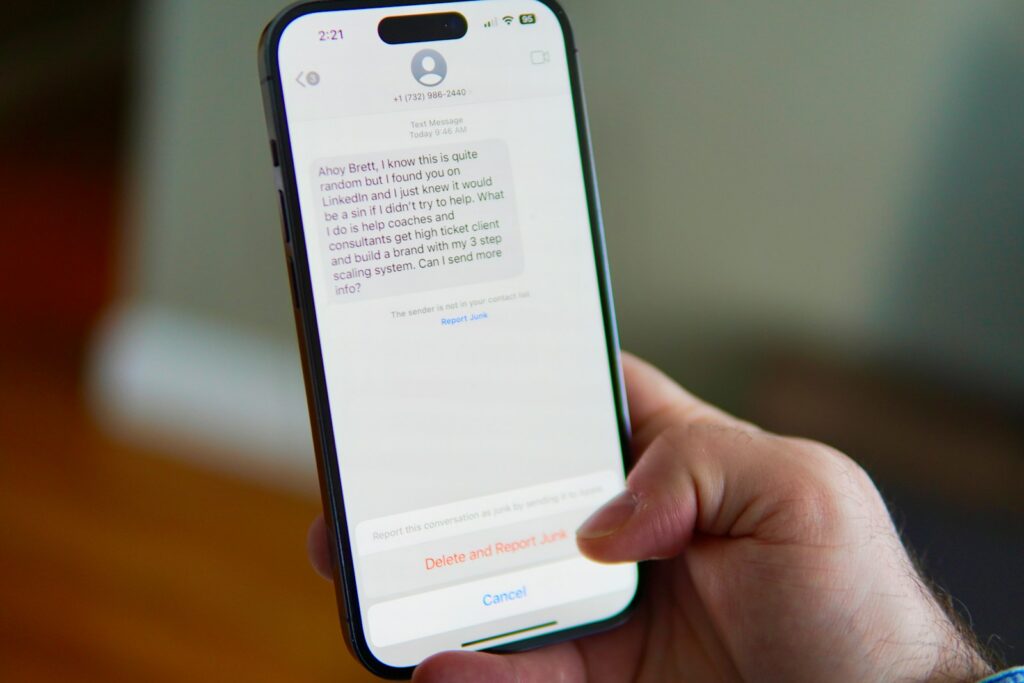
Many scams work repeatedly because people simply haven’t heard about them before. Fake package delivery texts, QR code scams, crypto fraud, fake job listings, and AI voice scams are increasingly common.
And unfortunately, scammers innovate faster than most people realize.

5. Reacting Emotionally Instead of Logically
Fear, excitement, anger, and panic all cloud judgment.
Scammers deliberately create emotional pressure because emotional people are less likely to slow down and fact-check.
That “your account has been compromised” message? It’s designed to spike adrenaline before logic catches up.

4. Being Too Open Online
Oversharing on social media can unintentionally help scammers.
Birthdays, pet names, hometowns, workplaces, vacation plans, and family details can all be used for impersonation, password guessing, or social engineering attacks.
Scammers absolutely stalk social media. Like weird digital raccoons.

3. Struggling to Say No
Some people feel guilty ending conversations abruptly.
Scammers know this and intentionally keep victims engaged long enough to wear down resistance.
A surprising number of scams succeed simply because someone didn’t want to seem rude.

2. Believing “It Could Never Happen to Me”
This mindset creates blind spots.
Scams work because they catch people off guard during busy, stressful, distracted, or emotional moments. Nobody walks around expecting to be manipulated.
That’s exactly why scams keep working.

1. Trusting Pressure More Than Your Instincts
One of the biggest red flags in almost every scam is pressure.
Pressure to act fast.
Pressure to stay secret.
Pressure to avoid verification.
Pressure to ignore your gut feeling.
If something feels rushed, emotionally manipulative, or strangely urgent, pause before doing anything. Legitimate businesses rarely demand immediate panic-driven decisions.

Awareness Is Your Best Defense
Scammers evolve constantly, but most scams still rely on the same emotional triggers and psychological tactics.
The good news? Simply slowing down, asking questions, verifying information independently, and trusting your instincts can stop many scams before they start.
And if someone insists you pay them in cryptocurrency, wire transfers, or gift cards?
That’s not a business transaction.
That’s a villain origin story.
Read More:
- These Are Some of the Most Expensive Grocery Stores in the U.S.
- Thinking About Real Estate? Read This First
- 15 Things Millennials Stopped Buying (And Why It Matters)
Ask us! What questions do you have about content, strategy, pop culture, lifestyle, wellness, history or more? We may use your question in an upcoming article!
Like MediaFeed’s content? Be sure to follow us.
This article originally appeared on Resourcebuzz and was syndicated by MediaFeed.co.