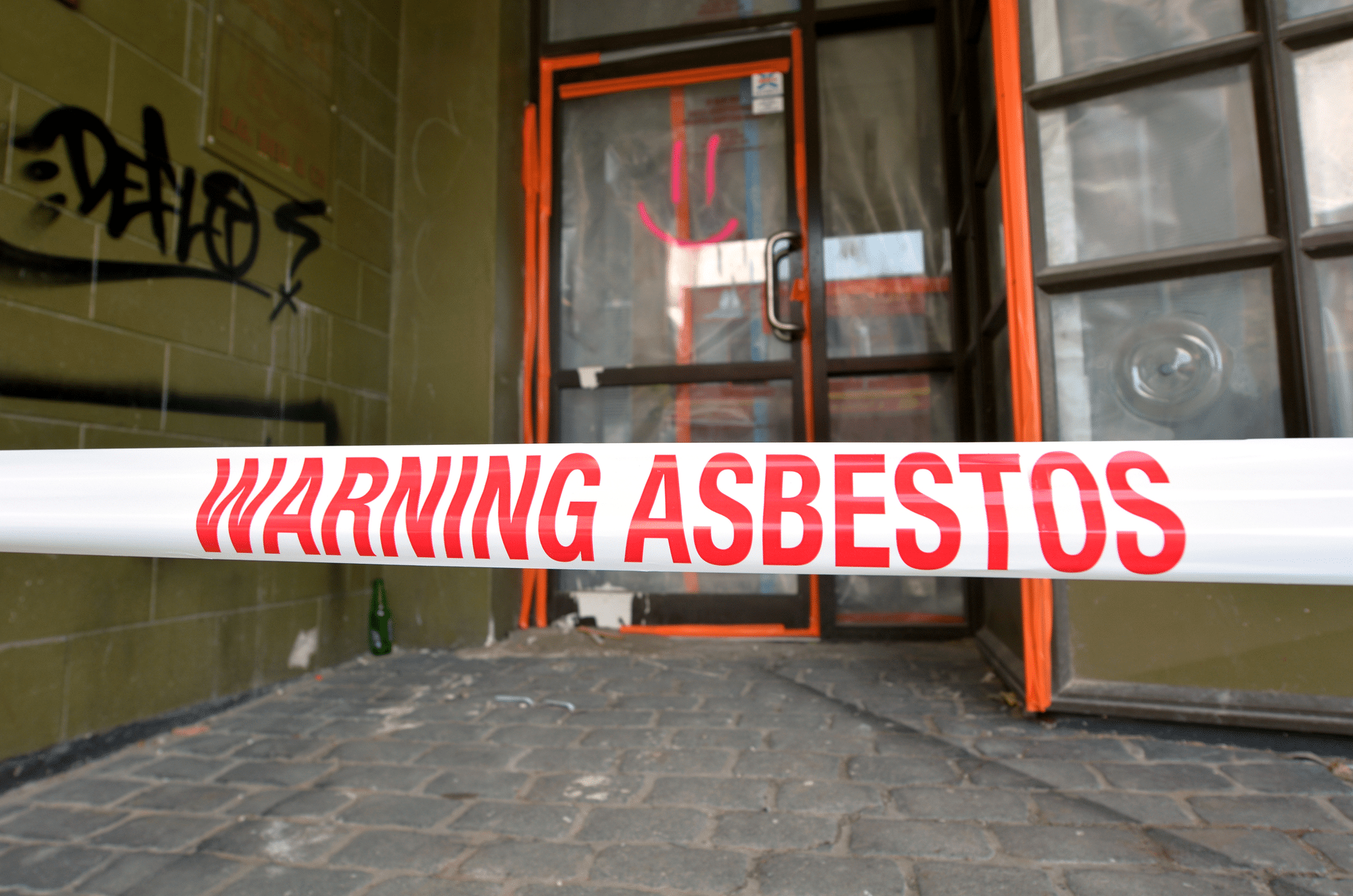
“Safety” features in vintage homes that would be highly illegal today
Walk through a house built before 1980 and you are walking through a record of everything the construction industry got wrong before the law stepped in to stop it. The materials used, the wiring installed, the ceilings sprayed and the pipes laid were all considered state-of-the-art at the time. Several of them turned out to be quietly, slowly, and, in some cases, catastrophically dangerous.
What follows is drawn from the CPSC, Bob Vila, The Craftsman Blog and asbestos.com. These are not design quirks. They are hazards that modern building codes now prohibit, full stop.
Here are six of the most common.
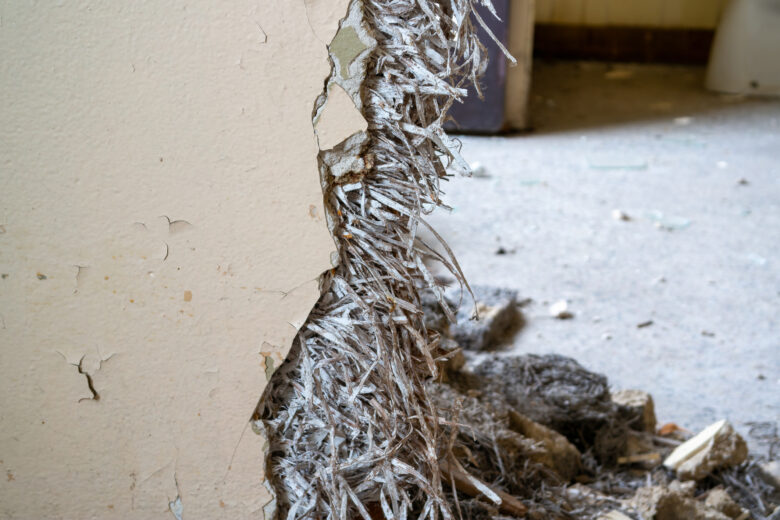
Asbestos insulation
Asbestos was used in U.S. home construction from the early 1900s through the late 1980s, with peak usage between the 1950s and 1970s, according to asbestos.com. It was genuinely excellent: fireproof, durable, and cheap. The problem was that its microscopic fibers, once airborne, lodge permanently in lung tissue and cause mesothelioma, lung cancer and asbestosis, sometimes decades after exposure. The EPA began restricting its use in 1973 and finalized a ban on chrysotile asbestos in March 2024. Any home built before 1980 may still contain it in floor tiles, pipe insulation, drywall compound and the notorious popcorn ceiling.
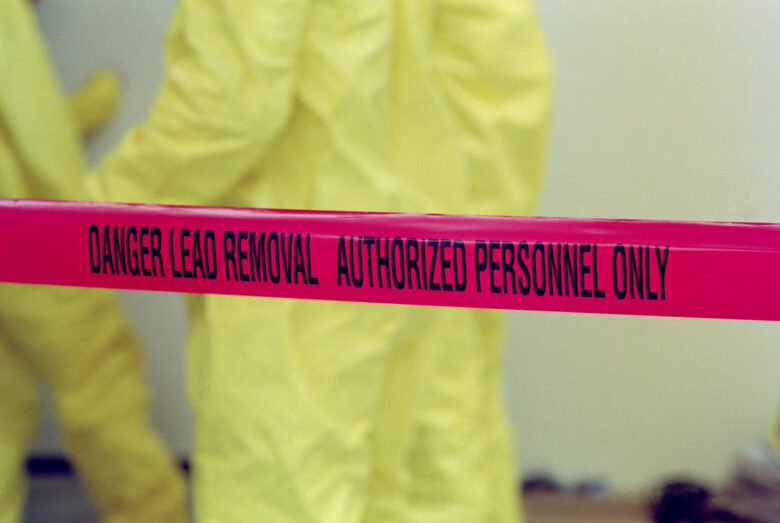
Lead paint
Lead-based paint was used in the majority of American homes built before 1978, when Congress banned it for residential use. According to the EPA, even small amounts of lead dust are toxic, particularly to children. The EPA’s Renovation, Repair, and Painting Rule requires certified lead-safe practices in pre-1978 homes. Violation is a federal offense.
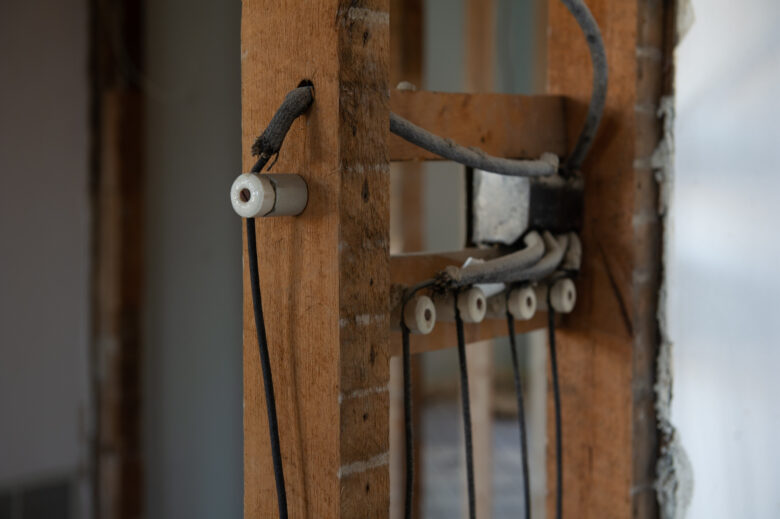
Knob-and-tube wiring
Knob-and-tube was among the first standardized wiring systems in the United States. The problem, as The Craftsman Blog, is that the rubber insulators age catastrophically: they crack, crumble and eventually leave bare wires exposed inside the walls. That combination, bare live wires inside dry wooden wall cavities, is among the most reliable ways to start a house fire. The Star Tribune notes that knob-and-tube has been found in homes as recently built as 1959. Any functioning knob-and-tube system in an occupied home today should be replaced by a licensed electrician immediately.
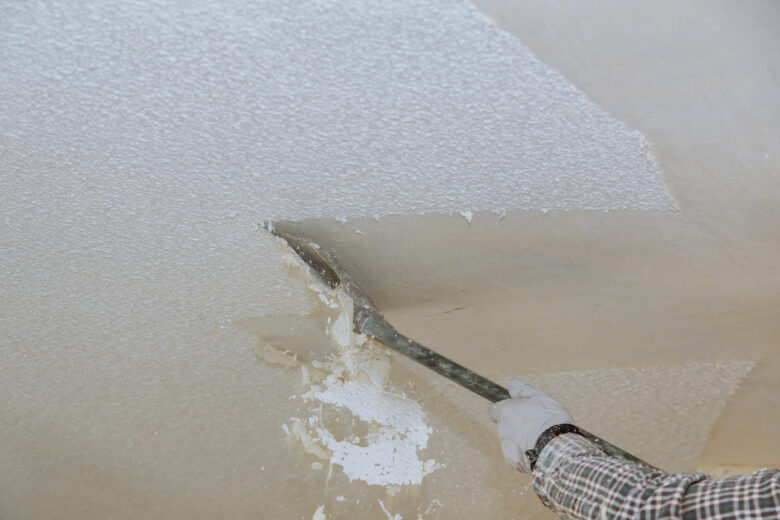
Popcorn ceilings
The textured spray-on ceiling finish that defined mid-century American homes was cheap, hid imperfect drywall joints and dampened sound. According to the CPSC, asbestos in textured paint was banned in 1977. Any popcorn ceiling installed before that date is a candidate for asbestos testing.

Unvented gas appliances
Before ventilation codes existed, gas heaters, ranges and water heaters were routinely installed with no external venting. Carbon monoxide, colorless and odorless, would simply enter the living space. The CPSC records hundreds of deaths annually from appliance CO poisoning. Modern codes require ventilation and detectors in all sleeping areas.
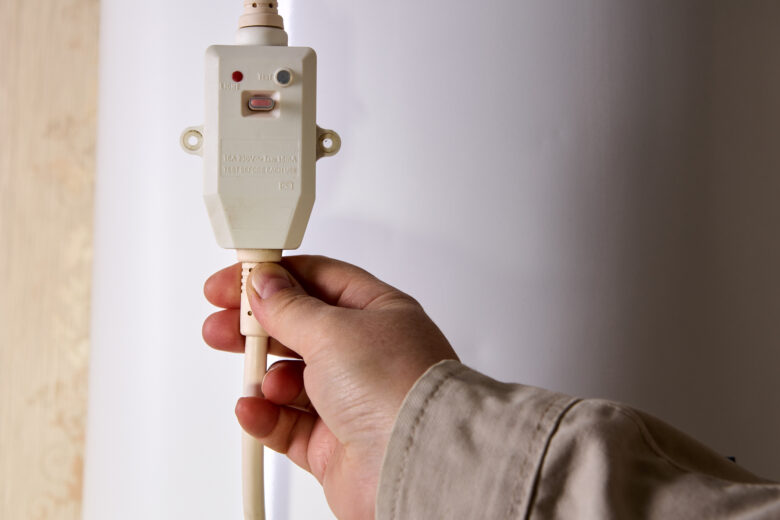
No ground fault circuit interrupters
Modern electrical code requires GFCI outlets anywhere water and electricity might intersect: bathrooms, kitchens, garages, outdoor outlets and laundry rooms. According to Green Valley Inspections, older homes routinely lack this protection. A bathroom outlet without GFCI near a sink is a genuine electrocution risk. Its absence is legal to maintain but illegal to replicate in new construction.

Wrap up
The vintage home aesthetic is real and genuinely appealing. The materials that created it are a different matter. Lead in the paint, asbestos in the ceiling, bare wires in the walls. None of it was negligence. It was simply what builders knew. What changed was the knowledge, and then the law. If you own a home built before 1980, the question is not whether these hazards are present. The question is which ones.
Ask us! What questions do you have about content, strategy, pop culture, lifestyle, wellness, history or more? We may use your question in an upcoming article!
Related:
- Arsenic dresses & other old timey trends that were actually dangerous
- Joyride or risky ride? Cars with notable safety concerns
Like MediaFeed’s content? Be sure to follow us.
This article was syndicated by MediaFeed.co.