The most controversial songs of the 2000s: Do you agree?
The 2000s produced a specific kind of controversy that earlier decades could not have generated. Post-9/11 political tension, combined with internet-accelerated outrage, created a media landscape where a ban could become a commercial advantage within 48 hours.
The songs that generated the most institutional resistance across the decade tell a precise story about what America found threatening, suggestive or simply unacceptable.
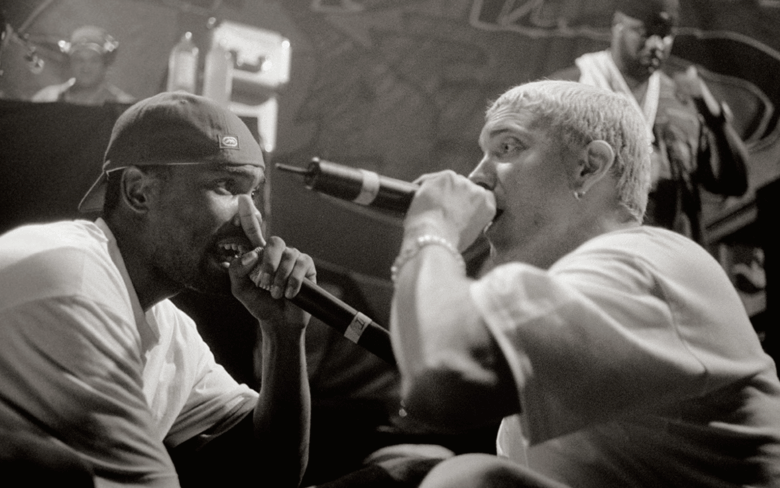
“The real slim shady” by Eminem (2000)
The FCC fined Colorado Springs radio station KKMG-FM $7,000 for playing the edited, clean version of this song, according to the NCAC. The commission ruled that context and innuendo alone constituted a decency violation. Eminem called out the FCC by name in his 2002 follow-up “Without Me.” The agency eventually dropped the fine and the clean version continued to air.
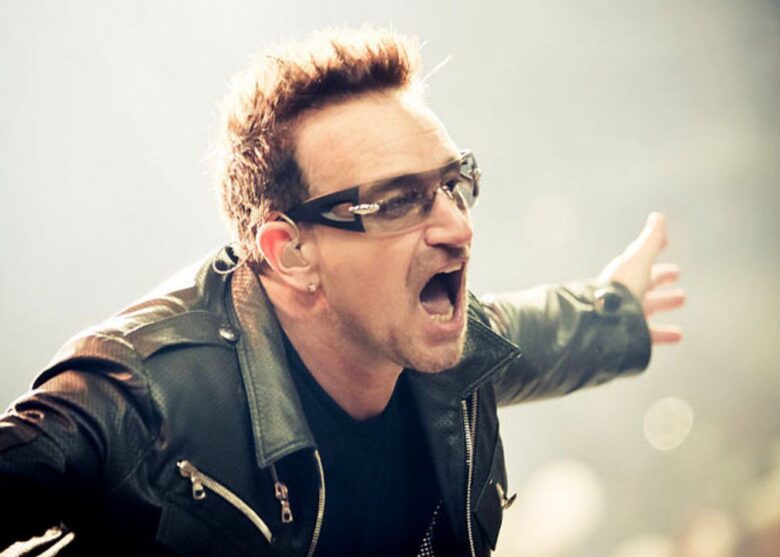
“Walk on” by U2 (2001)
U2’s album All That You Can’t Leave Behind was banned in Burma because of this track, which was dedicated to activist Aung San Suu Kyi, then under house arrest for her democratic activism. According to the NCAC, it is one of the clearest examples of a song banned for political solidarity rather than content.
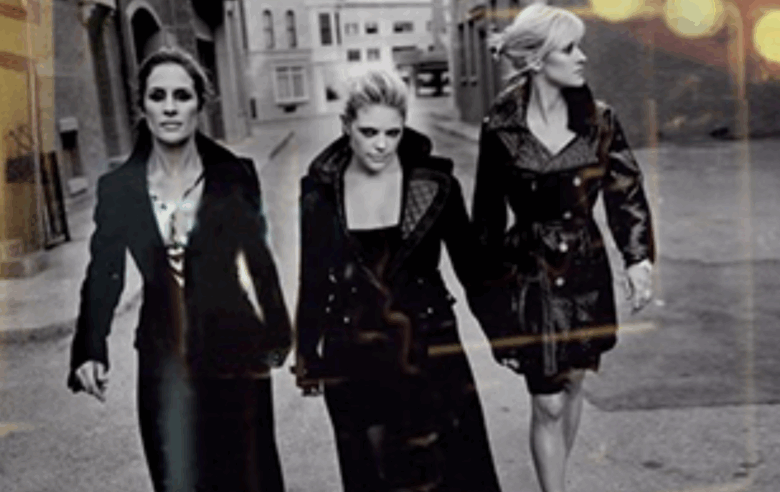
“Not ready to make nice” by The Chicks (2003/2006)
When Natalie Maines told a London audience in 2003 that she was ashamed President Bush was from Texas, Cumulus Broadcasting banned The Chicks from all 262 of its stations, according to Billboard. Their 2006 response won five Grammys, including Song of the Year, making the ban one of the most commercially counterproductive in country music history.
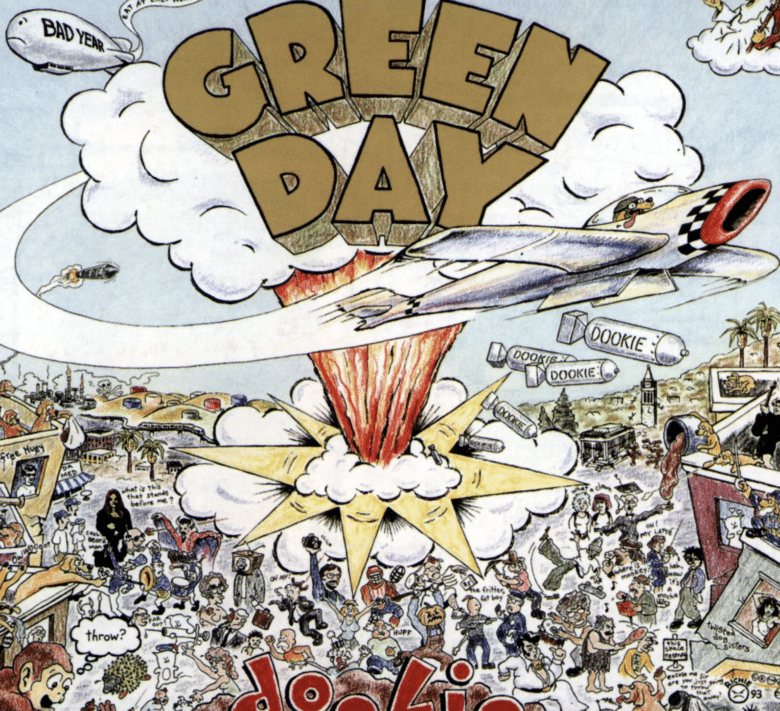
“American idiot” by Green Day (2004)
Conservative radio stations refused to program “American Idiot” for its critique of media manipulation and post-9/11 political pressure on dissent, according to Ranker. The album sold 15 million copies globally. Several broadcasters that refused to play it in 2004 eventually added it to their rotations. The controversy turned out to be better marketing than any radio campaign.

“Paper planes” by M.I.A. (2007)
The chorus of “Paper Planes” features the sounds of gunshots and a cash register. According to Billboard, both MTV and The Late Show with David Letterman muted or replaced the gunshot sounds during broadcast. The song appeared in the trailers for two major 2008 films, reaching an audience that had never heard it on the radio.
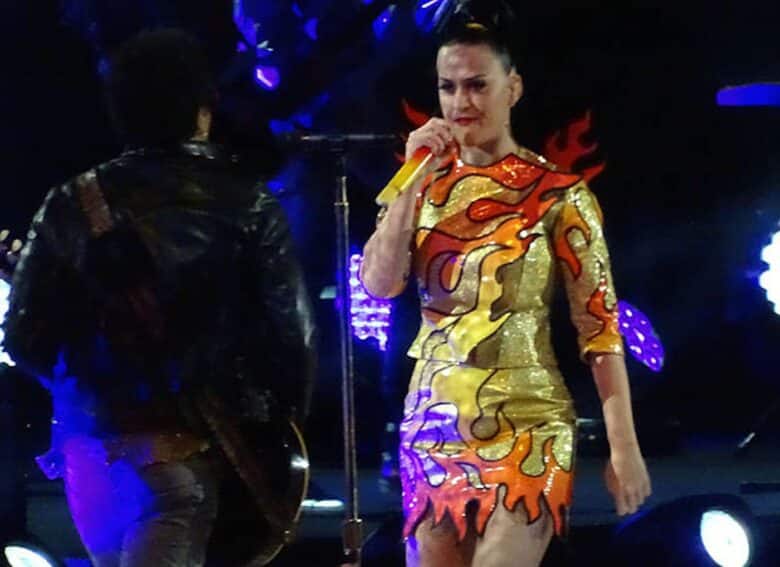
“I kissed a girl” by Katy Perry (2008)
Stacker documents that LGBTQ advocacy groups argued Perry was using queer identity as novelty while maintaining a heterosexual public persona. The debate about whose stories pop music has the right to tell was forming in real time.
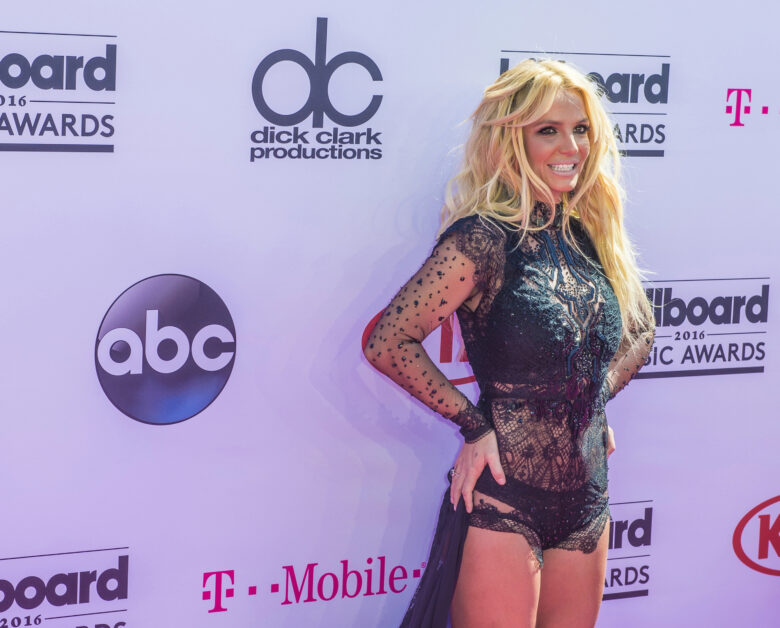
“If u seek Amy” by Britney Spears (2009)
The song’s chorus, when sung aloud, spells out a specific phrase. The Parents Television Council demanded that the FCC take action against stations playing it, according to the NCAC. The record label released an edited version titled “If You See Amy.” Despite the controversy, it reached number 19.

“LoveGame” by Lady Gaga (2009)
The song was banned from the radio for a single line. The NCAC confirms it was pulled for its “heavily suggestive themes.” Gaga acknowledged the line was not intended to be subtle. The ban made the song more widely known than airplay would have.

Wrap up
Eight songs, eight different pressure points. The FCC, a foreign government, a radio conglomerate, conservative broadcasters, a late-night television show, LGBTQ activists and a parent watchdog group. The 2000s had no single mechanism of censorship. It had several operating simultaneously, and none of them worked for long.
Ask us! What questions do you have about content, strategy, pop culture, lifestyle, wellness, history or more? We may use your question in an upcoming article!
Related:
- The most controversial song the year you were born: Gen X edition
- The most controversial songs of the ’60s: Do you agree?
Like MediaFeed’s content? Be sure to follow us.
This article was syndicated by MediaFeed.co.