Pet Owners Beware: 10 Houseplants to Avoid
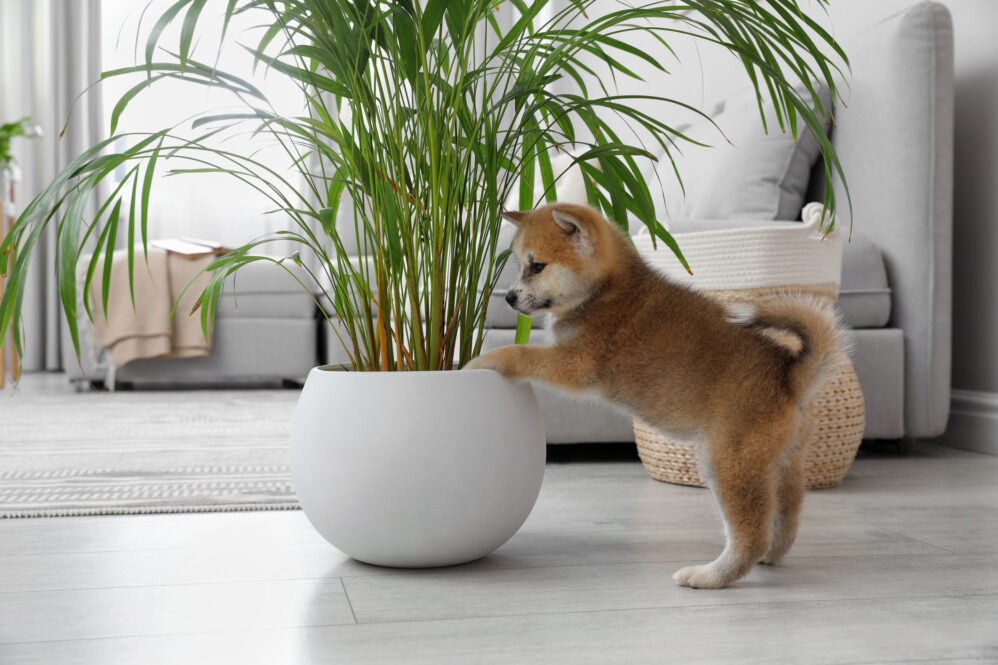
Houseplants can brighten up your space, but some can pose real risks if you have curious pets. Dogs and cats often chew on leaves or dig in pots, and certain plants can cause anything from mild irritation to serious illness.
If you share your home with pets, these are some of the most common houseplants to keep out of reach (or avoid altogether).
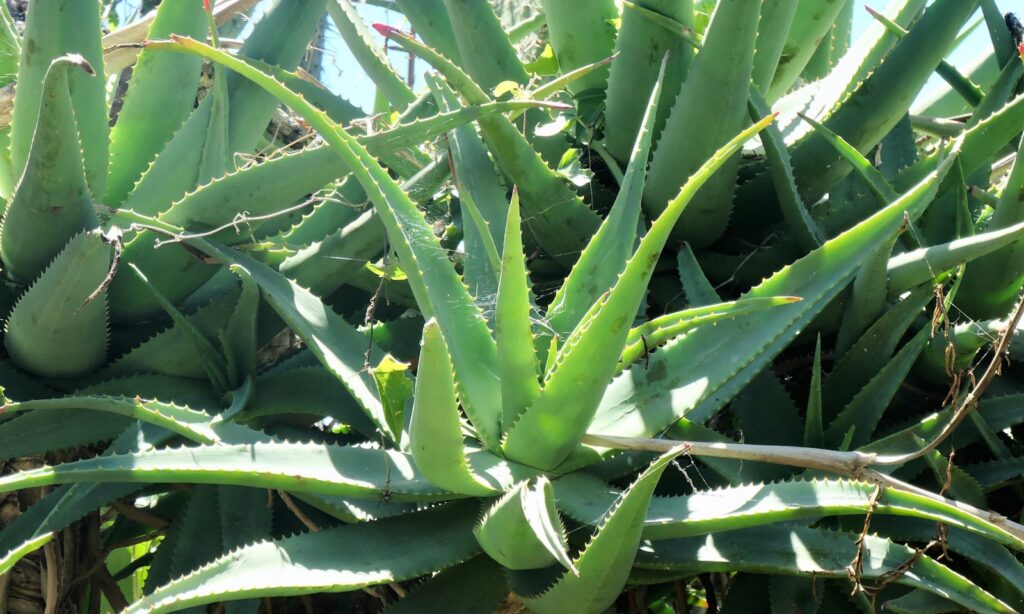
Aloe Vera
Aloe is widely used for human skin care, but it’s toxic to cats and dogs when ingested. It contains compounds called saponins, which can cause vomiting, diarrhea, and lethargy. If you want a similar look, pet-safe succulents like Haworthia are a better option.
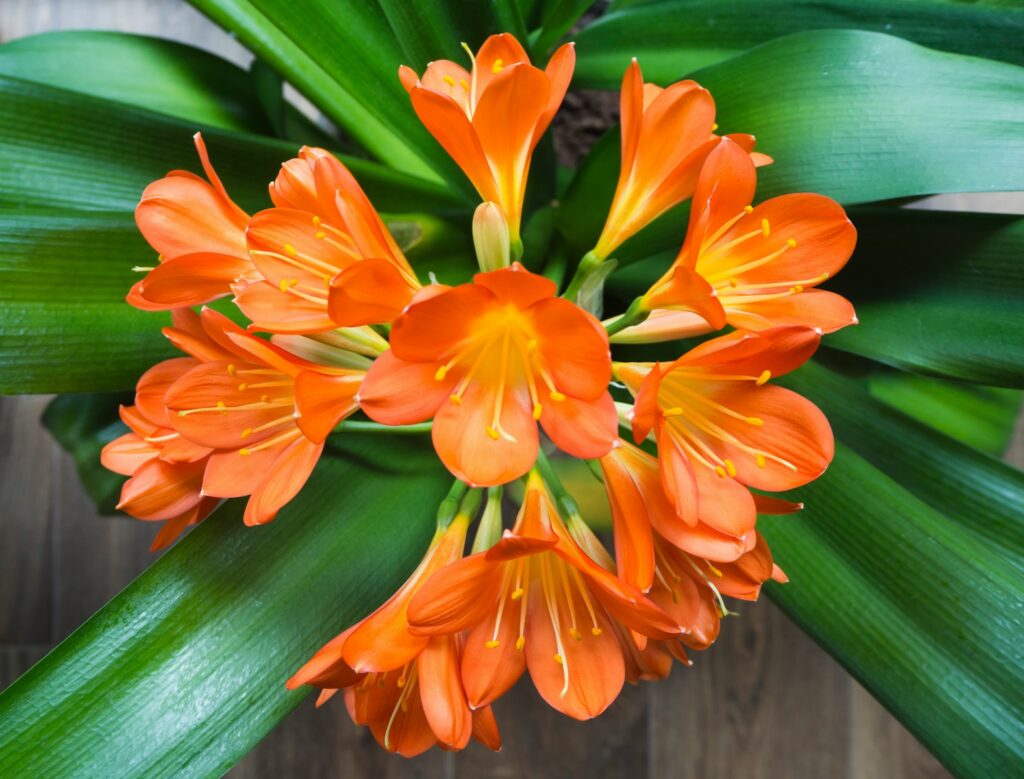
Clivia
Clivia plants produce bright, tropical flowers, but they contain lycorine, which is toxic to pets. Ingestion can lead to vomiting, drooling, and digestive upset. African violets are a safer alternative if you want color indoors.
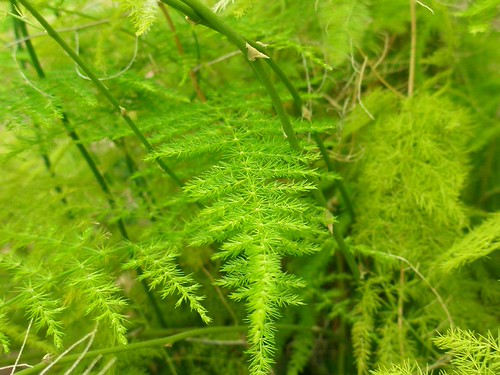
Asparagus Fern
Despite the name, this isn’t a true fern, and it’s not pet-friendly. The berries and foliage can cause vomiting or diarrhea if eaten, and contact with them can irritate the skin. Boston ferns are a safer, classic substitute.
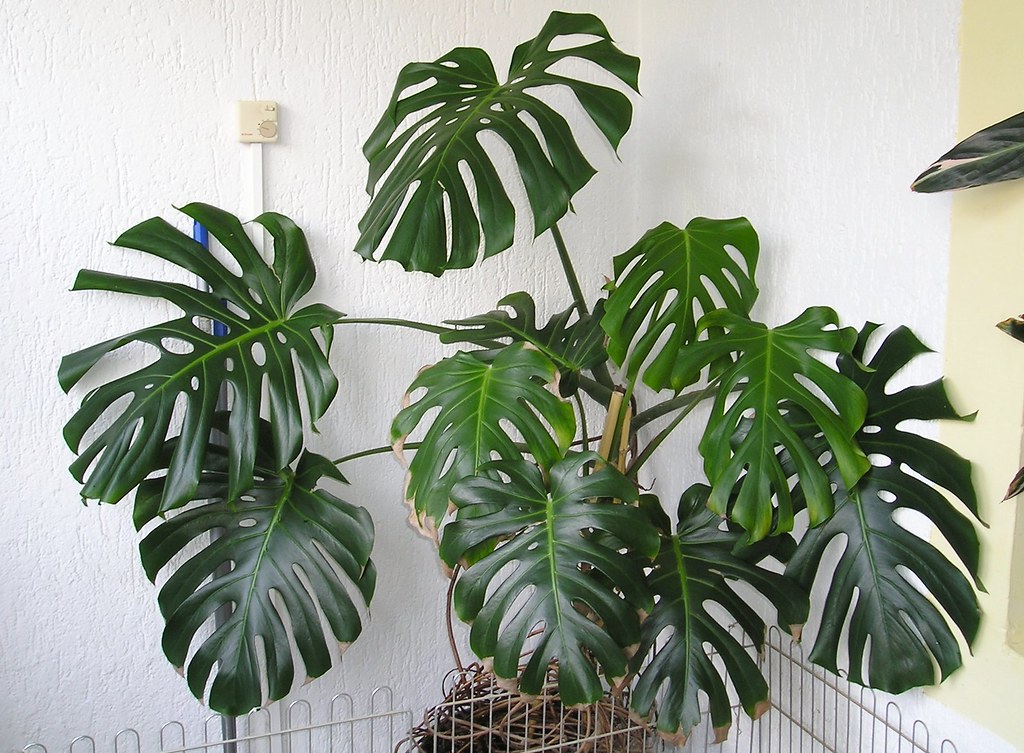
Monstera (Swiss Cheese Plant)
Monstera plants are popular but contain insoluble calcium oxalate crystals. If chewed, they can cause oral irritation, drooling, and difficulty swallowing. A Christmas cactus offers a similar visual appeal without the risk.
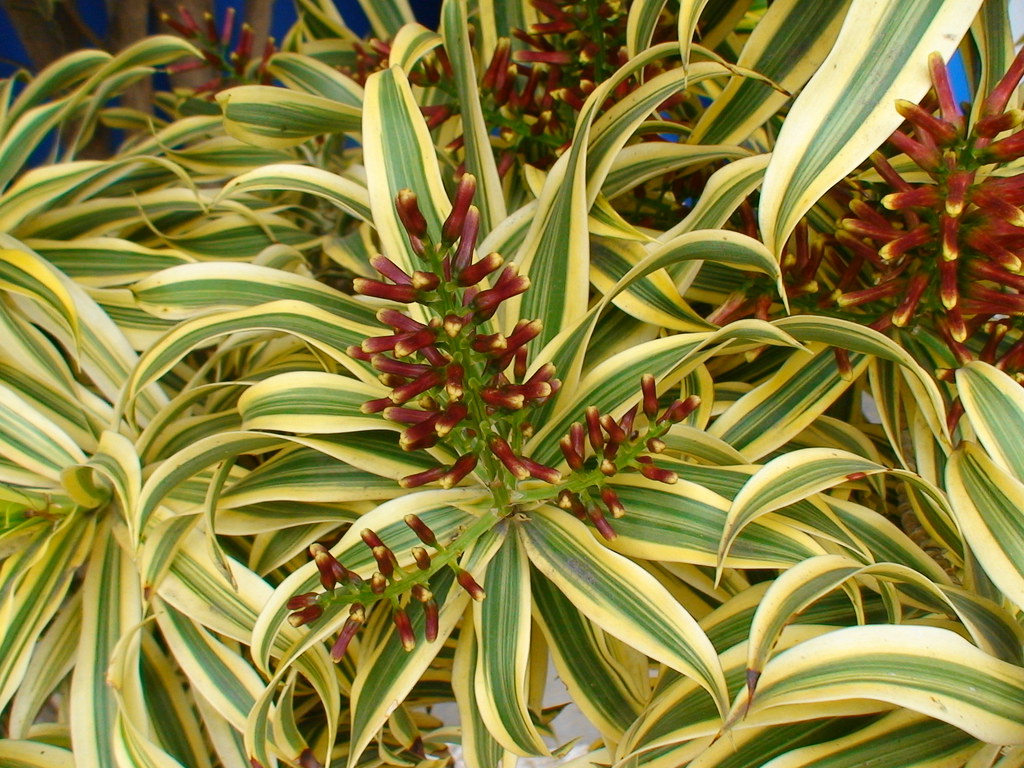
Dracaena (Corn Plant/Dragon Tree)
Dracaena varieties are common houseplants, but they’re toxic to pets due to saponins. Symptoms can include vomiting, drooling, and, especially in cats, dilated pupils. Pet-safe options like staghorn ferns can provide a similar leafy look.
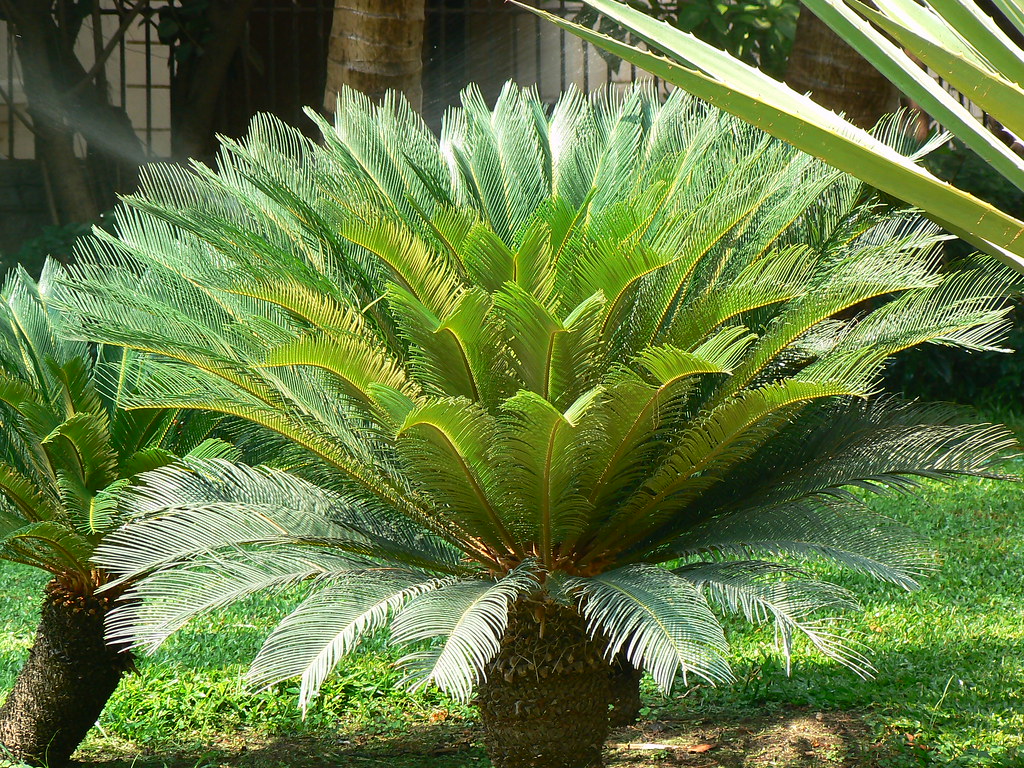
Sago Palm
This is one of the most dangerous houseplants for pets. Every part of the sago palm is toxic, especially the seeds, and ingestion can cause severe liver damage or even be fatal. If you like palm-style plants, consider a parlor palm instead.
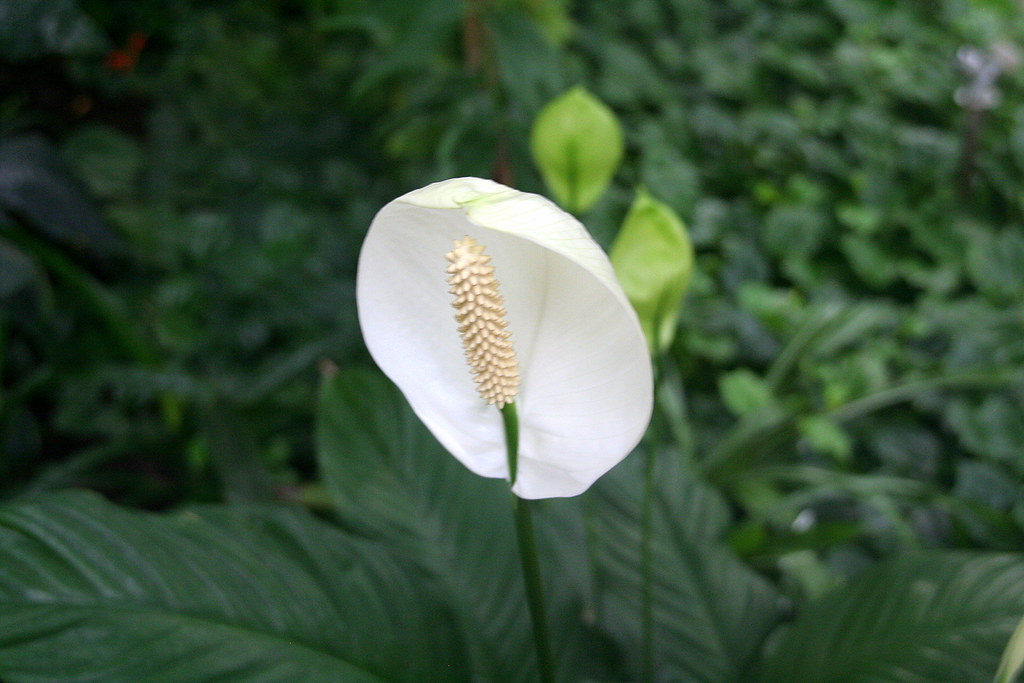
Peace Lily
Peace lilies contain calcium oxalate crystals, which can irritate the mouth and digestive tract if chewed. While not usually life-threatening, they can cause significant discomfort. Pet-safe flowering options include certain varieties of hibiscus (though always double-check specific species).
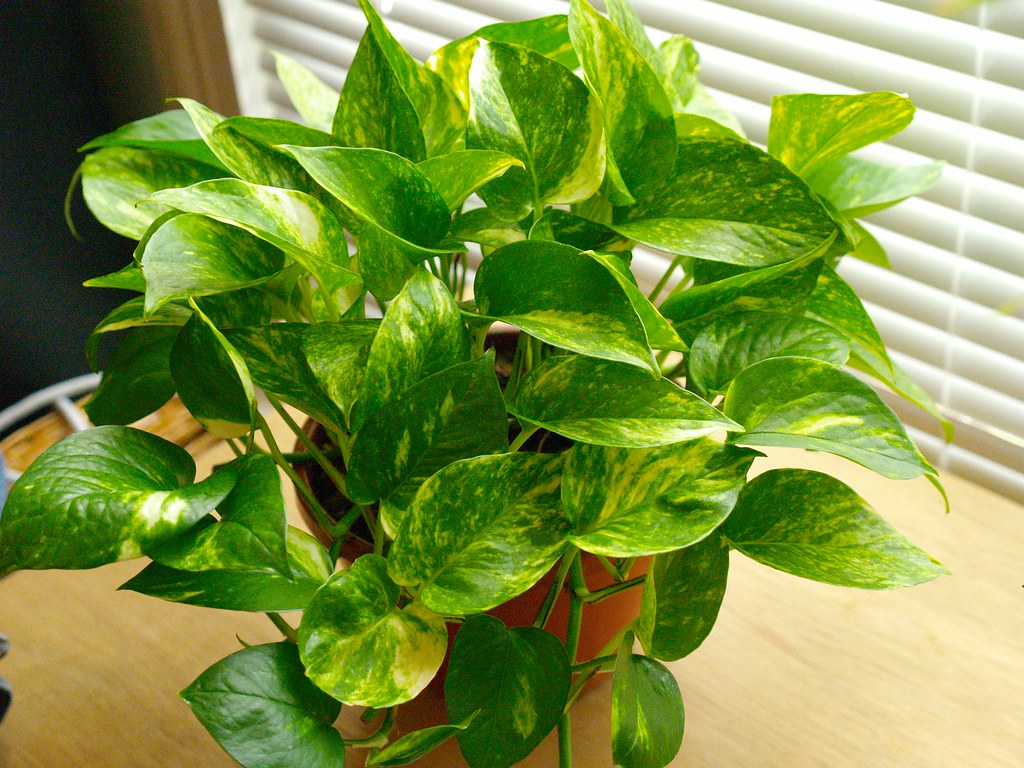
Pothos (Devil’s Ivy)
Pothos is popular for its low maintenance, but it’s toxic to pets. Like monstera, it contains calcium oxalates that can cause drooling, vomiting, and oral irritation. Spider plants are a safe and similarly easy alternative.
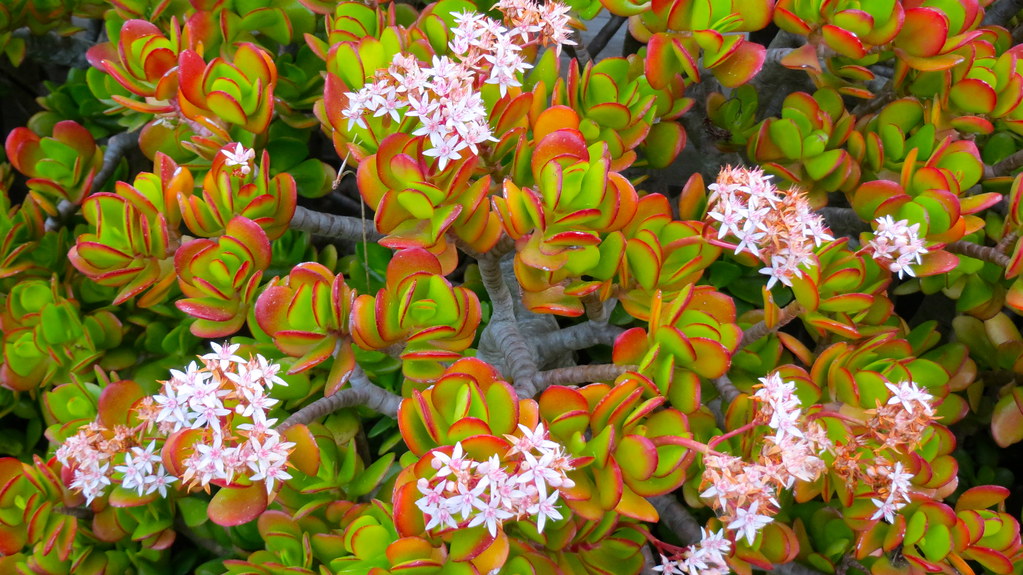
Jade Plant
Jade plants can cause vomiting, lethargy, and coordination issues in pets if ingested. While typically not fatal, they can still make your pet quite sick. Pet-safe succulents or non-toxic greenery are better choices.
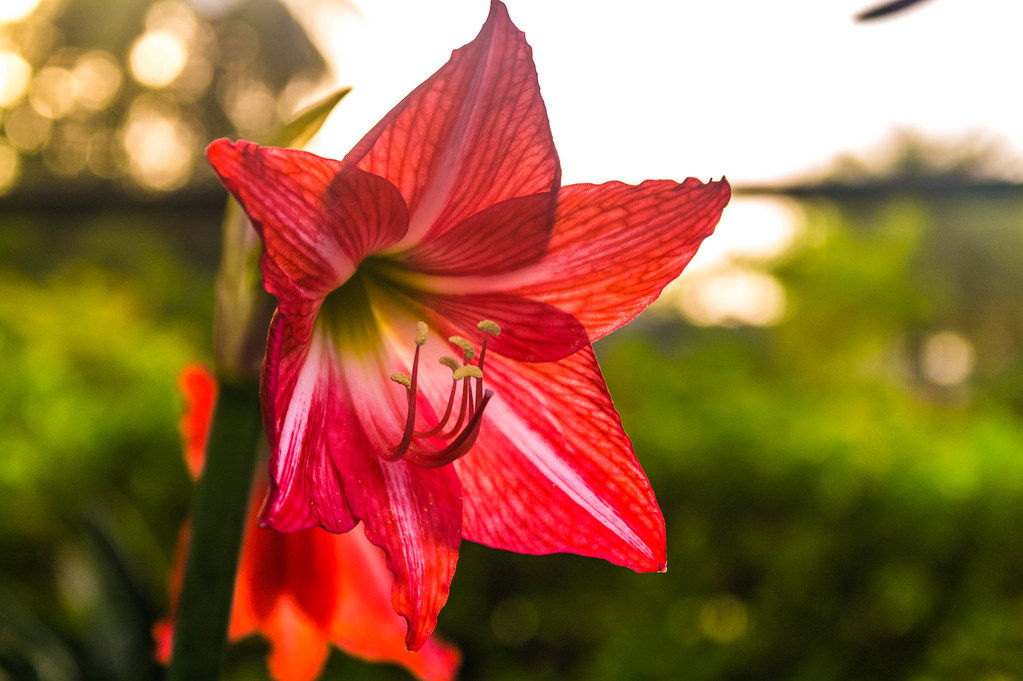
Amaryllis
Often seen around the holidays, amaryllis plants contain compounds such as lycorine, which are toxic to pets. Ingestion can lead to vomiting, diarrhea, and, in some cases, tremors. Wax plants (hoya) offer a safer flowering option.
Keeping your pets safe doesn’t mean giving up houseplants—it just means choosing wisely. If you’re unsure about a plant, it’s always worth double-checking with a trusted source, such as the ASPCA’s toxic plant list. And if your pet does ingest something questionable, contact your vet as soon as possible.
Read More:
- 10 Common Foods You Should Never Give Your Dog
- These Common Household Items Are Toxic to Pets
- 10 Plants You Basically Can’t Kill (Even If You Forget About Them)
Ask us! What questions do you have about content, strategy, pop culture, lifestyle, wellness, history or more? We may use your question in an upcoming article!
Like MediaFeed’s content? Be sure to follow us.
This article originally appeared on Resourcebuzz and was syndicated by MediaFeed.co.