
10 Common Foods You Should Never Give Your Dog
As dog owners, it’s natural to want to share treats with our pets, but some everyday human foods can be dangerous for dogs. Even small amounts of certain ingredients can lead to serious health issues.
Here are 10 foods you should avoid giving your dog, along with why they’re harmful.

1. Chocolate
Chocolate contains theobromine and caffeine—stimulants that dogs process much more slowly than humans.
This can lead to vomiting, rapid heart rate, tremors, seizures, and in severe cases, death. Dark chocolate and cocoa powder are especially dangerous due to higher theobromine levels.
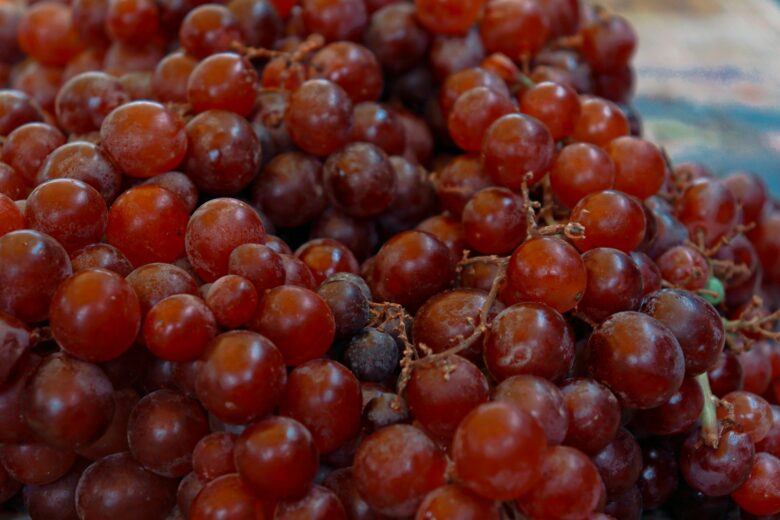
2. Grapes and Raisins
Grapes and raisins are known to cause sudden kidney failure in some dogs, though the exact toxin is still unknown.
Even small amounts can trigger symptoms like vomiting, lethargy, and loss of appetite. Because reactions are unpredictable, they should always be avoided.
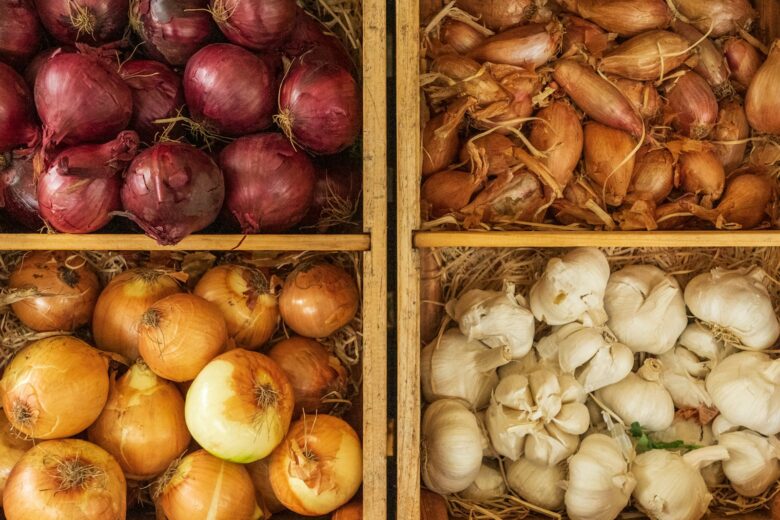
3. Onions and Garlic
Onions, garlic, leeks, and chives contain compounds that can damage red blood cells in dogs, potentially leading to anemia.
Toxicity can occur from raw, cooked, powdered, or dehydrated forms, and symptoms may not appear for several days.
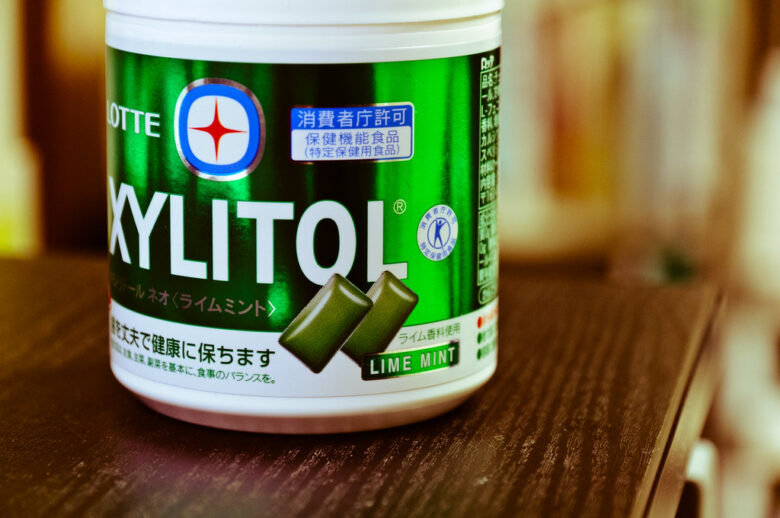
4. Xylitol
Xylitol is a sugar substitute found in sugar-free gum, candy, baked goods, and some peanut butters.
In dogs, it can cause a rapid insulin release, leading to dangerous drops in blood sugar (hypoglycemia), as well as liver failure in severe cases.
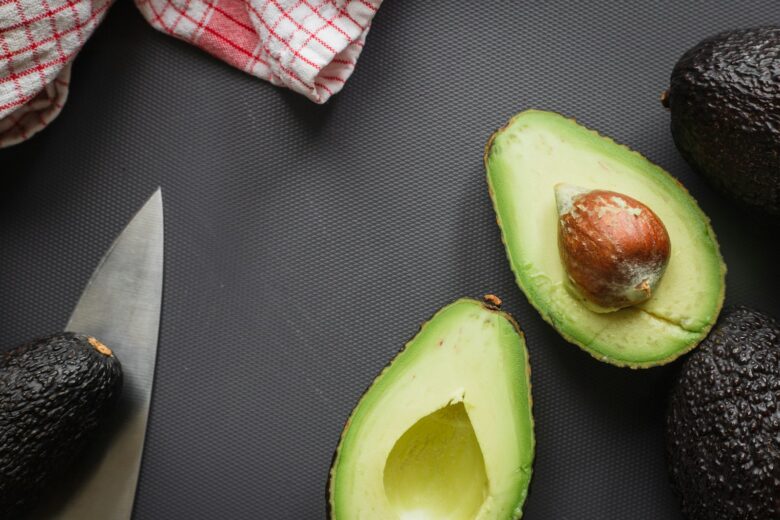
5. Avocado
Avocados contain persin, which can cause vomiting and diarrhea in dogs in large amounts.
While the flesh is less toxic than the skin, pit, and leaves, the high fat content can also increase the risk of pancreatitis.

6. Alcohol
Alcohol is extremely dangerous for dogs, even in small quantities.
It can cause vomiting, disorientation, difficulty breathing, seizures, and coma. Dogs are far more sensitive to alcohol than humans, so exposure should always be avoided.

7. Cooked Bones
Cooked bones, especially poultry bones, can splinter easily.
These sharp fragments can cause choking, internal injuries, or blockages in a dog’s digestive system. Raw bones may be safer in some cases, but should always be given with supervision and veterinary guidance.

8. Salty Snacks
Foods high in salt, such as chips and pretzels, can lead to sodium ion poisoning if consumed in large amounts.
Symptoms may include excessive thirst, vomiting, tremors, and seizures. Occasional tiny amounts are unlikely to be harmful, but salty foods should not be a regular treat.

9. Caffeine
Caffeine—found in coffee, tea, soda, and energy drinks—is toxic to dogs.
It can overstimulate the nervous system, leading to restlessness, rapid heart rate, abnormal breathing, and muscle tremors.

10. Macadamia Nuts
Macadamia nuts are toxic to dogs, though the exact cause isn’t fully understood.
They can lead to weakness (especially in the hind legs), vomiting, tremors, and fever. Symptoms typically appear within 12 hours of ingestion.

Safe Treats You Can Give Your Dog
Not all human foods are off-limits. In moderation, some can be healthy and enjoyable for dogs:
- Carrots are low in calories and can support dental health.
- Blueberries provide antioxidants and make a great bite-sized snack.
- Peanut butter (as long as it does not contain xylitol) is a popular treat in small amounts.
- Cooked chicken or turkey (plain, boneless, and skinless) offers a lean source of protein.
- Apples (with seeds and core removed) provide fiber and vitamins.

The Bottom Line
Unsplash
When it comes to feeding your dog, it’s always better to be cautious.
If you’re ever unsure whether a food is safe, check with your veterinarian before offering it. A small treat isn’t worth risking your dog’s health.
Related:
- These Common Household Items Are Toxic to Pets
- 10 Foods That Support Brain Health (Backed by Science)
- How to Introduce a New Puppy to Your Existing Dogs
Ask us! What questions do you have about content, strategy, pop culture, lifestyle, wellness, history or more? We may use your question in an upcoming article!
Like MediaFeed’s content? Be sure to follow us.
This article originally appeared on Resource Buzz and was syndicated by MediaFeed.co.