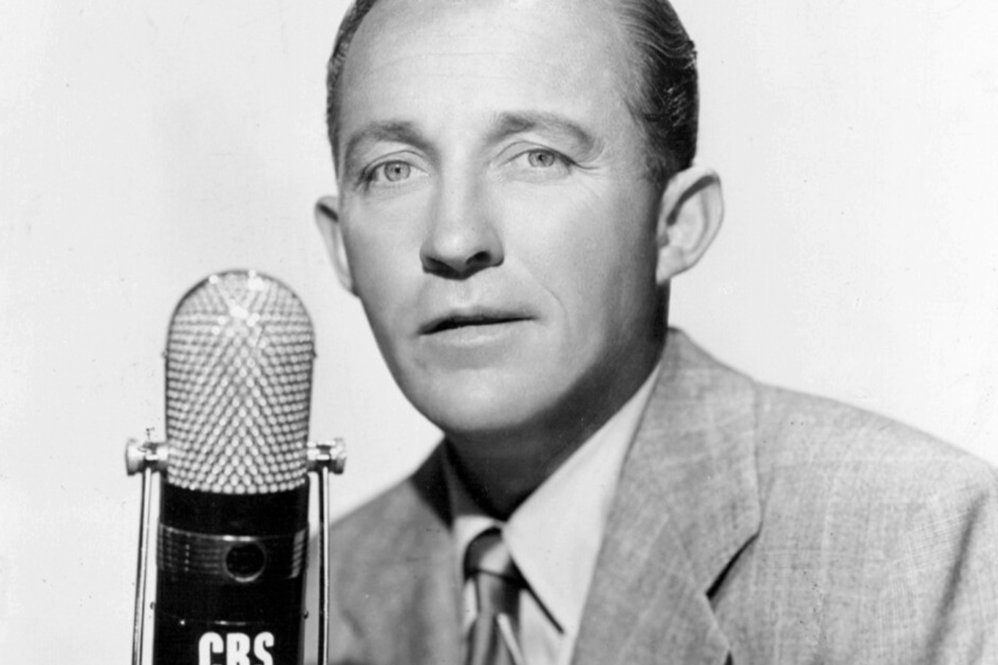
The biggest radio hit the year you graduated high school: ’40s edition
If you graduated between 1940 and 1949, you came of age during the most turbulent decade of the twentieth century. The music carried the weight of it.
The Billboard Hot 100 did not exist until 1958. Year-end rankings here are drawn from Billboard’s chart, the primary measure of the era.
Find your year below.
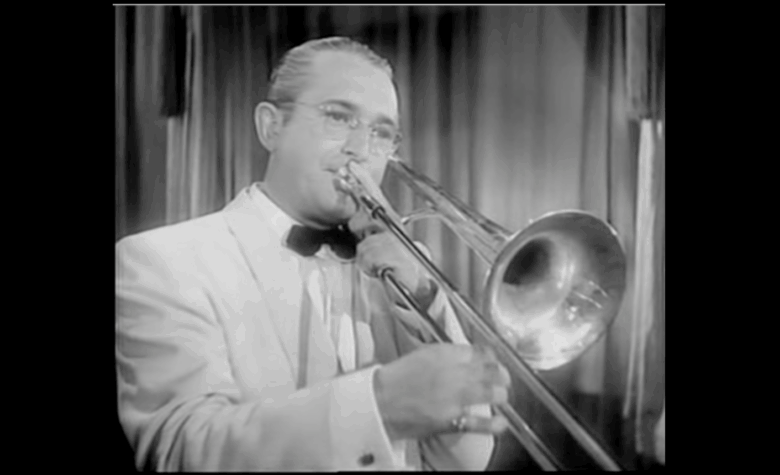
Class of 1940: “I’ll never smile again” by Tommy Dorsey featuring Frank Sinatra
The first chart ever published by Billboard was dated July 27, 1940, and the song that sat at its very top was “I’ll Never Smile Again.” Tommy Dorsey’s arrangement featured a 24-year-old Frank Sinatra on lead vocals. It held the number one spot for twelve consecutive weeks. The first chart Billboard ever published, and the first time most Americans heard Sinatra’s voice.
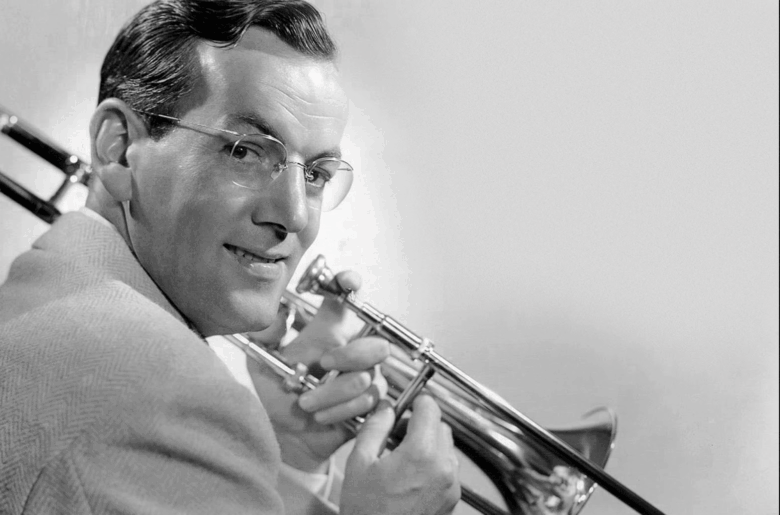
Class of 1941: “Chattanooga choo choo” by Glenn Miller
Written for the 1941 film Sun Valley Serenade, the song spent weeks at number one, departed briefly, and returned for six more. RCA presented Miller with the first gold disc in recording history for sales exceeding one million copies. Miller enlisted in 1942 and disappeared over the English Channel in December 1944.
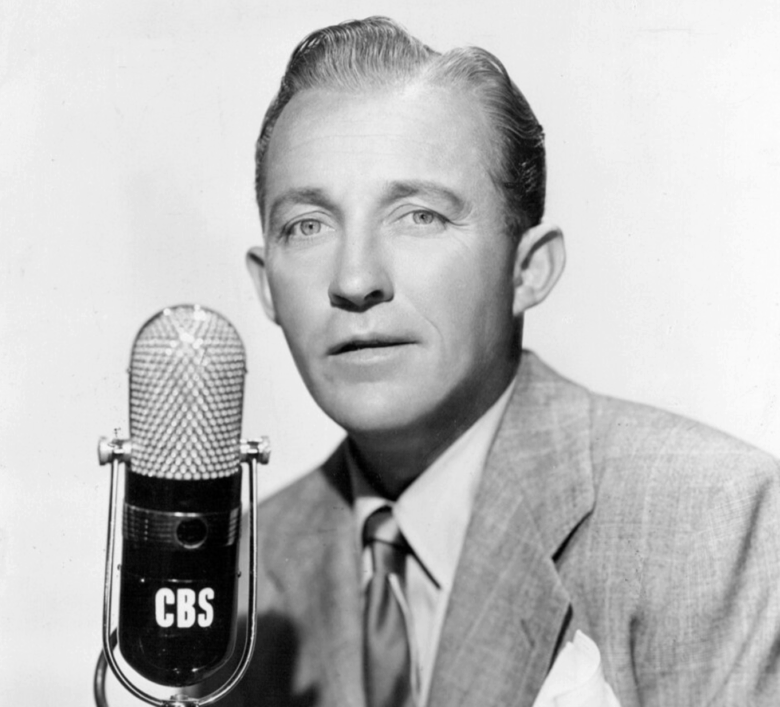
Class of 1942: “White Christmas” by Bing Crosby
Crosby recorded the song in eighteen minutes in 1941; it was released in 1942 and spent eleven weeks at number one. At a moment when troops were deployed everywhere, it spoke to everyone who was somewhere they did not want to be. It remains the best-selling physical single in history.
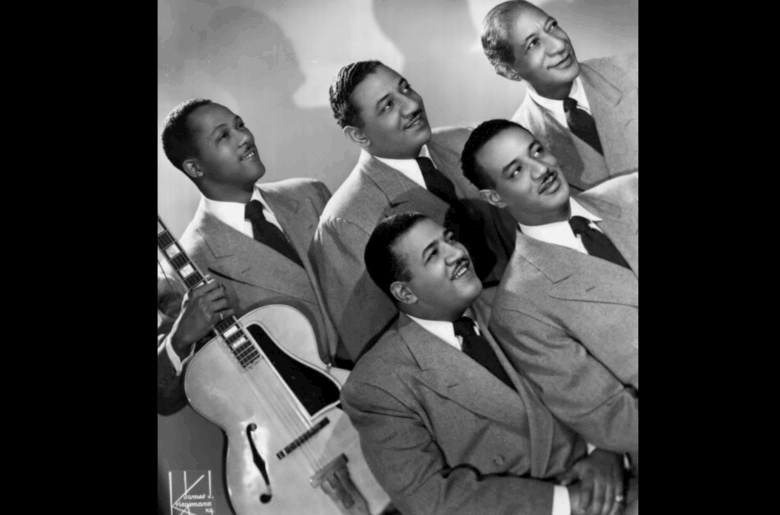
Class of 1943: “Paper doll” by the Mills Brothers
Written in 1915 and dormant for nearly three decades, “Paper Doll” came back through the Mills Brothers in 1943 and spent twelve weeks at number one. It sold over six million copies and became the group’s biggest commercial moment despite them having charted for over a decade already.
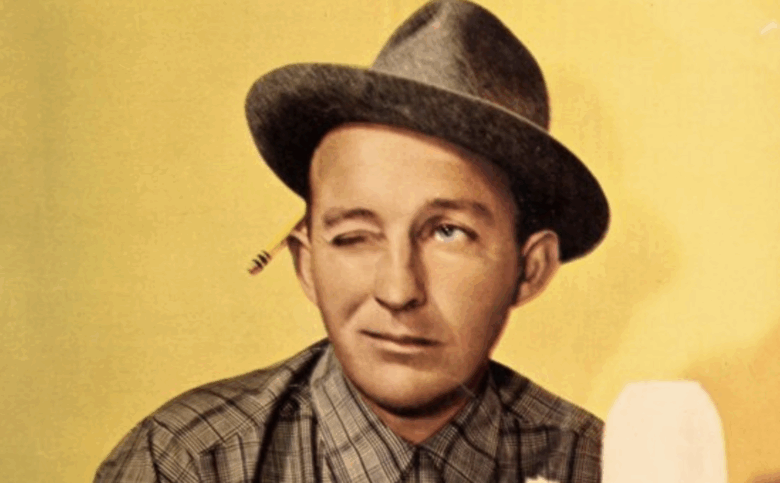
Class of 1944: “Swinging on a star” by Bing Crosby
Written for the film Going My Way, “Swinging on a Star” won the Oscar for Best Original Song and spent nine weeks at number one. Crosby performed it with a children’s chorus. Lighthearted and quietly instructive at once, which is harder than it sounds.
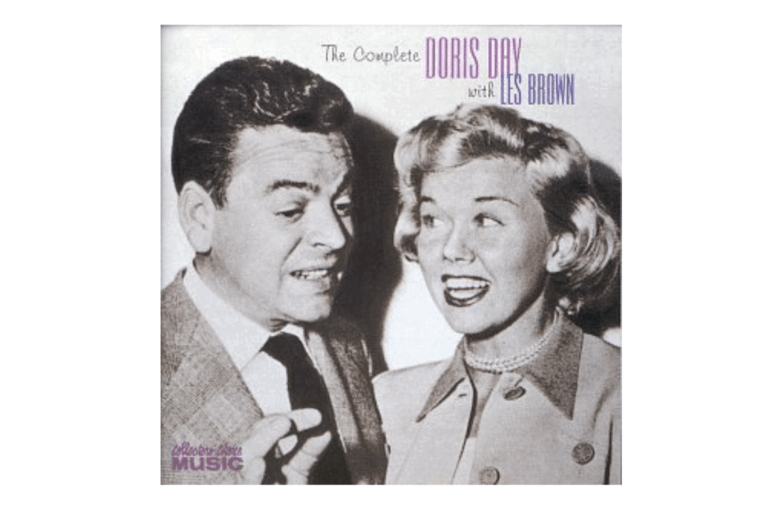
Class of 1945: “Sentimental journey” by Les Brown and Doris Day
Doris Day was 21 when she recorded “Sentimental Journey” with Les Brown. It spent nine weeks at number one as the war drew to a close and became the unofficial anthem of the homecoming era. A day later said it was the song that made her career.
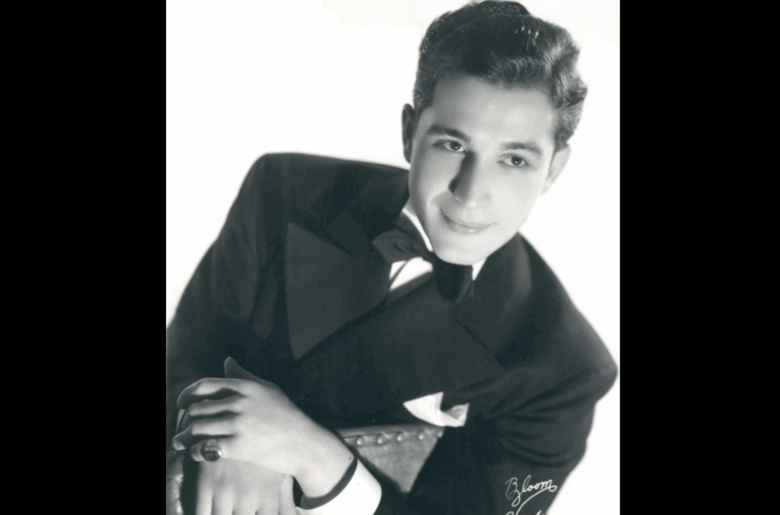
Class of 1946: “Prisoner of love” by Perry Como
“Prisoner of Love” topped the year-end chart for 1946, the first year Billboard published a formal year-end ranking. Como’s warm, conversational delivery marked a departure from the orchestral grandeur of the early decade and pointed toward where popular music was heading.
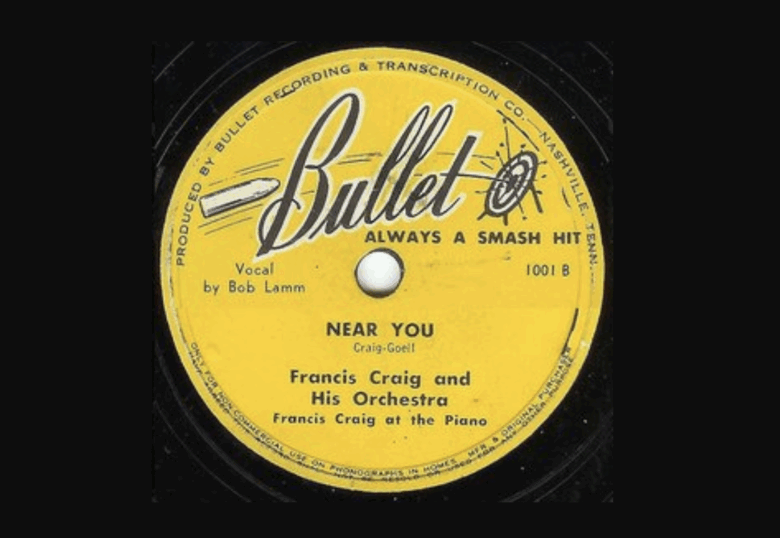
Class of 1947: “Near you” by Francis Craig
A Nashville bandleader who had played hotel ballrooms for two decades, Craig watched “Near You” hold number one for seventeen weeks in 1947. Craig never charted again. The song outlasted every other moment of his career by a considerable distance.
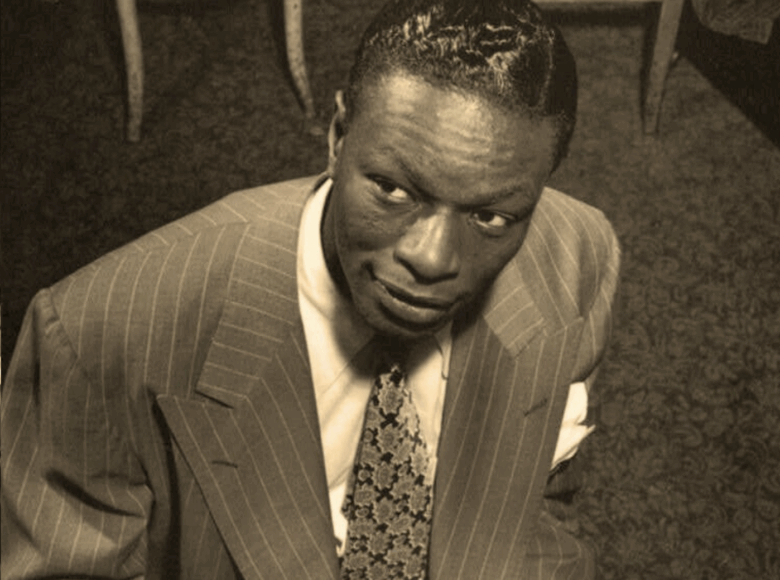
Class of 1948: “Nature boy” by Nat King Cole
Eden Ahbez was living under the Hollywood sign when his song reached Nat King Cole in 1947. Capitol placed it on a B-side. Radio changed everything. “Nature Boy” spent eight weeks at number one. Ahbez appeared simultaneously in Life, Time, and Newsweek, then returned to obscurity. The song never did.
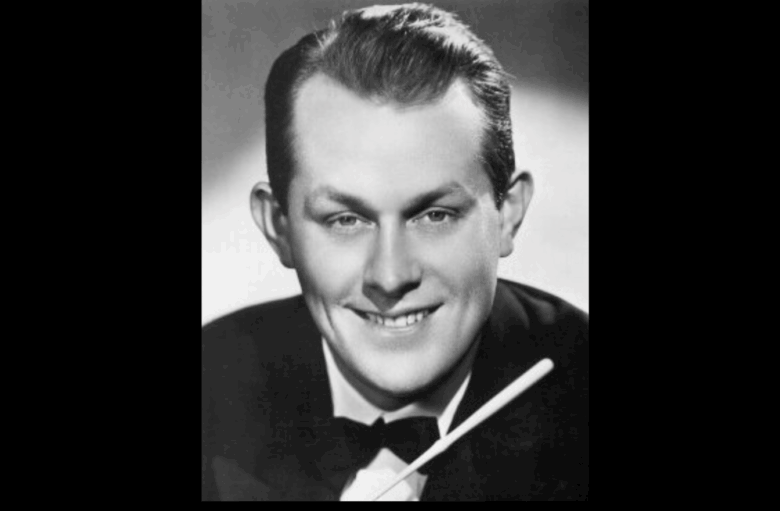
Class of 1949: “Riders in the sky” by Vaughn Monroe
“Riders in the Sky” was unlike anything on the pop chart: a Western-flavored ghost story that topped Billboard’s year-end chart for 1949 with twelve weeks at number one. Monroe later said its success surprised him more than anything else in his career.

Wrap up
Ten years, ten songs, one war and the complicated joy of whatever came after. Which year is yours?
Ask us! What questions do you have about content, strategy, pop culture, lifestyle, wellness, history or more? We may use your question in an upcoming article!
Related:
- The most controversial songs of the ’50s: Do you agree?
- The most controversial songs of the ’60s: Do you agree?
Like MediaFeed’s content? Be sure to follow us.
This article was syndicated by MediaFeed.co.