Quiz: Which blood tests matter most for aging adults?
Most people know they should get blood work done. Fewer know what each test is actually looking for, or why some panels become more important after 60.
This quiz works through five clinically relevant blood tests for older adults. Read the hints, form an answer, then scroll to the reveal.
Some of these may already be on your annual panel. Others may be worth requesting.

Blood test 1
This test measures the three main cell types circulating in the blood. Red cells carry oxygen, white cells fight infection, and platelets help with clotting. In older adults, a declining red cell count often explains persistent fatigue that no amount of extra sleep resolves.
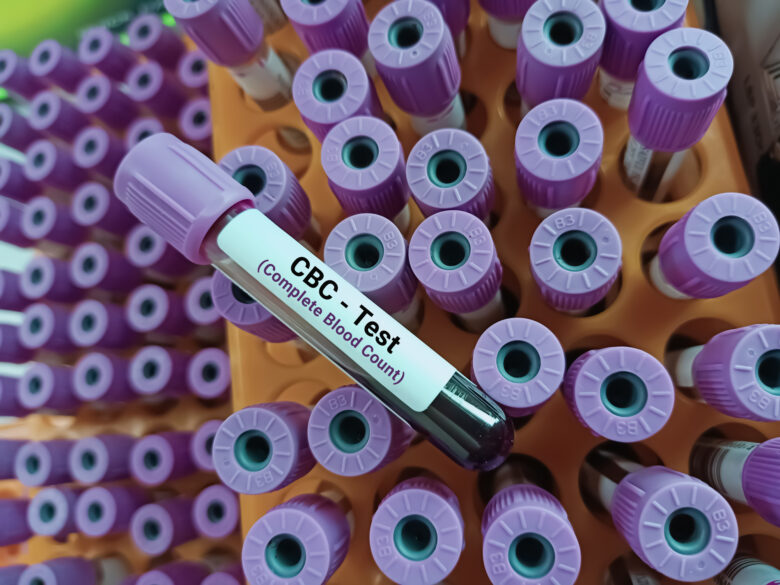
Answer: Complete blood count (CBC)
The complete blood count is one of the standard tests for routine blood work in adults over 60. It measures red blood cells, white blood cells, and platelets. Anemia is frequently discovered this way, and in older adults, it is often the first explanation found for fatigue that has been attributed to aging. The test requires no fasting and is typically included in any standard annual panel.
Blood test 2
Rather than measuring blood sugar in a single moment, this test captures a two-to-three-month average, making it the more reliable tool for diagnosing and monitoring diabetes.
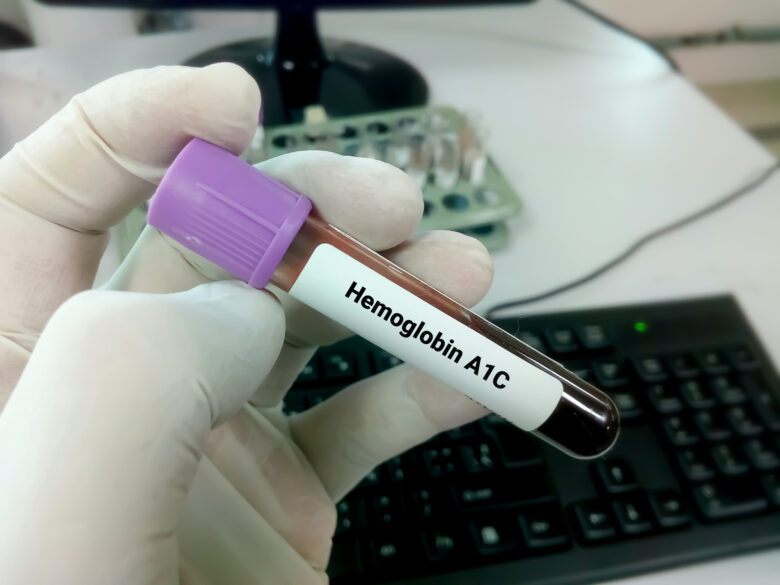
Answer: Hemoglobin A1C
The hemoglobin A1C test gives a 90-day average, making it far more informative for detecting prediabetes and diabetes than a single glucose reading taken on one particular morning. In older adults, physicians often set a slightly more lenient A1C target than for younger patients, since aggressive blood sugar management in seniors can carry its own risks. The American Diabetes Association recommends this test at least once a year for adults with diabetes and for those at elevated risk.
Blood test 3
This panel measures four numbers related to fat in the blood. One of them is considered protective. One is considered harmful. One measures a type of fat that spikes after fatty meals and alcohol. And one provides a combined total. Critically, none of these four numbers produces any symptoms when out of range. A person can have dangerously elevated levels for years and feel completely normal. That is precisely what makes this test so important for older adults, who silently over the decades.
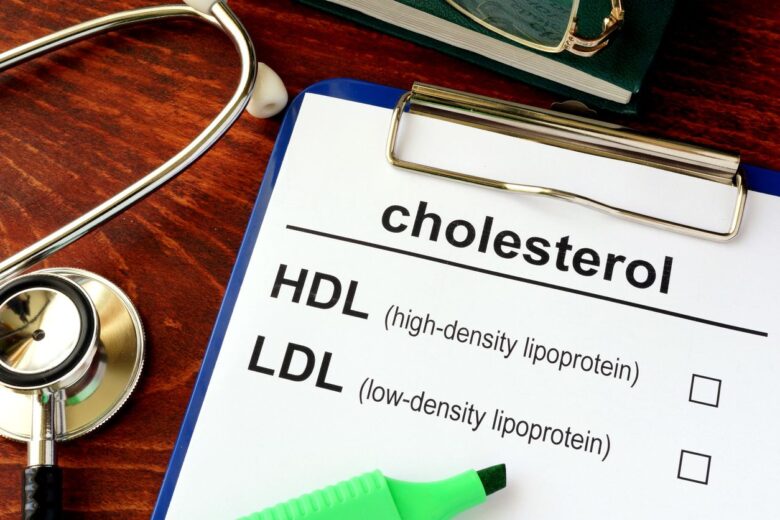
Answer: Lipid panel
The lipid panel measures total cholesterol, HDL (protective), LDL (harmful), and triglycerides. High LDL and low HDL are associated with increased cardiovascular risk. Fasting beforehand is required.
Blood test 4
This test checks a hormone from a small gland in the neck that regulates metabolism, energy, heart rate, and mood. When levels drop, the symptoms resemble normal aging so closely that the condition often goes undetected for years.
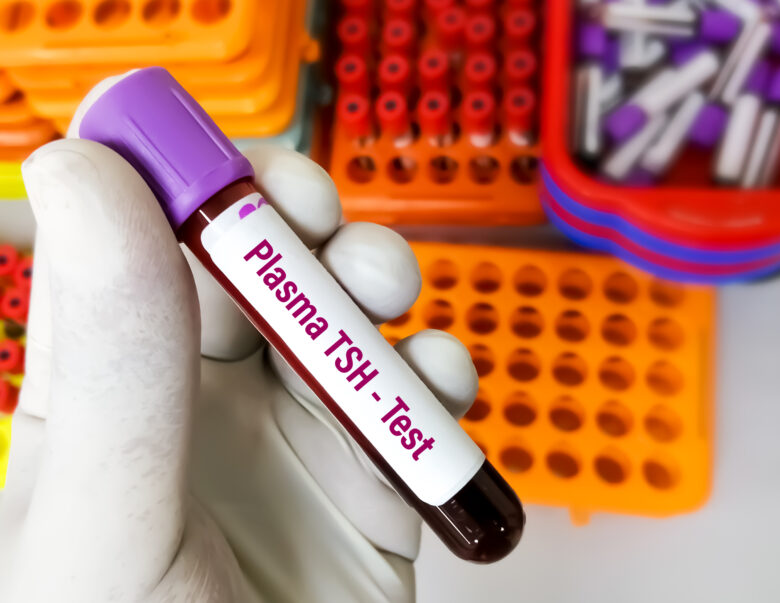
Answer: Thyroid-stimulating hormone (TSH)
The TSH test measures whether the thyroid gland is producing the right amount of thyroid hormone. very common after 65, especially in women, and its symptoms are so similar to the general experience of aging that it frequently goes undiagnosed for years. The good news is that once identified, it is typically managed effectively with a daily medication. Some guidelines recommend TSH testing every five years for adults over 60, more often if symptoms are present.
Blood test 5
Stomach acid declines with age, reducing absorption of this nutrient. Common medications, including proton pump inhibitors, reduce it further. A deficiency can cause fatigue, memory problems, and balance difficulties.

Answer: Vitamin B12
Vitamin B12 deficiency is often missed because its symptoms mirror normal aging. Treatment is straightforward and worth requesting at any annual panel over 60.
Wrap up
Five tests, five different windows into what is happening inside the body. A conversation with a physician about which belongs on an annual panel is one of the more useful appointments any older adult can schedule.
Ask us! What questions do you have about content, strategy, pop culture, lifestyle, wellness, history or more? We may use your question in an upcoming article!
Related:
- Functional vs. conventional blood testing: Which is right for you?
- 5 steps for men to stay on top of preventive health
Like MediaFeed’s content? Be sure to follow us.
This article was syndicated by MediaFeed.co.