The chain stores that defined suburban weekends
The American suburb of the 1970s, 1980s, and 1990s had a specific weekly rhythm. The work week ended, the car got loaded, and the family went somewhere. By then, many downtowns had already thinned out. The destination was the commercial strip, the big-box cluster, the parking lot that stretched longer than any parking lot had a reasonable right to stretch. And in those lots, the chain stores of the era were waiting.
These were not destinations in the romantic sense. They were destinations in the Saturday-afternoon sense, reliable and abundant and air-conditioned. For a generation of Americans, they defined what a weekend felt like.
Here are five of the most defining.

Blockbuster Video
The first Blockbuster Video opened in Dallas on October 19, 1985, with 8,000 VHS tapes. At its peak in 2004, it operated 9,094 stores worldwide. The Friday night ritual it generated was one of the most consistent shared experiences of suburban life: the drive, the argument about what to watch, the resigned walk back to the older titles. The company filed for bankruptcy in 2010.
Sam Goody
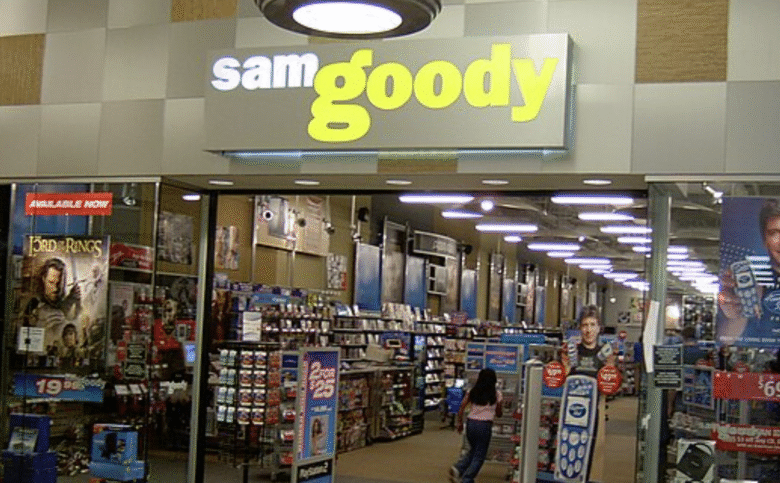
Sam Goody was founded in New York City in 1951 and grew into the largest specialty music retailer in the United States, operating over 800 locations and earning more than $2 billion in annual revenue. Browsing the racks, reading liner notes, deciding between two albums: the ritual was familiar to anyone who grew up near a mall. The stores began converting to FYE in 2006. One location remained open as of late 2025.
Sports Authority
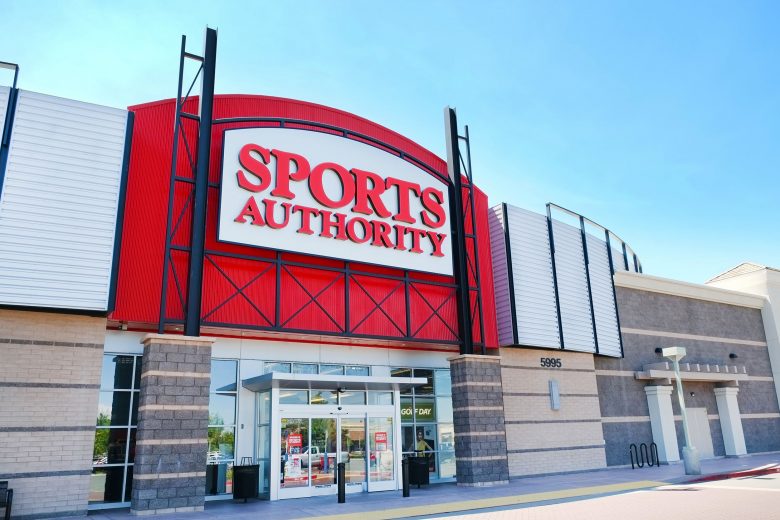
Sports Authority was founded in Fort Lauderdale in 1987 and grew into the dominant national sporting goods chain, eventually operating more than 450 stores. It was where the season started, where shoes were tried on for twenty minutes, where children negotiated for equipment they did not need. The chain filed for bankruptcy in 2016 and was liquidated.
Circuit City
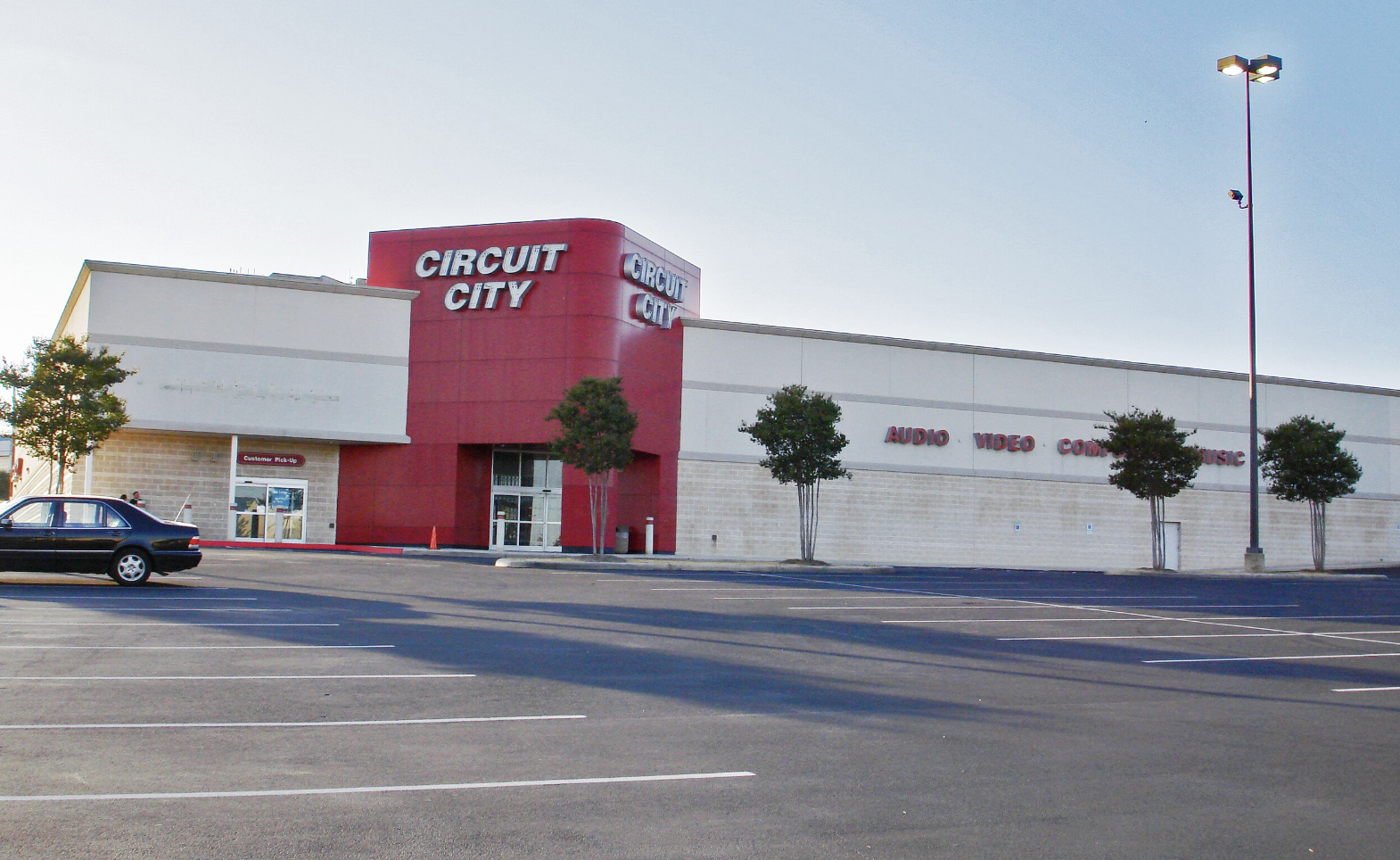
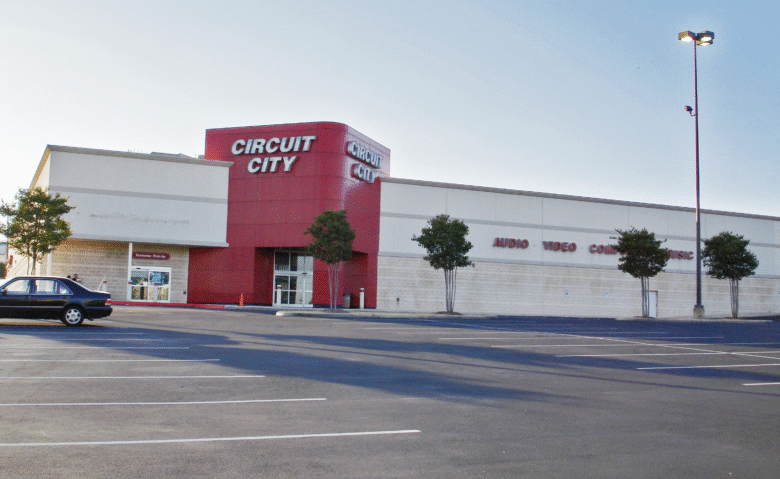
Circuit City was founded in Richmond, Virginia, in 1949 and was one of the largest consumer electronics chains in the country by the early 1990s. Buying a television or stereo was an event. Salespeople knew their products. The stores smelled of new electronics and demonstration models running simultaneously. Circuit City filed for bankruptcy in 2008 and closed all 721 remaining stores in early 2009.
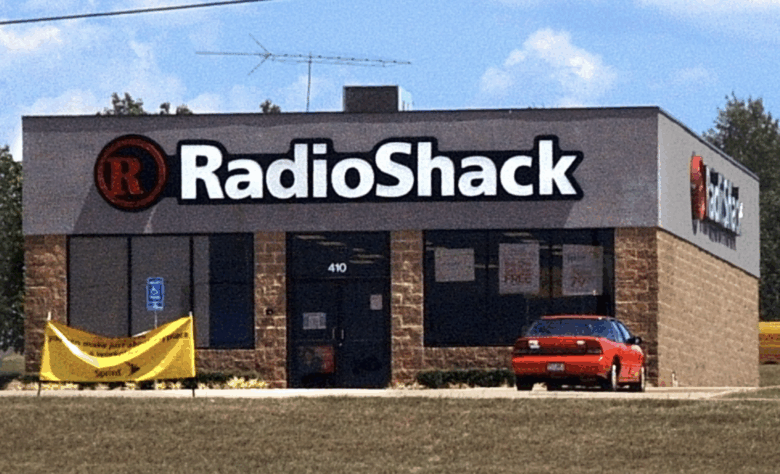
RadioShack
RadioShack was founded in Boston in 1921 and at its peak operated nearly 7,000 locations in the United States. Its appeal was to a particular suburban curiosity: batteries, cables, CB radios, early home computers, and components for projects that may or may not have been completed. For Boomers and Gen X, it occupied a unique retail category, making technology feel accessible one component at a time. The company filed for bankruptcy in 2015 and again in 2017.

Wrap up
These stores were not beloved while they existed. They were simply there, every Saturday, for years on end. What became apparent only after they were gone was how completely they had organized the rhythm of suburban life.
Ask us! What questions do you have about content, strategy, pop culture, lifestyle, wellness, history or more? We may use your question in an upcoming article!
Related:
- Gone but not forgotten: Photos of classic mall stores we miss
- Gone but not forgotten: Photos of childhood snacks we miss
Like MediaFeed’s content? Be sure to follow us.
This article was syndicated by MediaFeed.co.