15 car features Boomers miss (and younger drivers don’t understand)
Modern cars park themselves and read your messages aloud. What they cannot do is replicate the particular satisfaction of a feature that worked beautifully and then quietly disappeared. Boomers remember every one of these.
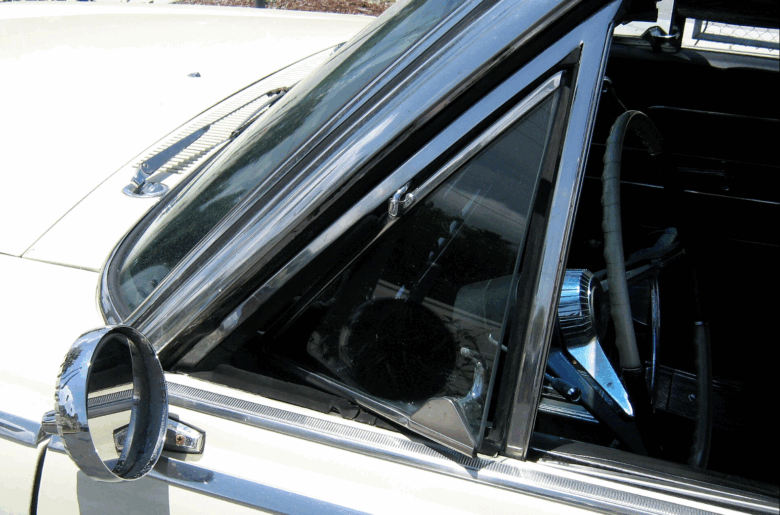
Vent windows
Those small triangular front-door panes were engineering elegance. Crack one open, and fresh air flowed straight into the cabin without noise, wind chaos, or hair destruction. Aerodynamics and universal air conditioning killed them. Nothing replaced the feel.
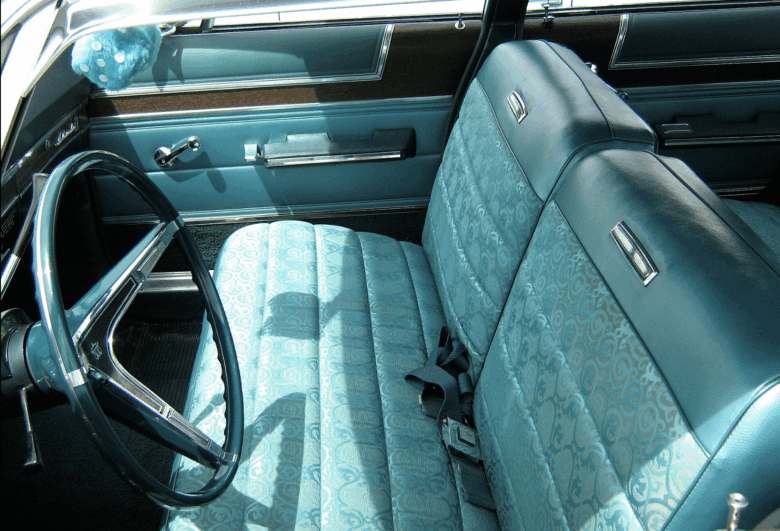
Front bench seats
The entire front row is one continuous sofa. Three across, or a passenger sliding next to the driver on a long highway run. A 2022 survey found 64% of drivers 55 and older still preferred bench seating. The last factory bench seat option disappeared from the Chevy Impala in 2012.
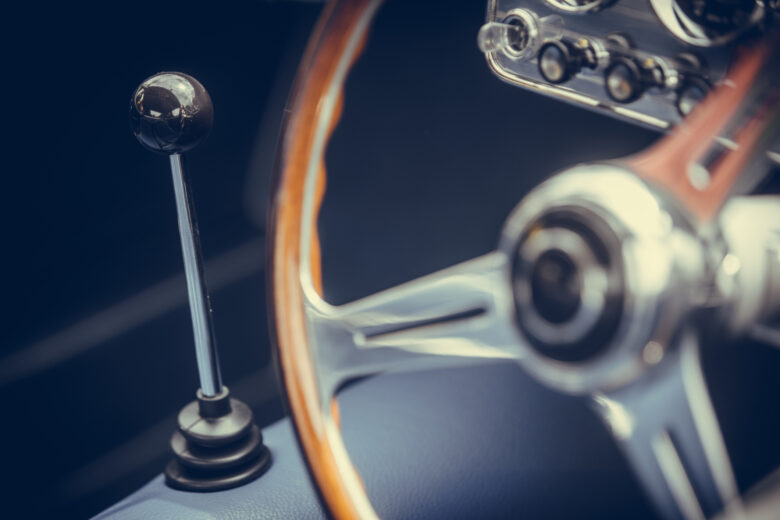
Column shifters
The gear selector on the steering column freed the entire floor. Column shifters vanished as bucket seats and center consoles took over interior design. Most drivers under 35 have never touched one.
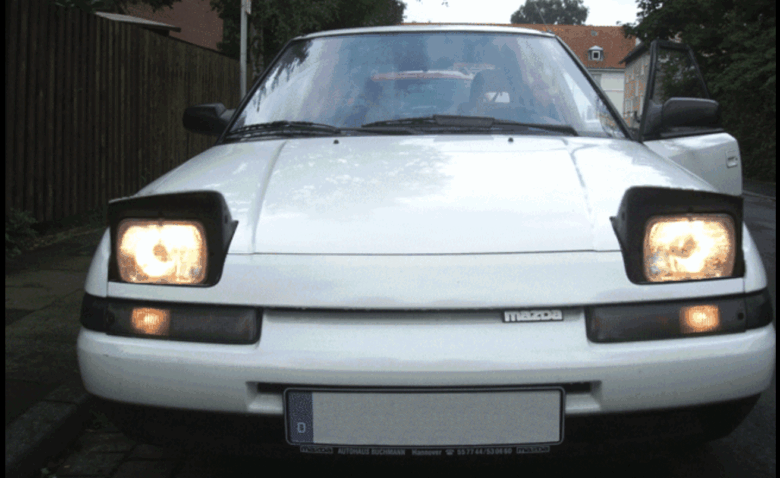
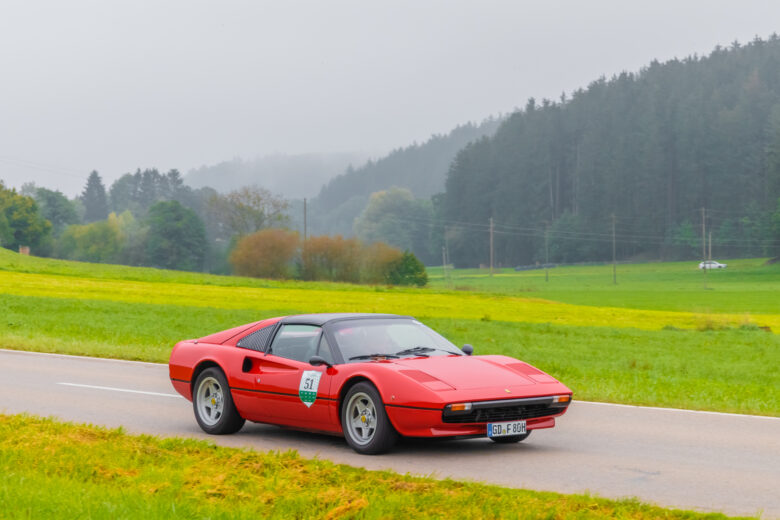
Pop-up headlights
Cars that literally winked at you. Pop-up headlights defined sports car aesthetics from the 1970s through the 1990s before pedestrian safety rules ended the era. The drama has never been matched.

Hood ornaments
Cadillac crests, Lincoln greyhounds, the Rolls-Royce Spirit of Ecstasy. Three-dimensional brand sculptures gone quiet. Safety regulations phased them out after studies showed protruding metal caused serious pedestrian injuries in collisions. Flat grille badges are not the same.

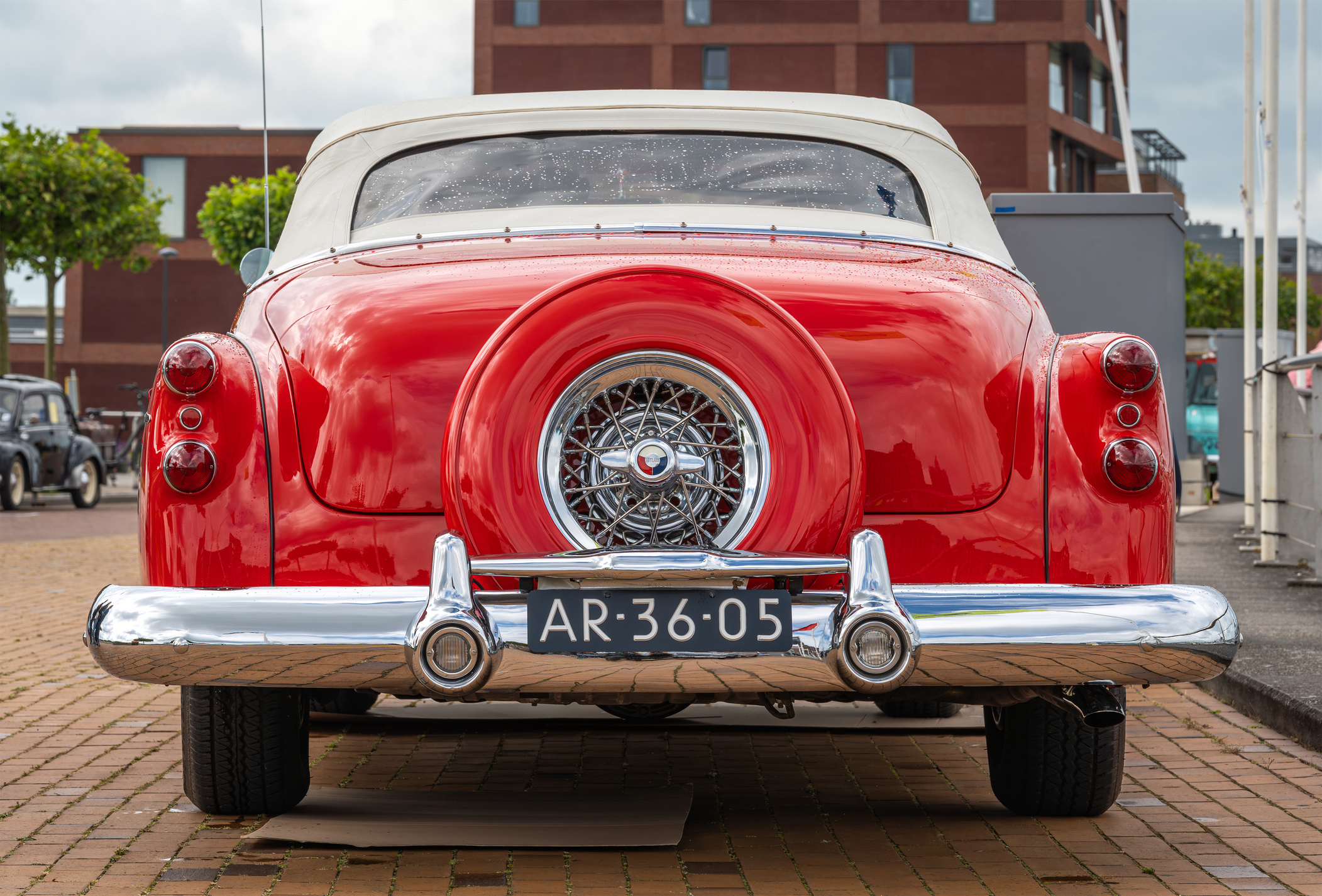
Full-size spare tires
A complete wheel, identical to the four already running. No speed limits, no distance restrictions, no midnight anxiety over a blowout. Manufacturers eliminated full-size spares to reduce weight and improve fuel economy, replacing them with donut spares or inflation kits. Confidence went with them.
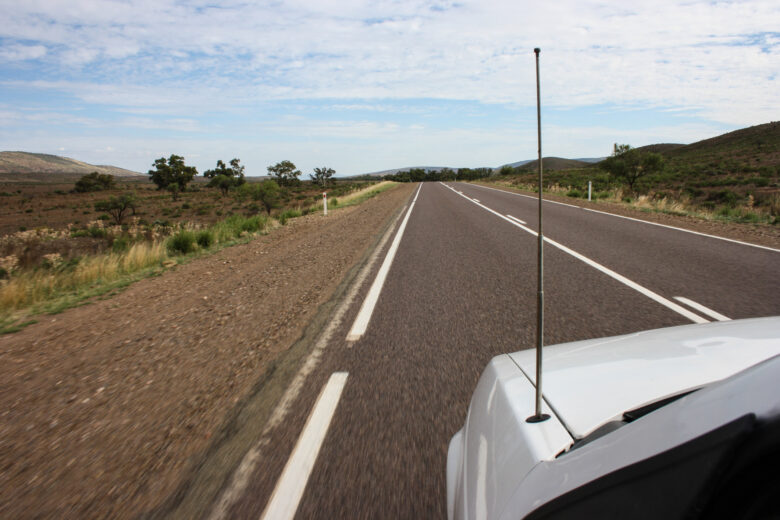
Power antennas
Turn the ignition, and the antenna rose from the fender with a mechanical hum. Shut the car off, and it descended. Power antennas were common through the 1980s and 1990s before integrated windshield antennas made them obsolete. They broke at car washes. They were inexplicably satisfying every single time.
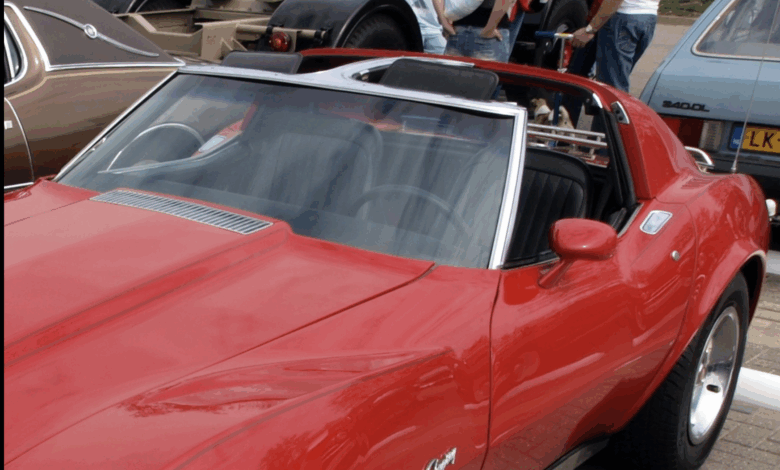
T-tops
Two removable roof panels that turned a coupe into something approaching a convertible. T-tops became iconic on the Corvette, Firebird, and Camaro before leaks, squeaks, and chassis rigidity issues doomed them. Boomers did not care even slightly.
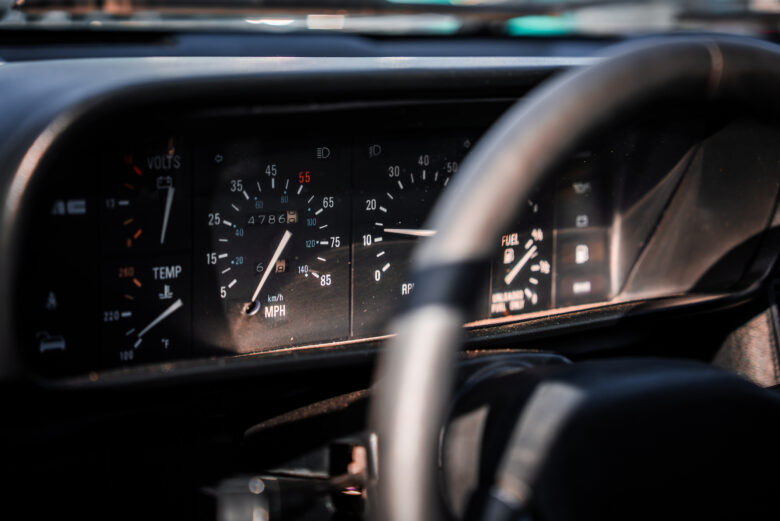
Analog instrument clusters
Every gauge mechanical, every needle physical, every reading available without a menu. Modern touchscreens can bury critical driving data under layers of interface that require eyes off the road to navigate. A good analog cluster never needed a software update.
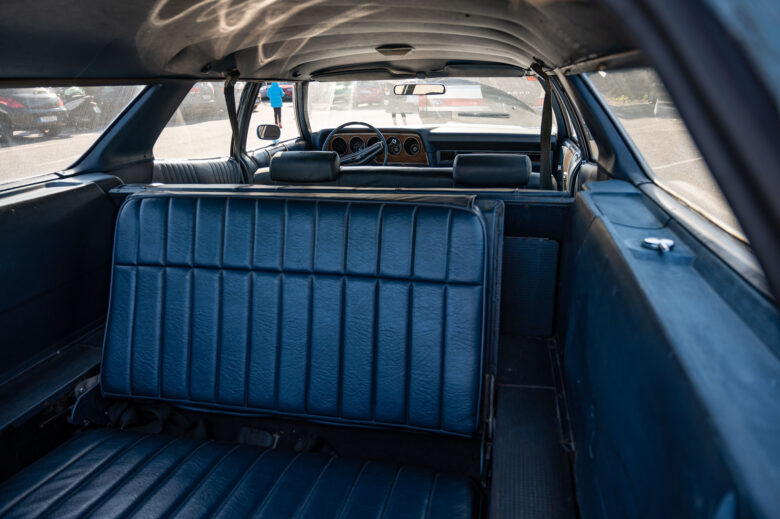
Rear-facing station wagon seats
Backward-facing third-row seats looking out through the rear glass at the road receding behind. Kids considered this the best seat in the vehicle. Safety regulations ended rear-facing seats as crash protection standards tightened through the 1970s and 1980s. Every family road trip lost something.
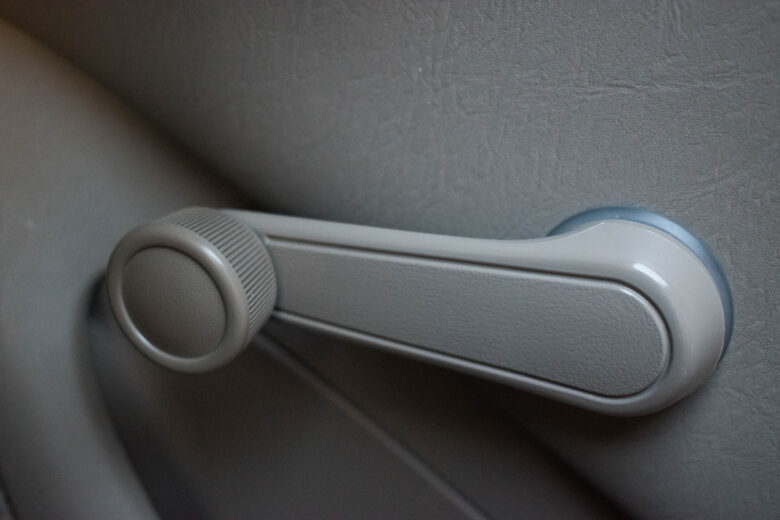
Manual crank windows
No motor, no wiring, no possibility of a dead switch trapping the glass halfway down in a summer rainstorm. A handle, a gear, a panel. Power windows became standard across most vehicles by the mid-1990s, and the tactile feedback of the crank has never been replaced.
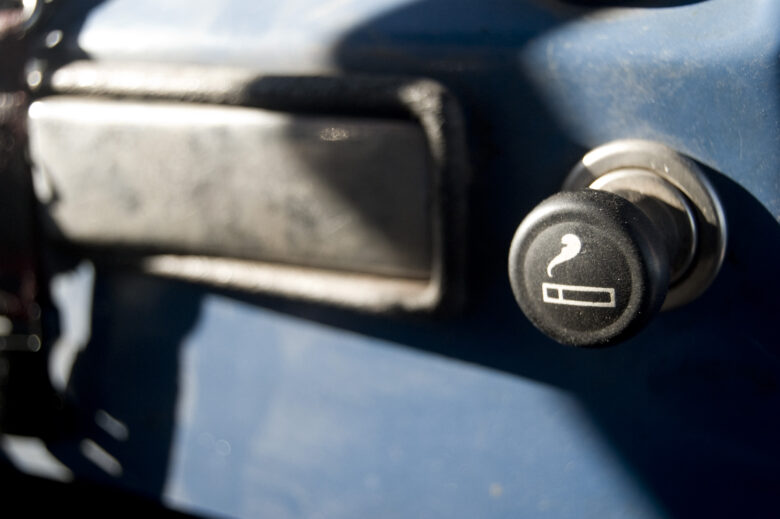
Cigarette lighters and ashtrays
Standard equipment in every car, in every row. The push-in lighter became the universal 12-volt outlet that every modern driver uses, with most having no idea what it originally ignited.

Vinyl rooftops and opera windows
Padded vinyl on the roof combined with small oval rear quarter windows: the luxury signifiers of 1970s American sedans. Opera windows were named for theater box seats, meant to convey exactly that level of occasion for back-seat passengers. Theatrical, deliberately excessive, and genuinely wonderful.
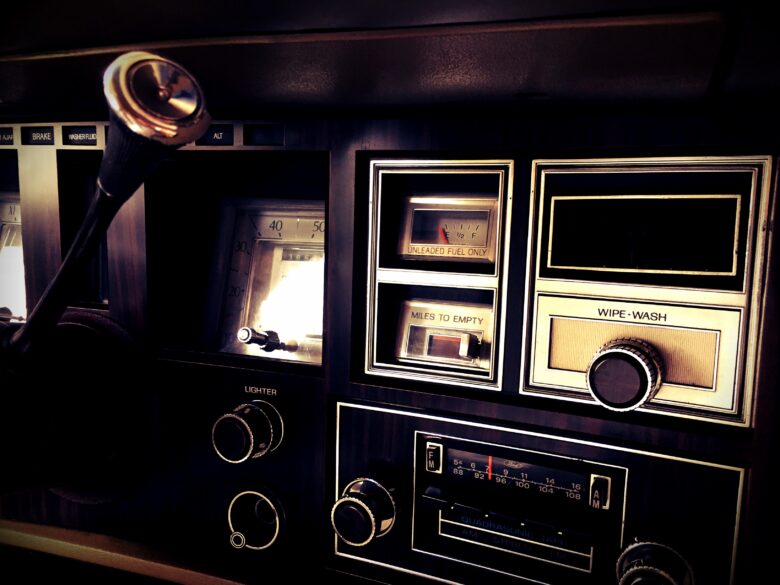
CB radios
Real-time traffic, speed traps, and road conditions from other drivers, long before GPS existed. The CB radio culture of the 1970s created a rolling community with its own language, codes, and genuine camaraderie among strangers. No app has replicated it.

Curb feelers
Metal wires that scraped the curb and screamed when you got too close, protecting those whitewalls from a scuff. Curb feelers were the grandparents of modern parking sensors, announcing every miscalculation loudly and publicly. Nothing matched that raw feedback.
Wrap up
Every feature on this list was killed by progress, safety regulations, or shifting tastes. Most replacements are objectively better. But better and beloved are not always the same thing, and Boomers who drove these cars know the difference in their hands.
Ask us! What questions do you have about content, strategy, pop culture, lifestyle, wellness, history or more? We may use your question in an upcoming article!
Related:
Like MediaFeed’s content? Be sure to follow us.
This article was syndicated by MediaFeed.org.