
Vision after 60: Surgery, lenses & what they cost
Your vision starts getting cloudy around age 65, and your eye doctor mentions cataracts. Then comes the conversation about lens options, and suddenly you’re looking at costs ranging from $3,000 to $7,000 per eye. Medicare covers basic cataract surgery, but beyond the bare minimum for vision correction, you’re paying out of pocket. Here’s what different options cost and what you get.
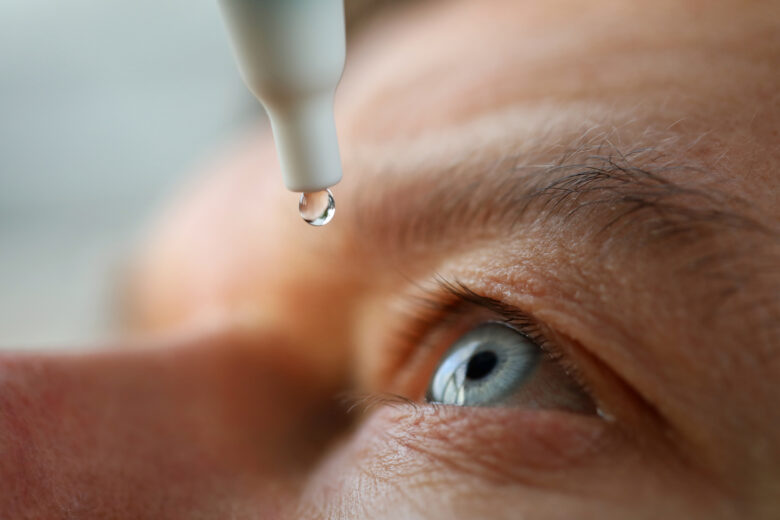
Basic surgery with standard lens: What Medicare covers
Medicare and most private insurance cover standard cataract surgery with a monofocal lens. This includes surgeons’ fees, facility fees, anesthesia, and a basic lens. After your deductible, Medicare pays 80 percent of approved charges. Your portion runs about $400 per eye. The standard monofocal lens corrects vision at one distance only. You’ll need reading glasses or bifocals after surgery.

Multifocal lenses: $2,000 to $4,000 extra per eye
Multifocal intraocular lenses have multiple focusing zones, providing good vision at near, intermediate, and far distances. Insurance doesn’t cover the cost because you can correct different distances with glasses. The advantage is reduced dependence on corrective lenses. The downside: multifocals can cause glare or halos around lights, especially at night.
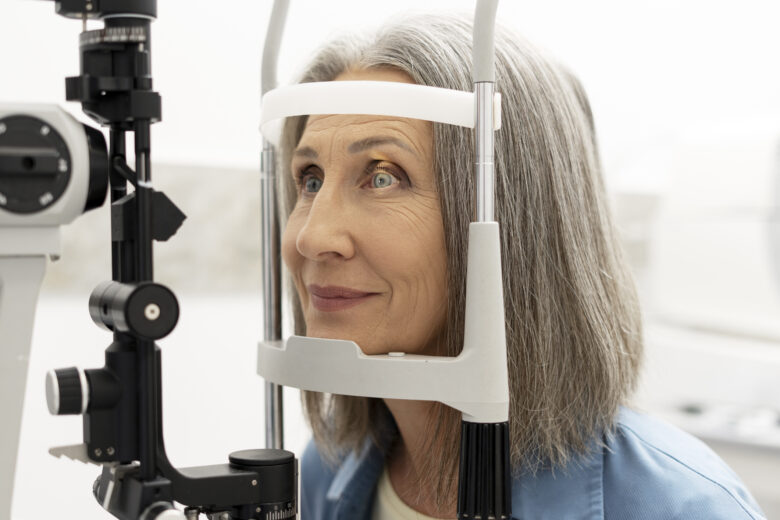
Toric lenses for astigmatism: $1,500 to $3,500 per eye
If you have astigmatism, a toric IOL corrects that irregular curvature along with your cataracts. Insurance typically won’t cover the additional $1,370 average cost per eye.

Light-adjustable lenses: $5,500 plus per eye
Light-adjustable lenses let surgeons shape the lens to your exact prescription using controlled light treatments weeks after surgery. Insurance doesn’t cover them. You’ll pay upwards of $3,000 per eye.
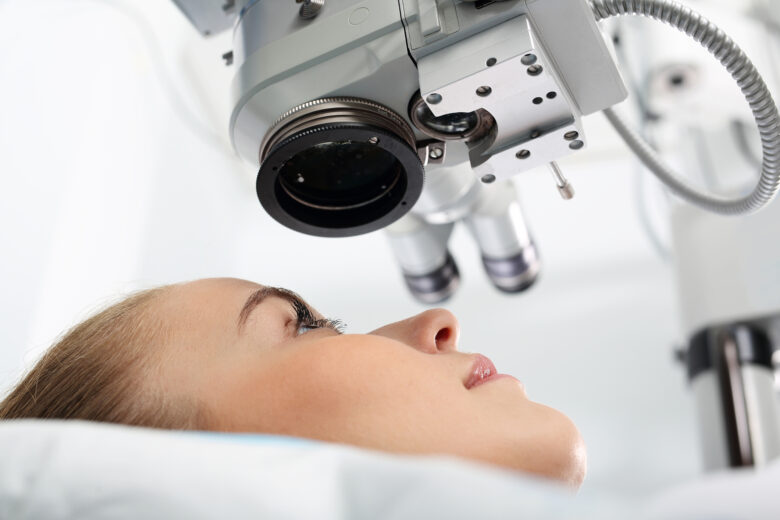
Laser-assisted surgery: Add $1,000 or more
Laser-assisted cataract surgery uses femtosecond lasers for higher precision. Medicare and most insurers consider this an elective upgrade.

The hidden costs nobody mentions upfront
Beyond surgery, expect additional expenses. Post-operative eye drops cost $100 to $300 if uninsured. Some people need a YAG laser procedure within five years, costing $300 to $500 without insurance. You’ll likely need new glasses, adding $100 to $400.
The long-term math on premium lenses
If premium lenses eliminate your need for glasses, you stop paying for frames, lenses, and contact supplies. Over the years, those savings add up to thousands. Poor vision is a leading cause of falls among older adults. Clear vision lowers your risk. Once your cloudy lens is replaced, it typically lasts for life.

What you’re actually paying for
The additional cost isn’t just about hardware. You’re paying for the surgeon’s professional refractive services: extra time and expertise in carefully measuring, planning, and performing surgery with advanced techniques. Modern lenses must be placed with extreme precision. If a premium lens is implanted incorrectly, the results can harm vision instead of improving it.
Final verdict
Cataract surgery is one of the most successful medical procedures. For many patients, the ability to drive safely, read without glasses, or enjoy activities without vision aids is worth the investment. The lowest upfront cost might mean years of dependence on corrective lenses, while spending more initially could mean genuine visual freedom.
Ask us! What questions do you have about content, strategy, pop culture, lifestyle, wellness, history or more? We may use your question in an upcoming article!
Related:
Like MediaFeed’s content? Be sure to follow us.
This article was syndicated by MediaFeed.org.