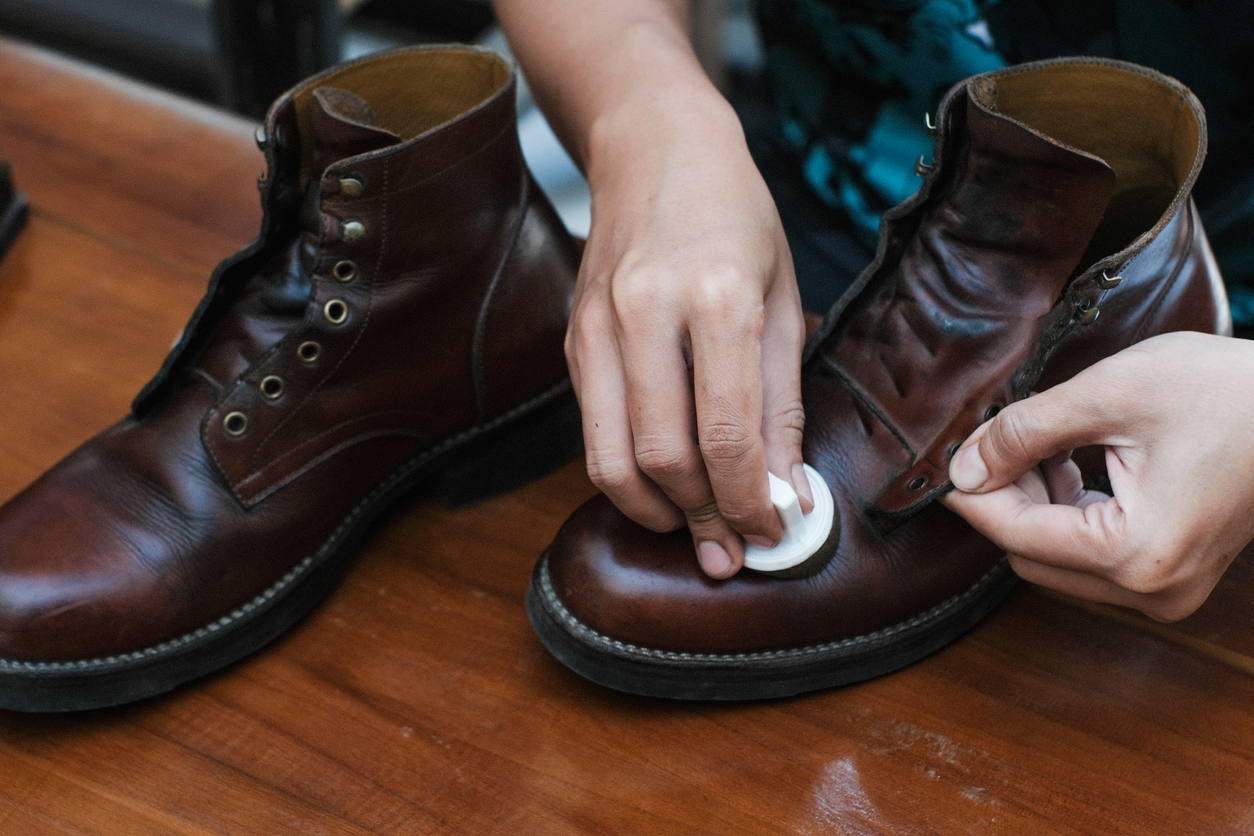
Velcro, zippers & dignity: Shoes that respect aging feet
For decades, people over 60 struggled with a painful choice: wear shoes that looked good but hurt their feet, or settle for orthopedic shoes that screamed, “I’m old.” The footwear industry essentially told seniors to pick between style and comfort. That patronizing approach is finally ending, and the change comes from adaptive closures that respect both your feet and your dignity.
Feet change more than you think after 50
Your feet go through dramatic changes as you age. Feet become wider and flatter over time as muscles weaken and arches collapse. Many people who wear size 8 narrow shoes suddenly need size 9 wide after age 60. Feet also swell during the day due to medications or health conditions like edema.
The arthritis problem nobody talks about
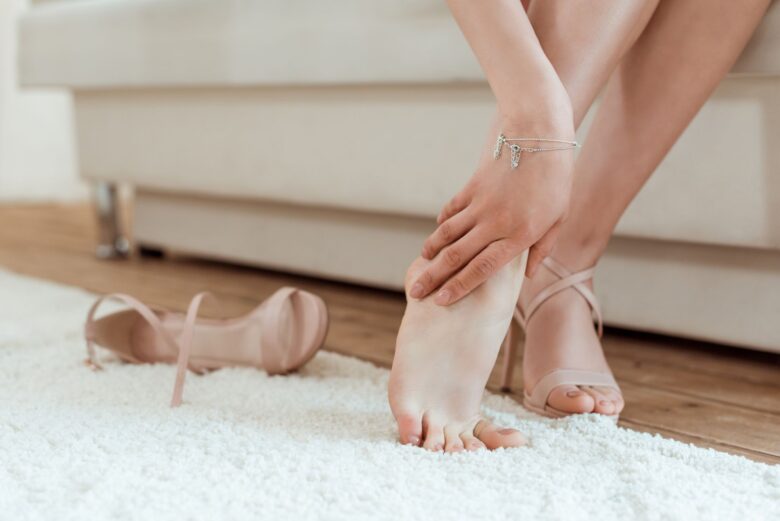
Bending over to tie shoelaces becomes genuinely difficult as arthritis affects the hands. Hook and loop closures solve this practical problem without making you feel like you’re wearing old person shoes. The straps open wide enough to slide your foot in comfortably, then adjust with a simple pull.

Velcro shoes don’t look like medical equipment anymore
The game-changer came when designers integrated adaptive closures into normal-looking shoes. Companies like Propet and New Balance now make sneakers with Velcro straps that look like regular athletic shoes. Retailers offer Mary Janes with adjustable straps that accommodate swollen feet without looking clinical.
Zipper innovations changed everything
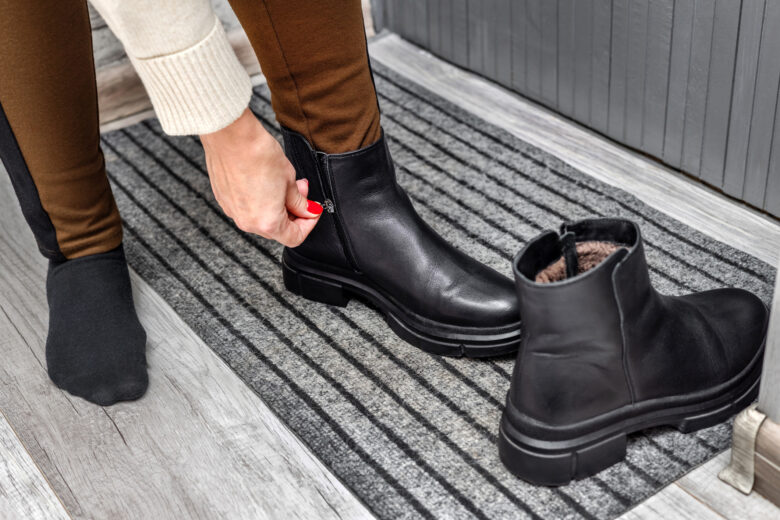
Front-zipper shoes represent another breakthrough. Unlike traditional laces or side zippers that still require dexterity, front zippers let you see exactly what you’re doing. The flexible mesh upper adjusts to fit comfortably, whether your feet are swollen or not.

Medicare finally recognizes that adaptive shoes matter
Medicare’s Therapeutic Shoes for Persons with Diabetes Benefit now covers certain adaptive footwear. This recognition validates what seniors have known: the right shoes are essential for maintaining mobility and independence.

Safety features built into modern designs
Beyond ease of use, adaptive shoes now incorporate critical safety features. Non-skid soles with anti-skid treads help prevent falls on smooth floors or wet surfaces. Wider bases provide better stability and balance. Many models include cushioned arch support and memory foam insoles that alleviate foot pain from arthritis.
The dignity factor changes everything
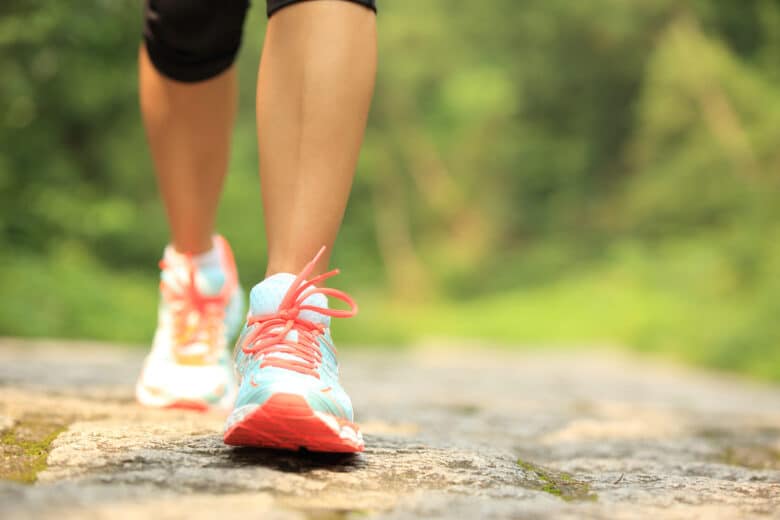
Perhaps the most important shift is cultural. Adaptive footwear companies stopped designing shoes that look like medical devices and started creating shoes that look like shoes. When you feel good about what you’re wearing, you’re more likely to stay active and engaged. You’re more likely to leave the house, visit friends, and maintain the social connections that keep you healthy.

Food for thought
Shopping for adaptive shoes requires attention to different factors. Look for adjustable closures at multiple points. Check for removable insoles if you need custom orthotics. Try shoes on later in the day when your feet are at their largest. The footwear revolution is about recognizing that aging feet deserve shoes that actually work.
Ask us! What questions do you have about content, strategy, pop culture, lifestyle, wellness, history or more? We may use your question in an upcoming article!
Related:
- Why vintage design feels more grounding than modern minimalism
- Vintage photos of inventions and ideas that almost made it
Like MediaFeed’s content? Be sure to follow us.
This article was syndicated by MediaFeed.org.