The germiest things in your home that you use every day
Your bathroom toilet isn’t the germiest place in your home. The kitchen actually contained the highest levels of contamination in homes. More than 75 percent of dish sponges and rags had Salmonella, E. coli, and fecal matter compared with 9 percent of bathroom faucet handles. These everyday items harbor dangerous bacteria you touch constantly.
Kitchen sponges top the list
The dish sponge is the germiest thing in your house.It’s probably home to hundreds of millions of bacteria. The kitchen sponge outranked all other household items for staph, mold, yeast, and Coliform bacteria. Place wet sponges in the microwave for two minutes daily and replace them every two weeks.
Kitchen sinks harbor massive bacteria colonies
Kitchen sinks were found to house 11,381,285 average normalized microorganisms per 10 square cm. There’s more fecal bacteria in your kitchen sink than in a toilet after you flush it. Wash and disinfect sides and bottom once or twice weekly with disinfecting cleaner.
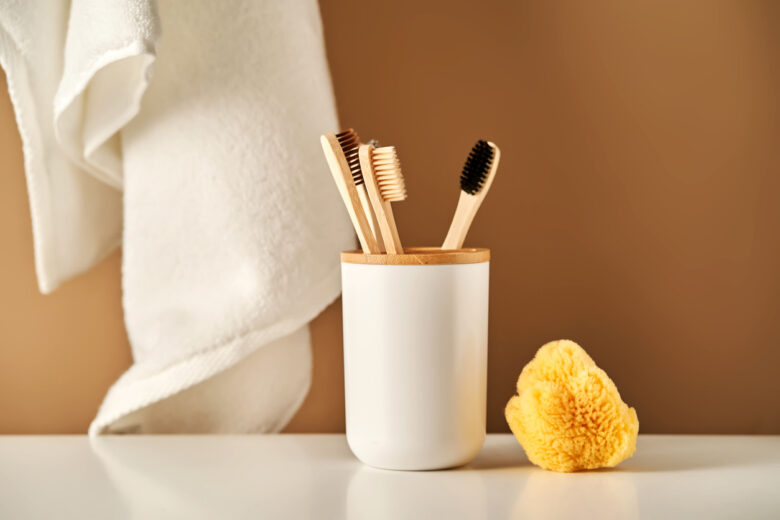
Toothbrush holders breed bacteria
Approximately 27 percent of toothbrush holders tested positive for Coliform bacteria, including E. coli. Almost 64 percent harbored yeast and mold. Place dishwasher-safe holders in the sanitizing cycle once or twice weekly.
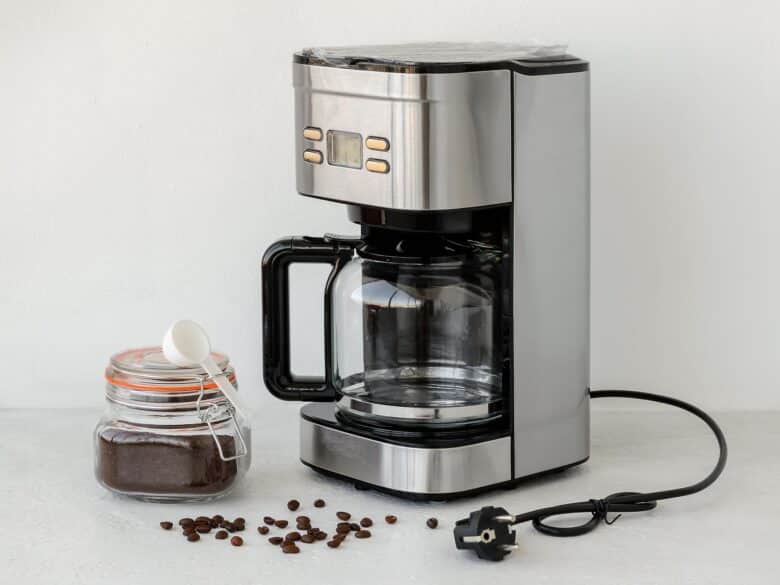
Coffee makers host hidden germs
The coffee reservoir made the top 10 germiest items list and outranked toilet seats with more Coliform bacteria. Coffee reservoirs can play host to 548,270 normalized microorganisms per 10 square cm. Clean by running undiluted vinegar through the unit, followed by fresh water cycles monthly.
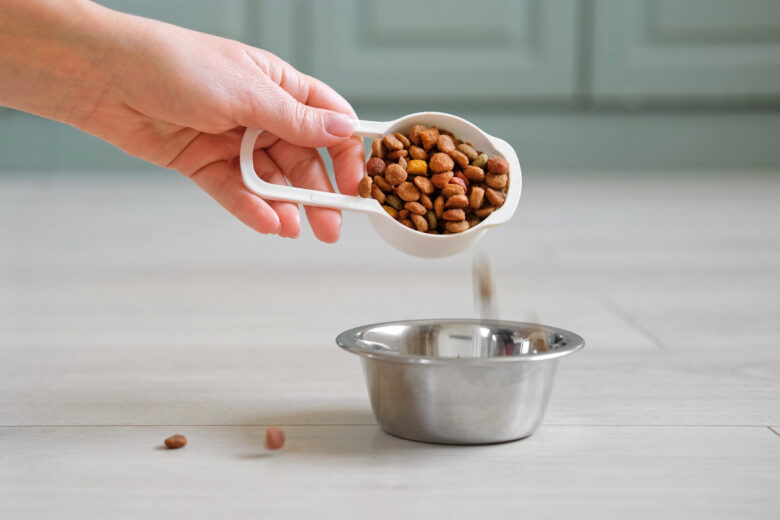
Pet bowls contain alarming bacteria levels
Your pet’s bowl is the fourth germiest thing in your house, with 1,476,612 average normalized microorganisms. Pet dishes should be washed daily either in a sanitizing dishwasher or scrubbed by hand with hot, soapy water. Place in bleach solution weekly.

Cell phones surpass toilet seats
Your cellphone could be up to 10 times dirtier than a toilet seat. It could have E. coli on it that can give you diarrhea and stomach cramps. Phones average about 25,127 bacteria per square inch. Clean with antibacterial wipes regularly.

Cutting boards harbor dangerous pathogens
Your cutting board is dirtier than your toilet seat, according to studies. Every cut creates tiny homes for bacteria to breed. Wood cutting boards have antibacterial resins, making them safer than plastic versions.

Kitchen towels carry heavy bacterial loads
Researchers analyzed 100 kitchen towels after one month of use and found that approximately half carried bacteria. Bigger families have more bacteria on towels than smaller households. Laundry sanitizers eliminate lingering bacteria that regular laundering misses.
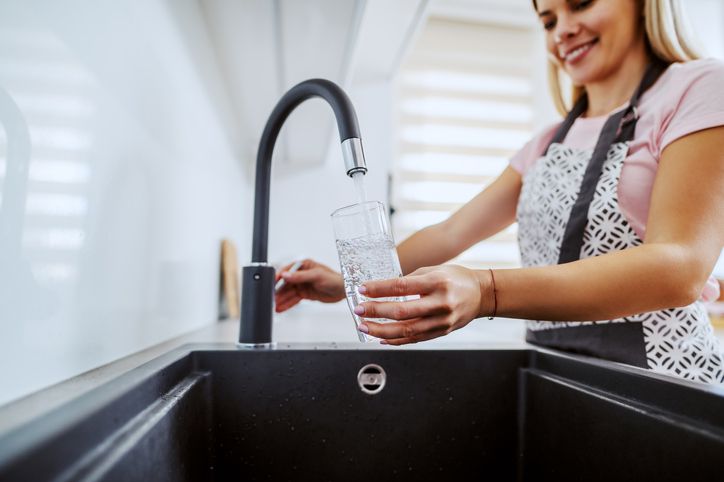
Faucet handles spread contamination
Faucet handles in both the kitchen and bath contained coliform bacteria as well as yeast and mold. Clean daily with disinfecting cleaner or disinfecting wipes. Bathroom and kitchen handles require equal attention.
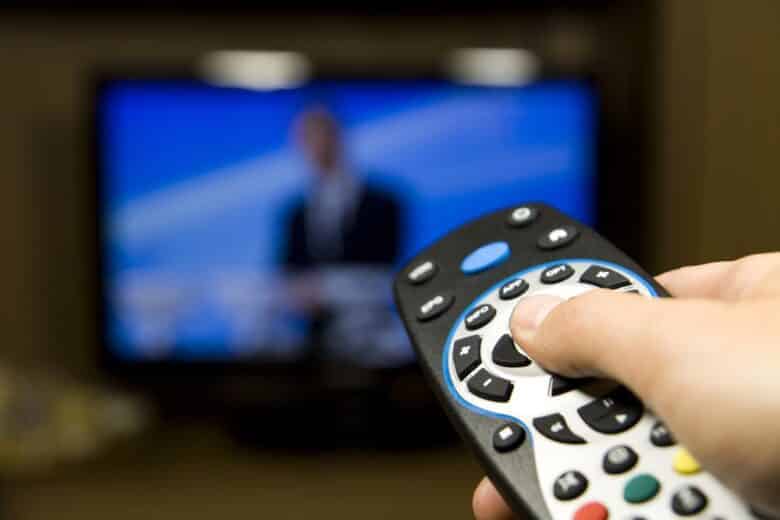
Remote controls transfer germs easily
Remote controls host lots of germs and viruses and can pass on colds with one button push. They fall on floors, rest under couch pillows, and collect dust constantly. Clean with antibacterial wipes weekly.
Wrap up
The germiest items aren’t where you expect them. While participants assumed bathrooms were the germiest, kitchens contained the highest contamination levels. Regular cleaning and replacement schedules protect families from dangerous bacteria lurking on everyday items.
Ask us! What questions do you have about content, strategy, pop culture, lifestyle, wellness, history or more? We may use your question in an upcoming article!
Related:
- 9 must-have travel items to stay germ-free on your next flight
- Can’t lose weight? Check your gut health
Like MediaFeed’s content? Be sure to follow us.
This article was syndicated by MediaFeed.org.