

The chores every Boomer kid was expected to do — no excuses
Boomer children contributed real labor essential to household operation. Kids performed daily tasks that built responsibility and a strong work ethic. These meant more than just symbolic chores rewarded with allowance; they were necessary contributions to family survival.
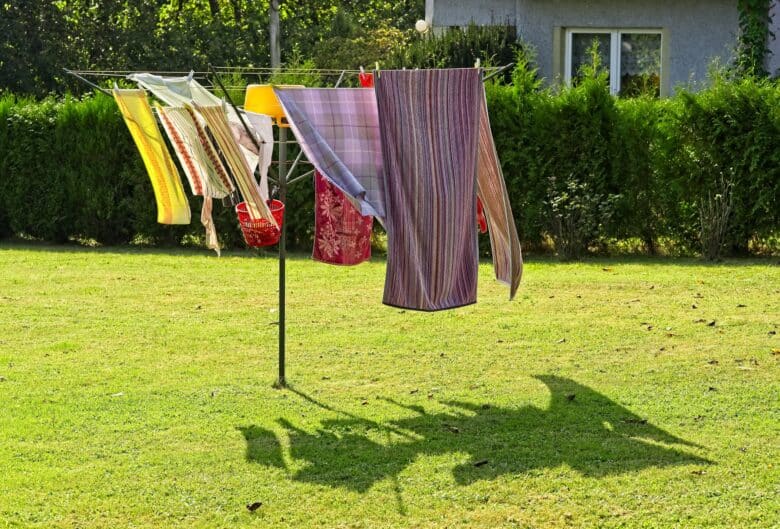
Washing and hanging laundry on clotheslines
Hanging clothes on the line was common, where kids grabbed freshly washed laundry and headed outside. The smell of sun-dried clothes was refreshing, connecting you to the rhythm of daily life. This important task taught patience and attention to detail. Hanging laundry properly prevented wrinkles and ensured efficient drying regardless of the weather.
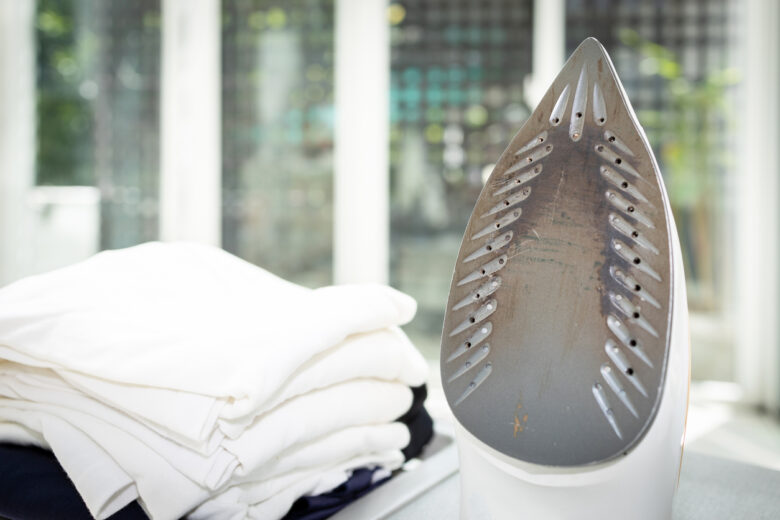
Ironing clothes and mending garments
In the fifties and sixties, ironing was common, where kids used flat irons to smooth wrinkles. By age twelve, many children could sew dresses, wash and iron clothes, and cook complete meals. Kids rolled dampened clothes and refrigerated them to maintain moisture. These skills taught self-sufficiency and pride in appearance.

Babysitting younger siblings regularly
Older kids often became built-in babysitters, sometimes occasionally, but often daily.In large families, responsibilities were given before age five, including watching younger siblings. Watching siblings taught leadership, responsibility, and emotional control. Early accountability created a strong sense of duty that carried into work later.

Deep cleaning bathrooms and floors
Boomer kids performed deep cleaning, including scrubbing floors, cleaning bathrooms, and polishing furniture. Dusting shelves and furniture was a weekly ritual, teaching responsibility. Nobody celebrated you with the reward, given that things don’t fall apart. It taught doing things without expecting applause.

Mowing lawns completely every week
Using push reel mowers that were quiet and emission-free helped children build physical endurance. The job was passed to children as an early introduction to responsibility. This demonstrated that success involves finishing tasks, not starting them. Anyone starts things, but few keep going when boring.

Running errands to local stores alone
In the fifties and sixties, kids ran errands to local stores, walking to corner shops alone. It was common for children to complete tasks alone as neighborhoods felt safe. This developed independence and community sense. Kids learned navigation, money management, and social interaction without supervision.

Collecting eggs and farm chores
Collecting eggs from chicken coops was a daily activity where kids headed out early with baskets. From the early 1950s through the 1970s, kids routinely stacked firewood, worked farms, and repaired items. This wasn’t discipline but survival and necessity. Finding eggs turned routine into adventure.
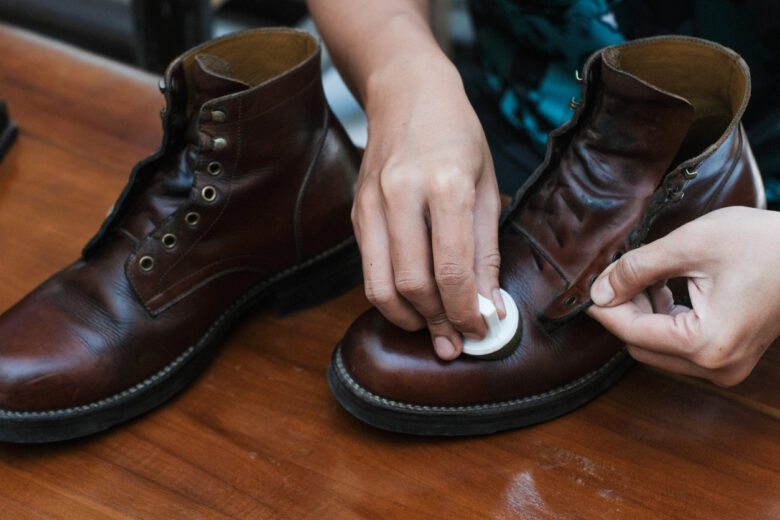
Polishing shoes and making beds
Polishing shoes was common where kids shone saddle shoes or dad’s dress shoes before school. Making your bed each morning was an important daily routine that set the tone for a tidy bedroom. It taught pride and respect for belongings. These tasks instilled cleanliness habits lasting lifetimes.

Wrap up
Boomer households expected children to contribute real labor essential to household operation. Children did chores whether they received allowance or not, since failure wasn’t an option. These chores trained persistence, building grit and a strong work ethic. Lessons learned shaped character extending beyond childhood.
Ask us! What questions do you have about content, strategy, pop culture, lifestyle, wellness, history or more? We may use your question in an upcoming article!
Related:
- Everyday things kids did in the 1990s that would baffle Gen Z & Gen Alpha
- Things boomers learned in school that turned out to be wrong
Like MediaFeed’s content? Be sure to follow us.
This article was syndicated by MediaFeed.org.



