Important health checkups for Americans over 50
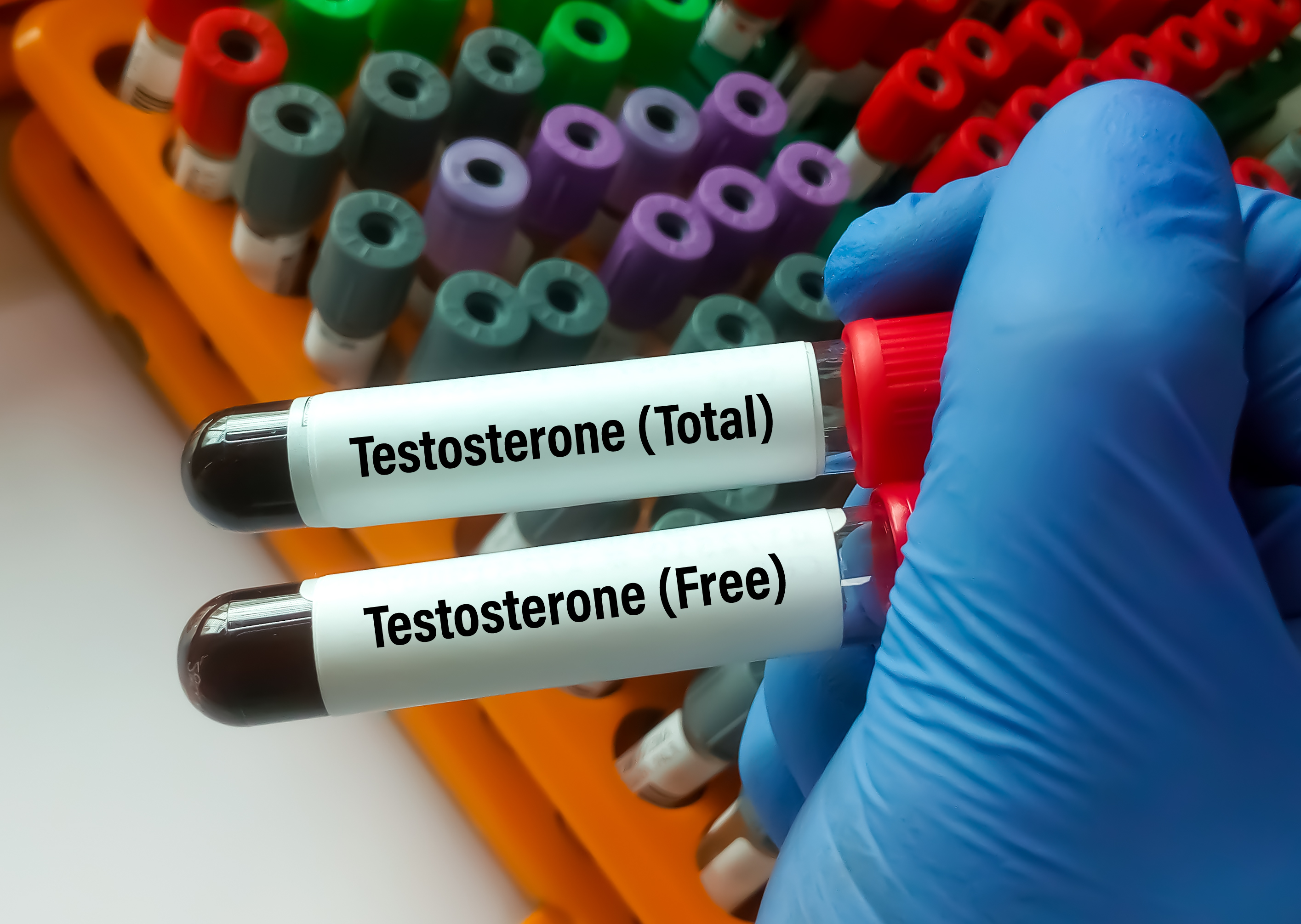
Preventive health screenings become critical after age fifty when disease risks escalate significantly. Regular checkups detect problems early when treatment proves most effective. Understanding recommended screenings helps Americans maintain optimal health throughout later decades.
Colorectal cancer screening starting at forty-five
The American Cancer Society recommends that everyone begin colorectal cancer screening at age forty-five. Colonoscopy every ten years remains the gold standard, allowing polyp removal. At-home stool tests detecting blood should be done every one to three years. People with a family history should be screened more frequently.
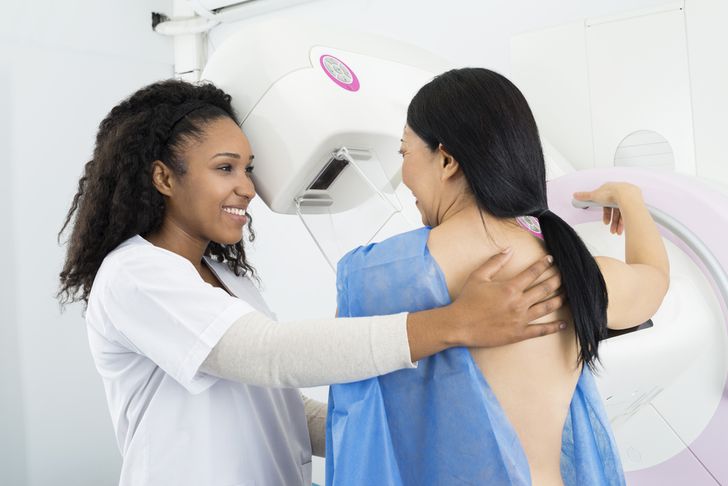
Mammograms for breast cancer detection
The USPSTF recommends women get mammograms every one to two years beginning at age 40. Mammograms work best at finding breast cancer in women ages forty to seventy-four. Women with a family history should discuss starting earlier with their provider. Regular screening should continue through age seventy-five for healthy women.
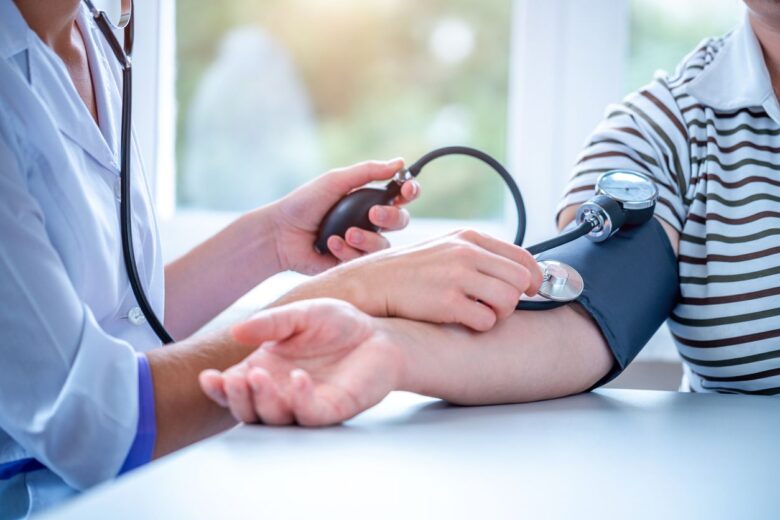
Blood pressure and cholesterol monitoring
The USPSTF suggests annual blood pressure screening for adults 40 years or older and for adults at increased risk for hypertension in its recommendation. However, the Task Force recommends screening less frequently (ie, every 3 to 5 years) for adults aged 18 to 39 years old who are not at increased risk for hypertension and who have had a prior normal blood pressure reading. Hypertension can lead to heart disease and stroke, affecting nearly half of American adults. Cholesterol screenings should occur every four to six years without risk factors. More frequent testing becomes necessary with diabetes or heart disease.

Bone density scans for osteoporosis
Women over fifty who are at increased risk of osteoporosis should get bone density testing. Screening for normal-risk women should begin at age sixty-five. Estrogen maintains bone mass, which drops sharply after menopause. Risk factors include steroid use, low body weight, smoking, or a family history of hip fractures.
Diabetes screening for high-risk individuals
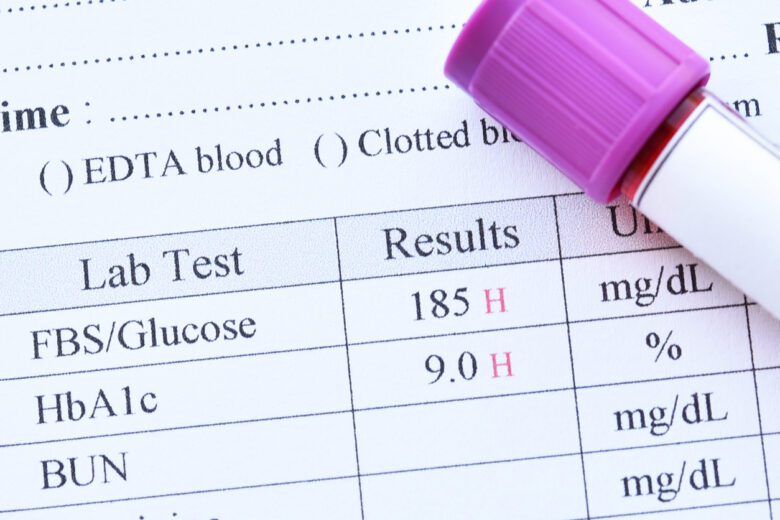
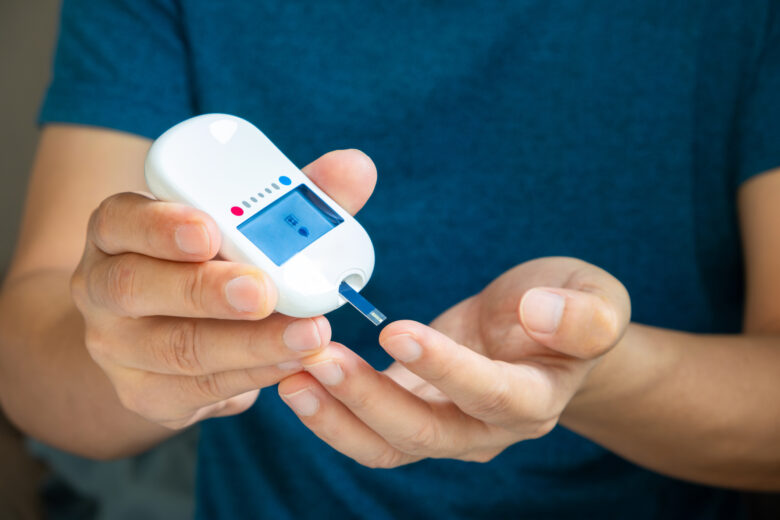
You should be screened for prediabetes and type two diabetes starting at age thirty-five if overweight or obese. High blood sugar may not have any symptoms in the early stages, making regular screening critical. Simple blood tests can check for these conditions before they cause serious complications. Early detection allows lifestyle modifications that can prevent progression to full diabetes.

Prostate cancer screening for men
The American Cancer Society recommends men at average risk discuss prostate screening starting at age fifty.African American men and those with a family history should start these conversations at age forty-five. Screening typically involves prostate-specific antigen blood tests. Unlike other screenings, no one-size-fits-all recommendation exists, requiring individual physician discussions.

Lung cancer screening for smokers
Anyone who currently smokes, quit within fifteen years, or once smoked twenty packs yearly should receive yearly lung screenings. The USPSTF recommends low-dose CT scans for high-risk individuals. Screening should stop once patients have not smoked for over fifteen years. Early detection significantly improves treatment outcomes for lung cancer.
Wrap up
Regular preventive screenings detect diseases at their most treatable stages, saving countless lives each year. Healthy people between the ages of forty and forty-nine should see healthcare providers every one to three years, with annual visits after fifty. Discussing personal risk factors with healthcare providers ensures appropriate screening schedules. Taking charge of preventive health remains one of the most important decisions Americans over fifty can make.
Ask us! What questions do you have about content, strategy, pop culture, lifestyle, wellness, history or more? We may use your question in an upcoming article!
Related:
- The lab numbers doctors watch the closest (& you should, too)
- How to lower your creatinine numbers naturally
Like MediaFeed’s content? Be sure to follow us.
This article was syndicated by MediaFeed.org.