Beloved classic cars that turned out to be mechanical disasters
Classic car beauty sometimes masks nightmare reliability. Enthusiasts purchased gorgeous vehicles, only to discover constant breakdowns and expensive repairs. These automotive icons looked spectacular but frustrated owners with persistent mechanical problems.
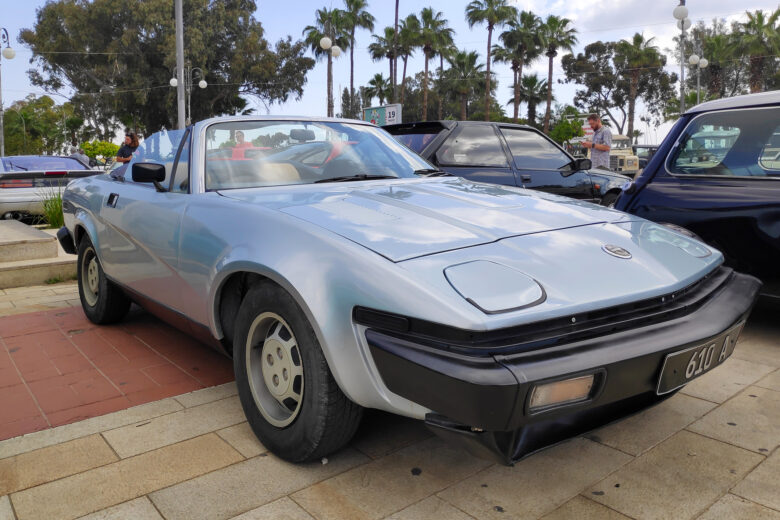
Triumph TR7
Marketed as the shape of things to come, the TR7 faced quality issues from day one during British Leyland’s tumultuous years. The 2.0-liter inline-four engine suffered frequent overheating, oil leaks, and electrical problems. Rushed assembly created build quality nightmares. Test cars could not complete full circuits without drinking float bowls dry for mysterious reasons. Resale values remain low despite distinctive wedge styling.
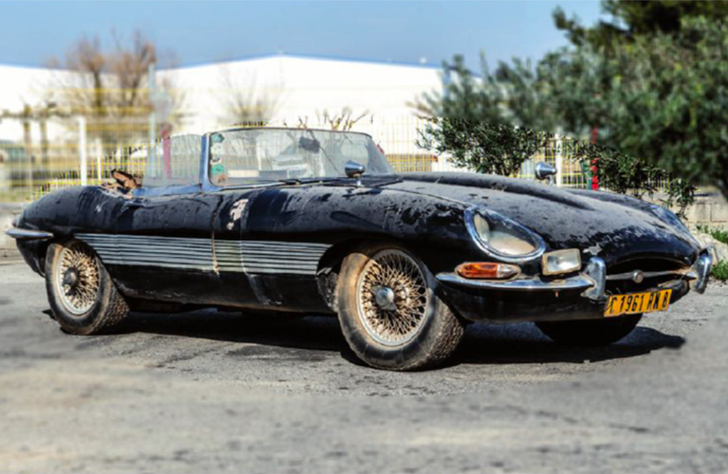
Jaguar E-Type
Widely regarded as one of the most beautiful cars ever made, the E-Type disappointed with poor build quality and electrical failures. Lucas electrical systems earned a notorious reputation for unreliability, causing frequent component failures. Rust consumed subframes, making maintenance nightmares for many owners. The V12 engine suffered from overheating, oil leaks, and expensive repairs. Accessing the rear spark plugs required hours of dismantling work.
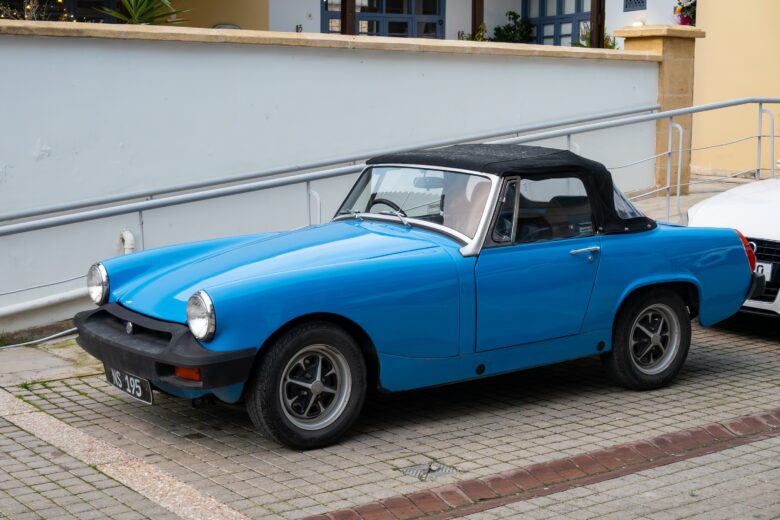
MG MGB
One of the best-selling British roadsters offered affordable sports car ownership but delivered significant reliability headaches. Rust, especially in sills and floorpans, was extremely common. Its electrical components proved notoriously unreliable, causing constant frustration. Engines struggled with overheating and persistent oil leaks requiring regular attention. The charming roadster spent more time in garages than on roads.

Fiat 124 Spider
Stylish Italian roadster proved notorious for rust and electrical failures typical of era Fiats. The lively engine could be unreliable with common overheating and oil leak problems. Electrical systems failed regularly, making cars difficult to keep running smoothly without frequent, expensive repairs. Body panels and undercarriages succumbed to rapid rust deterioration. Italian styling came with reliability compromises.
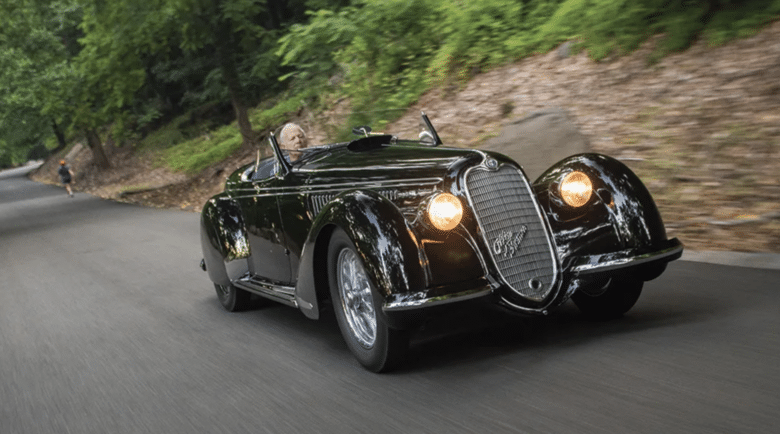
Elegant Italian styling and lively handling earned loyal followings despite persistent problems. Like many Italian cars of its era, it was prone to rust, particularly in body panels and undercarriage. Unreliable electrical systems led to constant issues with lights, instruments, and engine electronics. Ownership became a labor of love requiring patience and deep pockets for repairs.
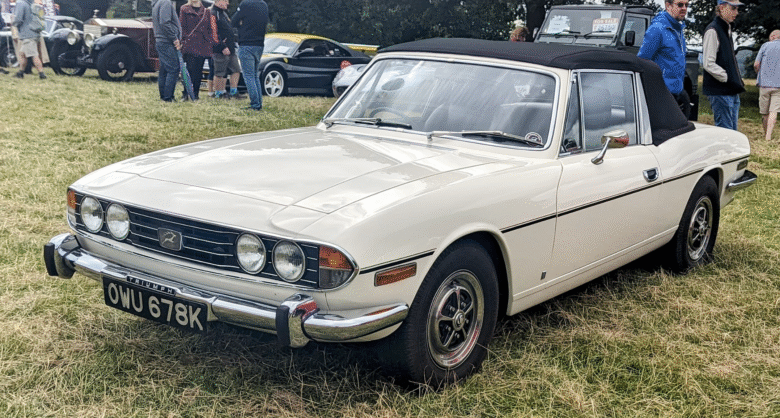
Triumph Stag
Distinctive design and V8 engine intended for luxury sports car status, but quickly gained terrible reliability. The engine was prone to overheating due to poor cooling system design, often causing head gasket failures. Inconsistent build quality and electrical gremlins further tarnished reputations. Good looks and comfortable rides could not overcome chronic mechanical failures.

Great car disguised as a bad one when appearing in 1975 as the flagship model. Original V12 form offered superlative touring with Lada-quality build standards. Suspensions sagged prematurely while trunklids and buttresses rusted badly despite premium pricing. Interiors grew damp from blocked water channels requiring constant attention and maintenance efforts.
Wrap up
Beauty does not guarantee reliability in classic automobiles throughout automotive history. These gorgeous disasters prove that thorough research prevents expensive restoration nightmares for enthusiastic collectors. Pristine examples command significant premiums today because surviving examples overcame serious mechanical shortcomings through dedicated owner commitment and persistence.
Ask us! What questions do you have about content, strategy, pop culture, lifestyle, wellness, history or more? We may use your question in an upcoming article!
Related:
- 12 car features that were banned for a reason (and why we want them back)
- 15 nostalgic (& ugly) ’70s cars
Like MediaFeed’s content? Be sure to follow us.
This article was syndicated by MediaFeed.org.