
This article was reviewed by Darragh O’Carroll, MD.
Key Takeaways:
- Medical weight loss is a personalized, medically supervised approach that goes beyond diet and exercise to address biological, hormonal, and behavioral factors affecting weight.
- Prescription weight loss medications, including GLP-1 and GIP agonists, can be highly effective tools when paired with lifestyle changes and medical oversight.
- The right medical weight loss plan depends on your unique health history, goals, and risk factors. To identify what’s best for you, partner with a qualified healthcare provider who can evaluate you.
Between considering nutrition, exercise, and perhaps even some supplements, a weight loss journey can feel like navigating a complex maze.
Ultimately, weight management is personal and is deeply intertwined with your biology, hormones, and other factors that make you, well, you.
Sometimes, lifestyle modifications, while important, aren’t enough to move the needle — or in this case, the number on the scale. That’s where men’s medical weight loss can help. Think of it as a personalized, medically guided approach you’ll see out alongside your trusted healthcare provider.
Here, learn more about what medical weight loss means, what it entails, and whether it could be a good fit for your needs.
What Is Medical Weight Loss?
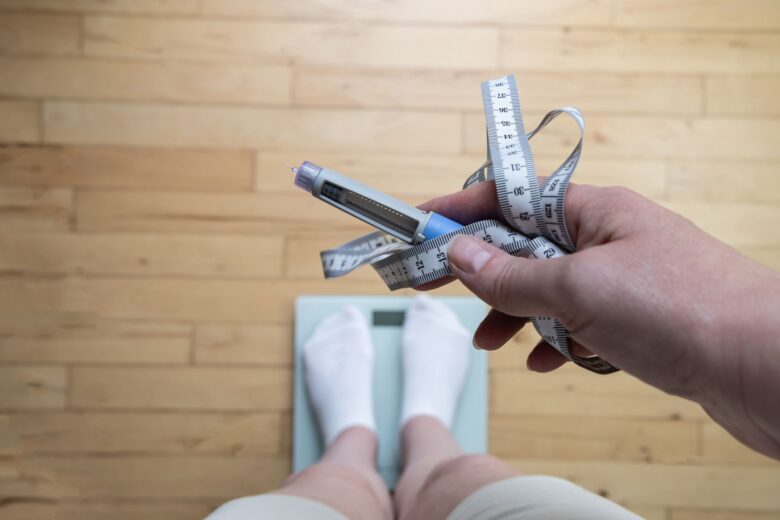
Weight loss is typically associated with the combination of a calorie-restricted diet and an intentional exercise regimen. Medical weight loss takes things a step further by adding in a comprehensive strategy, with physician support, to achieve sustainable results.
Medical weight loss is a personalized plan that typically includes not only tailored diet, exercise, and lifestyle guidance, but also prescription medications and behavioral counseling.
The main component that separates medical weight loss options from other weight management strategies is medical oversight. This helps ensure that the recommended interventions are safe, effective, and appropriate for your unique needs. Medical weight loss also crucially acknowledges that obesity is a complex medical condition that requires an appropriate, personalized, and often ongoing medical strategy to address.
“A major misconception is that we can pinpoint a single cause behind a person’s weight challenges, and that treatment has a clear endpoint,” says Craig Primack, MD, Senior Vice President of Weight Management at Hims & Hers. “In reality, we often don’t know precisely what’s driving someone’s weight gain. Every person’s weight loss journey is different, and so should be the ongoing, flexible strategy to maintain it.”

When Is Medical Weight Loss Appropriate?
If weight loss were simple, rates of obesity wouldn’t be climbing, and there simply wouldn’t be so much discussion around weight management.
For many people, carrying extra weight isn’t the result of a lack of effort, but rather a battle against biological forces. For example, a unique combination of appetite-regulating hormones, genetics, metabolism, sleep problems, stress, and even certain medications can make weight loss harder to achieve.
Medical weight loss is often appropriate for those who have struggled with traditional methods, who have health conditions that excess weight exacerbates, or who are facing significant obesity-related health risks.
Medical weight loss offers a structured, medically supported pathway to better health that goes beyond the basics.

Is Medical Weight Loss Right for You?
Whether medical weight loss is right for you depends on a number of factors, including your health profile, medical history, and your weight loss goals.
Lifestyle optimization is a foundational aspect for anyone looking to lose weight and better their overall health. With this in mind, auditing your diet and exercise habits and identifying areas for improvement is a great first step.
Prescription weight loss medications may be considered for adults who meet specific criteria:
- Body mass index (BMI) of 30 or higher (obesity).
- BMI of 27 or higher (overweight) with at least one weight-related health condition, such as high blood pressure (hypertension), type 2 diabetes, high cholesterol, or sleep apnea.
Numbers aside, good candidates for prescription weight loss medications have tried and struggled with conventional weight loss methods, are committed to making lifestyle changes alongside medication, and are willing to engage in regular medical monitoring. They understand that medication is a tool, not a quick fix, and that sustained success requires effort, consistency, and partnership with their healthcare provider.
On the flip side, medical weight loss may not be appropriate for some people, as having certain underlying medical conditions might make weight loss medications unsafe.
For example, individuals with a history of pancreatitis, gallbladder disease, or a personal or family history of medullary thyroid carcinoma (a rare form of thyroid cancer) should generally avoid GLP-1 agonists, though evidence is limited. Additionally, those with heart conditions, high blood pressure, or anxiety might need to avoid stimulants used for weight loss, like phentermine.
A thorough medical evaluation — including blood tests and a detailed discussion of your health history — is crucial to determine which, if any, medication is both safe and potentially effective for you. This personalized approach mitigates risks and maximizes the potential for positive outcomes.

What Medical Weight Loss Strategies Include
Medical weight loss is a comprehensive, personalized strategy to help understand what factors are contributing to trouble losing weight and effectively address them.
This often includes lifestyle changes related to nutrition, exercise, and mental well-being, as well as weight loss medications.

Nutrition Optimization
While one nutrient, meal, or dessert won’t make or break your weight loss journey, the overall nutritional quality of your diet matters.
Working with a registered dietitian can help you develop a personalized, sustainable eating plan that’s nutritionally adequate, nutrient-dense, and supports your health and weight loss goals.
Rather than getting tied up with restrictive diets or supplements, approaching nutrition from a standpoint of quality, portion control, and mindfulness can help you cultivate a positive relationship with food that will serve you for years to come.

Exercise Intentionally
In addition to being an effective tool for weight management, physical activity is essential for maintaining heart health, muscle maintenance, mood, and overall wellness.
What’s most important is finding activities that you enjoy doing. This increases the likelihood that you’ll be able to stick to them consistently and challenge yourself along the way.
Current guidelines suggest you do a minimum of 150 to 300 minutes of moderate-intensity (or 75 to 150 minutes of vigorous-intensity) aerobic (cardio) exercise per week to support general health and weight management. You should also do at least two days per week of strength and resistance training.
In practice, this routine might look like doing a combination of other activities, like swimming, lifting weights, playing basketball, jogging, cycling, and using resistance bands. For more ideas, read our guide to weight loss workout plans for men.

Behavioral Therapy and Mindset
Eating isn’t always just about the food. What we eat is often wrapped up in emotions, whether positive, negative, celebratory, stress-related, or habitual.
Cognitive behavioral therapy (CBT) can be extremely beneficial as a complement to medical weight loss. CBT in this context is designed to help identify and address underlying psychological factors that contribute to eating habits, unintentional weight gain, or trouble losing weight.
CBT can also help people understand and manage emotional eating triggers, develop non-food coping mechanisms for stress, improve sleep hygiene, and build self-compassion. Mental well-being is a critical and often overlooked component of sustainable weight management — and it’s key to medical weight loss success.

Prescription Medications for Weight Loss
The landscape of prescription weight loss medications has evolved significantly in recent years. For many, newer options may be more effective and pose fewer side effects.
Current medications target various physiological pathways involved in appetite, satiety, and metabolism. In this way, they function as complementary tools to support weight management when used appropriately and under medical supervision.
Some of the key players revolutionizing the medical weight loss landscape include these medications:
- GLP-1 receptor agonists: Semaglutide (Ozempic ® and Wegovy ®) and
- GIP receptor agonists or dual agonists: Tirzepatide (Mounjaro® ).
GLP-1s and GIP are natural hormones your gut produces, and they play central roles in your body’s hunger and satiety cues. When you eat, your body releases GLP-1 (glucagon-like peptide 1), which tells your brain that you’re full, slows down how quickly your stomach empties (so you feel full for longer), and stimulates the release of insulin to manage your blood sugar. GIP also promotes satiety and is sometimes paired with GLP-1 in a dual-action weight loss medication.

How They Work
The weight loss injections mentioned above were initially developed to manage type 2 diabetes, but because they can effectively lower blood sugar, researchers also noticed that those using the drugs were also experiencing substantial weight loss.
Long story short: The Food and Drug Administration eventually approved several of them specifically for effective medical weight management in approved candidates. Here’s the gist of how they work.
Semaglutide mimics and amplifies the effects of your natural GLP-1 supply, essentially turning up the volume on your body’s “I’m full” signals. Tirzepatide also does this, but by mimicking GIP, which has additional effects on your satiety and metabolism.
The result with either medication is less “food noise,” reduced appetite, fewer cravings, and an overall greater sense of satisfaction with smaller portions. These medications are most effective when used as a complementary tool to the lifestyle changes we outlined above.

Side Effects
GLP-1 medications can come with side effects. The most frequently reported are digestive symptoms, like nausea, vomiting, diarrhea, or constipation, particularly when starting or increasing the dose. Much less commonly, people can experience pancreatitis or certain thyroid tumors.
Side effects are another reason why medical supervision is central to this approach to weight loss. And if you’re curious about whether weight loss medications are covered by insurance, read our guide.

Other Prescription Medications for Weight Loss
GLP-1 agonists aren’t the only prescription medication that may aid in your weight loss goals. Several other effective options are available for you to discuss with your healthcare provider. These include:
- Contrave®. This is a combination medication containing bupropion (an antidepressant) and naltrexone (an opioid antagonist used for substance dependence). In the context of weight loss, it can help reduce cravings for highly palatable foods by blocking certain reward pathways in the brain. It might cause side effects like nausea or upset stomach.
- Phentermine/topiramate (Qsymia®). Phentermine (a stimulant and appetite suppressant) combined with topiramate (an anticonvulsant that also has weight loss properties) can help suppress appetite and increase feelings of fullness. It’s usually prescribed for shorter durations. Side effects can include dry mouth, increased heart rate and blood pressure, tingling, altered taste, and brain fog.
- Orlistat (Xenical®/Alli®). This medication acts in your digestive system on enzymes that break down dietary fat (lipase), thereby preventing your body from absorbing around one-third of the fat you eat (which is excreted in waste instead). Eating high-fat meals while using this drug can lead to significant digestive side effects, such as oily spotting, gas with discharge, oily stools, and urgent bowel movements.

Where to Access Options for Medical Weight Loss
First, make sure to work with a trusted healthcare provider. You shouldn’t embark on medical weight loss without appropriate medical supervision. Your primary care physician (PCP) is often the best starting point. If your situation is complex or requires specialized expertise, your PCP can then refer you to a weight loss specialist or endocrinologist.
After a qualified provider assesses your overall health and identifies potential contraindications, you can discuss your best path forward. If you opt to take a prescription medication for weight loss, your provider will regularly monitor you for side effects, adjust medication dosages as needed, and provide essential guidance.

The Bottom Line
Your health is your most valuable asset. Medical weight loss can offer tangible results for guys who have long-term struggled with their weight. Collaborating with a trusted healthcare provider to target personalized weight loss through lifestyle changes, mental health support, and weight loss medications is an effective trategy for many folks.
FAQs
It’s normal to have questions about medical weight loss. We’ve compiled some answers to common inquiries guys have below.

How quickly can I expect to lose weight with medical weight loss?
Weight loss varies from person to person based on medication type, dosage, lifestyle changes, and biological differences. Many individuals begin noticing changes within the first several weeks to months.

Do I have to stay on weight loss medication forever?
Not necessarily. Some people use medication on a short-term basis to jump-start progress, while others may benefit from longer-term treatment. Your provider will help determine the most appropriate duration and plan for tapering or transitioning off medication if and when it’s appropriate.

Can I use medical weight loss if I don’t have any health conditions?
Yes. If you meet BMI criteria and have struggled with traditional weight loss approaches, you may qualify even without other chronic conditions. However, a provider must first assess whether medications are safe and suitable for you.

Will I still need to diet and exercise if I take weight loss medication?
Yes. Medications can enhance — but not replace — the effectiveness of lifestyle changes. Optimal results come from combining medication with nutrition, regular physical activity, and behavior-support strategies.

What happens if I experience side effects?
Some side effects of certain medications (especially digestive symptoms) are common when starting or increasing the dose of a weight loss medication. Your provider can adjust your dosage, recommend supportive strategies, or switch medications if needed.
Related:
Like MediaFeed’s content? Be sure to follow us.
This article originally appeared on Hims.com and was syndicated by MediaFeed.org.