7 defunct burger joints that were better than today’s chains
Before McDonald’s and Burger King dominated every corner, regional chains served flame-broiled perfection, making today’s offerings taste like cardboard. These burger joints understood that quality beats convenience. Their disappearance left holes in hearts and stomachs that Big Macs cannot fill.

Burger Chef invented kids’ meals
Burger Chef reached 1,200 locations by 1972, second only to McDonald’s. Their flame broiler cooked 800 burgers hourly, maintaining perfect char. The Big Shef and Super Shef outshone anything available today. Burger Chef created the Funmeal bundling toys with food six years before Happy Meals. General Foods sold them to Hardee’s in 1982. The final location closed in 1996.

Gino’s Giant beat the Big Mac
NFL Hall of Famer Gino Marchetti opened Gino’s Hamburgers in 1957, combining sports memorabilia with sirloin steak burgers. The Gino Giant arrived before McDonald’s copied the concept. Gino’s peaked at 359 locations serving quality modern chains and was abandoned. They partnered with KFC, offering fried chicken alongside burgers. Marriott purchased Gino’s in 1982, converting locations to Roy Rogers. The last closed in 1986. Note that Gino’s now exists as a fast-casual restaurant, but is no longer a fast-food chain.
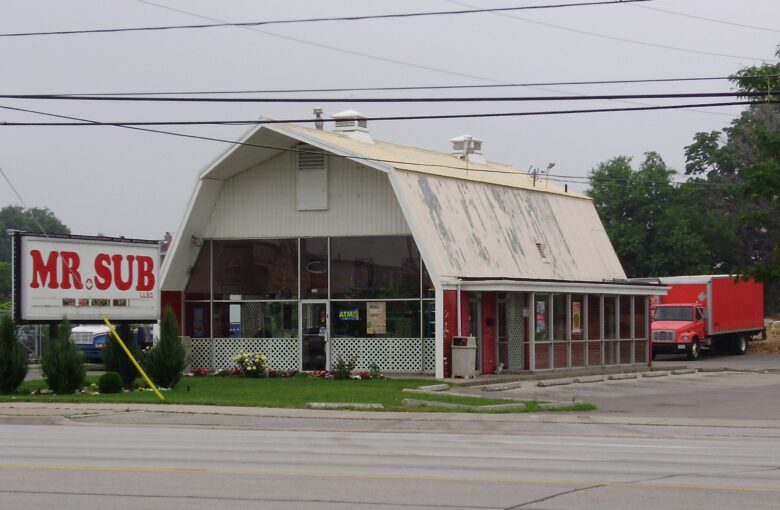
Red Barn pioneered salad bars
Red Barn grew to 400 locations across 19 states, housed in distinctive barn-shaped buildings. The Big Barney preceded the Big Mac by several years. Their self-service salad bar revolutionized fast food. Chicken dinners cost 99 cents, including three pieces, fries, coleslaw, and rolls. New owners stopped advertising in 1978. The chain vanished by 1988.

Wetson’s ruled New York
Wetson’s operated 70 locations throughout greater New York during the 1960s and early 1970s. Brothers Herb and Errol Wetanson studied McDonald’s original restaurant, then improved everything. The Big W rivaled any burger today. Fifteen-cent burgers and ten-cent fries drew crowds. McDonald’s and Burger King invaded New York with corporate muscle. Nathan’s Famous absorbed Wetson’s in 1975.
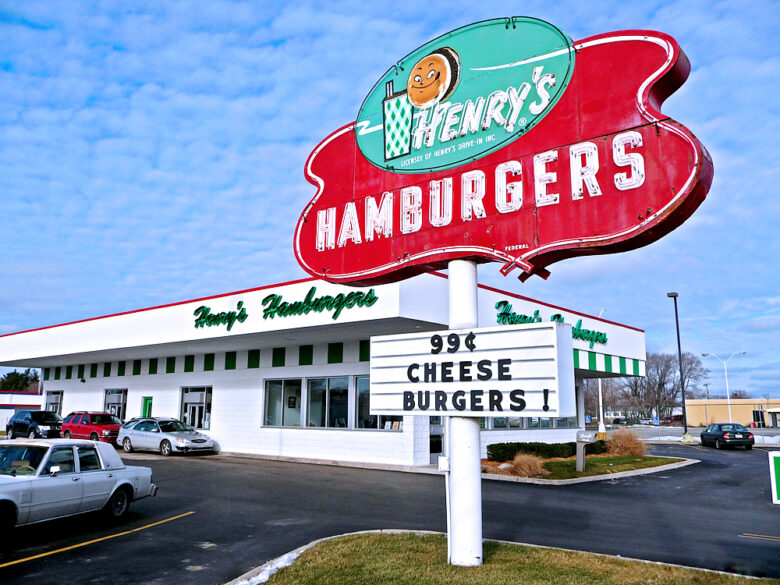
Henry’s Hamburgers beat McDonald’s
Henry’s grew to over 200 locations across 35 states, actually outselling McDonald’s during the 1960s. Their ten-burger-for-a-dollar deal represented unbeatable value. Fresh-cut fries and orange soda became legendary. Henry’s refused to adapt to drive-thru trends. Only one location survives in Michigan.

White Tower copied excellence
White Tower reached 230 locations by the 1950s despite lawsuits from White Castle. Their white fortress buildings delivered consistent quality. Locations near train lines worked until cars dominated. The chain couldn’t compete with drive-thru convenience. The final location closed in 2004.

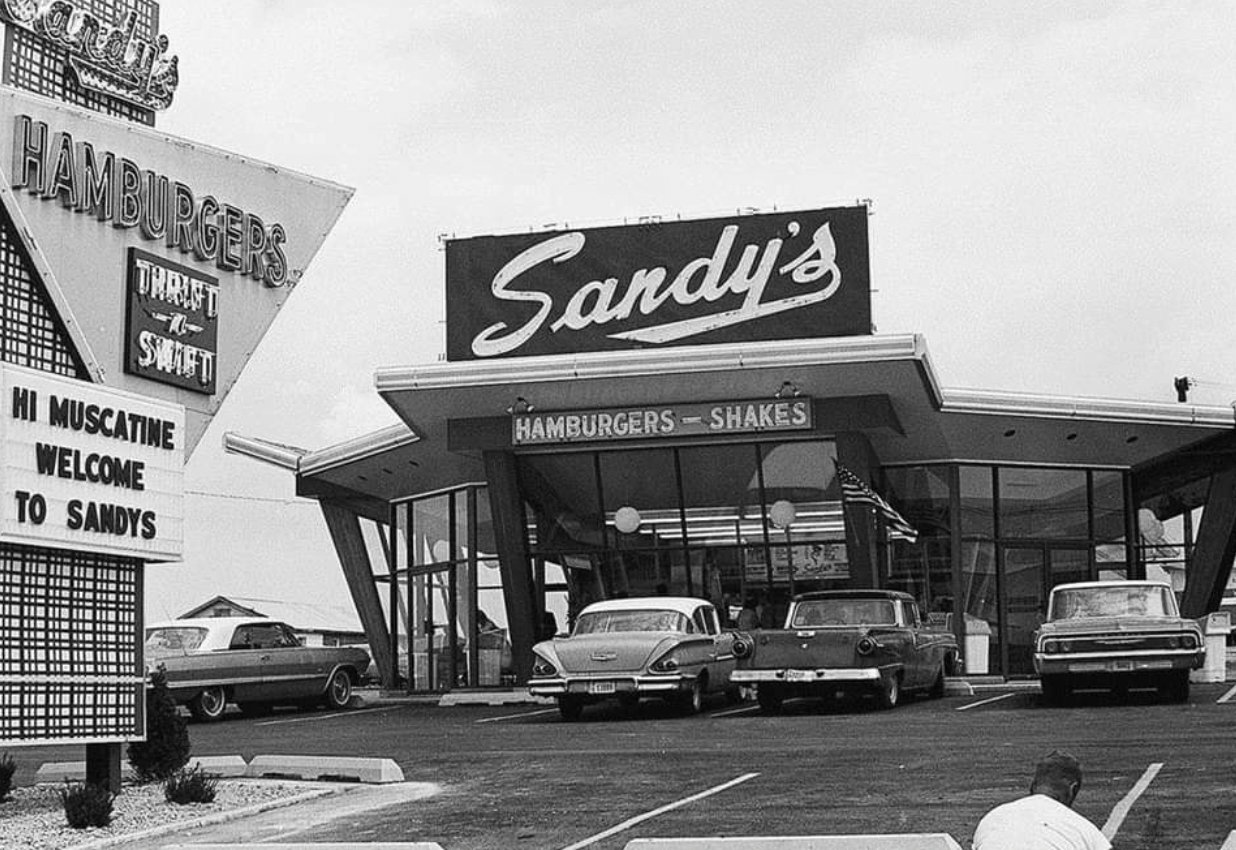
Sandy’s started from rejection
Four entrepreneurs denied McDonald’s franchises created Sandy’s in 1958. The Scottish-themed chain expanded to 240 locations across 20 states. Their Big Scot burger offered superior beef at lower prices. Hardee’s merged with Sandy’s in 1972, erasing the name by 1979.
Wrap up
These chains understood modern corporations forgot: burgers require quality beef, proper flame broiling, and reasonable prices. Today’s chains prioritize speed and profit over taste. Their processed patties, microwaved buns, and inflated prices represent everything wrong with fast food. Those who remember these originals know what we lost.
Ask us! What questions do you have about content, strategy, pop culture, lifestyle, wellness, history or more? We may use your question in an upcoming article!
Related:
- From Favorite Haunts to Ghost Towns: 10 Restaurants Americans Lost an Appetite for
- Old-school, discontinued fast food menu items that give us serious nostalgia
Like MediaFeed’s content? Be sure to follow us.
This article was syndicated by MediaFeed.org.