Famous American companies you forgot ever existed
From once-dominant airlines to beloved toy stores, countless American companies that defined entire industries have vanished completely. These brands shaped consumer culture for generations before changing markets and strategic missteps erased them from existence.
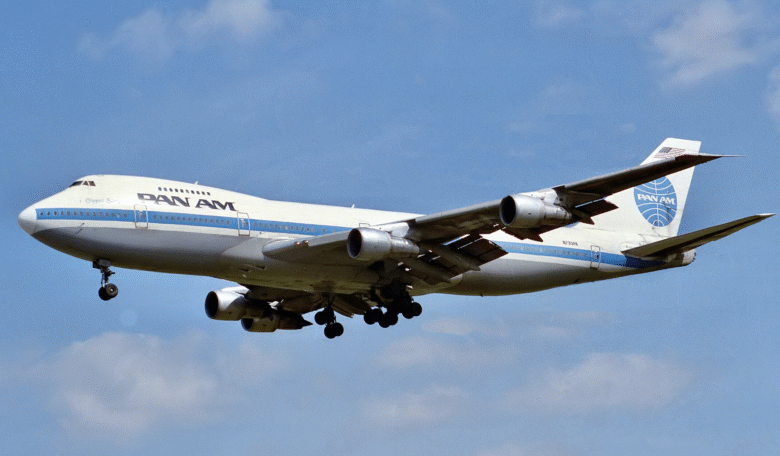
Pan Am
The most glamorous airline in aviation history shut down in 1991 after 64 years. Airline deregulation in 1978, oil crisis fuel costs, and poor acquisition decisions created unsustainable expenses that competitors exploited.

RadioShack
Once a hobbyist paradise, RadioShack filed for bankruptcy in 2015 after failing to adapt to online retail. The chain that built early personal computers couldn’t compete when Amazon and Best Buy dominated electronics sales. Note that in 2023, the company was acquired by Unicomer Group.
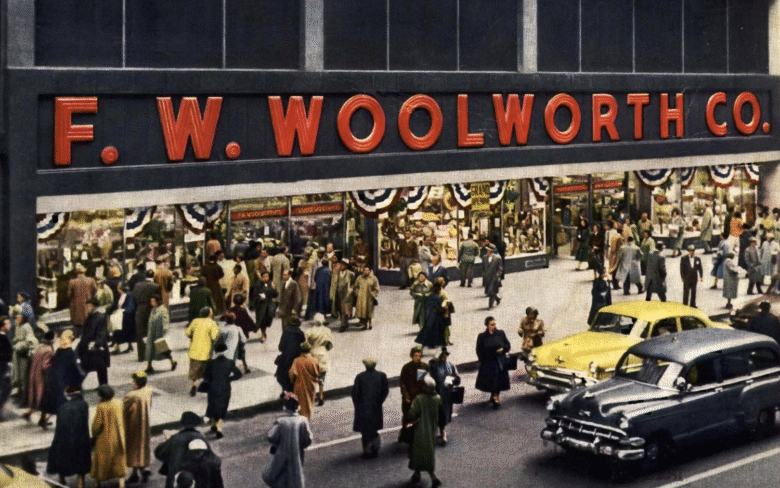
Woolworth’s
The five-and-dime pioneer that invented fixed-price retail closed its final 400 stores in 1997. Discount chains like Walmart offered lower prices while malls provided better shopping experiences than aging downtown locations.

Blockbuster Music
This retail experiment launched in the 1990s when Blockbuster Video acquired music chains. The brand disappeared as digital downloads through iTunes and Napster eliminated demand for physical CDs.

Borders Books
The bookstore chain filed for bankruptcy in 2011 after outsourcing online sales to Amazon from 2001 to 2008. While Barnes & Noble developed the Nook e-reader, Borders’ late entry with Kobo couldn’t save the struggling retailer.
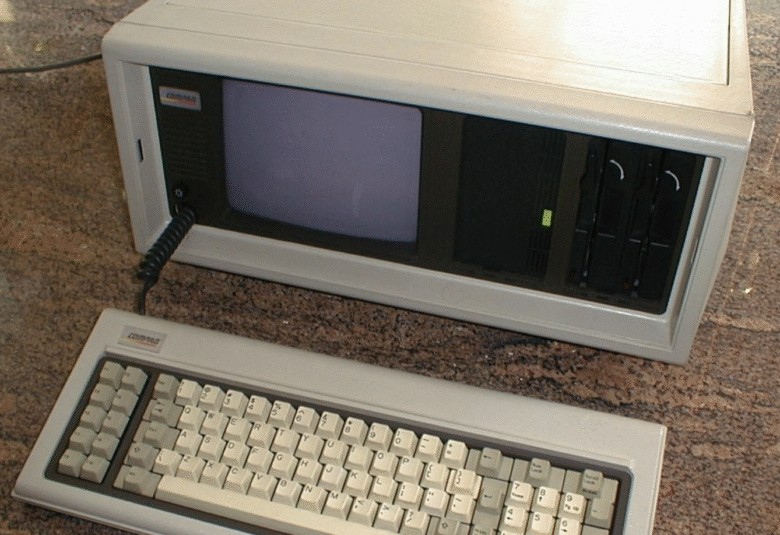
Compaq
Once the world’s largest PC manufacturer, Compaq was acquired by HP for $25 billion in 2002. The disastrous Digital Equipment Corporation acquisition and Dell’s direct-sales model destroyed market share.
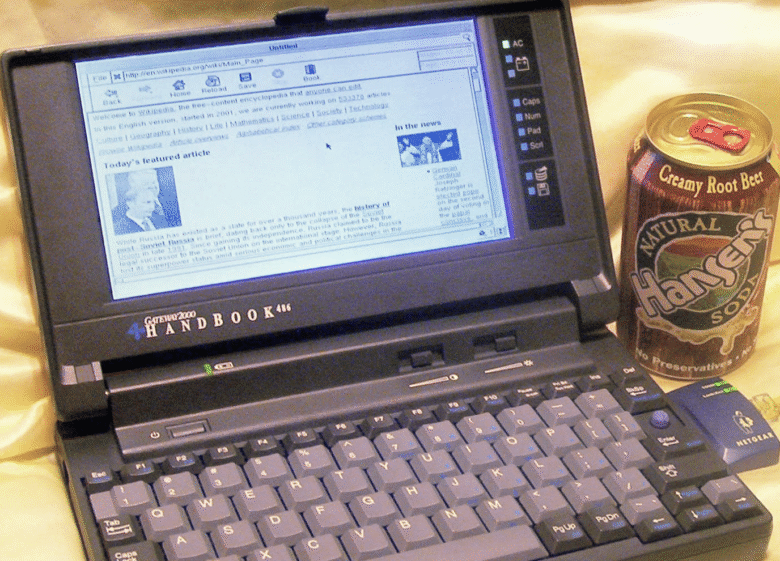
Gateway
The cow-spotted computer boxes became obsolete as consumers shifted from desktops to laptops. Acer bought Gateway for just $710 million in 2007 after the company failed to adapt its rural distribution model.
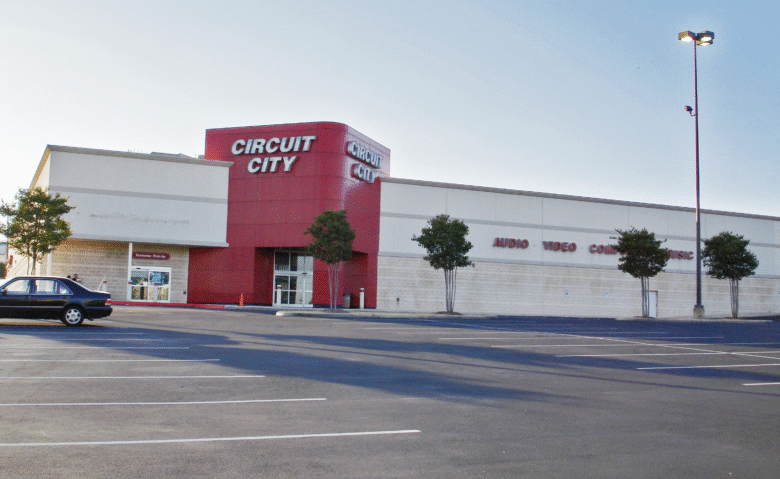
Circuit City
The electronics giant filed for bankruptcy in 2008 and was liquidated by March 2009. Firing experienced salespeople in 2007, combined with Amazon’s rise and Best Buy’s service, proved fatal.
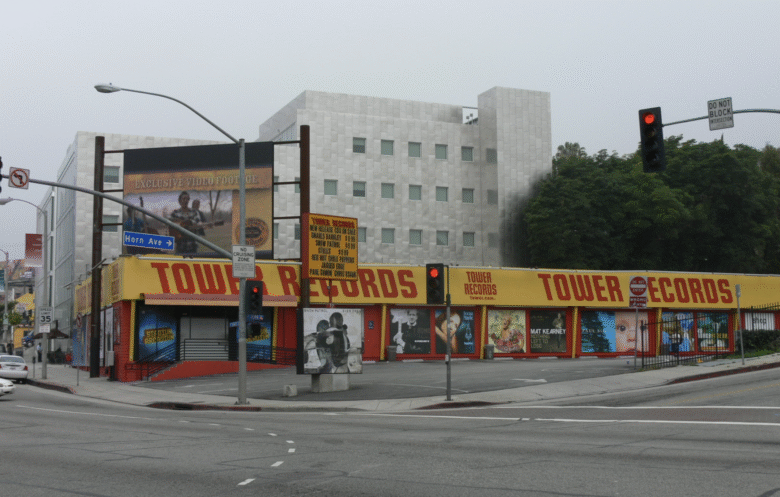
Tower Records
Digital music killed the iconic music retailer. Tower Records closed all 89 U.S. stores in 2006 after filing for bankruptcy twice. iTunes and Napster eliminated the need for physical media, while debt from aggressive expansion crushed operations.

Pets.com
The sock puppet mascot became synonymous with dot-com excess. Pets.com burned through $300 million in less than two years before shutting down in November 2000, just 268 days after going public.
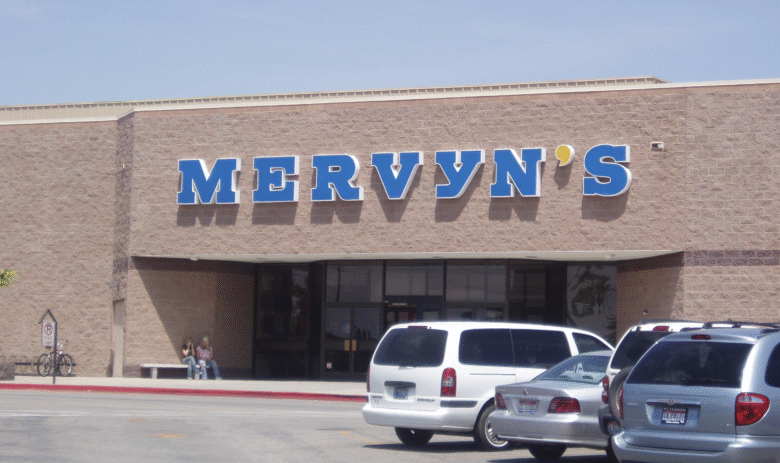
Mervyn’s
The middle-class department store chain that served suburban families closed all 149 stores in 2008 after filing for bankruptcy. The retailer couldn’t compete with Target and Walmart, while a leveraged buyout stripped valuable real estate assets.
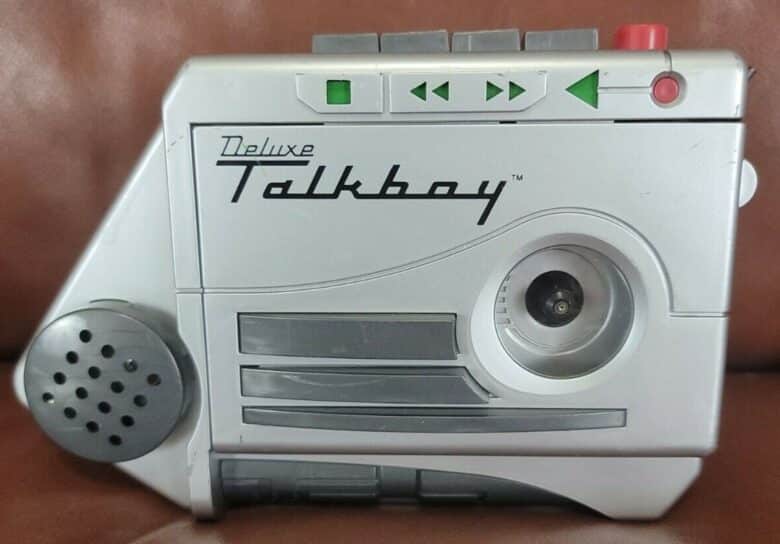
KB Toys
The beloved mall toy store filed its final bankruptcy in December 2008 and closed all 461 locations by February 2009. Declining mall traffic, competition from big-box retailers, and crushing debt ended the chain.

Wrap up
These vanished American retailers remind us that even mighty brands can disappear when they fail to adapt to rapidly changing times. Whether crushed by digital disruption, outmaneuvered by competitors, or saddled with debt, each demise offers lessons about survival.
Related:
- Forgotten ads from the ’70s that absolutely wouldn’t fly today
- Take a brain break & guess what these vintage ad taglines are advertising
Like MediaFeed’s content? Be sure to follow us.
This article was syndicated by MediaFeed.org.