Having a bad day? These ’80s songs are perfect for a good cry
It’s undeniable that the ’80s produced some of the most emotionally charged songs in pop and rock history. Dance music and post-disco were taking the stage, but sadder songs made appearances in the form of power ballads and heartfelt lyrics.
Music is proven to be a powerful tool for providing catharsis. Nostalgia, powerful vocals, and lyrics that resonate with audiences altogether create an experience that can offer emotional release on a tough day. In this article, we’ve rounded up a diverse list of tear-jerking ‘80s tracks. If you need to let out a good, wallowing cry, these songs are the best solution.

With or Without You by U2 (1987)
As with most sad songs, the Irish band wrote this song about a troubled relationship between two lovers. In an interview with Rolling Stone, lead singer Bono said that “there is nothing more radical than two people’s loving each other, because it’s so infrequent,” a sentiment that resonates in the song. The band struggled to finish the song for months, but when guitarist The Edge brought in a prototype of the Infinite Guitar, things began to come together. Ultimately, the collaboration was a success, peaking at No. 1 on the US Billboard Hot 100.

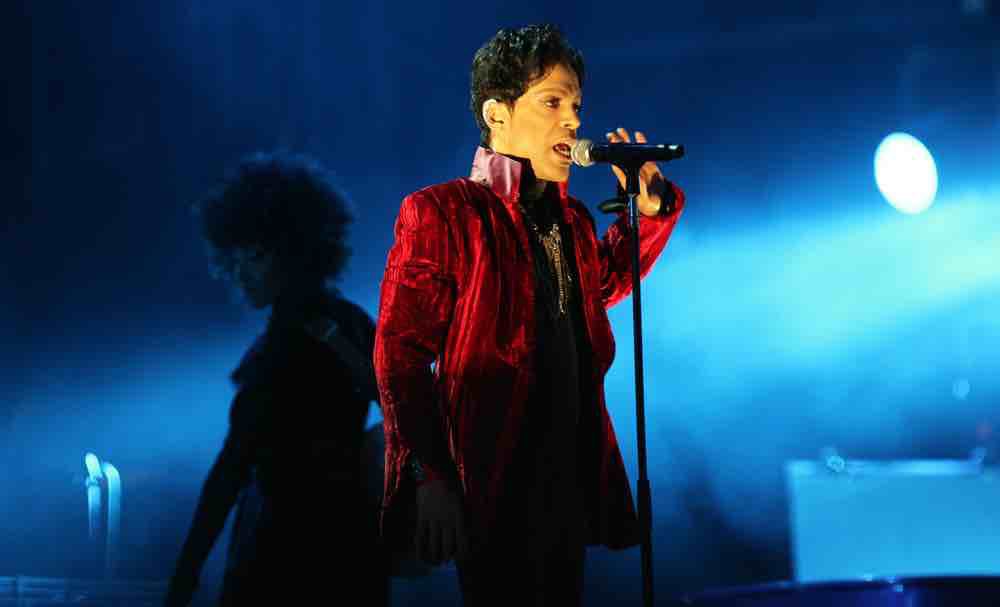
Purple Rain by Prince (1984)
Prince’s eight-minute-long iconic track was originally recorded during a benefit concert in Minneapolis, with overdubs done later in a Los Angeles studio. According to Prince, the song is about experiencing the end of the world with both faith and the one you love. Purple rain symbolizes blood in the sky, with the red and blue mixing to create purple. The song was a major success when released, but re-entered the charts when Prince died in 2016.
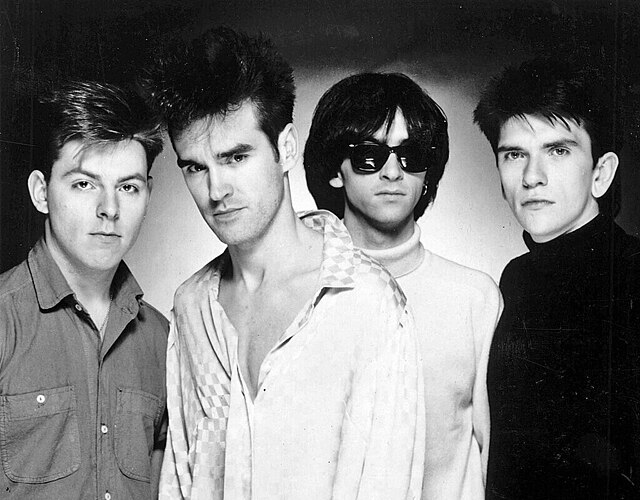
Please Please Please Let Me Get What I Want by The Smiths (1984)
Despite being one of The Smiths’ shortest songs, at just under two minutes, it has endured generational fame. The band’s lead guitarist, Johnny Marr, mentioned the “spookiness and sense of yearning” in the song, and the frontman Morrissey expressed regret at making it a B-side. Since its release, the song has been covered by multiple bands and featured in movies like “Pretty in Pink” (1986) and “Never Been Kissed” (1999).

Wicked Game by Chris Isaak (1989)
This song off of his third album was a sleeper hit, only gaining traction after it was featured in David Lynch’s movie “Wild at Heart.” Many have interpreted it as a song about unrequited love, but Isaak described it as a story about “what happens when you have a strong attraction to people that aren’t necessarily good for you.” The music video featured Victoria’s Secret model Helena Christensen and won Isaak two MTV Video Music Awards.
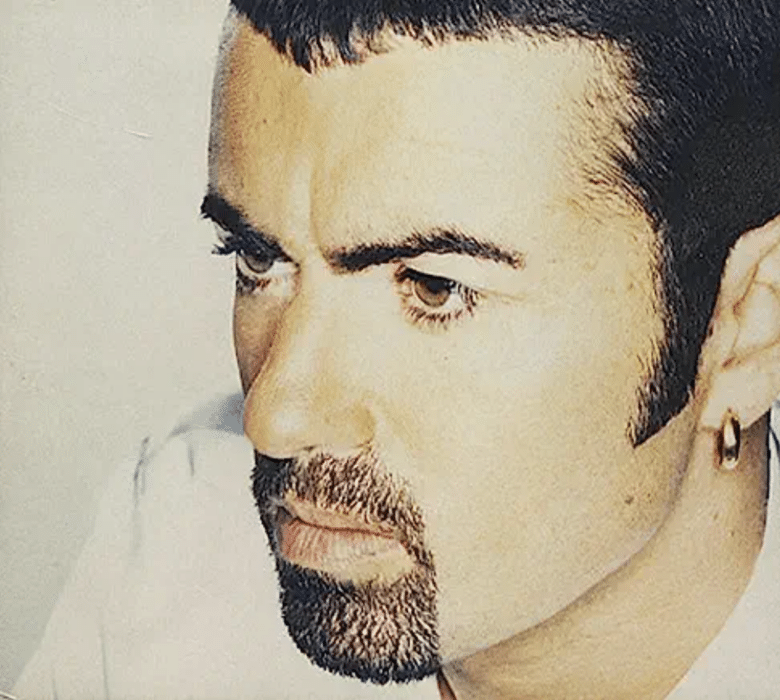
Careless Whisper by George Michael (1984)
The saxophone introduction to Careless Whisper is one of the most easily recognizable riffs in pop history. This feat becomes even more impressive, given that Michael wrote it on a bus when he was just 17 years old. After intense work on the demo, Michael played it one night at the restaurant where he DJ’ed. In his memoir, he said that “they had never before and the floor filled. I remember thinking — that’s a good sign.”
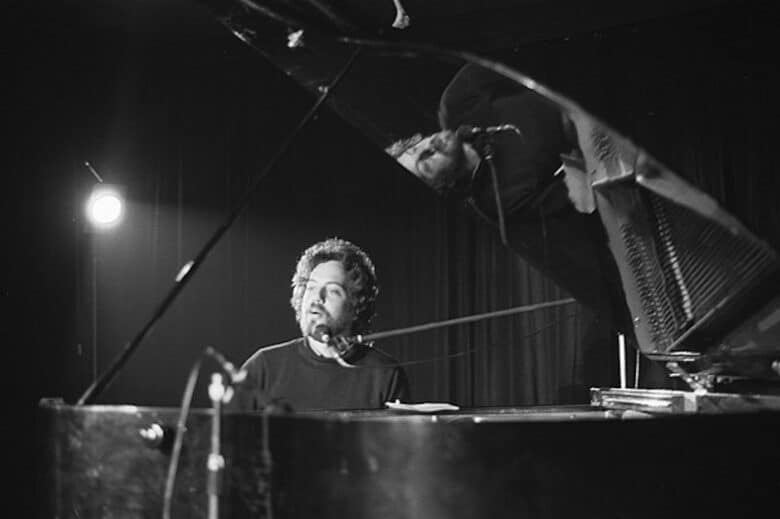
And So It Goes by Billy Joel (1989)
Joel wrote this song in 1983, keeping it in the vault for six years before releasing it. The song heartbreakingly tells the story of being left by a lover. It was written about his romance with Elle Macpherson, whom he dated when she was 19 and he was 34. The song is notable for being written in iambic tetrameter. In an interview with E! News at the Grammys, he, without hesitation, called it his most definitive song.

Another Day in Paradise by Phil Collins (1989)
In this poignant song, Collins tells the story of a man who ignores a homeless woman and inspires listeners to do what they can to fight homelessness. The inspiration for the song came when Collins witnessed homeless people sleeping on street grills near Capitol Hill. The topic generated controversy at the time, with some considering it out of touch for a wealthy singer to sing about poverty. Regardless, the song earned multiple awards, including Record of the Year at the 1991 Grammys.

Total Eclipse of the Heart by Bonnie Tyler (1983)
Total Eclipse ended up being the biggest hit of this Welsh singer’s career. The song was originally written by Jim Steinman, a composer who began in musical theater. The song was initially devised for a musical adaptation of Nosferatu, and was titled “Vampires in Love.” According to Steinman, the song is “all about the darkness, the power of darkness and love’s place in the dark.”

Time After Time by Cyndi Lauper (1983)
Lauper wrote this song with Rob Hyman, a founding member of The Hooters, during a time when both were experiencing major life changes. Hyman had just ended a relationship, and Lauper was having issues with both her boyfriend and manager. The title, based on the 1979 movie of the same name, was supposed to be changed, but the duo found it integral to the story. The song gained newfound recognition with Gen Z after it was featured in an episode of Stranger Things.
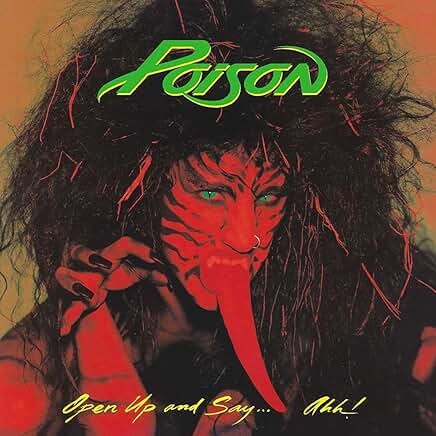
Every Rose Has Its Thorn by Poison (1988)
Lead singer Bret Michaels called his girlfriend at a payphone one night while his clothes were drying in the laundromat. When she picked up, he heard a male voice in the background, and was so devastated he went back inside to write this song. From there, it became their only No. 1 hit. The song regained popularity with younger generations when Miley Cyrus covered it on her 2010 album “Can’t Be Tamed.”
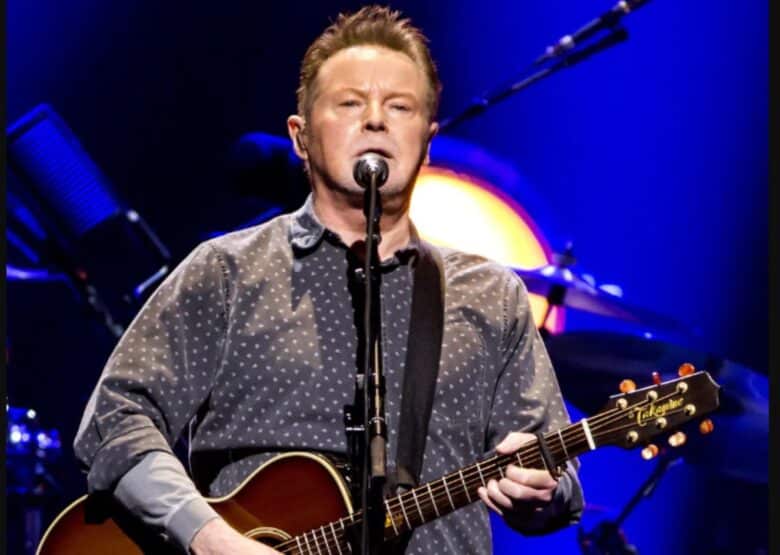
New York Minute by Don Henley (1989)
This song was recorded with the help of multiple instrumentalists from Toto. Henley, a founding member of The Eagles, ended up performing the song with the band during their 1994 “Hell Freezes Over” tour. The tour came after they had regrouped following a 14-year hiatus. The song is believed to be based on the Wall Street crash of October 1987, consistent with Henley’s political indignation at the time.
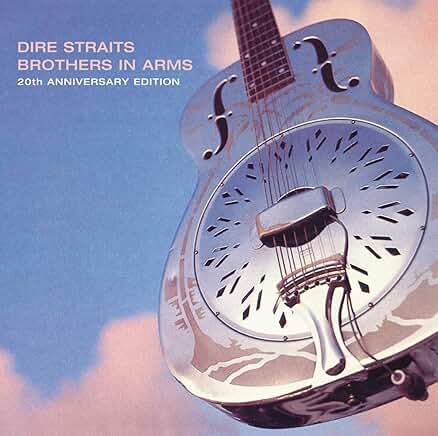
Brothers in Arms by Dire Straits (1985)
This English rock song was written in 1982, when Britain entered the Falklands War, an undeclared territorial conflict between the UK and Argentina. In 2007, the band’s lead singer, Mark Knopfler, commemorated the 25th anniversary of the dispute by re-recording the song. His objective was to raise funds for British veterans affected by the event. To this day, the song remains a well-loved anti-war anthem, frequently played at military funerals.
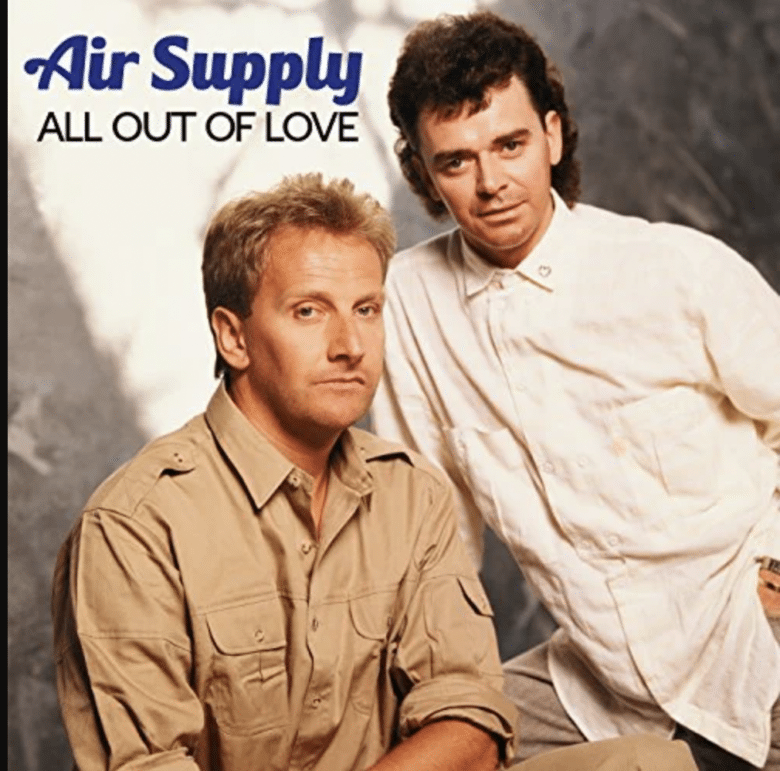
All Out of Love by Air Supply (1980)
Air Supply was a British-Australian soft rock duo, and this tragic song appeared on their fifth album. The song tells the emotional story of a man desperately trying to get his partner back after they separated due to his mistakes. The song broke records, as singer Russell Hitchcock held the last note for 16.2 seconds. For three years, this was the longest-held note for a male pop vocalist.

Fragile by Sting (1987)
When it was originally written, this song was dedicated to Ben Linder, an American civil engineer who was killed by anti-communist rebels while working on a hydroelectric project in Nicaragua. In 1994, he told The Miami Herald that the meaning constantly changes for him as he performs it. At that point, it reminded him of Bosnia and Yugoslavia, as they were in the midst of the Bosnian War. Sting continues to perform the song at benefit concerts and even sang it during a concert on the night of 9/11, with a heartfelt speech at the beginning.

Don’t Give Up by Peter Gabriel and Kate Bush (1986)
Gabriel’s inspiration for this song came from Dorothea Lange’s photographs of Americans enduring poverty during the Dust Bowl and Depression era. Unemployment in the UK under Margaret Thatcher offered more material for the story. The song is about a man whose unemployment creates strain in his romantic relationship. While his verses convey isolation and despair, Bush’s chorus contrasts with offers of encouragement and hope.
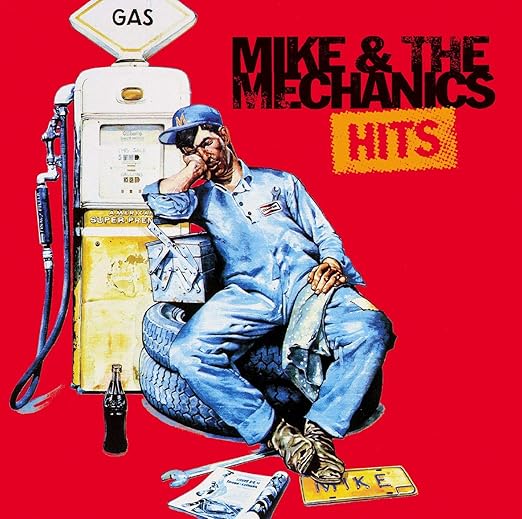
The Living Years by Mike + The Mechanics (1988)
When BA Robertson and Mike Rutherford came together to write this song, they realized both their fathers had died around the same year. Thus, they wrote a song about the grief and regret that come with losing a dad before reconciling differences. In an interview with Songwriting Magazine, Rutherford said that his generation “wanted to be anything but their fathers,” and big social change led to teenage boys not being able to talk with their fathers as they did before.
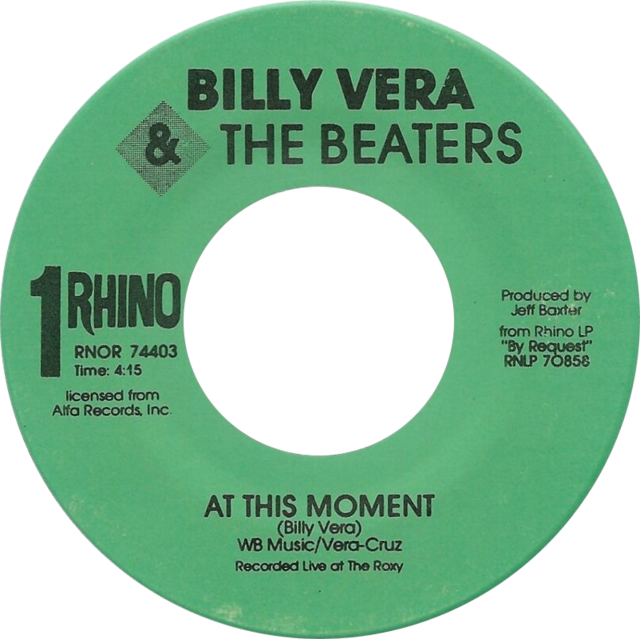
At This Moment by Billy Vera & The Beaters (1981)
Despite its 1981 release, the song didn’t take off until 1987. It was featured in multiple episodes of NBC’s Family Ties, becoming the love anthem for Alex P. Keaton (played by Michael J. Fox) and Ellen Reed (Tracy Pollan). The two actors ended up getting married in real life, and Fox once said that the two “couldn’t get on the dance floor anywhere in the world in the first ten years of our marriage” without this song playing.

Alone by Heart (1987)
The song was originally performed by i-Ten in 1983, but Heart’s power ballad cover did much better on the charts. Heart released it as part of their ninth album, and had Tom Kelly, one of the song’s original writers, sing the high harmony parts. The accompanying music video is appropriately dark and brooding, full of funeral attire and black horses. Celine Dion has also covered the song, along with John Stamos and Valerie Stevenson as a duet.
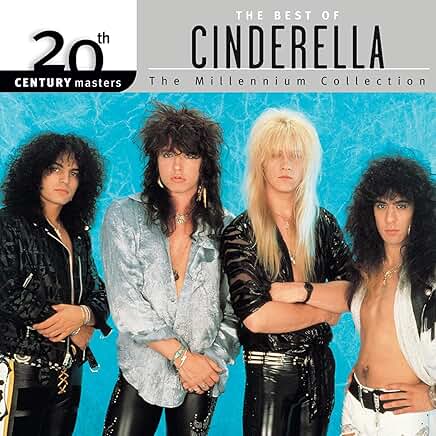
Don’t Know What You Got (‘Till It’s Gone) by Cinderella (1988)
This song from the band’s second album was a commercial hit, peaking at No. 12 on the Billboard Hot 100. Despite this ranking, music critics had generally negative reviews. According to lead singer Tom Kiefer, their tough-love producer, Andy Johns, started crying when Kiefer played the song on the piano. If Johns, a “hard-as-nails guy” was getting weepy at the song, it was sure to be a hit.

Conclusion
The music of the 80s combined raw emotion with melodies so unforgettable they can linger for decades. These musical characteristics make these the perfect tunes for lying in bed after a rough day, and taking some time to feel your feelings instead of pushing them down. Listening to nostalgic music that reminds us that we’re never alone in our struggles might be the first step to feeling better, and these heartfelt songs are here for you every step of the way.
Related:
- How retro routines are helping people unplug & unwind
- Old songs, deep calm: The science of nostalgic playlists
Like MediaFeed’s content? Be sure to follow us.
This article was syndicated by MediaFeed.org.