Retro holiday decorations that wouldn’t pass safety codes today
Holiday décor from the 1950s through the 1980s was bold, flashy, and sometimes downright dangerous. From flammable tinsel to electrical nightmares, some vintage decorations would give modern safety inspectors a heart attack and make us nostalgic at the same time.
Why holiday décor was riskier back then
Less strict safety regulations governed manufacturing during these decades. Materials that were flammable or toxic became standard components, from lead-based tinsel to asbestos fake snow. Bold experimental designs prioritized spectacle over practicality. Limited awareness of fire hazards or electrical codes meant no one questioned plugging 12 extension cords together. Cultural norms embraced a carefree attitude captured by the phrase that if it looked festive, it would be fine.
Christmas trees and ornaments
Aluminum trees with built-in lights created electrocution risks when the wiring frayed. Tinsel made of real lead dominated the 1940s and 1950s, poisoning children who touched or tasted the sparkly strands. Glass ornaments in high-traffic areas shattered constantly, sending mercury-filled shards across floors. Plastic trees with flammable coatings turned into torches when candles or hot lights touched their branches.
Lights and electrical hazards
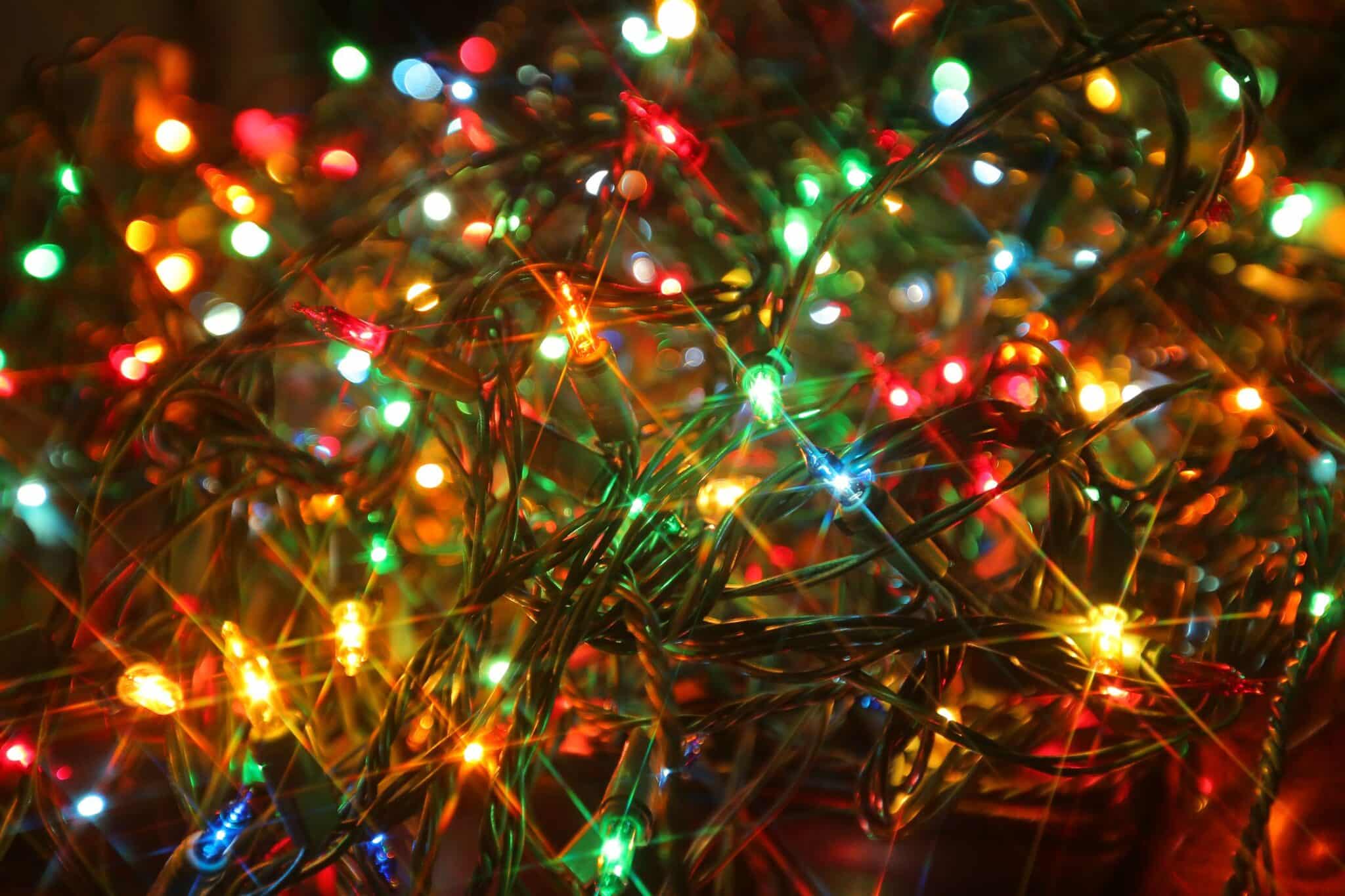
Early string lights prone to overheating started countless fires. Bubble lights popular from the 1950s through 1970s contained methylene chloride, a toxic chemical that poisoned people through skin contact or inhalation. Homemade extension cords or plug-ins lacked grounding and polarization. Indoor and outdoor lights used interchangeably created moisture problems: novelty blinking lights with exposed wiring invited shocks.
Holiday inflatables and props
Inflatable Santas or snowmen positioned near heaters melted or ignited. Animatronic figures with poor insulation shocked anyone who touched them. Window displays with exposed motors overheated and caught fire. The whimsical designs prioritized appearance while ignoring basic electrical safety.
Candles and flames
Real candles on trees remained common through the 1950s despite obvious fire risks. Floating candles or open flames in decorative displays ignited nearby paper decorations. Advent wreaths placed near curtains or papers started house fires annually. The romantic glow came with genuine danger that families accepted as a matter of course.
Novelty items
Firework-style sparklers, when used indoors, released toxic fumes and started fires. Decorative toy guns or sharp-edged toys hung as décor injured children who grabbed them. Hanging items from ceilings without secure supports crashed down during parties. Fake snow sprays contained asbestos, coating lungs with carcinogenic fibers.
Why they were popular despite risks
These decorations were bold, eye-catching, and conversation-starting. Cultural emphasis on spectacle and festivity outweighed safety concerns. DIY and experimental spirit encouraged creativity without caution. Nostalgia factor persists today, with survivors claiming they lived through it and it looked amazing.
Comparison to today
Modern safety standards require UL ratings and flame-retardant materials. LED lights replaced hot incandescent bulbs. Safer ornament designs eliminate toxic chemicals. Fire prevention awareness and regulations now mandate testing before products reach consumers.
Nostalgia and humor
Vintage ads and catalogs showcase absurd decorating choices with cheerful confidence. Playful commentary asks whether anyone would dare recreate these displays today. Extreme examples include trees dripping with lead tinsel positioned next to open flames, creating fire hazards modern families can barely imagine.
Food for thought
Retro holiday decorations might make us cringe today, but they also capture the fearless creativity and festive spirit of the past, even if a few sparks were involved. These dangerous ornaments remind us how far safety standards have progressed while preserving memories of simpler times when families decorated without worrying about UL certifications or flame-retardant requirements.
Related:
- Leipzig lights up: Sparkling photos & festive fun from Saxony, Germany’s holiday gem
- Why vintage design feels more grounding than modern minimalism
Like MediaFeed’s content? Be sure to follow us.
This article was syndicated by MediaFeed.org.