This week in car history: Dec 7-13
Each week in automotive history tells a story of innovation, ambition, and the shifting tides of industry. December 7 through 13 is no exception, offering a glimpse into moments that shaped both Japanese and American car culture. From the early roots of Mitsubishi, a company that would grow into a global automotive powerhouse, to the final chapter of America’s once-iconic Studebaker, this week highlights the rise, challenges, and enduring legacies of automakers navigating a rapidly changing world.
Dec 7 — Chevy Sales Record
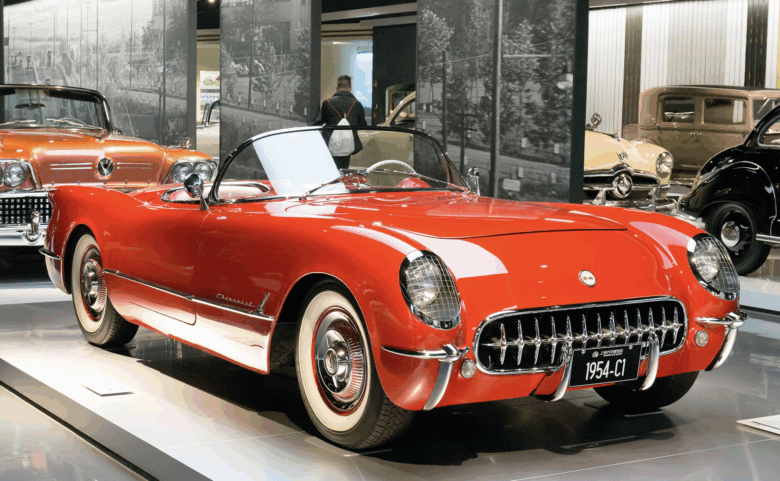
On December 7, 1965, Chevrolet celebrated a historic achievement in automotive production: the company had built three million cars in a single year for the first time. This milestone reflected not only Chevrolet’s popularity among American drivers but also the efficiency and scale of postwar auto manufacturing. By the mid-1960s, Chevrolet had firmly established itself as a leader in the industry, offering a wide range of models that appealed to families, performance enthusiasts, and first-time car buyers alike. Reaching three million units in one year underscored the brand’s dominance and its ability to meet the growing demand of an increasingly car-dependent nation.
This production record also highlighted the advancements in assembly line technology and industrial organization that had become hallmarks of American car manufacturing. Chevrolet’s achievement was a testament to the company’s ability to balance volume with quality, ensuring that millions of vehicles left the factory ready for the road. Beyond the numbers, the milestone symbolized the cultural significance of the automobile in 1960s America, where cars were not just transportation but also expressions of personal style, freedom, and aspiration. For Chevrolet, December 7, 1965, represented both a quantitative triumph and a celebration of its enduring connection to the American public.

Dec 8 — Mitsubishi comes to America
On December 8, 1981, Mitsubishi Motors officially entered the U.S. market under its own name, marking a major step for the Japanese automaker in establishing a global presence. While Mitsubishi had previously built cars for the Chrysler Corporation to sell under Chrysler nameplates, this move allowed the company to showcase its own designs, engineering, and brand identity to American consumers. The decision reflected Mitsubishi’s confidence in the quality and appeal of its vehicles, as well as the growing openness of the U.S. auto market to foreign competitors during the early 1980s.
Bringing Mitsubishi-branded cars to the United States also signaled a broader shift in the automotive landscape, as Japanese automakers were gaining a reputation for reliability, fuel efficiency, and innovative design. Early models like the Mitsubishi Galant and the compact Mirage gave American buyers new choices and challenged domestic manufacturers to compete on both price and quality. December 8, 1981, therefore, stands as a milestone not only for Mitsubishi but for the increasing globalization of the auto industry, illustrating how international brands began reshaping consumer expectations and the competitive environment in the U.S. market.

Dec 9 — Last American-Built Studebaker Rolls Out
December 9, 1963, marked a somber milestone for American auto history: the last U.S.-made Studebaker rolled off the assembly line in South Bend, Indiana. Studebaker, which had begun as a carriage maker in the 1850s, had become a respected automaker with a history of innovation. Its departure from American manufacturing symbolized the struggles of smaller, independent car companies trying to compete against the Big Three—Ford, GM, and Chrysler—who dominated production and dealer networks.
This final American-built Studebaker represented more than just the end of a factory line; it was a cultural moment that underscored the challenges of the 1960s automotive market. Rising costs, shrinking margins, and changing consumer tastes forced the company to shift production to Canada, where it would continue for a few more years. For enthusiasts, this day remains a poignant reminder of the fragility of once-great automakers.
Dec 10 — 1,000,000th Model T
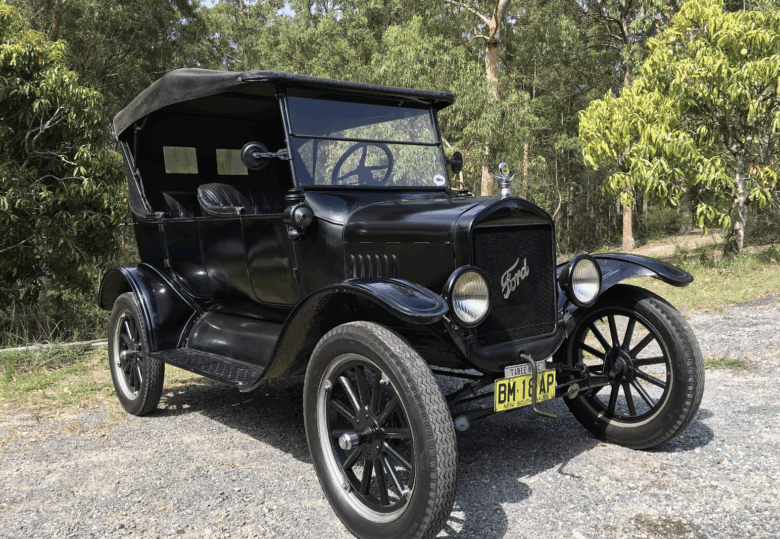
On December 10, 1915, the Ford Motor Company celebrated a monumental achievement in automotive history: the 1,000,000th Model T rolled off the assembly line. Introduced just seven years earlier, the Model T had already revolutionized transportation by making cars affordable and accessible to the average American. This milestone underscored not only the vehicle’s immense popularity but also the efficiency of Ford’s assembly line production, which had drastically reduced manufacturing costs and time. The Model T wasn’t just a car; it was a symbol of mobility, independence, and the democratization of technology in early 20th-century America.
Reaching one million units also cemented Henry Ford’s reputation as an industrial innovator. His pioneering use of the moving assembly line allowed for unprecedented production speed, setting a standard that the automotive industry—and manufacturing in general—would follow for decades. Beyond its engineering feats, the Model T reshaped American society, enabling people to live farther from urban centers, commute with ease, and explore the country in ways previously unimaginable. This single milestone highlighted how a mass-produced vehicle could transform both an industry and a nation.

Dec 11 — Spare Tire Sales Prohibited
On December 11, 1941, just days after the United States entered World War II, the government took a significant step to conserve resources for the war effort: the sale of spare tires for new cars was officially prohibited. Rubber, a critical material for both civilian and military vehicles, had become scarce due to Japanese control over much of the world’s natural rubber supply. By restricting spare tire sales, the government aimed to ensure that available rubber could be prioritized for military use, from trucks and jeeps to tanks and aircraft, rather than civilian consumption. This move reflected the broader shift in American industry and daily life as the nation mobilized for war.
The ban on spare tires also highlighted how the war touched everyday Americans in unexpected ways. Car owners now had to maintain vehicles more carefully and rely on rationed tires, cultivating a new awareness of resource scarcity. Automakers and suppliers had to quickly adjust production to comply with government regulations, emphasizing efficiency and durability over luxury or convenience. While inconvenient for civilians, the policy underscored the collective effort required on the home front, reminding Americans that even small sacrifices—like giving up a spare tire—contributed to the broader war effort overseas.
Dec 12 — GM Says Goodbye to Oldsmobiles
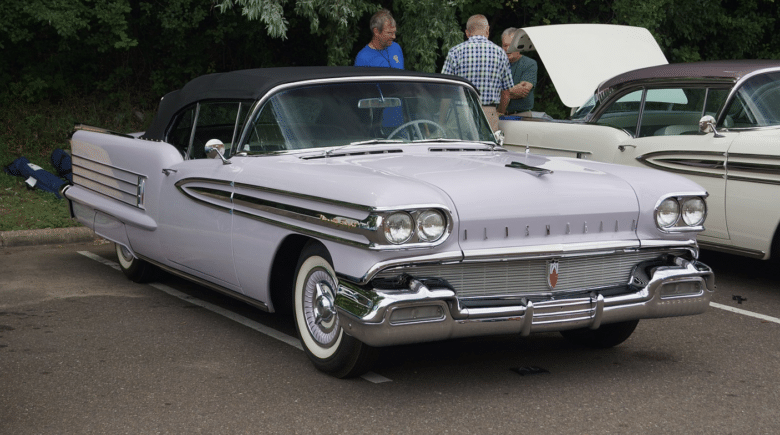
On December 12, 2004, General Motors made a surprising announcement: its storied Oldsmobile division would be phased out, marking the end of an iconic chapter in American automotive history. Founded in 1897, Oldsmobile had long been known for innovation, producing some of the first mass-produced cars in the United States and introducing numerous engineering advancements over the decades. However, shifting market trends, increased competition, and declining sales had made it increasingly difficult for GM to sustain the brand. The decision to retire Oldsmobile reflected both the challenges of a changing automotive landscape and GM’s strategic move to focus on its more profitable divisions.
For car enthusiasts and loyal customers, the announcement was bittersweet. Oldsmobile had built a reputation for reliability, style, and forward-thinking design, and its departure signaled the end of a brand that had shaped the American driving experience for more than a century. Employees and dealerships faced uncertainty, while collectors and fans began cherishing the remaining models as symbols of automotive history. The closure underscored the harsh realities of the modern auto industry, where even venerable brands must adapt or vanish in the face of evolving consumer preferences and economic pressures.
Dec 13 — Bye, Bye (Thunder) Birdy
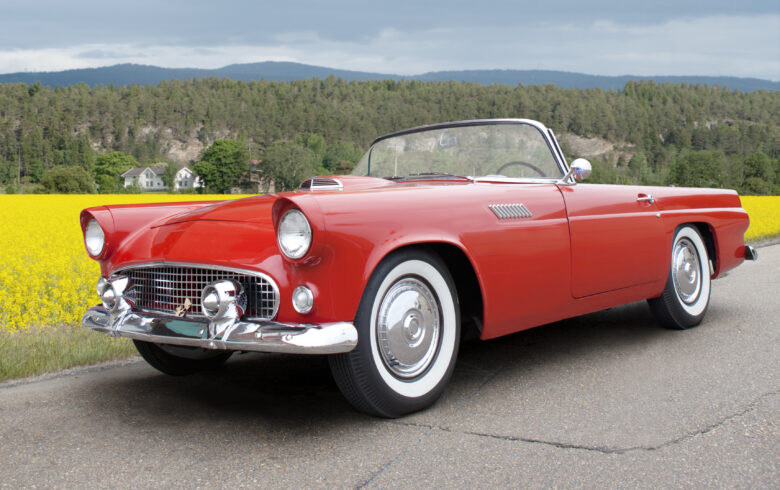
On December 13, 1957, Ford marked the end of an era with the completion of the last two-seat Thunderbird, affectionately nicknamed the “Baby Bird.” Introduced in 1955 as a sporty, stylish personal luxury car, the two-seat Thunderbird quickly became an icon of mid-century American automotive design. Its sleek lines, distinctive tailfins, and focus on driver comfort set it apart from more utilitarian vehicles of the era. The end of two-seat production signaled Ford’s shift toward a larger, four-seat Thunderbird, reflecting changing consumer tastes and the growing demand for cars that combined performance with practicality.
The transition to the four-seat “Square Bird” Thunderbird represented more than just a redesign; it marked a strategic pivot in Ford’s approach to the personal luxury market. By expanding the vehicle’s size and seating capacity, Ford aimed to appeal to families and buyers seeking a combination of style and everyday usability. While purists mourned the loss of the original compact roadster, the move ultimately helped Thunderbird remain competitive in a rapidly evolving automotive landscape. The December 13 milestone stands as a reminder of how design trends, consumer preferences, and market pressures shape even the most beloved car models.
Related:
- Then & Now: 44 Photos Comparing Car Companies’ Debut vs Latest Models
- Classic Muscle Cars of the ’60s & ’70s
Like MediaFeed’s content? Be sure to follow us.
This article was syndicated by MediaFeed.org.